

Amazon FBA Shipping China Global Logistics Solution: 2026 Guide
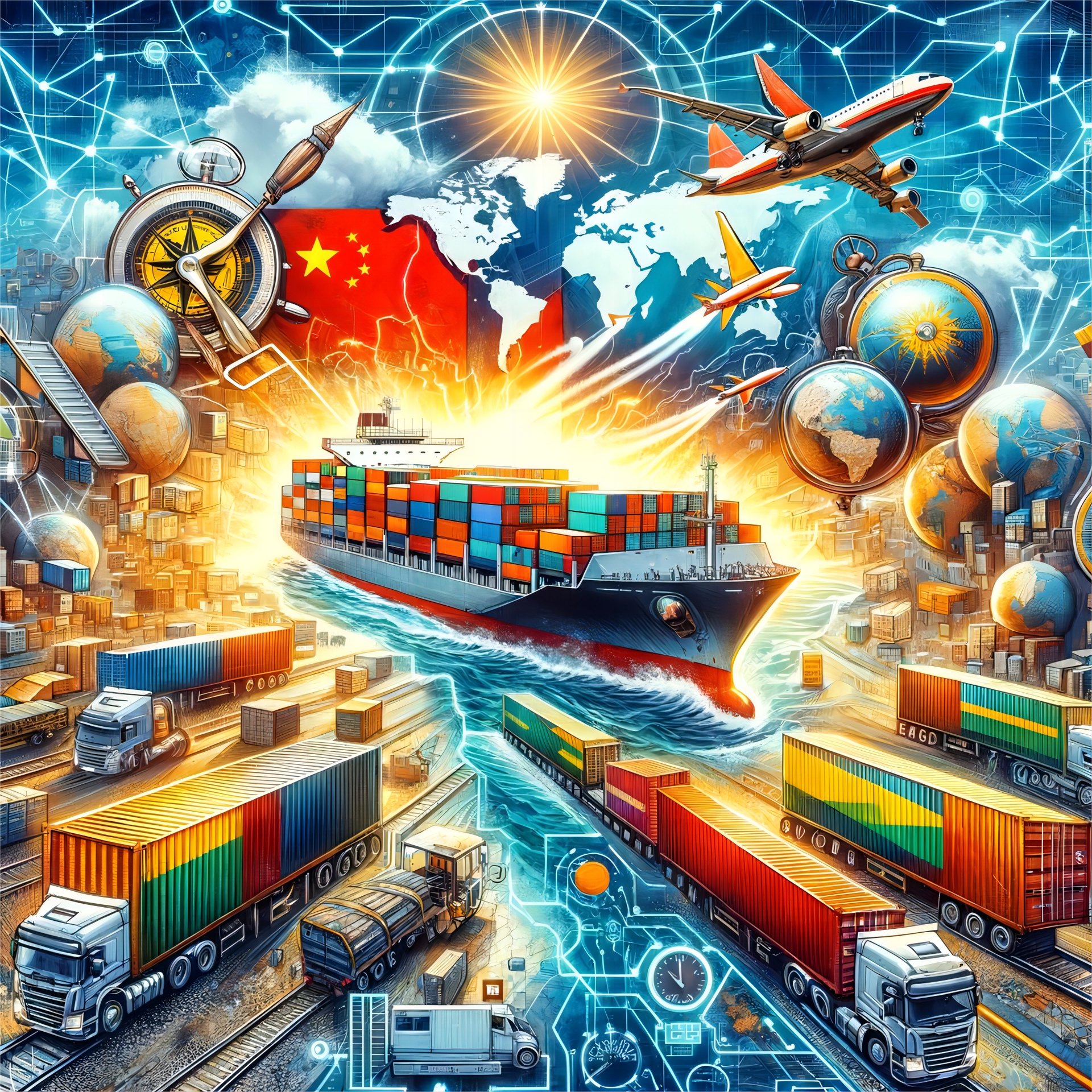
Developing a reliable Amazon FBA shipping China global logistics solution is essential for scaling your e-commerce business in 2026. Many entrepreneurs face significant hurdles regarding customs clearance and fluctuating shipping costs. However, DSV-Freight offers tailored strategies to ensure your products reach Amazon warehouses efficiently. This comprehensive guide provides the insights you need to master international logistics and maintain healthy profit margins.
What is an Amazon FBA Shipping China Global Logistics Solution?
An integrated logistics strategy involves managing every step of the journey from the manufacturer in China to the final Amazon fulfillment center. Specifically, this process includes cargo collection, quality inspection, export documentation, and international transport. By utilizing a dedicated Amazon FBA service, sellers can automate their supply chain and focus on marketing. Furthermore, professional forwarders handle the complexities of labeling and palletization required by Amazon standards.
Efficiency in this sector determines your ability to stay in stock during peak seasons. In contrast to traditional shipping, FBA-specific logistics require strict adherence to delivery appointments and warehouse protocols. Consequently, choosing a partner who understands the nuances of the Amazon ecosystem is vital for long-term success. Moreover, a robust solution mitigates the risks of shipment rejections or unexpected storage fees.
How Does Sea Freight Compare to Other Shipping Options?
Sea freight remains the most cost-effective method for high-volume inventory management in 2026. While it offers the lowest price per unit, it also requires the longest lead times, often spanning several weeks. Therefore, businesses must plan their inventory cycles well in advance to avoid stockouts. Additionally, sea freight is ideal for heavy or bulky items that would be prohibitively expensive to ship by air.
Sellers can choose between Full Container Load (FCL) and Less than Container Load (LCL) depending on their volume. For instance, LCL allows small businesses to share container space, reducing initial capital requirements. On the other hand, FCL provides faster transit and lower risk of damage because the container remains sealed until it reaches the destination. Indeed, the choice between these two significantly impacts your landed cost and delivery schedule.
| Shipping Method | Cost Range (Est) | Transit Time | Best For |
|---|---|---|---|
| Sea Freight | $1,800 – $4,500 | 25-45 Days | Bulk Inventory |
| Air Freight | $5.00 – $12.00/kg | 3-7 Days | High-Value Goods |
| Rail Freight | $1.50 – $3.50/kg | 18-24 Days | European Routes |
| Express | $8.00 – $15.00/kg | 2-5 Days | Urgent Samples |
Why Should You Consider Air Freight for Urgent Shipments?
Speed is the primary advantage of choosing air freight for your e-commerce inventory. When a product goes viral or seasonal demand spikes, air transport ensures you can restock within a week. Furthermore, the reduced transit time minimizes the amount of capital tied up in transit. Consequently, many sellers use air freight for high-margin products or initial product launches.
Security is another critical factor, as air cargo undergoes more frequent monitoring and faster processing. Meanwhile, the lower insurance premiums associated with shorter transit times can partially offset the higher shipping rates. However, you must carefully calculate your margins to ensure the speed justifies the added expense. Without a doubt, air freight is a strategic tool for maintaining a competitive edge in fast-moving markets.
Can Rail Freight Benefit Your European FBA Strategy?
Rail freight has emerged as a powerful middle-ground solution for shipments traveling from China to Europe. It offers a faster transit time than sea freight while remaining significantly cheaper than air transport. Additionally, rail freight provides a more sustainable option for environmentally conscious brands. As a result, it has become a staple for sellers targeting the German, French, and Polish Amazon markets.
Infrastructure improvements in 2026 have increased the reliability of trans-Eurasian rail routes. For example, shipments from Xi’an or Chengdu can reach European hubs in less than three weeks. Moreover, rail transport is less susceptible to the weather-related delays that often plague ocean carriers. Nevertheless, sellers should verify the current geopolitical stability of the route before booking their cargo.
How Do Customs Brokerage Services Impact Your Transit Time?
Navigating international trade laws requires expert knowledge of customs brokerage procedures. Incorrect documentation is the leading cause of shipment delays and unexpected fines at the border. Therefore, working with a professional broker ensures that your commercial invoices and packing lists comply with destination requirements. Furthermore, they can help you identify the correct HS codes to minimize duty payments.
Automated customs systems in 2026 have streamlined the process, but human oversight remains essential for complex items. Specifically, products with batteries or chemicals require special certifications and safety data sheets. Consequently, proactive preparation of these documents prevents your inventory from being held at the port. Indeed, a smooth customs clearance process is the backbone of any successful Amazon FBA shipping China global logistics solution.
| Document Name | Primary Purpose | Required By | Timing |
|---|---|---|---|
| Commercial Invoice | Value Declaration | Customs | Pre-shipment |
| Packing List | Content Detail | Carrier | Loading |
| Bill of Lading | Title of Goods | Port Authority | Departure |
| ISF Filing | Security Screening | US Customs | 24h Before Loading |
Which Option Should You Choose for Your 2026 FBA Growth?
Selecting the right logistics strategy depends on your specific business needs and budget constraints. If you prioritize cost savings and have high inventory volume, sea freight is your best choice. Conversely, if your priority is speed to market for a new product, air freight is the superior option. Additionally, many successful sellers employ a hybrid strategy, using sea freight for the bulk of their stock and air freight for emergency refills.
Volume thresholds often dictate when it is time to switch from LCL to FCL shipping. Generally, if your shipment exceeds 15 cubic meters, a full 20GP container becomes more economical. Furthermore, the 2026 market suggests that freight rates will remain volatile, making flexible logistics planning even more important. As a result, maintaining a relationship with a versatile freight forwarder allows you to adapt to market changes quickly.
Real-World Case Studies: Navigating 2026 Logistics Challenges
Case Study 1: Electronics Expansion to USA West Route: Shenzhen, China to Los Angeles, USA Cargo: Smart Home Devices, 12 CBM, 2,500 kg Container: LCL Shipment Shipping Details: – Carrier: Major Ocean Carrier – Port of Loading: Shenzhen – Port of Discharge: Los Angeles – Route Type: Direct Cost Breakdown: – Ocean Freight: $1,450 – Origin Charges: $350 – Destination Charges: $550 – Customs and Duties: $1,200 – Total Landed Cost: $3,550 Timeline: – Booking to Loading: 3 days – Sea Transit: 16 days – Customs Clearance: 4 days – Total Door-to-Door: 23 days Key Insight: Using a direct route to the West Coast saved 10 days compared to transshipment options.
Case Study 2: Fashion Brand Restock to UK Route: Ningbo, China to Felixstowe, UK Cargo: Apparel, 28 CBM, 4,200 kg Container: 20GP Full Container Shipping Details: – Carrier: COSCO – Port of Loading: Ningbo – Port of Discharge: Felixstowe – Route Type: Direct Cost Breakdown: – Ocean Freight: $2,400 – Origin Charges: $400 – Destination Charges: $600 – Customs and Duties: $2,100 – Total Landed Cost: $5,500 Timeline: – Booking to Loading: 5 days – Sea Transit: 32 days – Customs Clearance: 3 days – Total Door-to-Door: 40 days Key Insight: FCL shipping reduced the per-unit cost by 15 percent compared to previous LCL shipments.
What Market Trends are Shaping Global Logistics in 2026?
Technological advancements are rapidly transforming how sellers manage their international supply chains. Specifically, real-time tracking and AI-driven demand forecasting are becoming standard tools for FBA sellers. Moreover, the integration of blockchain technology is improving the transparency of customs documentation and payment processing. Consequently, sellers who embrace these digital tools can achieve higher efficiency and lower operational costs.
Sustainability has also become a major focus for global logistics providers in 2026. Many carriers are now offering carbon-neutral shipping options by utilizing biofuels or electric delivery vehicles. Furthermore, Amazon has implemented stricter packaging requirements to reduce waste throughout its fulfillment network. Indeed, aligning your logistics strategy with these environmental trends can enhance your brand reputation and appeal to conscious consumers.
Final Thoughts on FBA Logistics Strategy
Mastering your Amazon FBA shipping China global logistics solution is a continuous process of optimization and adaptation. By understanding the trade-offs between speed and cost, you can make informed decisions that protect your margins. Furthermore, partnering with a professional freight forwarder ensures that you stay compliant with evolving customs regulations and Amazon requirements. As you scale your business in 2026, a robust logistics foundation will be your greatest competitive advantage.
Note: Freight rates are subject to change based on fuel costs, carrier capacity, and seasonal demand. Contact us for a current quote tailored to your specific shipment.
Start Your Shipment
Ready to optimize your Amazon FBA shipping China global logistics solution? Contact our expert team today to receive a customized quote and streamline your 2026 supply chain strategy for maximum profitability.
Frequently Asked Questions
What is the cheapest way to ship from China to Amazon FBA?
How long does Amazon FBA shipping from China take in 2026?
Do I need a customs broker for my FBA shipments?
Can I ship directly from my Chinese supplier to Amazon?
What are the common documents needed for FBA shipping?
Is rail freight available for shipping from China to Australia?
How do I track my FBA shipment from China?
Does Amazon handle the customs clearance for my imports?