

China Shipping Cost Calculator: Air, Sea, and DDP Global Rates 2026
Finding the right China shipping cost calculator air sea DDP global is essential for modern businesses navigating the complex international trade landscape of 2026. This tool allows importers to estimate expenses accurately and optimize their supply chains for maximum efficiency. Understanding these costs helps in planning budgets and ensuring timely delivery of goods across the world. Consequently, businesses can avoid hidden fees and choose the most cost-effective method for their specific cargo requirements.
What is a China Shipping Cost Calculator Air Sea DDP Global?
Digital tools have revolutionized how we approach international logistics by providing instant access to market data. A comprehensive calculator integrates various data points such as fuel surcharges, port fees, and seasonal demand fluctuations. Moreover, these systems help users compare different modes of transport within a single interface. Therefore, shippers can make informed decisions based on real-time 2026 market intelligence rather than outdated estimates.
Accurate calculations require inputting the origin city, destination, weight, and dimensions of the shipment. Furthermore, modern calculators often include options for Delivered Duty Paid (DDP) services to provide a total landed cost. This transparency is vital for e-commerce sellers and manufacturers who need to maintain strict profit margins. Indeed, using a reliable calculator reduces the risk of unexpected expenses during the customs clearance phase.
Logistics experts recommend verifying calculator results with a professional freight forwarder to ensure all local surcharges are included. Although automated tools are highly efficient, the human element remains necessary for handling complex regulatory requirements. Additionally, most calculators now factor in the 2025 Red Sea recovery trends which have stabilized routes into early 2026. Consequently, users receive a more realistic view of the current global shipping environment.
How to Calculate Air Freight Costs from China in 2026
Air cargo remains the fastest way to move high-value or time-sensitive goods across continents. When you use an air freight service, the cost is primarily determined by either actual weight or volumetric weight. Specifically, carriers apply the higher of the two values to ensure they are compensated for the space occupied in the aircraft. For instance, a lightweight but bulky shipment of pillows might cost more than a small, heavy box of machinery.
Market rates for air transport have seen a slight increase in early 2026 due to rising sustainable aviation fuel costs. Nevertheless, the speed advantage continues to justify the expense for many technology and fashion brands. Typically, air freight from China to major global hubs takes between three to seven days including handling. Moreover, choosing express options can further reduce this timeline for urgent deliveries.
Calculating the volumetric weight involves a standard formula: (Length x Width x Height) divided by 6000 for most international shipments. However, some express couriers use a divisor of 5000, which results in a higher billable weight. Therefore, it is crucial to confirm the specific divisor used by your chosen provider. By doing so, you can avoid surprises when the final invoice arrives after the cargo has departed.
Why Sea Freight Remains the Go-To for Global Logistics
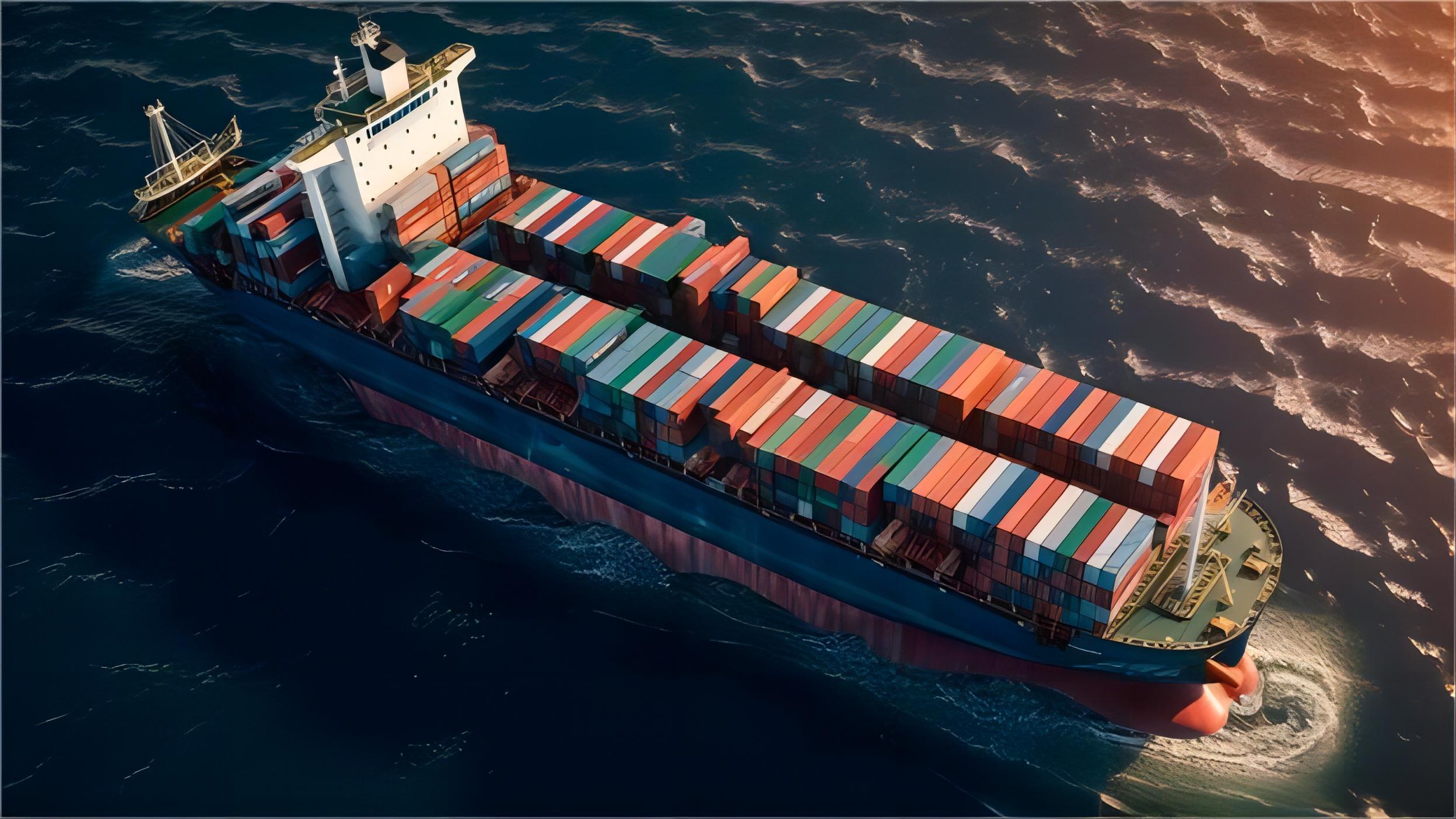
Ocean transport continues to be the backbone of international trade because of its unmatched capacity and cost-efficiency. Utilizing sea freight allows businesses to move massive volumes of goods at a fraction of the cost of air travel. For example, shipping a full 40HQ container is significantly cheaper per unit than sending individual pallets via air. Consequently, this method is ideal for furniture, heavy machinery, and bulk consumer goods.
Importers can choose between Full Container Load (FCL) and Less than Container Load (LCL) depending on their volume. FCL offers better security and faster transit times since the container is dedicated to one shipper. On the other hand, LCL is a budget-friendly alternative for smaller shipments that do not require a whole container. Additionally, current 2026 ocean rates have stabilized, making long-term planning much easier for global importers.
Transit times for sea freight generally range from 20 to 50 days depending on the destination and route type. While direct routes are faster, they often come with a premium price tag compared to transshipment options. Furthermore, port congestion in major hubs like Los Angeles or Rotterdam has eased significantly since the 2025 upgrades. Therefore, sea freight remains a reliable and predictable choice for non-urgent supply chain needs.
| Route | 20GP Container | 40HQ Container | Avg. Transit |
|---|---|---|---|
| China to USA West Coast | $1,600 – $2,300 | $2,900 – $3,900 | 15-20 Days |
| China to Europe (Base Ports) | $1,900 – $2,600 | $3,100 – $4,300 | 30-35 Days |
| China to Australia | $900 – $1,300 | $1,500 – $2,100 | 14-18 Days |
| China to UK | $2,100 – $2,900 | $3,600 – $4,600 | 32-38 Days |
Can DDP Shipping Simplify Your Import Process?
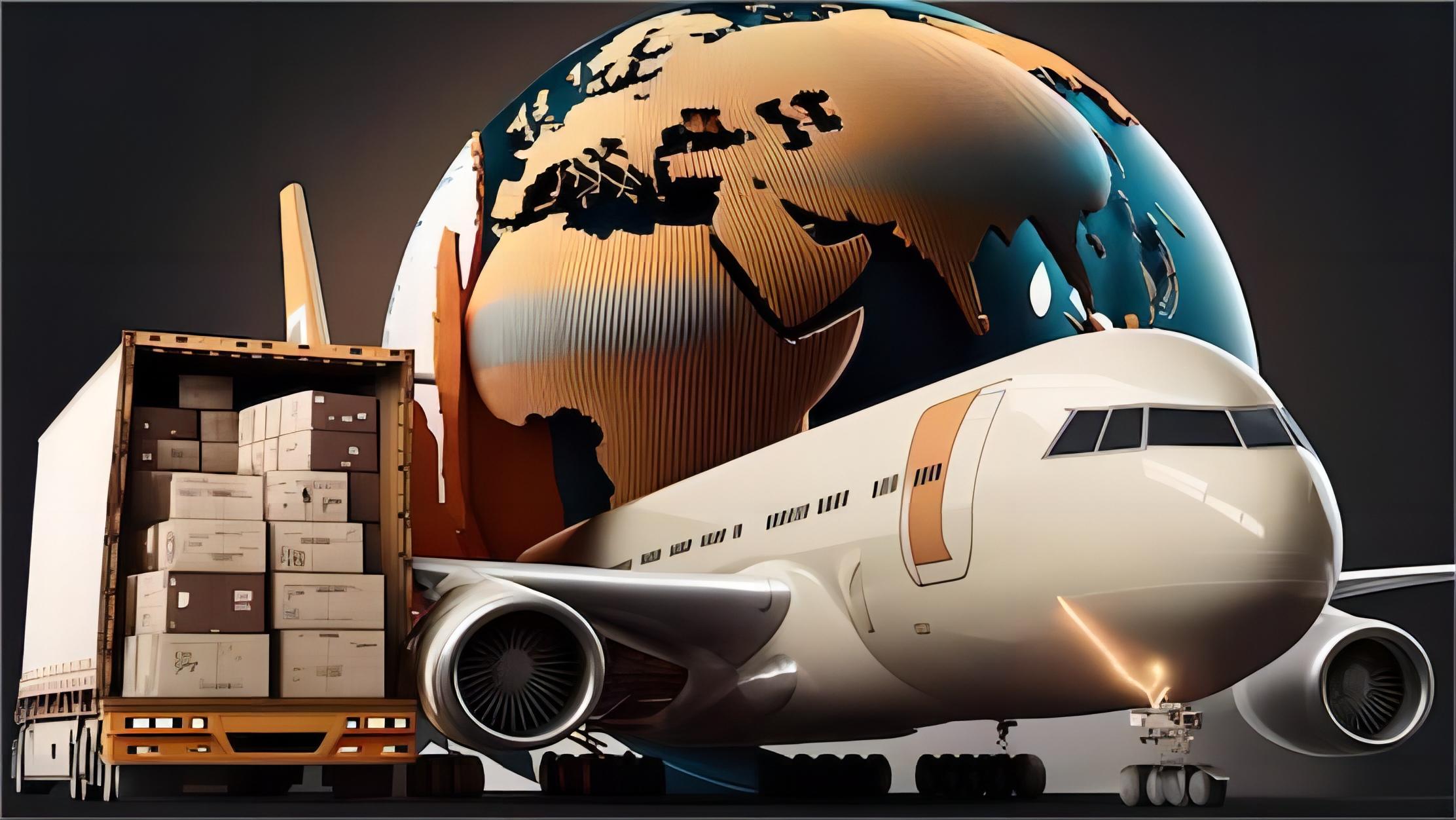
Delivered Duty Paid (DDP) is an Incoterm where the seller assumes all responsibility for transporting the goods. This includes paying for export and import duties, taxes, and all shipping costs until the cargo reaches the buyer’s door. By choosing a door to door DDP service, buyers can enjoy a completely hands-off experience. Moreover, this arrangement eliminates the need for the buyer to interact with customs authorities or local delivery agents.
Small businesses and e-commerce entrepreneurs frequently prefer DDP because it provides a fixed price upfront. Specifically, the China shipping cost calculator air sea DDP global tool helps in determining this all-in rate accurately. Consequently, there are no surprise VAT bills or brokerage fees upon arrival in the destination country. Furthermore, many freight forwarders now offer specialized DDP lines for both air and sea transport.
Implementing DDP requires a high level of trust in the shipping provider since they handle all documentation. However, the convenience of having a single point of contact often outweighs the slightly higher service fees. Additionally, DDP is particularly effective for shipments going to Amazon warehouses or private residences. Therefore, it has become one of the most popular shipping methods in the 2026 logistics market.
How Does Sea Freight Compare to Other Shipping Options?
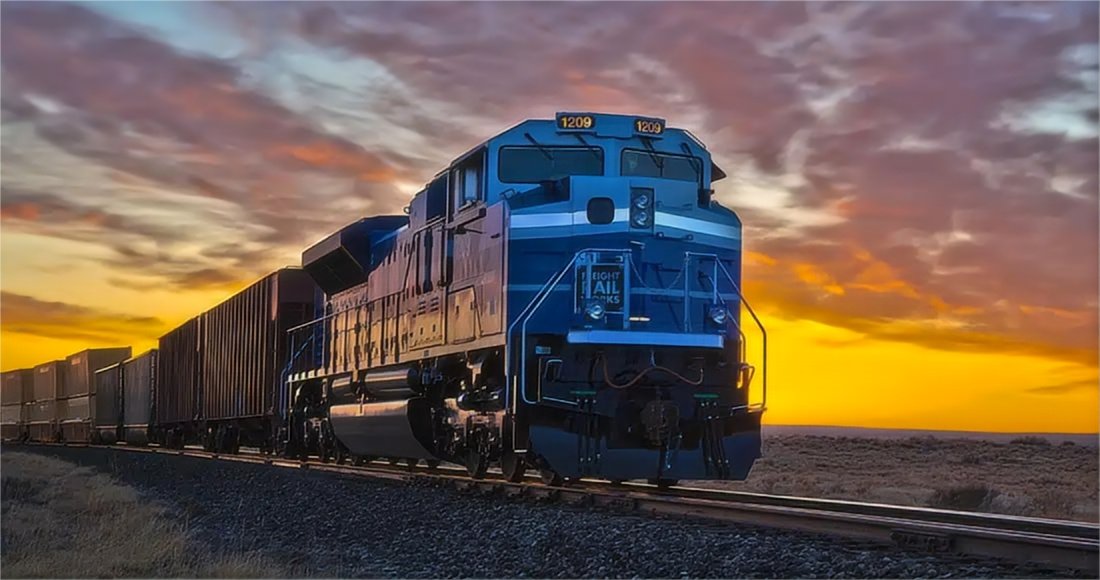
Comparing sea freight to air or rail options is essential for determining the best balance between cost and speed. While air freight is unbeatable for speed, its cost can be prohibitive for low-margin products. In contrast, rail freight offers a middle ground for shipments between China and Europe, though it is not applicable for Australia or North America. Consequently, shippers must evaluate their priorities before selecting a transport mode.
Hybrid solutions like sea-air shipping have gained popularity in 2026 as a way to mitigate high costs. This method involves shipping goods by sea to a hub like Dubai or Singapore and then flying them to the final destination. Notably, this can save up to 40% in costs compared to pure air freight while being twice as fast as sea freight. Therefore, it serves as an excellent alternative during peak seasons or when sea routes face unexpected delays.
Direct shipping routes are usually preferred for their reliability, but transshipment can offer significant savings. For example, a shipment from Ningbo to New York might stop in Panama to consolidate cargo, reducing the overall price. Meanwhile, businesses must weigh these savings against the increased risk of handling delays at transshipment ports. Ultimately, the choice depends on the specific requirements of the supply chain and the urgency of the inventory.
| Method | Cost Level | Transit Time | Best For |
|---|---|---|---|
| Air Freight | High | 3-7 Days | Urgent/Expensive |
| Sea Freight | Low | 20-50 Days | Bulk/Heavy Goods |
| Rail Freight | Medium | 15-22 Days | China-Europe Trade |
| Express | Very High | 2-5 Days | Documents/Samples |
Which Option Should You Choose?
Budget priority dictates that sea freight is the most logical choice for the majority of global shipments. If your company can plan inventory 2-3 months in advance, the savings from ocean transport will significantly impact the bottom line. However, if you are launching a new product or responding to a sudden surge in demand, air freight becomes a necessary investment. Consequently, a balanced supply chain often utilizes a mix of both methods.
Cargo type considerations play a major role in the decision-making process for international logistics. Perishable goods or high-end electronics are almost always sent via air to minimize time in transit and risk of damage. Conversely, raw materials, textiles, and large consumer electronics are better suited for the stable environment of a shipping container. Additionally, volume thresholds often determine when it is more economical to switch from LCL to FCL shipping.
Speed priority is the primary driver for choosing air or express services regardless of the higher cost. In the competitive market of 2026, being first to shelf can be more valuable than the shipping savings. Therefore, businesses must calculate the potential lost sales from a late delivery against the added cost of faster transport. By using a China shipping cost calculator air sea DDP global, you can run various scenarios to find the optimal strategy.
Market Context and Regional Trends in 2026
Shipping to North America has become more streamlined following the 2025 port automation initiatives. These improvements have reduced wait times at major gateways, leading to more consistent delivery schedules for importers. Moreover, the introduction of new carrier alliances has increased capacity on the trans-Pacific route. Consequently, freight rates have remained relatively stable despite fluctuations in global energy prices.
Trade routes to Europe continue to adapt to the evolving geopolitical landscape of the mid-2020s. While sea freight around the Cape of Good Hope is still common, the efficiency of these long-haul journeys has improved with better vessel technology. Additionally, the integration of green corridors has introduced carbon-neutral shipping options for environmentally conscious brands. Therefore, European importers have more choices than ever for sustainable logistics.
The route to Australia remains dominated by sea freight due to the geographic isolation and lack of rail alternatives. Efficiency in this corridor is high, with major ports in Sydney and Melbourne handling record volumes in early 2026. Furthermore, regional trade agreements have simplified customs procedures, making it easier for Chinese manufacturers to reach the Australian market. Notably, transit times from South China to Australia have reached an all-time low of 12 days for certain express sea services.
Navigating Customs and Documentation in 2026
Documentation accuracy is the most critical factor in avoiding delays and additional costs at the border. Utilizing a professional customs brokerage service ensures that all paperwork complies with the latest 2026 regulations. Specifically, the Commercial Invoice, Packing List, and Bill of Lading must be perfectly aligned to pass inspection. Furthermore, the rise of digital customs platforms has made electronic filing mandatory in most developed nations.
Import duties and taxes are calculated based on the HS Code of the products being shipped. Incorrect classification can lead to heavy fines or the seizure of goods by customs authorities. Therefore, it is essential to verify the correct codes before the cargo leaves China. Additionally, many countries have implemented new environmental taxes on plastic packaging, which must be factored into the total shipping cost.
Market data suggests that nearly 30% of shipping delays are caused by incomplete or incorrect documentation. However, these issues are entirely preventable with proper planning and the use of automated verification tools. Meanwhile, DDP shipping services take the burden of documentation off the buyer, as the forwarder manages the entire process. Ultimately, staying informed about regional policy changes is key to a smooth import experience.
| Document | Purpose | Required for DDP |
|---|---|---|
| Commercial Invoice | Value and tax calculation | Yes |
| Packing List | Cargo details and weight | Yes |
| Bill of Lading | Proof of shipment/Title | Yes |
| Certificate of Origin | Duty exemptions/Trade deals | Often |
Real Case Studies from the 2026 Shipping Season
Case Study 1: Shenzhen to Los Angeles Electronics Shipment. Route: Shenzhen Port to Port of Los Angeles. Cargo: Consumer Electronics, 15 CBM LCL. Shipping Method: Sea Freight LCL. Total Landed Cost: $3,450. Transit Time: 22 Days. Key Insight: Consolidating multiple small orders into one LCL shipment saved the client 25% compared to individual air shipments. This was achieved during the Q1 2026 period when ocean rates were particularly favorable.
Case Study 2: Ningbo to Hamburg Textile Distribution. Route: Ningbo Port to Port of Hamburg. Cargo: Apparel and Textiles, 40HQ Container. Shipping Method: Sea Freight FCL. Total Landed Cost: $5,100. Transit Time: 34 Days. Key Insight: Using a direct route avoided transshipment delays in Singapore, ensuring the spring collection arrived on time for the retail launch. Based on early 2026 market rates, this was the most efficient choice for high-volume goods.
Case Study 3: Guangzhou to Sydney Automotive Parts. Route: Guangzhou to Sydney. Cargo: Spare Parts, 20GP Container. Shipping Method: Amazon FBA DDP Sea Freight. Total Landed Cost: $2,800. Transit Time: 16 Days. Key Insight: Opting for a DDP service allowed the seller to ship directly to the fulfillment center without handling any customs paperwork, significantly reducing their operational overhead.
Note: Freight rates are subject to change based on fuel costs, carrier capacity, and seasonal demand. Contact us for a current quote tailored to your specific shipment.
Final Thoughts on Global Shipping Costs
Mastering the use of a China shipping cost calculator air sea DDP global is a vital skill for any modern importer. By understanding the nuances between air, sea, and DDP options, you can tailor your logistics strategy to match your budget and timeline. Moreover, staying updated on 2026 market trends ensures that you remain competitive in an ever-changing global marketplace.
Ultimately, the goal is to create a resilient supply chain that can withstand fluctuations while maintaining efficiency. Whether you choose the speed of air freight or the economy of sea freight, professional guidance is always beneficial. Start planning your next shipment with confidence and take control of your international logistics today.
Need a tailored shipping solution?
Ready to optimize your supply chain with the most accurate China shipping cost calculator air sea DDP global estimates? Contact our team today for a personalized quote that fits your business needs and ensures your cargo arrives safely and on time. Send Inquiry to get started with our professional logistics solutions.
Frequently Asked Questions
How accurate is a China shipping cost calculator for air and sea?
Calculators provide high-accuracy estimates based on current 2026 market data, but final prices may vary due to fuel surcharges and specific cargo handling requirements.
What is included in a DDP shipping quote?
A DDP quote includes the base freight, export/import duties, taxes, customs clearance fees, and final door-to-door delivery costs for a total landed price.
Is air freight always more expensive than sea freight?
Generally, yes, air freight costs significantly more per kilogram. However, for very small or high-value shipments, the speed and security may offer better overall value.
How long does sea freight take from China to Europe in 2026?
Most sea freight shipments from China to major European ports like Rotterdam or Hamburg take between 30 and 40 days depending on the specific route.
Can I ship DDP to an Amazon FBA warehouse?
Yes, DDP is the preferred method for Amazon FBA as it ensures all duties are paid before arrival, preventing the warehouse from rejecting the shipment.
What factors influence 2026 shipping rates from China?
Primary factors include global fuel prices, seasonal demand peaks, carrier capacity, and ongoing improvements in port automation and efficiency.
How do I calculate the volumetric weight for air cargo?
Multiply the length, width, and height in centimeters and divide by 6000. This result is compared to the actual weight to determine the billable weight.