

Freight Forwarder China to Europe: 2026 Shipping Guide
Navigating the complexities of international logistics requires a partner who understands the nuances of global trade. If you are looking for a reliable DSV-Freight partner, choosing the right freight forwarder China to Europe is the first step toward business success. Consequently, this guide provides a comprehensive overview of shipping methods, costs, and strategies for the 2026 market. We aim to help you overcome common hurdles like port congestion and fluctuating currency values while ensuring your goods arrive safely.
What is the Role of a Freight Forwarder China to Europe?
A professional freight forwarder China to Europe acts as an essential intermediary between the shipper and various transportation services. Specifically, they handle the intricate details of moving goods across vast distances and multiple jurisdictions. These experts manage everything from documentation to cargo insurance, ensuring that your business remains compliant with both Chinese and European regulations. Furthermore, they leverage their relationships with carriers to secure better rates than an individual shipper could obtain alone.
Choosing an experienced partner allows you to focus on your core business activities while they manage the logistics. In addition, they provide real-time tracking and troubleshooting for any delays that might occur at sea or at border crossings. Without a doubt, a competent forwarder is the backbone of a successful import-export operation in 2026.
Key Services Provided by Forwarders
Most forwarders offer a suite of services including warehousing, consolidation, and distribution. Additionally, they provide expertise in customs brokerage to ensure your goods clear EU borders without unnecessary penalties. This comprehensive approach minimizes the risk of logistical bottlenecks that can ruin a delivery schedule.
How Does Sea Freight Compare to Other Shipping Options?
Ocean transport remains the most popular choice for businesses moving large volumes of goods due to its cost-effectiveness. However, it is important to understand how it stacks up against rail and air alternatives in the current 2026 market. While sea freight offers the lowest price per unit, it also requires the longest transit time. Therefore, planning ahead is crucial when choosing this method for your inventory management.
For shipments exceeding 15 CBM, Full Container Load (FCL) is usually the most economical choice. On the other hand, Less than Container Load (LCL) allows smaller businesses to share container space and reduce costs. You should evaluate your budget and timeline carefully before making a final decision.
| Shipping Method | Cost Range (USD) | Transit Time | Best For |
|---|---|---|---|
| Sea Freight (FCL) | $3,000 – $4,200 | 30-40 Days | Bulk goods and large machinery |
| Rail Freight | $4,500 – $6,500 | 18-24 Days | Medium-sized shipments |
| Air Freight | $8,000 – $15,000 | 5-8 Days | High-value or urgent cargo |
| Express Courier | $12,000+ | 3-5 Days | Small parcels and samples |
The Benefits of Using Rail Freight for European Deliveries
In 2026, many importers are turning to rail freight as a middle-ground solution between sea and air. This method offers a significantly faster transit time than ocean shipping while remaining much cheaper than air transport. Consequently, it has become a staple for the electronics and automotive industries which require faster turnover of stock.
The New Silk Road has stabilized significantly, providing a reliable schedule for trains departing from hubs like Xi’an and Chengdu. Moreover, rail transport is often considered more environmentally friendly than air freight, helping companies meet their 2026 sustainability goals. If your cargo is time-sensitive but your budget is limited, rail is an excellent alternative.
Choosing Between Sea Freight and Air Freight in 2026
When speed is the absolute priority, air freight is the undisputed winner for shipping from China. For example, fashion brands and tech companies often use air transport to launch new products across Europe simultaneously. Nevertheless, the high cost means it is usually reserved for cargo with high profit margins or emergency replacements.
Conversely, sea freight is the go-to for heavy industrial equipment and furniture. As of early 2026, ocean rates have stabilized, making it easier for businesses to forecast their landing costs. Indeed, most global trade still moves via the ocean because of the sheer capacity of modern mega-vessels.
LCL vs FCL: Making the Right Choice
If you have enough cargo to fill at least 70% of a 20ft container, FCL is generally safer and faster. Meanwhile, LCL is perfect for startups testing the European market with smaller batches. Your freight forwarder China to Europe can help you calculate the exact volume thresholds to determine which option saves more money.
Door to Door Shipping Solutions for European Importers
Managing the entire supply chain can be overwhelming, which is why door to door services are highly sought after. This service covers everything from the factory pickup in China to the final delivery at your warehouse in Europe. As a result, you do not have to worry about coordinating with multiple local carriers or customs agents.
This holistic approach reduces the risk of communication errors and hidden fees. Furthermore, it provides a single point of contact for all your shipping inquiries. For many e-commerce sellers, this is the most efficient way to manage their inventory without needing a massive logistics department.
Real Case Studies: China to Europe Logistics Success
Reviewing real-world examples can provide valuable insights into how logistics works in practice. Below are two scenarios based on 2026 market conditions that illustrate the balance of cost and speed.
Case Study 1: Large Scale Electronics to Germany
Route: Shenzhen, China to Hamburg, Germany. Cargo: Consumer Electronics, 65 CBM, 12,000 kg. Container: 40HQ. Shipping Details: Major carrier, direct route. Ocean Freight: $3,850. Origin Charges: $450. Destination Charges: $600. Customs & Duties: $1,200. Total Landed Cost: $6,100. Timeline: 34 days total. Key Insight: Booking 3 weeks in advance saved the client 15% on peak season surcharges.
Case Study 2: Urgent Textile Shipment to Poland
Route: Ningbo, China to Warsaw, Poland. Cargo: Seasonal Apparel, 12 CBM. Method: Rail Freight (LCL). Shipping Details: Trans-Siberian route. Rail Freight Cost: $2,100. Origin/Destination Fees: $800. Customs Clearance: $350. Total Landed Cost: $3,250. Timeline: 21 days door-to-door. Key Insight: Rail was 40% cheaper than air while meeting the strict retail launch deadline.
Which Option Should You Choose?
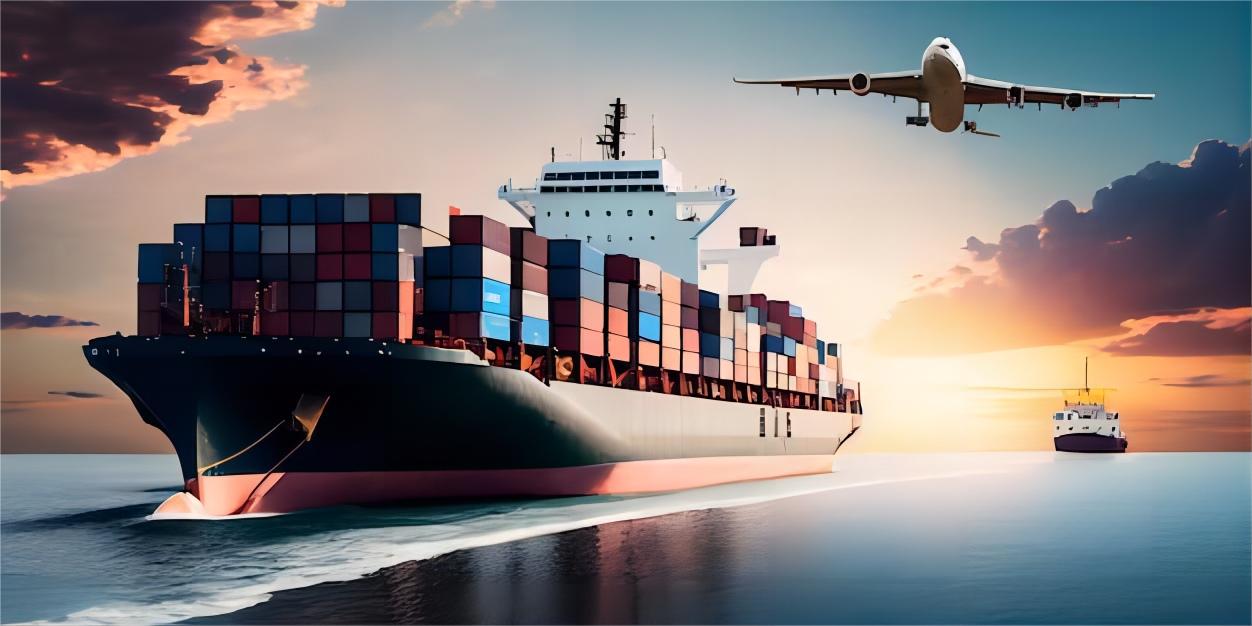
Determining the best shipping method depends on your specific business priorities. If your primary goal is to minimize costs, sea freight is the logical choice for large volumes. However, if you are dealing with perishable goods or high-value electronics, air freight might be necessary despite the expense.
For those seeking a balance, rail freight provides a reliable alternative that avoids the high costs of air and the long delays of sea. Additionally, consider hybrid solutions like sea-air if you need to bypass port congestion in Southern Europe. Always consult with your freight forwarder China to Europe to get a tailored strategy based on current 2026 port data.
| Priority | Recommended Method | Reasoning | Trade-off |
|---|---|---|---|
| Budget | Sea Freight (FCL) | Lowest cost per CBM | Longest transit time |
| Speed | Air Freight | Fastest delivery | Highest carbon footprint |
| Balance | Rail Freight | Faster than sea, cheaper than air | Route availability varies |
| Convenience | Door to Door | Hands-off management | Slightly higher service fees |
Cost-Saving Strategies for Shipping to Europe in 2026
To maximize your profits, you must look for ways to reduce your total landed cost. One effective strategy is cargo consolidation, where multiple small shipments are combined into one larger shipment. Additionally, optimizing your packaging can reduce the volumetric weight, which is particularly important for air freight pricing.
Another tip is to avoid shipping during peak seasons, such as the weeks leading up to the Chinese New Year or the Golden Week. During these times, rates can spike by 25% or more due to high demand. By planning your production schedule around these holidays, you can secure much better rates from your freight forwarder China to Europe.
Final Thoughts on European Logistics
In summary, importing from China to Europe in 2026 requires a strategic approach to logistics. By understanding the differences between sea, air, and rail freight, you can make informed decisions that benefit your bottom line. Furthermore, partnering with a reliable freight forwarder China to Europe ensures that your supply chain remains resilient against global disruptions. Always stay updated on the latest customs regulations and market trends to maintain a competitive edge in the European market.
Get Your Shipping Quote Today
Streamline your international logistics today with a partner you can trust. Contact us now to receive a customized quote for your next shipment and experience the benefits of a professional freight forwarder China to Europe.
Frequently Asked Questions
How long does sea freight take from China to Europe?
Typically, sea freight takes between 30 to 45 days depending on the specific ports and weather conditions. Direct routes to major hubs like Rotterdam are usually faster.
Is rail freight safer than sea freight for fragile goods?
Rail freight involves less handling than LCL sea freight, which can reduce the risk of damage. However, proper packaging remains the most important factor for safety.
What documents are needed for European customs?
You generally need a commercial invoice, packing list, bill of lading, and an EORI number for EU imports. Some products may require specific certificates of origin.
Can a freight forwarder help with Amazon FBA?
Yes, many forwarders specialize in Amazon FBA, handling labeling, palletizing, and delivery directly to European fulfillment centers.
What is the cheapest way to ship small parcels?
For parcels under 100kg, express courier services or air LCL are often the most cost-effective and efficient options.
How are shipping rates calculated in 2026?
Rates are based on weight, volume, fuel surcharges, and seasonal demand. Carriers also adjust prices based on port congestion levels.
Does rail freight go to the UK?
Yes, rail services connect China to the UK via the Eurotunnel, though some shipments may involve a short sea leg from European rail hubs.
Should I buy insurance for my shipment?
Absolutely. Cargo insurance protects your investment against theft, loss, or damage during the long journey from China to Europe.