

Sea Freight China Singapore: The Complete 2026 Logistics Guide
Managing sea freight china singapore effectively requires a deep understanding of current market dynamics and regional logistics infrastructure. As we enter 2026, businesses must navigate evolving trade patterns and port technologies to maintain a competitive edge. At DSV-Freight, we specialize in streamlining these complex supply chains to ensure your cargo arrives safely and on time. This comprehensive guide explores everything from pricing structures to customs requirements for your next shipment.
How Does Sea Freight China Singapore Compare to Other Shipping Options?
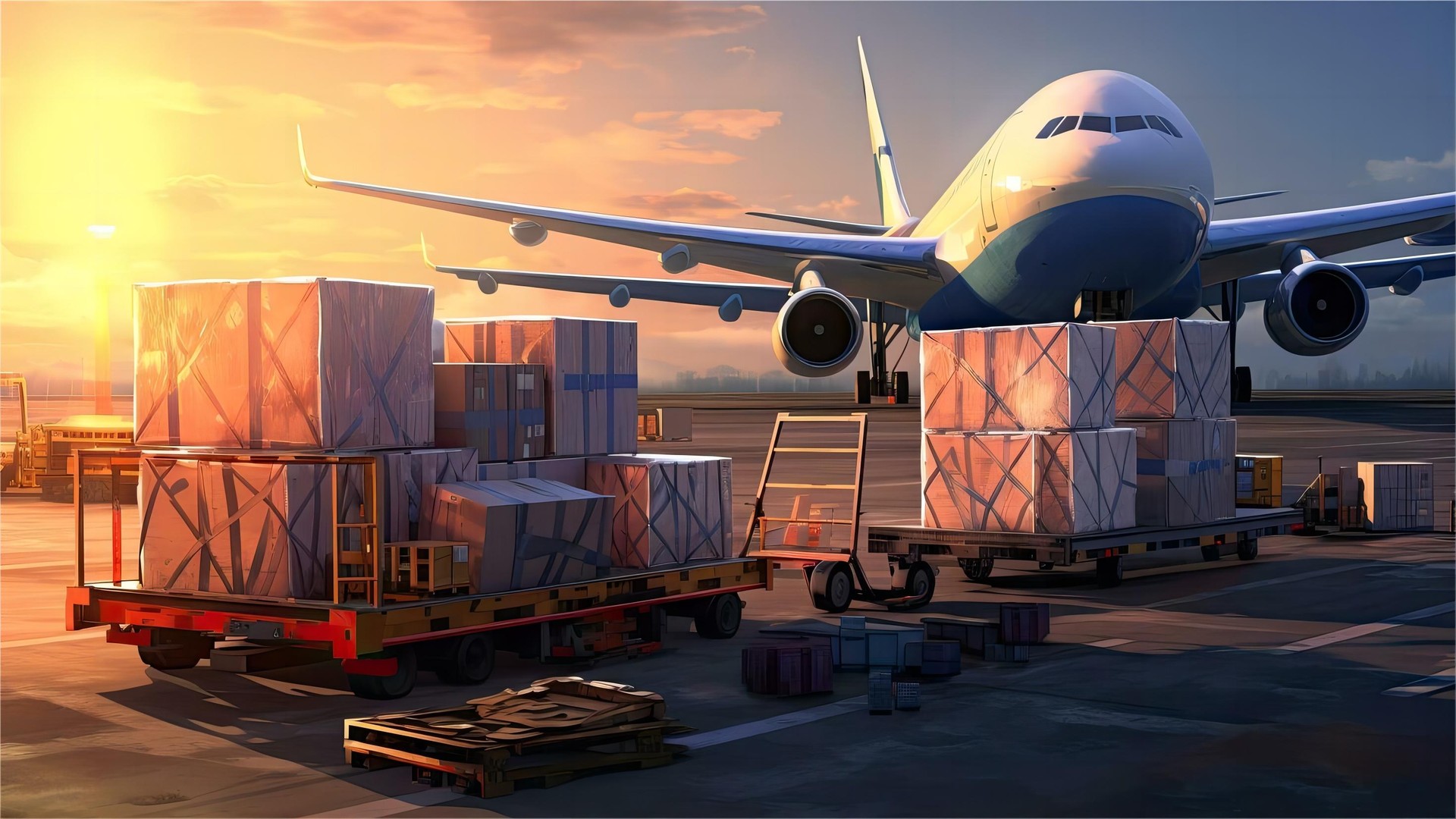
Evaluating the best transport method involves balancing speed against total logistics expenses. While ocean transport remains the most popular choice for bulk goods, alternative modes offer specific advantages depending on your deadline. For instance, Air Freight provides unmatched speed for high-value or perishable items that cannot wait for sea transit.
Consequently, businesses often choose sea transport for its superior cost-efficiency over long distances. In 2026, the maritime route between China and Singapore continues to benefit from high-frequency schedules and advanced port automation. Moreover, the environmental impact of ocean shipping is significantly lower than air transport, aligning with modern sustainability goals.
Nevertheless, choosing the right method depends on your specific cargo volume and budget constraints. Small parcels might benefit from express services, while large industrial machinery almost always requires heavy-lift sea vessels. Therefore, understanding the trade-offs between cost and time is essential for any successful import operation.
| Shipping Method | Cost Range | Transit Time | Best For | Limitations |
|---|---|---|---|---|
| Sea Freight (FCL) | $800 – $1,500 | 6 – 12 Days | Large volumes | Longer lead time |
| Sea Freight (LCL) | $40 – $90/CBM | 8 – 15 Days | Small shipments | Higher handling risk |
| Air Freight | $3.50 – $6.00/kg | 1 – 3 Days | Urgent goods | Very high cost |
| Express Service | $6.00 – $10.00/kg | 1 – 2 Days | Documents/Samples | Strict weight limits |
FCL vs LCL: Which Sea Freight China Singapore Method is Best?
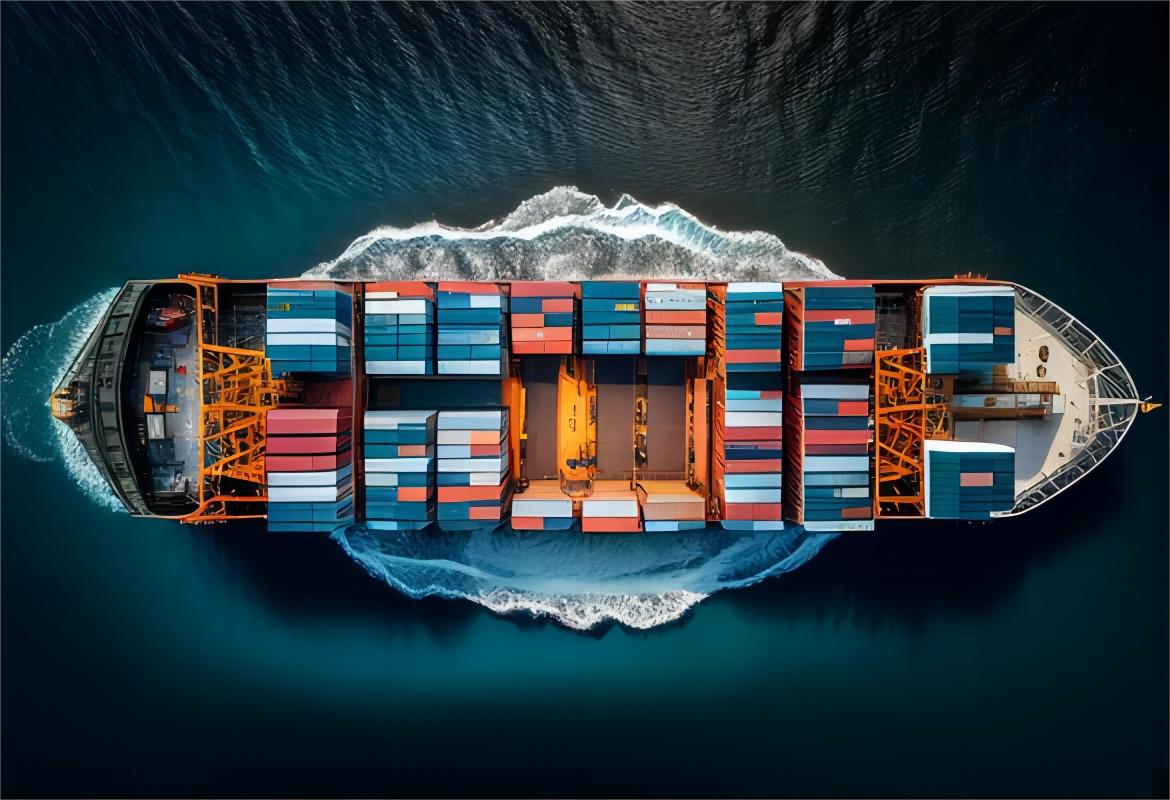
Selecting between Full Container Load (FCL) and Less than Container Load (LCL) is a critical decision for your bottom line. FCL involves renting an entire 20ft or 40ft container for your exclusive use, which minimizes handling and potential damage. In contrast, sea freight via LCL allows you to share container space with other shippers, making it ideal for smaller volumes.
Furthermore, FCL is generally faster because the container does not need to be consolidated or deconsolidated at various warehouses. If your shipment exceeds 15 cubic meters, FCL often becomes more cost-effective than paying for individual CBM rates in an LCL arrangement. Additionally, FCL provides better security for sensitive cargo since the container remains sealed from the point of origin to the destination.
On the other hand, LCL offers significant flexibility for startups and businesses with fluctuating inventory needs. You only pay for the space you occupy, which helps maintain healthy cash flow during slower business periods. However, be aware that LCL shipments might experience slightly longer transit times due to the additional logistics steps required at the port.
What are the Current Sea Freight China Singapore Rates in 2026?
Market data suggests that ocean freight rates have stabilized in early 2026 following the infrastructure upgrades in major Chinese ports. Specifically, rates from Shenzhen to Singapore are currently hovering at competitive levels compared to the previous year. However, seasonal peaks such as the period leading up to the Lunar New Year can still cause temporary price surges of 20 percent or more.
Moreover, fuel surcharges and port handling fees remain variable factors that influence the total landed cost. It is important to request a detailed breakdown of all charges, including terminal handling and documentation fees, to avoid unexpected expenses. Indeed, working with a transparent freight forwarder ensures you receive accurate quotes based on real-time market conditions.
Note: Freight rates are subject to change based on fuel costs, carrier capacity, and seasonal demand. Contact us for a current quote tailored to your specific shipment.
| Container Type | Route | Avg Rate (USD) | Transit Time |
|---|---|---|---|
| 20GP Container | Shanghai to Singapore | $850 – $1,100 | 8 – 10 Days |
| 40HQ Container | Ningbo to Singapore | $1,300 – $1,650 | 9 – 12 Days |
| LCL (per CBM) | Shenzhen to Singapore | $45 – $75 | 7 – 9 Days |
| 20GP Container | Qingdao to Singapore | $950 – $1,200 | 11 – 14 Days |
Essential Documentation for Sea Freight China Singapore
Navigating the regulatory landscape requires precise documentation to prevent delays at the Singapore Customs checkpoints. Every shipment must be accompanied by a commercial invoice, a packing list, and a Bill of Lading issued by the carrier. Furthermore, utilizing professional Customs Brokerage services can help ensure all paperwork complies with the latest 2026 trade regulations.
In addition to standard documents, certain goods may require specific import licenses or certificates of origin to qualify for preferential tax treatments. For example, electronics and food products often face stricter scrutiny and require additional health or safety certifications. Consequently, preparing these documents well in advance of the vessel arrival is vital for a smooth clearance process.
Meanwhile, Singapore’s Goods and Services Tax (GST) must be calculated correctly based on the CIF (Cost, Insurance, and Freight) value of your cargo. Failure to provide accurate valuations can lead to significant fines or even the seizure of your goods by authorities. Therefore, double-checking every entry on your customs declaration is a fundamental step in the shipping process.
Real Case Studies for China to Singapore Logistics
Case Study 1: Electronics from Shenzhen to Singapore. A medium-sized retailer needed to transport 12 CBM of consumer electronics from a factory in Shenzhen to their warehouse in Singapore. They chose LCL shipping to balance cost and volume requirements. The cargo was loaded at Yantian Port and arrived at the Port of Singapore within 8 days. Total landed cost was approximately $1,150, including local delivery. Key Insight: Early booking during the Q3 peak season saved the client 15 percent on freight costs.
Case Study 2: Furniture from Ningbo to Singapore. A commercial office developer ordered a full 40HQ container of modular furniture for a new project. By using FCL sea freight, they ensured the delicate glass components were not handled excessively during transit. The shipment took 11 days from port to port, with a total cost of $1,850. Key Insight: Using a direct route instead of transshipment reduced the risk of damage and saved three days of transit time.
Based on Q1 2026 market rates, these examples reflect typical scenarios for businesses operating in the region. Each shipment’s success was rooted in proactive communication between the supplier and the freight forwarder.
How to Optimize Your Sea Freight China Singapore Strategy
Maximizing the efficiency of your supply chain involves more than just finding the lowest price per container. For instance, implementing a Door to Door strategy can significantly reduce the administrative burden on your internal team. This approach integrates inland trucking, sea transit, and final mile delivery into a single, managed solution.
Additionally, consider hybrid solutions like sea-air combinations if you need to balance extreme urgency with budget constraints. While not always necessary for the China-Singapore route due to the short distance, it remains a viable alternative for transshipment cargo. Furthermore, consolidating multiple small orders into a single LCL shipment can help you achieve better economies of scale.
Finally, staying informed about logistics trends 2026 will help you anticipate potential disruptions in the global trade network. Port congestion or changes in maritime regulations can impact your delivery schedule without warning. Therefore, maintaining a flexible logistics plan and having backup carriers in place is a prudent strategy for any modern importer.
Which Option Should You Choose? Decision Framework
Deciding on the best shipping method requires a clear understanding of your business priorities and cargo characteristics. If your primary goal is budget optimization and you have a flexible timeline, sea freight is the clear winner for almost any volume. However, if you are dealing with a stockout situation or high-value prototypes, the speed of air freight justifies the higher expense.
Specifically, for shipments under 1 CBM, express couriers might actually be cheaper than the minimum charges associated with sea freight. Once your volume reaches 2-3 CBM, LCL sea freight becomes the most economical choice for most standard commercial goods. Consequently, businesses should perform a cost-benefit analysis for every major shipment to ensure they are using the most efficient mode.
Moreover, consider the nature of your cargo when selecting a container type. Fragile or hazardous materials may require specialized handling or refrigerated containers (reefers), which will impact your total shipping costs. Indeed, consulting with a logistics expert can provide you with a tailored recommendation that meets your specific technical and financial requirements.
Final Thoughts on Shipping from China to Singapore
To summarize, mastering sea freight china singapore involves a combination of strategic planning, accurate documentation, and choosing the right shipping partners. By understanding the differences between FCL and LCL, and staying updated on 2026 market rates, you can significantly reduce your logistics overhead. Furthermore, leveraging professional services for customs and door-to-door delivery ensures your cargo moves through the supply chain with minimal friction.
As the trade relationship between China and Singapore continues to grow, businesses that invest in robust logistics strategies will be best positioned for success. Whether you are shipping small batches or full containers, the ocean remains the most reliable and cost-effective highway for international trade. Start optimizing your sea freight china singapore operations today to secure your place in the competitive 2026 marketplace.

Start Your Shipment
Ready to streamline your imports? Contact our team today to get a customized quote for your sea freight china singapore needs and experience seamless logistics.
Request Quote