

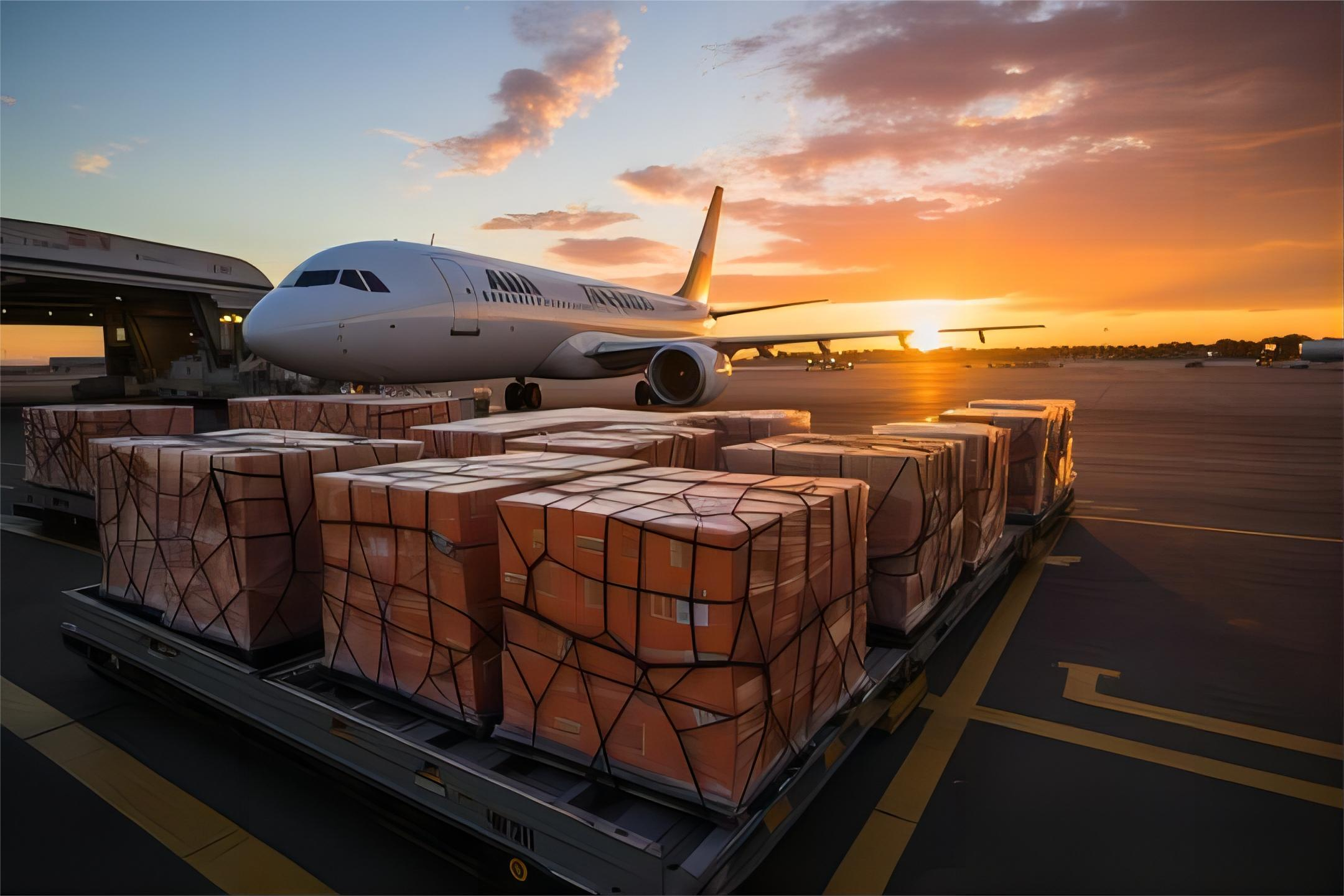
Top Freight Forwarder China to Australia: 2026 Shipping Guide
Navigating the complex logistics of international trade requires a partner who understands the nuances of the Pacific shipping routes. Finding a reliable freight forwarder china to australia is the most critical step for businesses looking to streamline their supply chain and reduce overhead costs. This guide explores the latest 2026 market trends, shipping methods, and cost-saving strategies to ensure your goods arrive safely and on time. Whether you are a first-time importer or an established enterprise, understanding the current logistics landscape will help you make informed decisions for your business growth.
Why You Need a Professional Freight Forwarder China to Australia
Managing international logistics involves coordinating multiple parties across different time zones and legal jurisdictions. Consequently, a professional freight forwarder china to australia acts as your single point of contact, handling everything from pickup to final delivery. They possess the local knowledge required to navigate both Chinese export regulations and Australian import requirements efficiently.
Moreover, the logistics industry in 2026 has become increasingly digitized, requiring sophisticated tracking systems and automated documentation. A dedicated forwarder provides these tools, ensuring you have real-time visibility over your cargo’s location and status. This transparency is vital for maintaining inventory levels and meeting customer expectations in the Australian market.
Additionally, freight forwarders leverage their relationships with major carriers to secure better rates than individual shippers could obtain. In fact, they often consolidate shipments from multiple clients to achieve economies of scale. This results in significant cost savings, especially for small to medium-sized enterprises importing smaller volumes of goods.
Furthermore, the complexities of the Australian Border Force regulations cannot be overstated. A seasoned forwarder understands the specific tariffs, duties, and quarantine requirements for various product categories. By ensuring all paperwork is accurate, they help you avoid costly delays and potential fines at the port of entry.
Comparing Sea Freight and Air Freight for Australian Imports
Choosing between different transport modes depends on your budget, cargo volume, and urgency. For instance, sea freight remains the most popular choice for large-scale shipments due to its cost-effectiveness. In 2026, many businesses continue to rely on ocean transport for bulk items, machinery, and consumer goods that do not require immediate delivery.
On the other hand, air freight offers unparalleled speed for high-value or perishable items. While it is more expensive, the reduced transit time can be a decisive factor for electronics or seasonal fashion. Most businesses utilize a mix of both methods depending on their specific supply chain needs and market demand fluctuations.
Therefore, evaluating the total landed cost is essential when making your selection. This calculation includes not only the freight rate but also insurance, duties, and local handling fees. Sometimes, the higher cost of air freight is offset by lower inventory holding costs and faster capital turnover.
| Feature | Sea Freight (FCL/LCL) | Air Freight | Express Service |
|---|---|---|---|
| Transit Time | 12-25 Days | 3-7 Days | 2-4 Days |
| Cost Level | Low | High | Very High |
| Weight Limit | Virtually Unlimited | Moderate | Low (<100kg) |
| Best For | Bulk/Large Cargo | High Value/Urgent | Samples/Documents |
Understanding Shipping Costs and Port Charges in 2026
Shipping costs are influenced by various factors, including fuel surcharges, seasonal demand, and carrier capacity. As of early 2026, the market has stabilized, yet rates remain sensitive to global economic shifts. For example, air freight rates often spike during the peak season between August and October.
Meanwhile, sea freight rates are typically quoted per container for Full Container Load (FCL) or per cubic meter for Less than Container Load (LCL). It is important to note that the base freight rate is only one part of the total expense. You must also account for origin charges in China, such as trucking and export documentation fees.
Similarly, destination charges in Australia can be substantial. These include terminal handling charges (THC), port service fees, and delivery to your warehouse. A transparent freight forwarder will provide a detailed breakdown of all these costs to avoid any hidden surprises upon arrival.
Note: Freight rates are subject to change based on fuel costs, carrier capacity, and seasonal demand. Contact us for a current quote tailored to your specific shipment.
| Route Type | 20GP Container | 40HQ Container | LCL (per CBM) |
|---|---|---|---|
| Shenzhen to Sydney | $850 – $1,150 | $1,450 – $1,950 | $45 – $75 |
| Shanghai to Melbourne | $900 – $1,250 | $1,550 – $2,100 | $50 – $80 |
| Ningbo to Brisbane | $880 – $1,200 | $1,500 – $2,000 | $48 – $78 |

Customs Clearance and Documentation for Australia
Navigating the legal requirements for importing goods into Australia is a complex task. Indeed, engaging a professional customs brokerage service is often the best way to ensure compliance. They handle the lodgment of Import Declarations and ensure that all necessary permits are in place before the cargo reaches the port.
Furthermore, Australia has strict biosecurity laws managed by the Department of Agriculture, Fisheries and Forestry. Certain goods, such as timber products or items containing organic material, require specific treatments or inspections. Failure to comply with these regulations can lead to your cargo being quarantined or even destroyed.
Additionally, you must provide accurate documentation, including a commercial invoice, packing list, and bill of lading. For shipments eligible under the China-Australia Free Trade Agreement (ChAFTA), a Certificate of Origin is required to claim reduced duty rates. Your forwarder will verify these documents to prevent administrative errors that could delay your shipment.
Consequently, understanding the Goods and Services Tax (GST) and customs duties is vital for your financial planning. Most imports are subject to a 10% GST, calculated on the value of the taxable importation. Working with an expert ensures that you pay the correct amount and claim any available exemptions or deferrals.
How Does Sea Freight Compare to Other Shipping Options?
While sea freight is the backbone of the China-Australia trade route, it is important to consider all available alternatives. In contrast to other global routes, there is no rail freight option for this specific journey due to the geographical separation of the two countries. Therefore, the primary comparison remains between ocean transport and air-based solutions.
However, hybrid solutions like sea-air combinations are occasionally used for shipments originating from inland China. In this scenario, goods are moved by sea to a regional hub like Singapore before being flown to Australia. This approach offers a middle ground between the cost of air freight and the transit time of sea freight.
Moreover, for very small parcels or urgent business documents, international courier services are the most efficient choice. These services provide a simplified customs process and rapid door-to-door delivery, though they are not economical for larger commercial volumes. Understanding these trade-offs allows you to optimize your logistics strategy based on the specific needs of each order.
| Shipping Method | Cost Range | Transit Time | Best For | Limitations |
|---|---|---|---|---|
| Sea Freight (FCL) | $1,400 – $2,000 | 15-22 Days | Large volumes | Slowest method |
| Sea Freight (LCL) | $50 – $90/CBM | 18-25 Days | Small businesses | Higher risk of damage |
| Air Freight | $4.50 – $7.50/kg | 3-7 Days | Urgent/High value | Very expensive |
| Express Courier | $8.00 – $12.00/kg | 2-4 Days | Samples/Docs | Size restrictions |
Which Option Should You Choose? Decision Framework
Selecting the right shipping method requires a balanced analysis of your priorities. If your primary goal is budget optimization, sea freight is almost always the preferred choice for shipments over 100kg. However, if you are facing a stock-out or have a tight deadline, the speed of air freight justifies the additional investment.
Specifically, for shipments under 15 CBM, LCL at $50-80/CBM may be more economical than a full container. Conversely, if your cargo exceeds 15 CBM, booking a 20GP container often becomes more cost-effective and provides better security for your goods. Always consider the nature of your cargo; fragile or sensitive items may benefit from the reduced handling involved in FCL shipping.
Additionally, door to door services are highly recommended for those who want a hassle-free experience. This service covers every step of the journey, including pickup in China, international freight, customs clearance, and final delivery to your Australian address. It simplifies the process and allows you to focus on running your business while the experts handle the logistics.

Real-World Case Studies: China to Australia Logistics
Case Study 1: Solar Panel Distribution. Route: Ningbo, China to Brisbane, Australia. Cargo: Photovoltaic panels, 28 CBM, 12,000 kg. Container: 40GP. Shipping Details: Direct route via Maersk. Cost Breakdown: Ocean Freight $1,650, Origin Charges $350, Destination Charges $550, Customs/Duties $1,200 (ChAFTA applied). Total Landed Cost: $3,750. Timeline: 18 days door-to-door. Key Insight: Utilizing ChAFTA documentation saved the client 5% on import duties, significantly improving their margins.
Case Study 2: Urgent Fashion Inventory. Route: Guangzhou, China to Melbourne, Australia. Cargo: Designer apparel, 1.5 CBM, 350 kg. Method: Air Freight. Shipping Details: Major carrier transshipment via Hong Kong. Cost Breakdown: Air Freight $2,100, Origin Charges $150, Destination Charges $200, Customs/Duties $450. Total Landed Cost: $2,900. Timeline: 5 days total. Key Insight: Despite higher costs, the rapid delivery allowed the retailer to capitalize on a sudden market trend, resulting in a full sell-through of the stock.
Case Study 3: Furniture Wholesale. Route: Foshan, China to Sydney, Australia. Cargo: Living room sets, 8 CBM, 2,500 kg. Method: LCL Sea Freight. Shipping Details: Consolidation service from Shenzhen port. Cost Breakdown: Ocean Freight $560, Origin Charges $220, Destination Charges $480, Customs/Duties $900. Total Landed Cost: $2,160. Timeline: 22 days. Key Insight: Choosing LCL allowed the wholesaler to ship smaller batches frequently, maintaining a steady flow of inventory without overstocking their warehouse.
Strategies to Reduce Your Shipping Costs
Reducing your logistics expenses requires proactive planning and smart decision-making. One effective strategy is to consolidate multiple orders from different suppliers into a single shipment. By doing so, you minimize the per-unit cost of documentation and local handling fees at both ends of the journey.
Furthermore, optimizing your packaging can lead to significant savings. In 2026, freight rates are often calculated based on volumetric weight, so reducing the size of your boxes without compromising protection is essential. For instance, using flat-pack designs for furniture or vacuum-sealing textiles can dramatically reduce the total cubic volume of your cargo.
Moreover, booking your shipments well in advance helps you secure lower rates and guaranteed space on vessels. Last-minute bookings often come with premium price tags and a higher risk of being bumped during peak seasons. We recommend planning your logistics at least 3-4 weeks before the cargo is ready for pickup to ensure the best possible terms.
Finally, always consult with your Australia shipping expert to identify the most efficient routes. Sometimes, shipping to a different port and using local road transport can be cheaper than a direct sea route to your nearest city. A knowledgeable partner will always look for these opportunities to save you money.
Mastering Your Logistics from China to Australia
Successfully importing goods from China to Australia in 2026 requires a strategic approach and a reliable logistics partner. By understanding the differences between sea and air freight, navigating customs regulations accurately, and implementing cost-saving measures, you can significantly enhance your competitive advantage. A professional freight forwarder china to australia is more than just a service provider; they are a strategic asset for your international trade operations.
As market conditions continue to evolve, staying informed about the latest trends and rates will ensure your business remains resilient. Remember to prioritize transparency, compliance, and efficiency in every shipment. With the right planning and support, the logistics of trans-Pacific trade can be a seamless part of your business success.

Start Your Shipment
Streamline your supply chain today with a trusted partner who understands the intricacies of the China-Australia route. Whether you need a competitive sea freight quote or urgent air cargo assistance, our team is ready to provide a customized solution for your business. Contact us now to request a free, no-obligation quote and experience the difference of professional logistics management for your next shipment. Visit alibabaforwarder.com to get started with your freight forwarder china to australia.
Request Quote