

China to Europe Shipping Affordable Italy: The Complete 2025 Guide
Finding China to Europe shipping affordable Italy services is essential for maintaining healthy profit margins in today’s competitive market. Many importers struggle with rising costs and unpredictable schedules, which can significantly disrupt the supply chain. Consequently, choosing the right freight partner ensures your business remains resilient while keeping logistics expenses under control. This guide explores the most cost-effective ways to move goods from Chinese hubs to Italian ports and cities.
What Are the Most Affordable Shipping Methods to Italy?
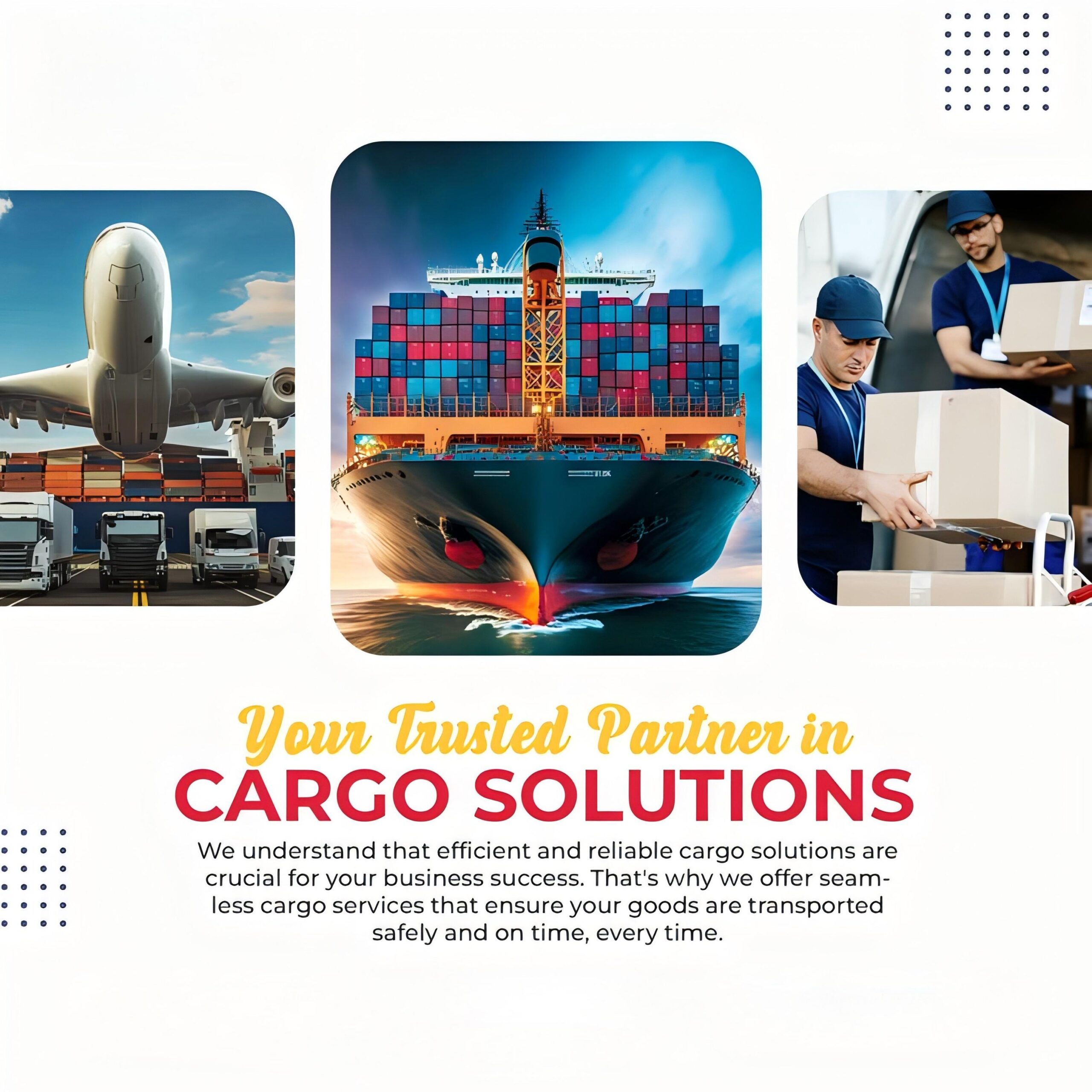
Several options exist for transporting goods from China to Italy, each offering different balances of speed and price. Specifically, sea freight remains the most popular choice for bulk items due to its low cost per unit. Moreover, the vast network of ports in both China and Italy allows for flexible routing options. Therefore, businesses often prioritize this method when transit time is not the primary concern.
Additionally, rail freight has emerged as a powerful alternative for those seeking a middle ground. It provides faster delivery than sea freight while remaining significantly cheaper than air transport. Consequently, many electronics and automotive parts suppliers utilize the Silk Road rail routes to reach northern Italian industrial hubs. Indeed, this method has become a staple for modern supply chain management.
| Method | Cost Level | Transit Time | Best For |
|---|---|---|---|
| Sea Freight | Lowest | 30-45 Days | Bulk Cargo |
| Rail Freight | Medium | 18-25 Days | Mid-size loads |
| Air Freight | High | 5-10 Days | Urgent Goods |
| Express | Highest | 3-5 Days | Small Parcels |
How Does China to Europe Shipping Affordable Italy Compare to Other Options?
While sea freight costs $2,000 to $4,000 for a 40HQ container, air freight for the same volume would cost $15,000 to $25,000. However, the air option arrives in less than a week, whereas the sea route takes over a month. Furthermore, for shipments under 15 CBM, LCL at $50 to $100 per CBM may be more economical than booking a full container. Consequently, the choice depends heavily on your specific volume and urgency.
Direct routes typically cost 10% to 15% more but save significant time by avoiding transshipment hubs like Singapore. On the other hand, choosing a transshipment route can lower the ocean freight rate if your schedule allows for a longer transit. Meanwhile, rail-sea combinations are becoming popular for reaching landlocked regions more efficiently. Thus, analyzing all alternatives is vital for cost optimization.
| Option | Cost Range | Transit Time | Limitations |
|---|---|---|---|
| Direct Sea | $2,500-$3,500 | 30 Days | Higher Price |
| Transshipment | $1,800-$2,800 | 40 Days | Delay Risk |
| FCL Shipping | $3,000-$4,200 | 32 Days | Requires Volume |
| LCL Shipping | $50-$120/CBM | 35 Days | Handling Risk |
Why is China to Europe Shipping Affordable Italy the Best Choice for SMEs?
Small and medium enterprises often operate on tight margins, making logistics costs a critical factor for success. By utilizing sea freight, these businesses can import larger quantities at a fraction of the cost of air transport. Furthermore, consolidated shipping allows smaller players to share container space, further reducing the financial burden. Therefore, LCL services are a cornerstone for growing Italian businesses.
Moreover, the predictability of sea schedules allows for better inventory planning and warehouse management. Although delays can occur, the established nature of the China-Italy sea route provides a level of reliability that supports consistent sales cycles. Additionally, many forwarders offer specialized services for SMEs to simplify the complex documentation process. Consequently, even small businesses can compete on a global scale.
How to Optimize China to Europe Shipping Affordable Italy Routes?
Optimizing your route begins with selecting the right port of loading in China, such as Ningbo or Shenzhen. Specifically, choosing a port closer to your manufacturer reduces domestic trucking costs and minimizes the risk of inland delays. Furthermore, selecting the most efficient port of discharge in Italy, like Genoa or Trieste, can significantly impact the final delivery time. Therefore, geographical strategy is just as important as the freight rate itself.
Additionally, using rail freight for northern Italian destinations can bypass congested southern ports. This strategy is particularly effective for high-value goods that require a faster turnaround than sea freight but cannot justify air costs. Meanwhile, digital tracking tools allow importers to monitor their cargo in real-time, enabling proactive adjustments to the supply chain. Thus, technology plays a major role in modern logistics optimization.
Can Air Freight Be Budget-Friendly for Italy?
Air transport is generally perceived as the most expensive option for international logistics. However, air freight can be cost-effective for high-margin products or urgent inventory restocks. For example, if a stockout results in lost sales that exceed the cost of the flight, air freight becomes the logical financial choice. Consequently, businesses must calculate the total landed cost rather than just the freight rate.
Furthermore, air shipping reduces the need for extensive safety stock, which lowers warehousing and insurance expenses. Since the transit time is minimal, capital is tied up for a shorter period, improving the overall cash flow of the company. Additionally, smaller shipments often benefit from flat-rate air express services. Therefore, air freight should be viewed as a strategic tool for specific business scenarios.
Understanding Customs Brokerage and Duties in Italy
Navigating the Italian customs system requires a deep understanding of EU regulations and local tax laws. Specifically, hiring a professional customs brokerage service can prevent costly delays and fines. These experts ensure that all HS codes are correctly classified and that the necessary VAT payments are handled efficiently. Moreover, they stay updated on changing trade policies between China and the European Union.
Furthermore, accurate documentation is the most critical factor in a smooth customs clearance process. Missing or incorrect invoices can lead to cargo being held at the port for weeks, incurring significant demurrage charges. Additionally, certain products may require specific certifications or inspections upon arrival in Italy. Consequently, proactive preparation and expert guidance are essential for maintaining an affordable shipping strategy.
Which Option Should You Choose for Your Italy Shipments?
Choosing the right method depends on your primary business objectives and the nature of your cargo. If your priority is the lowest possible cost and you have a flexible schedule, sea freight is the clear winner. However, if you need to balance speed and budget for industrial components, rail freight offers the most value. Meanwhile, urgent fashion or electronics shipments are best suited for air or express services.
Volume also plays a significant role in the decision-making framework. For shipments exceeding 15 CBM, booking a full 20GP container is often more economical than paying multiple LCL fees. Conversely, for very small parcels under 100kg, express couriers provide the best door-to-door convenience. Therefore, evaluating your shipment size alongside your deadline is the first step in selecting a logistics path.
Real-World Case Studies: Shipping from China to Italy
Case Study 1: Electronics from Shenzhen to Milan. Cargo: Consumer electronics, 8 CBM, 1500kg. Method: Rail Freight. Port of Loading: Chengdu. Port of Discharge: Verona (via rail). Cost Breakdown: Rail Freight $1,800, Origin Charges $250, Destination Charges $300, Total Landed $2,350. Timeline: 22 Days. Key Insight: Rail provided a 15-day saving over sea freight at a manageable price point for high-value electronics.
Case Study 2: Furniture from Ningbo to Genoa. Cargo: Home furniture, 68 CBM. Method: Sea Freight (FCL). Container: 40HQ. Port of Loading: Ningbo. Port of Discharge: Genoa. Cost Breakdown: Ocean Freight $3,200, Origin Charges $400, Destination Charges $550, Total Landed $4,150. Timeline: 34 Days. Key Insight: Using a 40HQ container maximized volume efficiency, bringing the cost per CBM down to approximately $61.
Case Study 3: Industrial Parts from Guangzhou to Rome. Cargo: Spare parts, 2 CBM, 400kg. Method: Sea Freight (LCL). Port of Loading: Guangzhou. Port of Discharge: Civitavecchia. Cost Breakdown: Ocean Freight $180, Origin/Doc Fees $150, Destination Fees $220, Total Landed $550. Timeline: 38 Days. Key Insight: LCL allowed the small business to import specialized parts without the high cost of a full container or air freight.
How to Reduce Your Shipping Costs from China to Italy?
Reducing costs requires a combination of smart planning and negotiation with your freight forwarder. Specifically, consolidating multiple small orders into a single LCL or FCL shipment can drastically lower your per-unit expenses. Furthermore, shipping during the off-peak season, typically from March to June, can save you up to 20% on freight rates. Consequently, timing your production cycles can lead to significant annual savings.
Additionally, optimizing your packaging to reduce wasted space within the container is a simple yet effective strategy. Using door to door services can also eliminate hidden middleman fees by providing a single, transparent quote. Moreover, staying informed about the latest shipping from China to Europe trends helps you anticipate price fluctuations. Thus, a proactive approach to logistics management always pays off.
Final Thoughts on Affordable Shipping to Italy
Mastering the logistics of China to Europe shipping affordable Italy is a vital skill for any modern importer. By understanding the differences between sea, rail, and air freight, you can make informed decisions that protect your bottom line. Furthermore, working with experienced partners ensures that customs and documentation are handled without unnecessary stress. Ultimately, a well-planned shipping strategy is a competitive advantage in the global marketplace.
Note: Freight rates are subject to change based on fuel costs, carrier capacity, and seasonal demand. Contact us for a current quote tailored to your specific shipment.
Ready to streamline your logistics?
Are you looking for the most efficient way to manage your China to Europe shipping affordable Italy routes? Our team of experts is ready to provide you with a customized quote that fits your budget and timeline. Contact us today to optimize your logistics and grow your business with confidence. Visit our inquiry page to get started.
Request Quote