


2026 Guide to Shipping Rates China USA Europe Amazon FBA
Navigating the complexities of international logistics requires a deep understanding of current market dynamics and cost structures. Securing competitive shipping rates china usa europe amazon fba is essential for sellers looking to maintain healthy profit margins in the 2026 e-commerce landscape. This guide provides comprehensive data and strategic analysis to help you choose the most efficient freight solutions for your specific business needs.
Understanding Shipping Rates China USA Europe Amazon FBA in 2026
Global trade conditions have evolved significantly as we enter 2026, with technology and infrastructure improvements driving new efficiencies. Consequently, businesses must stay informed about the latest pricing trends to remain competitive in the saturated Amazon marketplace. Many factors, including fuel surcharges and port handling fees, contribute to the final landed cost of your inventory.
Choosing the right logistics partner can make the difference between a profitable quarter and a logistical nightmare. Furthermore, understanding the nuances of different shipping zones across North America and the European Union allows for better inventory placement. Therefore, sellers should prioritize transparency and reliability when evaluating freight quotes from various providers.
Market data suggests that while some routes have stabilized, others remain sensitive to geopolitical shifts and seasonal demand spikes. Additionally, the integration of smart tracking systems has become a standard requirement for modern supply chains. Indeed, visibility into your shipment’s journey is no longer a luxury but a fundamental necessity for effective inventory management.
How Does Sea Freight Compare to Other Shipping Options?
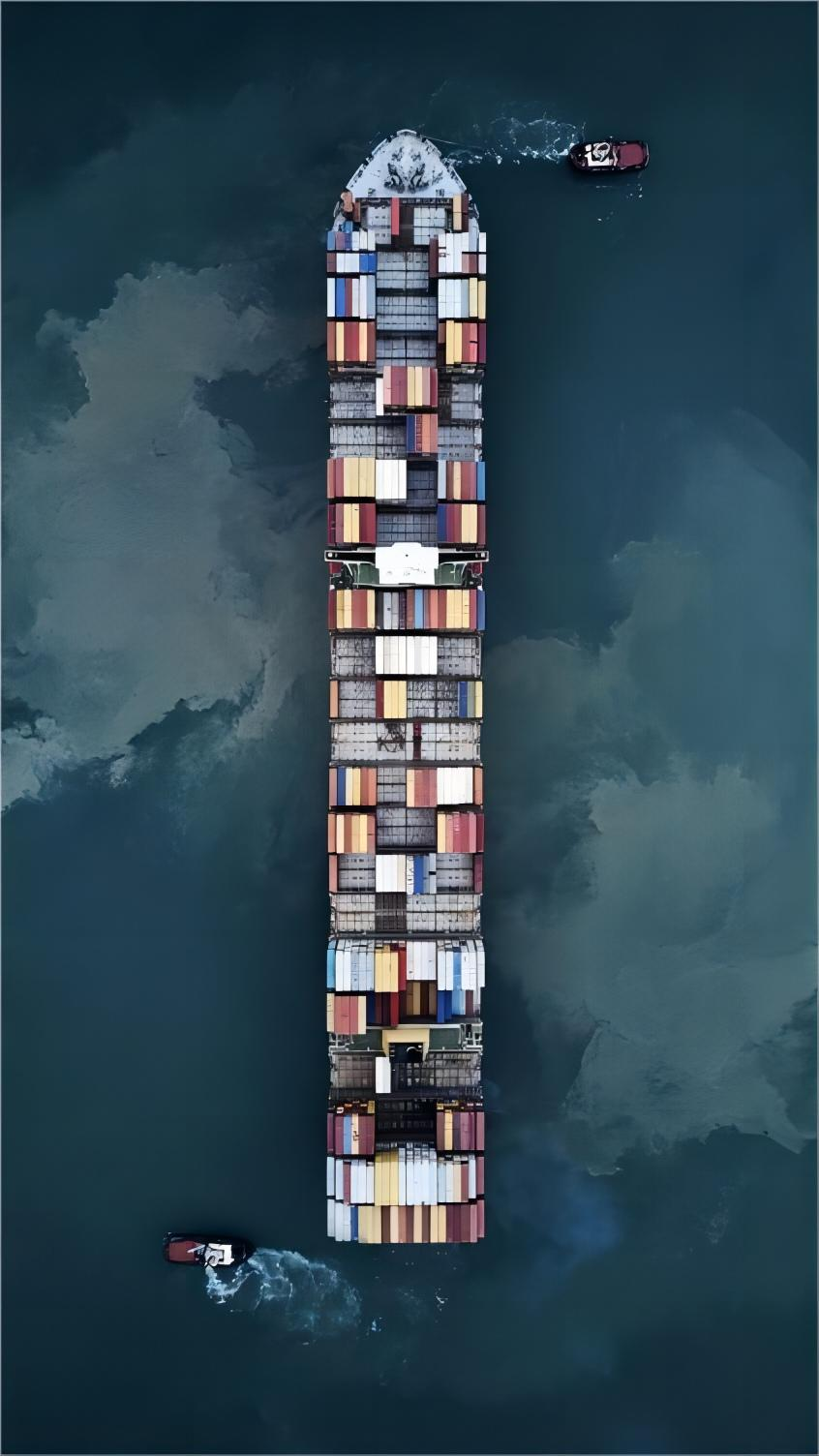
Choosing sea freight remains the most popular choice for high-volume Amazon sellers due to its unmatched cost-effectiveness. Specifically, this method allows for the transport of heavy or bulky items that would be prohibitively expensive to ship by air. However, the primary trade-off is the significantly longer transit time, which requires meticulous planning and early booking.
Moreover, sea freight options are divided into Full Container Load (FCL) and Less than Container Load (LCL) services. While FCL offers better security and faster handling for large shipments, LCL is an excellent alternative for smaller batches of inventory. Consequently, many growing brands utilize LCL to test new products without committing to massive shipping volumes upfront.
Industry benchmarks for 2026 indicate that ocean freight rates have reached a new equilibrium after the disruptions of previous years. Nevertheless, peak season surcharges during the late summer and autumn months can still impact your bottom line. As a result, savvy importers often negotiate long-term contracts to lock in favorable rates and ensure space availability during high-demand periods.
| Shipping Method | Cost Range | Transit Time | Best For |
|---|---|---|---|
| Sea Freight (FCL) | $3,000 – $6,000 | 25 – 45 Days | High volume bulk cargo |
| Air Freight | $5.00 – $12.00/kg | 3 – 7 Days | Time-sensitive stock |
| Rail Freight | $1.50 – $3.50/kg | 15 – 22 Days | China to Europe routes |
| Express Service | $8.00 – $15.00/kg | 2 – 5 Days | Small samples or urgent |

Why Air Freight is Essential for Fast Amazon Restocking
Utilizing air freight is often the best strategy when you need to prevent out-of-stock scenarios on Amazon. Although the costs are higher, the speed of delivery ensures that you can capitalize on unexpected sales surges or seasonal trends. Additionally, air transport reduces the risk of damage and theft compared to longer sea voyages.
Therefore, many sellers adopt a hybrid shipping strategy that combines air and sea transport to balance speed and cost. For example, you might ship 20 percent of your inventory via air to maintain immediate availability while the remaining 80 percent travels by sea. This approach optimizes your cash flow while safeguarding your Amazon Best Seller Rank.
Notably, air cargo pricing in 2026 is influenced by global aviation fuel costs and available belly capacity on passenger flights. Furthermore, specialized air express services offer door-to-door convenience, handling everything from pickup to final delivery. Ultimately, the higher investment in air shipping is often justified by the rapid turnover of capital it enables.
Rail Freight: The Middle Ground for China to Europe Routes
Implementing rail freight provides a compelling alternative for shipments destined for Europe. This method offers a perfect balance, being faster than sea freight and significantly cheaper than air cargo. Specifically, the Iron Silk Road has become a reliable corridor for electronic goods and consumer products moving westward.
However, it is important to note that rail freight is not an option for North American routes due to geographical constraints. Meanwhile, for European sellers, rail offers a more sustainable shipping option with a lower carbon footprint than air transport. Consequently, eco-conscious brands are increasingly choosing rail to align with their corporate social responsibility goals.
In addition, rail services often include robust tracking and fixed schedules, which simplifies the planning process for Amazon FBA inventory. Moreover, the transit times typically range from 15 to 22 days, depending on the specific departure terminal in China. Therefore, rail freight serves as an excellent contingency plan when sea ports face congestion or delays.
Factors Influencing Shipping Rates China USA Europe Amazon FBA
Understanding the variables that dictate Amazon FBA shipping costs is vital for accurate budgeting. To begin with, the physical weight and volumetric weight of your packages are the primary determinants of the base rate. Furthermore, the distance between the port of origin and the destination fulfillment center significantly impacts the final price.
Indeed, fuel surcharges fluctuate weekly based on global oil prices, adding a layer of variability to your logistics expenses. Additionally, peak season demand during the fourth quarter often leads to increased rates and limited capacity across all transport modes. As a result, many successful sellers book their shipments several weeks in advance to avoid last-minute price hikes.
Significantly, the type of goods you are importing can also affect the total cost through specialized handling requirements or higher insurance premiums. For instance, hazardous materials or high-value electronics require extra care and documentation. Thus, providing accurate product descriptions to your freight forwarder is essential for obtaining a precise and binding quote.
Which Option Should You Choose? Decision Framework
Selecting the ideal shipping method requires a careful evaluation of your budget, timeline, and product characteristics. In contrast to high-margin items, low-cost goods usually require sea freight to remain profitable after all fees are deducted. On the other hand, if your priority is speed to market, air freight is the undisputed winner despite the premium cost.
Moreover, you must consider the volume of your shipment when deciding between LCL and FCL ocean transport. Typically, shipments larger than 15 cubic meters are more cost-effective when sent via a full 20-foot container. Conversely, smaller shipments benefit from the shared space and lower entry cost of LCL services.
Ultimately, a diversified shipping strategy often yields the best results for established Amazon businesses. By utilizing a mix of sea, air, and potentially rail freight, you can mitigate risks and optimize your logistics spend. Therefore, regularly reviewing your shipping data and adjusting your approach based on market conditions is a hallmark of a sophisticated supply chain.
| Route | 20GP Container | 40HQ Container | Avg. Transit |
|---|---|---|---|
| China to USA West | $1,800 – $2,500 | $3,200 – $4,200 | 14 – 20 Days |
| China to USA East | $2,800 – $3,800 | $4,500 – $6,200 | 30 – 35 Days |
| China to UK/EU | $2,200 – $3,000 | $3,800 – $4,800 | 30 – 40 Days |
| China to Australia | $900 – $1,400 | $1,600 – $2,200 | 12 – 18 Days |
Real-World Case Studies and Logistics Examples
Reviewing actual shipping scenarios can provide valuable context for your own logistics planning. For example, consider a recent shipment of consumer electronics from Shenzhen to a fulfillment center in North America. The seller chose a hybrid approach to meet a tight launch deadline while keeping overall costs manageable.
Case Study 1: LCL Shipment to USA West Coast Route: Shenzhen to Los Angeles Cargo: Home Decor, 8 CBM, 1,200 kg Shipping Method: Sea Freight LCL Ocean Freight: $950 Origin/Destination Charges: $450 Customs and Duties: $320 Total Landed Cost: $1,720 Timeline: 24 Days Door-to-Door Key Insight: Consolidating multiple SKUs into one LCL shipment saved the seller 15 percent compared to individual express shipments.
Case Study 2: FCL Shipment to Europe Route: Ningbo to Hamburg Cargo: Fitness Equipment, 40HQ Container Shipping Method: Sea Freight FCL Ocean Freight: $4,100 Origin/Destination Charges: $850 Customs and Duties: $1,100 Total Landed Cost: $6,050 Timeline: 36 Days Door-to-Door Key Insight: Booking 4 weeks in advance allowed the seller to secure a rate $400 below the peak market average in early 2026.
Case Study 3: Urgent Air Freight for Q4 Route: Shanghai to Chicago Cargo: Seasonal Apparel, 500 kg Shipping Method: Air Freight Air Freight Cost: $3,250 Customs Clearance: $150 Total Landed Cost: $3,400 Timeline: 6 Days Door-to-Door Key Insight: Despite high costs, the rapid delivery allowed the seller to restock a top-selling item during the Black Friday peak, generating $15,000 in additional revenue.
Alternative Strategies for Cost Reduction
Managing your logistics budget effectively requires more than just finding the lowest initial quote. Instead, you should focus on optimizing your packaging to reduce dimensional weight and maximize container utilization. Furthermore, working with a provider that offers door to door services can eliminate hidden middleman fees.
In addition, consider using bonded warehouses in China to store inventory and ship only what is needed to Amazon FBA centers. This strategy reduces long-term storage fees at Amazon while maintaining a quick response time for restocking. Consequently, you can maintain a leaner inventory model without risking stockouts during peak periods.
Another effective tactic involves auditing your customs classifications to ensure you are not overpaying on duties. Specifically, using a professional customs brokerage service can help you identify more accurate HTS codes for your products. Significantly, even a 2 percent reduction in duty rates can result in thousands of dollars in annual savings for high-volume importers.
Which Option Should You Choose for Your Business?
Every Amazon business has unique requirements based on its growth stage and product niche. To summarize, startups with limited capital should prioritize sea freight LCL to keep overhead low while building their brand presence. Meanwhile, established sellers with high turnover should leverage FCL contracts to maximize their economies of scale.
Furthermore, if you are launching a new product, consider a small air shipment for initial reviews followed by a larger sea shipment for sustained sales. This balanced approach allows you to gather market data quickly without over-investing in logistics for an unproven item. As a result, you can make data-driven decisions that protect your capital and support long-term growth.
Finally, always request detailed quotes that include all potential surcharges to avoid unpleasant surprises upon delivery. Indeed, transparency in pricing is the foundation of a healthy partnership with your freight forwarder. Thus, by following the frameworks provided in this guide, you can confidently navigate the world of international shipping and secure the best possible rates.
Mastering Global Logistics for Amazon Success
Successfully managing shipping rates china usa europe amazon fba is a continuous process of analysis and adjustment. By understanding the strengths and weaknesses of sea, air, and rail freight, you can build a resilient supply chain that supports your business goals. Moreover, leveraging the expertise of a professional freight forwarder ensures that you stay ahead of market trends and regulatory changes.
Remember that the cheapest option is not always the most profitable if it leads to stockouts or damaged goods. Therefore, prioritize a balance of cost, speed, and reliability to ensure your Amazon FBA operations run smoothly throughout 2026. With the right strategy and partners, you can turn your logistics into a significant competitive advantage in the global marketplace.
Need a tailored shipping solution?
Optimizing your supply chain starts with accurate data and professional support. Contact our team today to receive a personalized quote for your next shipment and discover how we can help you secure the most competitive shipping rates china usa europe amazon fba in 2026. Let us handle the logistics so you can focus on growing your Amazon business.