

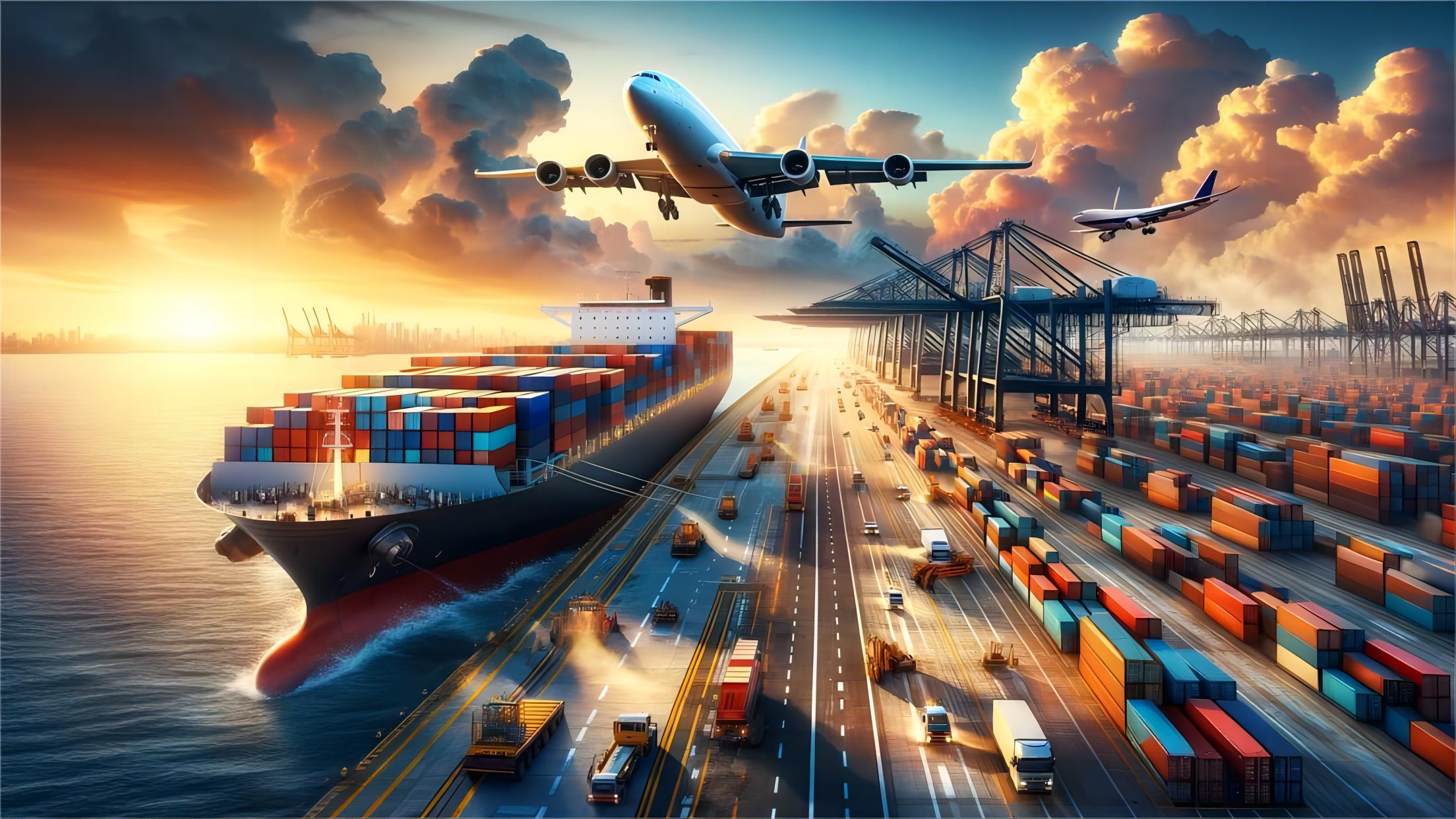
2026 Shipping Rates China to Europe: Comprehensive Freight Cost Guide
Shipping rates china to europe have evolved significantly as we move into 2026, presenting both challenges and opportunities for global importers. Navigating these fluctuating costs requires a strategic partner like alibabaforwarder.com to ensure your supply chain remains both efficient and cost-effective. Consequently, businesses must stay informed about the latest logistics trends to maintain a competitive edge in the European market.

Current Market Landscape for Shipping Rates China to Europe
Market conditions in early 2026 show a stabilization in freight pricing following the disruptions of previous years. Furthermore, the expansion of port infrastructure in both regions has helped mitigate the severe congestion that once drove prices to record highs.
Importers targeting Europe should note that seasonal demand still plays a pivotal role in pricing. Specifically, rates often spike during the pre-Lunar New Year rush and the late summer peak season.
Additionally, fuel surcharges remain a variable factor that logistics managers must monitor closely. Therefore, locking in long-term contracts can provide a level of budget certainty that spot rates cannot offer.
Technological advancements in tracking and vessel efficiency are also influencing the overall cost structure. Indeed, many carriers now offer greener shipping options, which may carry a slight premium but help companies meet strict environmental regulations.
Primary Factors Influencing Your Total Freight Costs
Fuel prices serve as the most volatile component of any shipping quote. When oil prices fluctuate, carriers immediately apply bunker adjustment factors to their base rates to protect their margins.
Capacity availability also dictates whether you will pay a premium or enjoy a discount. For instance, during periods of low demand, carriers may blank sailings to reduce supply and artificially maintain higher price levels.
Currency fluctuations between the US Dollar, Euro, and Chinese Yuan can further complicate your financial planning. Consequently, many savvy traders use hedging strategies to minimize the impact of exchange rate volatility on their landed costs.
Port fees and terminal handling charges contribute a significant portion to the final bill. Meanwhile, inland haulage costs from the factory to the port of loading must also be factored into your initial budget.
Sea Freight: The Traditional Choice for Bulk Shipments
Choosing sea freight remains the most popular method for moving large volumes of goods across the Eurasian continent. This method offers the lowest cost per unit, making it ideal for non-urgent inventory and heavy machinery.
Full Container Load or FCL shipping provides the best security and speed for businesses with enough volume to fill a 20ft or 40ft container. On the other hand, Less than Container Load or LCL allows smaller businesses to share space and costs with other shippers.
Transit times for ocean transport typically range from 30 to 45 days depending on the specific port rotation. However, choosing direct routes to major hubs like Rotterdam or Hamburg can shave several days off the total journey time.
Below is a breakdown of typical container pricing for the current 2026 market cycle.
| Container Type | Average Cost (USD) | Capacity (CBM) | Best For |
|---|---|---|---|
| 20GP Container | $1,900 – $2,600 | 33 CBM | Heavy/Dense Goods |
| 40GP Container | $2,900 – $3,900 | 67 CBM | General Cargo |
| 40HQ Container | $3,100 – $4,300 | 76 CBM | Voluminous Goods |
| LCL (per CBM) | $60 – $95 | Variable | Small Shipments |
Air Freight: Prioritizing Speed for High-Value Cargo
Utilizing air freight is the preferred strategy for electronics, fashion, and perishable items that require rapid delivery. While the costs are significantly higher than sea transport, the reduction in transit time can be vital for maintaining inventory levels.
Standard air service usually delivers cargo within 5 to 8 days, including customs processing. Furthermore, express options can reduce this window to as little as 3 days for urgent document or sample deliveries.
Weight and volume both play a role in determining air freight pricing through the chargeable weight calculation. Therefore, optimizing your packaging to reduce dead space is essential for keeping your air transport expenses under control.
Market data suggests that air rates have remained relatively stable in 2026 due to increased belly cargo capacity in passenger planes. Nevertheless, peak season surcharges still apply during the final quarter of the year.
Rail Freight: A Faster Alternative to the Sea
Selecting rail freight has become an increasingly attractive option for businesses looking for a middle ground between sea and air. The Silk Road rail routes connect major Chinese hubs like Xi’an and Chengdu directly to European terminals.
Transit times for rail typically hover around 15 to 22 days, which is roughly half the time of sea freight. Consequently, this method is perfect for seasonal products that missed the ocean window but do not justify the cost of air transport.
Rail shipping also offers a more environmentally friendly profile compared to air travel. In addition, the stability of rail pricing makes it a reliable choice for long-term supply chain planning in 2026.
Moreover, the infrastructure along the Eurasian land bridge has improved, leading to fewer delays at border crossings. This consistency has boosted the confidence of European importers in rail logistics.
How Does Sea Freight Compare to Other Shipping Options?
Analyzing the trade-offs between different shipping modes is crucial for optimizing your logistics budget. While sea freight offers the lowest price point, the long lead times require significant capital to be tied up in inventory for weeks.
In contrast, air freight offers unmatched speed but can cost up to ten times more than ocean transport for the same weight. Rail freight serves as a strategic compromise, offering moderate speeds at a price point that remains manageable for many high-mid tier products.
Hybrid solutions like sea-air combinations are also gaining traction in 2026. For example, cargo can be shipped by sea to Dubai or Singapore and then flown to Europe to balance cost and speed.
The following table provides a direct comparison of the primary shipping methods available for the China to Europe route.
| Shipping Method | Cost Range | Transit Time | Limitations |
|---|---|---|---|
| Sea Freight | Lowest ($) | 30-45 Days | Slowest Speed |
| Rail Freight | Moderate ($$) | 15-22 Days | Limited Capacity |
| Air Freight | Highest ($$$$) | 5-8 Days | Weight Limits |
| Sea-Air Hybrid | High ($$$) | 18-25 Days | Complex Handling |
Which Option Should You Choose?
Budget priority dictates that you should almost always choose sea freight for non-perishable goods. If your profit margins are slim, the cost savings of ocean transport will be your most significant advantage.
Speed priority becomes the deciding factor when dealing with stockouts or product launches. In these cases, air freight is the only viable option to meet tight deadlines and satisfy customer demand.
Cargo type considerations also play a role; for instance, hazardous materials or extremely oversized equipment may have limited options. Always consult with your forwarder to ensure your specific cargo complies with international rail or air regulations.
Volume thresholds often determine the shift from LCL to FCL. Once your shipment exceeds 15 cubic meters, booking a full 20ft container usually becomes more economical than paying for individual space in a shared container.
Navigating Customs and Hidden Logistics Fees
Professional customs brokerage services are essential for avoiding costly delays at the European border. Each country within the EU may have slightly different local requirements despite the unified customs union.
Import duties and Value Added Tax or VAT represent the largest additional expenses beyond the freight rate itself. Therefore, calculating your total landed cost accurately requires a deep understanding of HS codes and trade agreements.
Documentation errors are the leading cause of port storage fees, also known as demurrage and detention. To prevent this, ensure all commercial invoices, packing lists, and bills of lading are perfectly aligned before the ship arrives.
Inspection fees may also occur if customs authorities decide to perform a physical check of your container. While these are unpredictable, maintaining a clean shipping history can reduce the frequency of such audits.
Door to Door and Specialized Shipping Services
Choosing door to door shipping simplifies the entire process by consolidating all logistics steps into a single quote. This service covers everything from factory pickup in China to final delivery at your warehouse in Europe.
Amazon FBA sellers specifically benefit from specialized prep and shipping services that ensure compliance with strict warehouse requirements. Consequently, using a forwarder familiar with the FBA ecosystem can prevent rejected shipments and additional labeling fees.
Insurance is another critical component that should never be overlooked during the shipping process. Indeed, for a small percentage of the cargo value, you can protect your investment against theft, damage, or loss at sea.
Furthermore, last-mile delivery in Europe has become more efficient thanks to integrated courier networks. Whether your goods arrive by sea or rail, the final leg of the journey is now faster than ever in 2026.
Real-World Shipping Case Studies
Case Study 1: High-Volume Electronics Distribution. Route: Shenzhen to Rotterdam. Cargo: 1,500 units of smart home devices, 72 CBM. Container: 40HQ. Shipping Details: Ocean freight via major carrier, direct route. Cost Breakdown: Ocean freight $3,450, Origin charges $450, Destination charges $600, Total Landed Cost $4,500. Timeline: 32 days door-to-door. Key Insight: Booking 4 weeks in advance secured a rate 15 percent below the spot market average.
Case Study 2: Urgent Automotive Components. Route: Shanghai to Hamburg. Cargo: Precision engine parts, 450 kg. Shipping Method: Air Freight. Cost Breakdown: Air freight $2,100, Customs and duties $800, Total Landed Cost $2,900. Timeline: 6 days door-to-door. Key Insight: Using express customs clearance prevented a production line shutdown in Germany.
Case Study 3: Seasonal Fashion Apparel. Route: Chengdu to Warsaw. Cargo: 20 CBM of summer clothing. Shipping Method: Rail Freight (LCL). Cost Breakdown: Rail freight $1,800, Total Landed Cost $2,300. Timeline: 19 days. Key Insight: Rail provided the perfect balance for a mid-season restock that was too heavy for air but too urgent for sea.
Mastering Your Logistics Strategy for 2026
Summarizing the current landscape, shipping rates china to europe are manageable for businesses that plan ahead and choose the right transport mode. While sea freight remains the backbone of global trade, rail and air options provide necessary flexibility for modern supply chains.
Therefore, staying informed about market trends and maintaining a strong relationship with a reliable freight forwarder will ensure your business thrives. Without a doubt, the right logistics strategy is a powerful tool for achieving long-term profitability in the European market.
Get Your Shipping Quote Today
Securing competitive shipping rates china to europe is the first step toward a successful international trade venture. Contact our expert team today to receive a customized quote that optimizes your transit times and minimizes your logistics expenses. Visit our inquiry page to start your shipment.
Request Quote