
Shipping Quote China to UK: 2026 Freight Rates and Logistics Guide
Securing a reliable shipping quote China to UK is the first step toward building a resilient international supply chain. As we move through 2026, market dynamics have shifted, making it essential for businesses to understand the latest pricing structures and transit options. This guide provides a detailed breakdown of logistics costs and methods to help you navigate the complexities of importing goods into the United Kingdom efficiently.
✦
What Factors Determine Your Shipping Quote China to UK?
Several critical variables influence the final price you see on a freight estimate. Most importantly, the weight and volume of your cargo dictate whether you should choose sea, air, or rail transport. Furthermore, seasonal demand significantly impacts rates, with prices typically rising during the peak months of August through October.
Fuel surcharges and port congestion fees also play a major role in fluctuating costs. Consequently, many importers now seek fixed-rate contracts to avoid the volatility of the spot market. Additionally, the specific location of your supplier in China can add inland trucking costs if they are far from major hubs like Shenzhen or Shanghai.
Calculating Chargeable Weight
Logistics providers use the concept of chargeable weight to ensure fair pricing for both heavy and bulky items. For instance, air freight utilizes a volumetric divisor of 6000, while sea freight usually calculates costs based on cubic meters. Therefore, optimizing your packaging can lead to substantial savings on your overall shipping quote.
How Does Sea Freight Compare to Other Shipping Options?
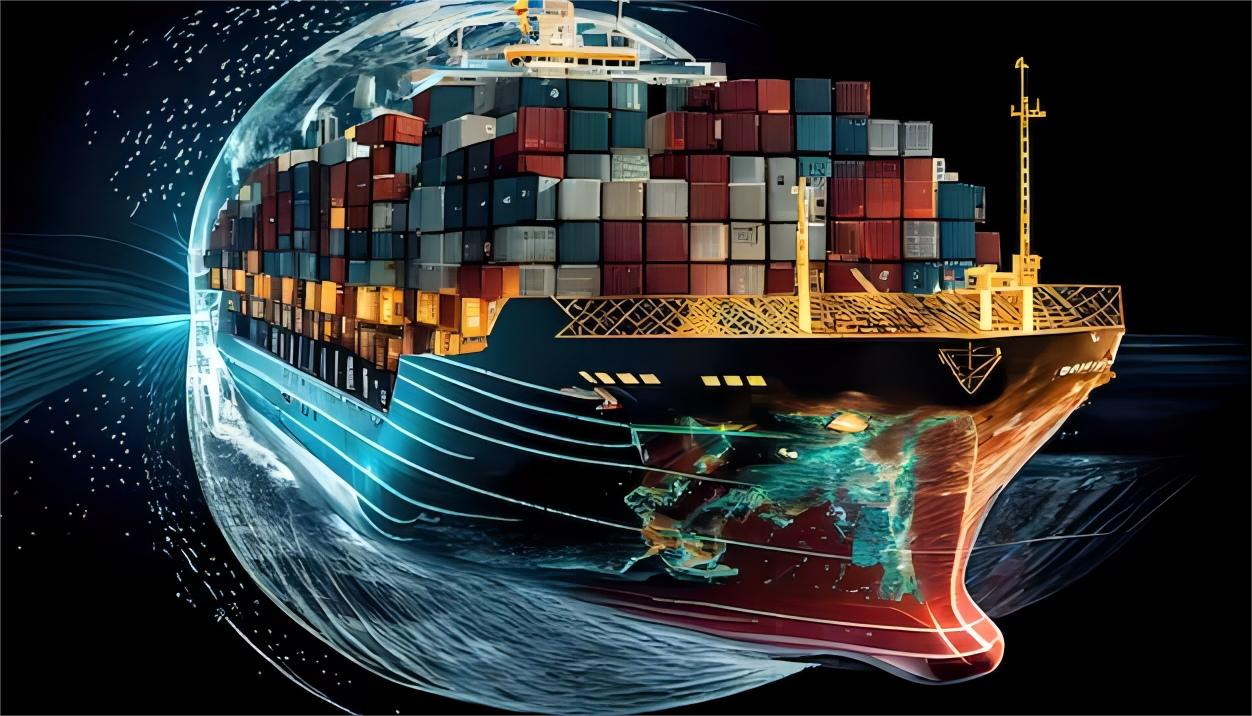
Ocean transport remains the most popular choice for large shipments due to its cost-effectiveness. While it offers the lowest price per unit, it also requires the longest transit times. For businesses moving high volumes of goods, sea freight provides the necessary capacity that other modes simply cannot match.
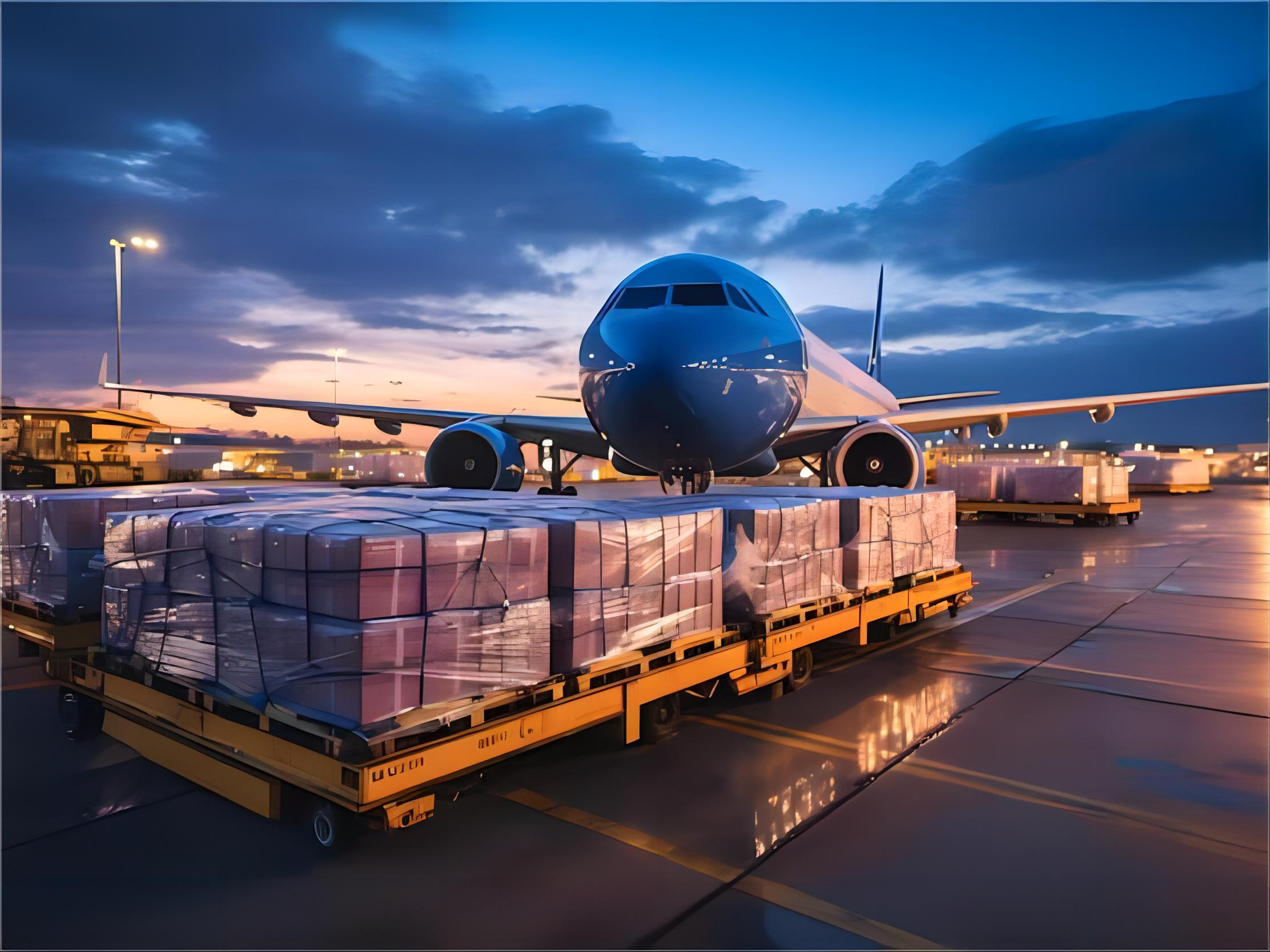
In contrast, air freight offers unmatched speed but comes at a premium price point. Rail freight has emerged as a middle-ground solution, providing faster delivery than the ocean while remaining cheaper than the air. The following table highlights the primary differences you will encounter when requesting a shipping quote.
| Method | Cost Range | Transit Time | Best For |
|---|---|---|---|
| Sea Freight | $2,000 – $4,500 | 30 – 40 Days | Bulk Goods / FCL |
| Air Freight | $5.50 – $9.00/kg | 5 – 8 Days | High-Value Items |
| Rail Freight | $1,500 – $2,800 | 18 – 25 Days | Mid-sized Cargo |
| Express | $8.00 – $12.00/kg | 3 – 5 Days | Urgent Samples |

Air Freight vs. Rail Freight: Speed vs. Economy
Choosing between air freight and rail depends largely on your inventory turnover requirements. If you are launching a new product and need stock immediately, the higher cost of air transport is often justified. However, if you can plan your inventory cycles three weeks in advance, rail offers a significant reduction in expenses.
Moreover, rail freight is increasingly viewed as a greener alternative to air cargo. Many European companies now prioritize rail freight to meet corporate sustainability goals. This mode of transport bypasses the potential maritime delays in the Red Sea, offering a stable schedule for 2026.
Understanding Customs Clearance and UK Import Duties
Navigating the UK’s post-Brexit customs landscape is a vital component of your shipping strategy. Every customs brokerage service will require accurate HS codes to determine the correct duty and VAT rates. Indeed, incorrect documentation is the leading cause of delivery delays and unexpected fines.
Importers must also account for the UK Global Tariff, which applies to various goods coming from China. Specifically, you should check if your products qualify for any trade preferences or if they are subject to anti-dumping duties. Working with an experienced broker ensures your shipping quote includes all necessary compliance fees.
| Document | Purpose | Required By | Priority |
|---|---|---|---|
| Commercial Invoice | Value Declaration | UK Customs | Critical |
| Packing List | Cargo Breakdown | Freight Forwarder | High |
| Bill of Lading | Title of Goods | Carrier | Critical |
| Certificate of Origin | Origin Proof | Customs | Medium |
Door to Door Logistics: Streamlining Your Supply Chain
Many modern businesses prefer a door to door service to simplify their operations. This all-inclusive approach covers everything from the factory pickup in China to the final delivery at your UK warehouse. Consequently, you receive a single, transparent shipping quote that eliminates the need to coordinate with multiple vendors.
This strategy is particularly effective for those utilizing Amazon FBA services. By outsourcing the entire logistics chain, you can focus on marketing and sales while professionals handle the transportation. Most door-to-door quotes in 2026 now include DDP (Delivered Duty Paid) options for maximum convenience.
FCL vs LCL: Choosing the Right Container Strategy
Full Container Load (FCL) is generally the most economical choice if you have enough cargo to fill a 20ft or 40ft container. In contrast, Less than Container Load (LCL) allows you to share space with other shippers, which is ideal for smaller volumes. However, LCL shipments often incur higher handling fees at the destination port.
Typical rates as of early 2026 suggest that once your shipment exceeds 15 cubic meters, FCL becomes the cheaper option. Additionally, FCL provides better security since the container is sealed at the origin and only opened at your destination. Meanwhile, LCL shipments require consolidation and deconsolidation, which adds a few days to the total transit time.

Which Option Should You Choose?
Deciding on the best shipping method requires a balance between budget, speed, and cargo volume. If your primary goal is cost reduction and you have a flexible timeline, sea freight is the obvious winner. For urgent shipments or perishable items, air freight remains the only viable solution despite the higher cost.
Consider rail freight if you need a reliable schedule that avoids the risks of ocean weather or port strikes. Furthermore, hybrid solutions like sea-air combinations are becoming more popular for balancing speed and expense. Always evaluate your specific business needs before finalizing your shipping quote China to UK.
Decision Framework Criteria
Budget priority: Recommend Sea Freight (LCL or FCL). Speed priority: Recommend Air Freight or Express Service. Volume over 15 CBM: Recommend 20GP or 40GP FCL. Urgent small parcels: Recommend Express Courier.
2026 Market Trends and Cost-Saving Strategies
Market data suggests that freight rates have stabilized in 2026 after several years of extreme volatility. Nevertheless, smart importers still look for ways to trim their logistics spend. One effective strategy is to consolidate multiple small orders from different Chinese suppliers into a single FCL shipment.
Another approach involves booking your shipments at least 3-4 weeks in advance to secure better rates with carriers. Furthermore, avoid shipping during the weeks surrounding Chinese New Year, as capacity drops and prices spike. Maintaining a good relationship with your freight forwarder can also provide access to unpublished ‘contract’ rates.
Real-World Case Studies for UK Importers
To illustrate how these costs translate in the real world, let us examine some recent shipments from China to the UK. These examples reflect typical 2026 market conditions and include all major logistics components. Note: Freight rates are subject to change based on fuel costs, carrier capacity, and seasonal demand. Contact us for a current quote tailored to your specific shipment.
Case Study 1: Electronics via Air Freight
Route: Shenzhen, China to London Heathrow, UK. Cargo: Consumer Electronics, 2.5 CBM, 450 kg. Method: Air Freight. Ocean Freight: Not applicable. Origin Charges: $120. Destination Charges: $180. Customs and Duties: $1,200. Total Landed Cost: $5,250. Sea Transit: Not applicable (5 days air). Total Door-to-Door: 8 days. Key Insight: Choosing air freight allowed the client to meet a strict product launch deadline despite the higher cost.
Case Study 2: Furniture via Sea Freight FCL
Route: Ningbo, China to Felixstowe, UK. Cargo: Home Furniture, 68 CBM. Container: 40HQ. Carrier: COSCO. Ocean Freight: $3,850. Origin Charges: $250. Destination Charges: $450. Customs and Duties: $2,100. Total Landed Cost: $6,650. Sea Transit: 34 days. Total Door-to-Door: 42 days. Key Insight: Using a 40HQ container maximized the volume-to-cost ratio for these bulky items.
Case Study 3: Industrial Parts via Rail Freight
Route: Chengdu, China to Southampton, UK. Cargo: Spare Parts, 5 CBM, 1200 kg. Method: Rail Freight (LCL). Route Type: Transshipment via Duisburg. Ocean Freight: $1,100 (Rail rate). Origin Charges: $150. Destination Charges: $220. Customs and Duties: $850. Total Landed Cost: $2,320. Sea Transit: Not applicable (22 days rail). Total Door-to-Door: 28 days. Key Insight: Rail provided a faster alternative to sea without the extreme expense of air freight.
Final Thoughts on UK Shipping Quotes
In conclusion, obtaining an accurate shipping quote China to UK requires a thorough understanding of your cargo needs and the current market environment. By comparing sea, air, and rail options, you can find the perfect balance between speed and cost. Remember to account for customs duties and seasonal trends to avoid any surprises in your landed costs.
As the logistics industry continues to evolve in 2026, staying informed about these trends will give your business a significant competitive advantage. Whether you are shipping a single pallet or a full container, professional guidance ensures your goods arrive safely and on time. Start planning your next shipment today to lock in the best available rates.