

Amazon FBA Air Freight China: The Complete 2026 Shipping Guide
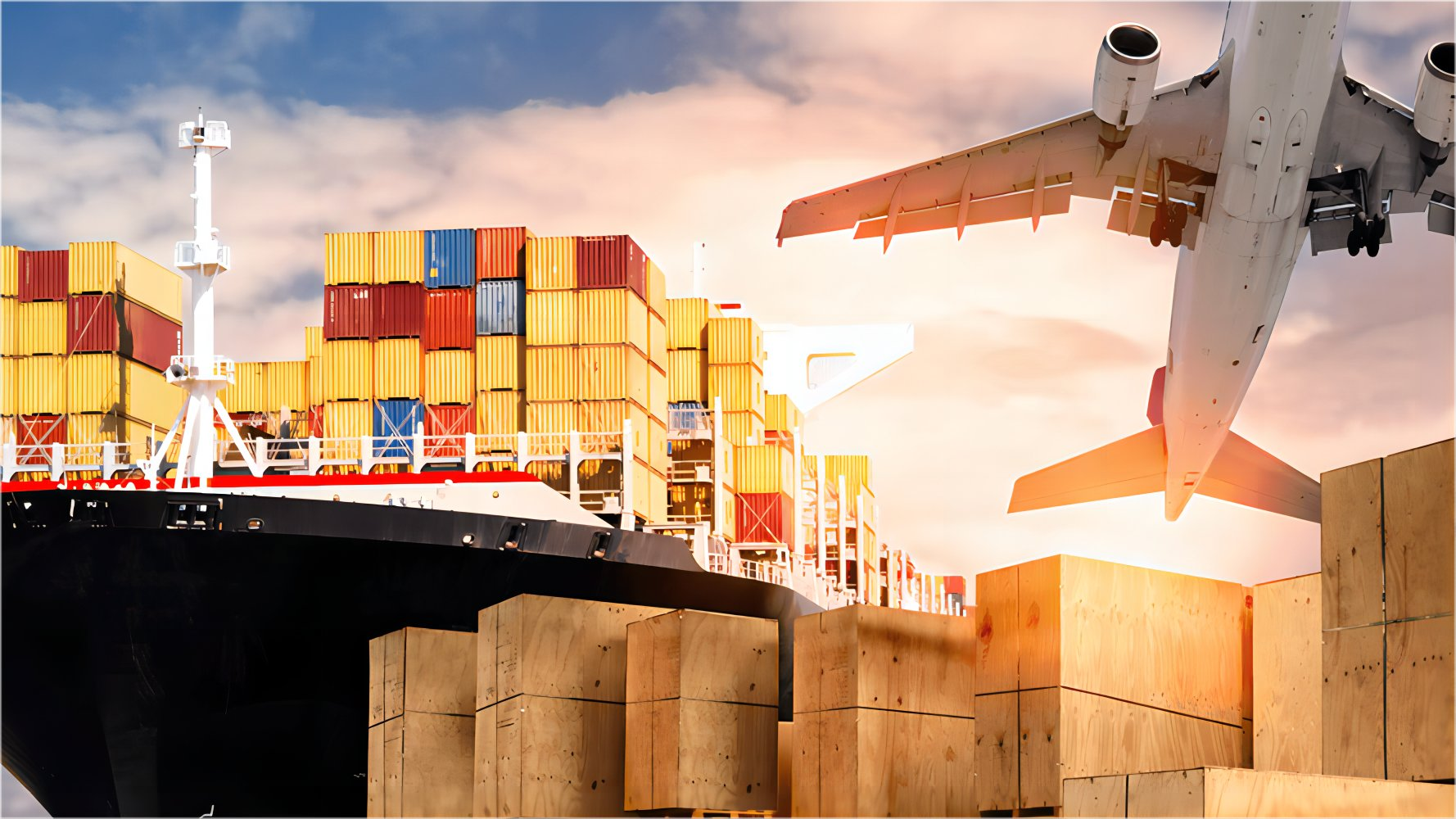
Navigating the complexities of international logistics requires a strategic approach to ensure your inventory reaches fulfillment centers on time. For many e-commerce sellers, amazon fba air freight china represents the most efficient method to balance speed and reliability in a competitive market. This guide explores the latest 2026 trends and provides actionable insights to optimize your global supply chain while reducing unnecessary delays.

Why Amazon FBA Air Freight China is Essential in 2026
Modern e-commerce demands rapid replenishment cycles to maintain high search rankings and customer satisfaction. Consequently, utilizing air freight has become a cornerstone for businesses that prioritize inventory turnover over sheer volume. Furthermore, the 2026 market landscape shows that consumer expectations for fast delivery have forced sellers to shorten their lead times significantly.
High-value goods and seasonal products benefit most from this expedited transport mode. Moreover, air transport minimizes the risks associated with long-term sea voyages, such as moisture damage or theft. Therefore, investing in premium shipping services often results in a higher return on investment by preventing stockouts during critical sales periods.
Logistics trends in 2026 indicate a shift toward more integrated air cargo solutions. Specifically, carriers are now offering more direct flights from major Chinese hubs to regional Amazon hubs. Indeed, this evolution in the supply chain allows for more predictable delivery schedules and improved tracking capabilities for global sellers.
How Does Amazon FBA Air Freight China Compare to Other Shipping Options?
Understanding the differences between transport modes is vital for effective landed cost calculation. While sea freight remains the most economical choice for massive shipments, it cannot compete with the speed of air cargo. Additionally, rail freight offers a middle ground for Eurasian routes but lacks the global reach of air transport.
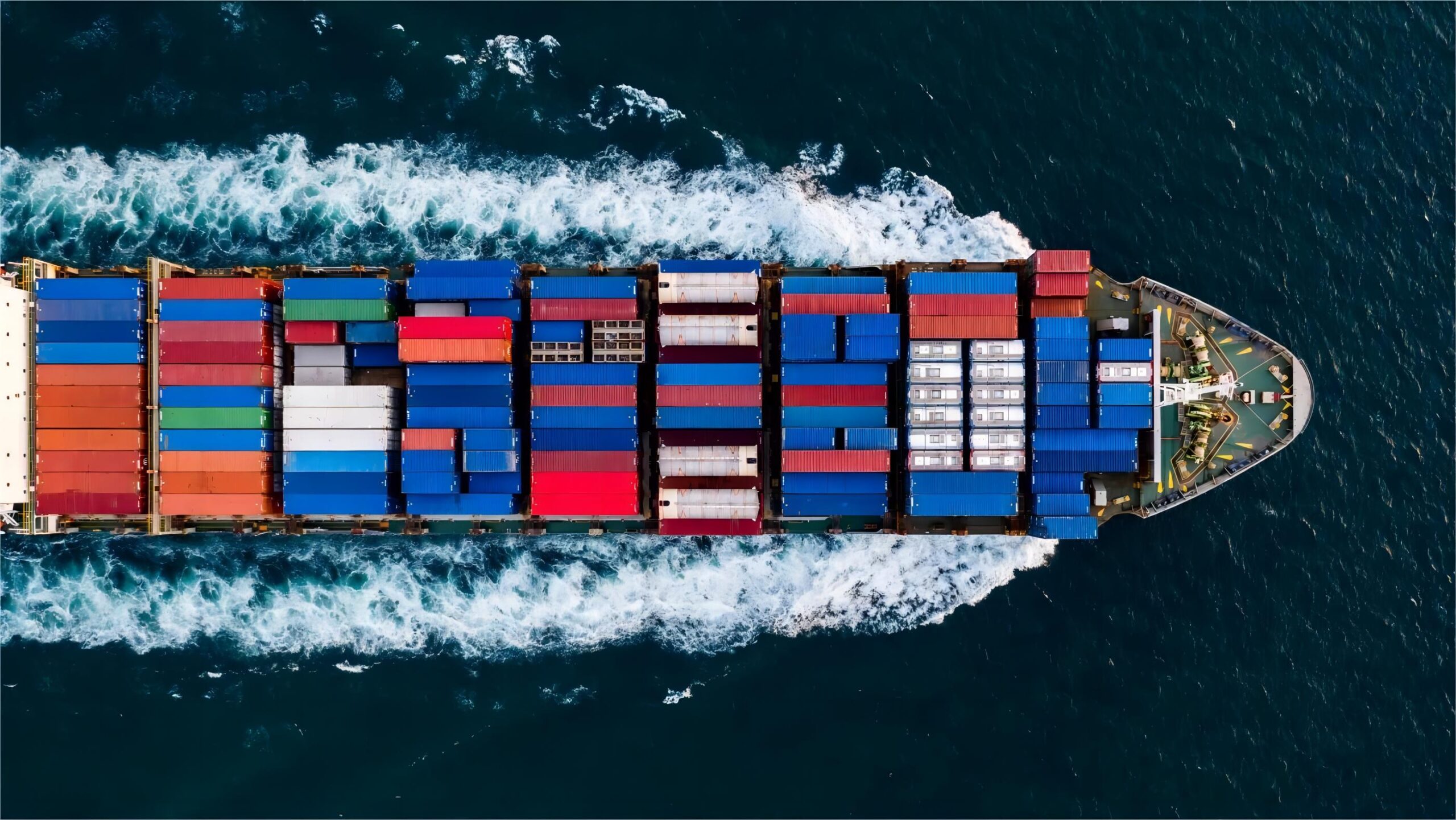
Choosing the right method depends on your specific budget and timeline. For instance, a shipment that takes 35 days by sea might only take 6 days by air. Consequently, the choice involves a trade-off between lower shipping costs and faster capital rotation. Many successful sellers use a hybrid strategy, sending the bulk of their stock by sea and using air freight for urgent restocks.
Market data suggests that air freight rates have stabilized in early 2026 after previous disruptions. Nevertheless, sellers must account for seasonal spikes during the Q4 peak season. To provide a clear overview, the following table compares the primary shipping methods available for China-based exports.
| Shipping Method | Cost Range (2026) | Transit Time | Best For |
|---|---|---|---|
| Air Freight | $4.50 – $8.50 per kg | 5 – 9 Days | Urgent Restocks |
| Sea Freight | $1,800 – $4,200 per Container | 25 – 45 Days | Bulk Inventory |
| Rail Freight | $120 – $210 per CBM | 18 – 25 Days | European Routes |
| Express Service | $7.00 – $12.00 per kg | 3 – 5 Days | Small Samples |
Key Factors Influencing 2026 Air Freight Rates
Fuel surcharges remain a significant variable in the total cost of air cargo. Furthermore, the availability of belly capacity on passenger flights continues to influence overall market pricing. Consequently, sellers should monitor global energy trends to anticipate potential fluctuations in their shipping invoices.
Dimensional weight calculations often surprise new importers who only consider actual weight. Moreover, carriers use the greater of actual or volumetric weight to determine the final billable amount. Therefore, optimizing your packaging to reduce empty space is a critical step in lowering your overall logistics expenses.
Peak season demand typically begins in late August and extends through December. During this period, rates can increase by 20% to 40% due to limited space and high competition. Accordingly, booking your shipments at least two weeks in advance is highly recommended to secure favorable rates and guaranteed space.
Understanding the Amazon FBA Air Freight China Process
The process begins with your supplier in China preparing the goods for export. Specifically, they must ensure that all items meet the strict labeling requirements set by Amazon FBA. Subsequently, your freight forwarder will arrange for pickup and transport to the nearest international airport, such as Shenzhen or Shanghai.
Customs clearance occurs both at the origin and the destination. Moreover, having accurate commercial invoices and packing lists is essential to prevent costly delays at the border. In contrast, incomplete documentation can lead to storage fees and missed delivery windows, which negatively impact your seller metrics.
Final delivery to the Amazon fulfillment center is the last stage of the journey. Most air freight services include ground transport from the airport to the specific warehouse designated in your shipping plan. Indeed, this end-to-end visibility is what makes air transport a preferred choice for professional e-commerce businesses.
Essential Customs Documentation for Sellers
Navigating the customs brokerage process requires attention to detail. Furthermore, every country has specific regulations regarding product safety and import duties. Consequently, working with an experienced partner ensures that your goods comply with all local laws and international trade agreements.
Accurate HTS codes are the foundation of a smooth customs entry. Moreover, misclassifying your products can lead to heavy fines or even the seizure of your inventory. Therefore, it is prudent to verify your product codes with a professional before the cargo departs from China.
Digital documentation has become the standard in 2026. Most customs authorities now require electronic filing of all manifests and declarations. Accordingly, maintaining digital copies of all your trade documents will help you respond quickly to any inquiries from customs officials.
| Document Name | Primary Purpose | Required By | Priority |
|---|---|---|---|
| Commercial Invoice | Value Declaration | Customs | Critical |
| Packing List | Content Verification | Warehouse | High |
| Air Waybill (AWB) | Contract of Carriage | Carrier | Critical |
| Certificate of Origin | Duty Rate Determination | Customs | Medium |
Real-World Case Studies: Successful Air Freight Deliveries
Case Study 1: Electronics Launch. Route: Shenzhen, China to Los Angeles, USA. Cargo: Smart home devices, 5 CBM, 1200 kg. Shipping Details: Major carrier, direct flight. Cost Breakdown: Air Freight $6,800, Origin Charges $450, Destination Charges $550, Customs $1,200. Total Landed Cost: $9,000. Timeline: 7 days door-to-door. Key Insight: Using air freight allowed the seller to meet a viral marketing deadline that sea freight would have missed.
Case Study 2: Apparel Restock. Route: Shanghai, China to London, UK. Cargo: Seasonal clothing, 3 CBM, 800 kg. Shipping Details: Transshipment via Dubai. Cost Breakdown: Air Freight $4,200, Origin Charges $300, Destination Charges $400, Customs $1,100. Total Landed Cost: $6,000. Timeline: 10 days door-to-door. Key Insight: Transshipment saved 15% on freight costs while still arriving 25 days faster than sea options.
Case Study 3: High-Value Accessories. Route: Guangzhou, China to Sydney, Australia. Cargo: Luxury watches, 1 CBM, 200 kg. Shipping Details: Express air service. Cost Breakdown: Air Freight $1,800, Origin Charges $200, Destination Charges $300, Customs $800. Total Landed Cost: $3,100. Timeline: 5 days door-to-door. Key Insight: Security and speed were the primary drivers for this high-margin shipment.

Decision Framework: Which Shipping Option Should You Choose?
Budget priority usually dictates a move toward sea or rail options. However, if your inventory levels are low and you risk losing your ‘Buy Box’ status, air freight is the only logical choice. Consequently, you must weigh the cost of the freight against the potential loss of revenue and search ranking.
Speed priority is the primary driver for air cargo. Furthermore, if you are launching a new product and need to test the market quickly, small air shipments are more practical than full containers. In addition, the ability to pivot based on real-time sales data is a major competitive advantage in 2026.
Cargo type considerations also play a role in your decision. For instance, perishable goods or electronics with lithium batteries have specific handling requirements that may limit your transport options. Therefore, always consult with your logistics provider to ensure your specific cargo is eligible for air transport.
Cost-Saving Strategies for Amazon FBA Air Freight China
Consolidating multiple small orders into a single larger shipment can significantly reduce your price per kilogram. Moreover, many forwarders offer door to door consolidation services that simplify the entire logistics chain. Consequently, you can benefit from bulk rates even if your individual product lines are small.
Negotiating with multiple carriers allows you to find the best balance between price and transit time. Furthermore, staying flexible with your departure dates can lead to savings, as mid-week flights are often cheaper than weekend slots. Indeed, small adjustments to your shipping schedule can lead to substantial long-term savings.
Note: Freight rates are subject to change based on fuel costs, carrier capacity, and seasonal demand. Contact us for a current quote tailored to your specific shipment. Market conditions in 2026 suggest that proactive planning remains the most effective way to control costs.
Mastering Your 2026 FBA Logistics Strategy
Successfully managing amazon fba air freight china requires a balance of speed, cost-efficiency, and regulatory compliance. Throughout 2026, the ability to adapt to changing market conditions will define the most successful e-commerce brands.
By leveraging the insights provided in this guide, you can make informed decisions that protect your margins and ensure your products are always in stock. Remember that logistics is not just a cost center but a strategic tool for business growth.

Get Your Shipping Quote Today
Ready to streamline your Amazon FBA air freight China logistics? Contact our expert team today for a customized quote and experience the reliability of professional freight forwarding. Visit our inquiry page to get started with your 2026 shipping strategy.
Request Quote