


Cargo Forwarding China Europe: 2026 Strategic Shipping Guide
Cargo forwarding China Europe represents the primary lifeline for businesses looking to connect Asian manufacturing hubs with the vast European consumer market. Navigating this logistics landscape requires a deep understanding of evolving trade routes, fluctuating freight rates, and complex regulatory frameworks. Consequently, working with an experienced partner like DSV-Freight ensures your supply chain remains resilient and cost-effective in the current economic climate.
What Are the Primary Modes for Cargo Forwarding China Europe?
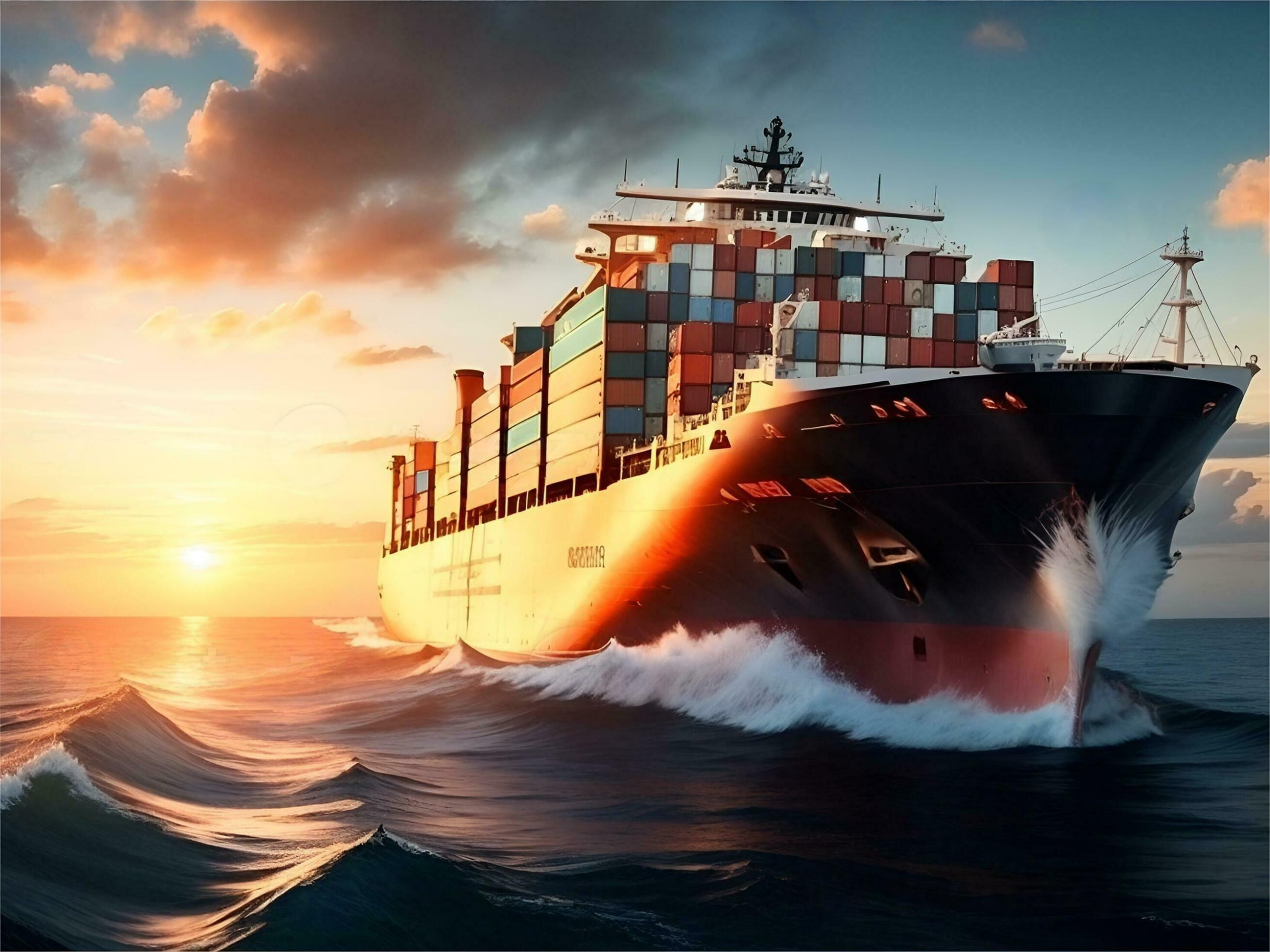
Selecting the right transportation mode is the most critical decision in the logistics planning process for any importer. Currently, businesses can choose between traditional ocean transit, rapid air transport, and the increasingly popular trans-continental rail services. Each method offers a distinct balance of speed, cost, and reliability that suits different types of inventory.
Furthermore, the choice often depends on the specific nature of the goods being moved and the urgency of the delivery schedule. For instance, high-value electronics typically require the speed of air transport, while bulky furniture is better suited for the high capacity of maritime vessels. Understanding these trade-offs allows companies to optimize their landed costs effectively.
Moreover, 2026 market trends suggest that multimodal solutions are gaining significant traction among savvy supply chain managers. These hybrid approaches combine the strengths of different modes to bypass port congestion or take advantage of specific regional infrastructure. Consequently, the flexibility of your logistics strategy can provide a significant competitive advantage in the European market.
How Does Rail Freight Compare to Other Shipping Options?
Rail freight has emerged as a middle-ground solution that bridges the gap between the slow pace of sea freight and the high expense of air cargo. Specifically, the Iron Silk Road now connects major Chinese hubs like Chengdu and Xi’an directly to European terminals in Duisburg and Warsaw. This route offers a predictable schedule that is less susceptible to the weather-related delays often seen in maritime shipping.
Additionally, rail freight provides a more sustainable alternative for companies focused on reducing their carbon footprint. Recent data indicates that rail transport emits significantly less CO2 per ton-kilometer compared to air cargo, making it an attractive option for ESG-conscious brands. Therefore, it serves as both a tactical and a strategic choice for modern enterprises.
However, shippers must consider the infrastructure limitations and potential geopolitical shifts that can impact rail transit times. While the service is generally reliable, seasonal demand spikes during the pre-Christmas period can lead to container shortages at inland terminals. Accordingly, early booking is highly recommended to secure space on the most efficient departures.
| Shipping Method | Cost Range | Transit Time | Best For |
|---|---|---|---|
| Sea Freight | $3,000 – $4,200 (40HQ) | 30 – 45 Days | Bulk Goods & Budget |
| Rail Freight | $5,500 – $7,000 (40HQ) | 18 – 24 Days | Mid-Value Inventory |
| Air Freight | $4.50 – $7.50 / kg | 5 – 8 Days | Urgent & High-Value |
| Trucking | $8,000 – $11,000 (Full) | 15 – 20 Days | Door-to-Door Speed |

Why Is Sea Freight Still the Backbone of China-Europe Trade?
Maritime transport remains the most dominant force in global logistics due to its unparalleled economy of scale. Indeed, sea freight allows for the movement of massive volumes of cargo at a fraction of the cost of other methods. This makes it the only viable option for low-margin commodities and heavy industrial equipment that would be cost-prohibitive to move by air.
Consequently, the development of ultra-large container vessels has further driven down the per-unit cost for shippers across the globe. Although transit times are longer, the ability to move thousands of containers on a single ship provides a level of efficiency that rail and air cannot match. Therefore, most long-term supply chain strategies are built around a core maritime schedule.
Nevertheless, the maritime industry has faced significant challenges in recent years, including port congestion and equipment imbalances. To mitigate these risks, experienced forwarders often utilize a mix of direct sailings and transshipment options through major hubs like Singapore or Piraeus. In addition, implementing robust tracking systems allows businesses to manage the longer lead times associated with ocean transit.
When Should You Choose Air Freight for Urgent Shipments?
Speed is the primary driver for selecting air freight in the China-Europe corridor. When production delays occur or market demand suddenly spikes, the ability to move goods in under a week is invaluable for maintaining retail availability. Furthermore, the reduced transit time significantly lowers the risk of damage or theft during the journey.
Historically, air cargo was reserved for only the most expensive items, but the rise of cross-border e-commerce has changed this dynamic. Many direct-to-consumer brands now rely on daily flights from Shenzhen and Shanghai to meet the fast-delivery expectations of European shoppers. Consequently, air transport has become a standard component of many high-growth business models.
Notably, the cost of air freight is highly volatile and influenced by jet fuel prices and seasonal capacity shifts. During peak seasons, rates can double within weeks, requiring shippers to have flexible budgets or pre-negotiated contracts. Therefore, analyzing the cost-to-benefit ratio of air transport is essential before committing to a large-scale shipment.
What Are the Key Customs Requirements for Europe in 2026?
Navigating the European Union’s customs environment requires meticulous attention to detail and up-to-date knowledge of current regulations. Every shipment must be accompanied by a commercial invoice, a packing list, and a bill of lading or airway bill. Additionally, the correct HS codes must be applied to ensure that the appropriate duties and taxes are calculated by the authorities.
Specifically, the use of professional customs brokerage services can prevent costly delays at the port of entry. These experts manage the communication with customs officials and ensure that all VAT and EORI requirements are met before the cargo arrives. As a result, businesses can avoid administrative fines and ensure their goods reach the warehouse on schedule.
Moreover, recent changes in EU import rules have placed a greater emphasis on product safety and environmental compliance standards. Importers must now provide documentation proving that their goods meet specific CE marking requirements or sustainability certifications. Consequently, verifying these details at the point of origin in China is a critical step in the logistics process.
| Document Name | Responsible Party | Purpose | Criticality |
|---|---|---|---|
| Commercial Invoice | Exporter (China) | Value Declaration | Mandatory |
| Packing List | Exporter (China) | Cargo Specification | Mandatory |
| EORI Number | Importer (Europe) | Entity Identification | Mandatory |
| Certificate of Origin | Exporter (China) | Duty Rate Determination | Conditional |
Which Option Should You Choose? A Decision Framework
Choosing the optimal shipping method involves a careful analysis of your business priorities and the specific characteristics of your cargo. If your primary goal is to minimize expenditure and you have a flexible timeline, sea freight is almost always the best choice. On the other hand, if you are launching a new product and need to hit a specific marketing date, the speed of air freight justifies the higher cost.
Initially, you should categorize your inventory based on value density and shelf life. High-value items like premium apparel or precision tools benefit from the shorter cash-to-cash cycle offered by rail or air transport. Conversely, low-value bulk items like plastic components or raw textiles should remain on maritime routes to preserve profit margins.
Ultimately, many successful companies adopt a tiered approach to shipping to Europe. They move 80 percent of their volume by sea for stability and 20 percent by rail or air to handle fluctuations in demand. This balanced strategy ensures that the supply chain can react to market changes without incurring excessive costs.
Alternative Logistics Strategies for China-Europe Trade
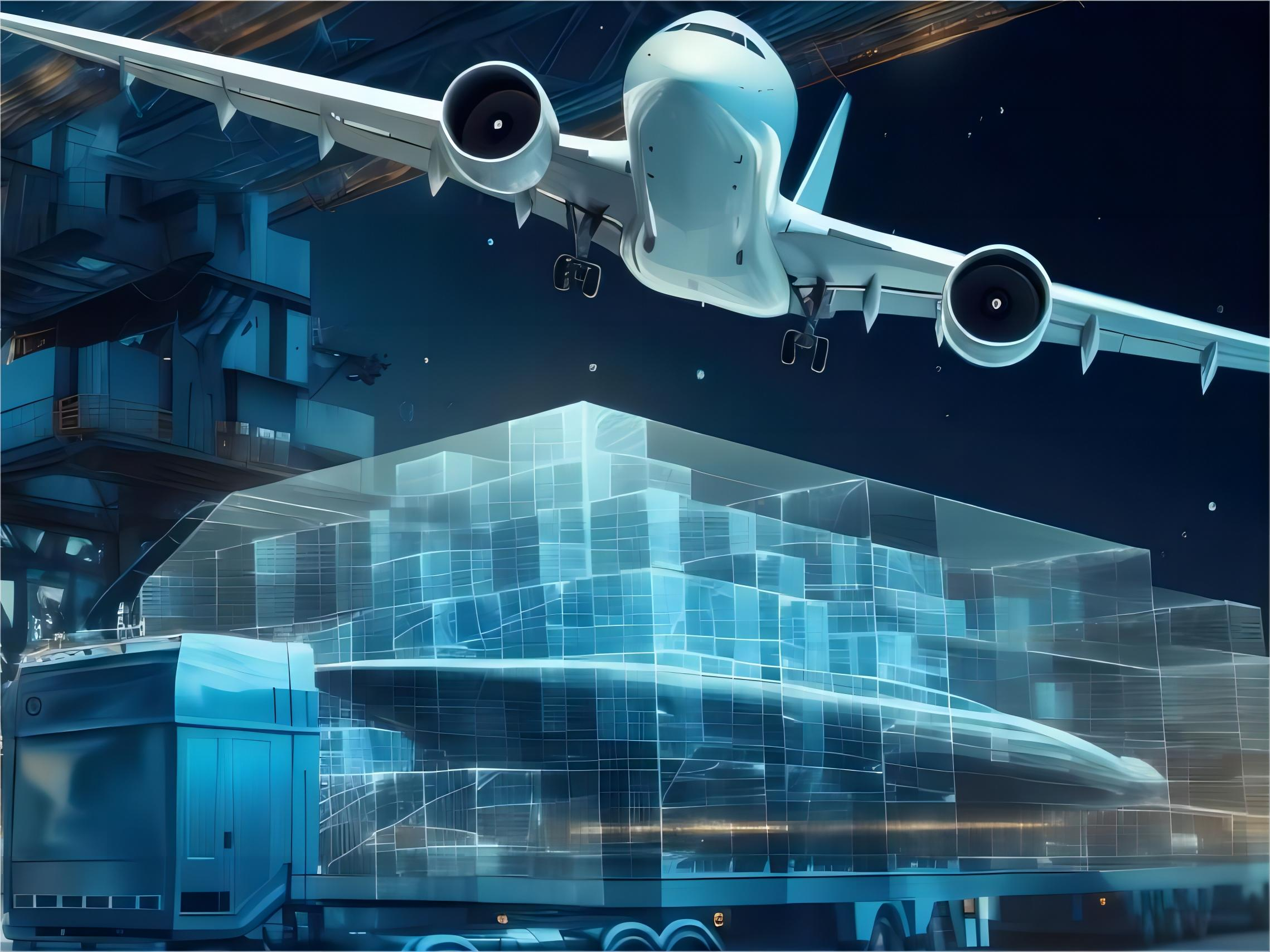
Beyond the standard modes, several alternative strategies can offer unique benefits depending on the current market conditions. For example, sea-air solutions involve shipping goods by sea to a hub like Dubai or Colombo and then flying them to Europe. This hybrid method typically cuts transit time by 40 percent compared to sea freight while costing 50 percent less than pure air cargo.
Meanwhile, the rise of trans-continental trucking has provided another viable alternative for time-sensitive shipments. Trucks can travel from Chinese factories to European warehouses in approximately 15 to 20 days, offering a door-to-door service that avoids port and rail terminal congestion. Therefore, it is an excellent backup plan when other routes are experiencing significant delays.
Additionally, businesses should consider the benefits of LCL (Less than Container Load) shipping for smaller volumes. Instead of waiting to fill an entire 40-foot container, you can share space with other shippers and only pay for the volume you use. This approach improves inventory turnover and reduces the amount of capital tied up in large stock orders.
Real-World Case Studies for 2026 Shipping Routes
Case Study 1: High-Efficiency Rail Solutions Route: Shenzhen, China to Hamburg, Germany Cargo: Consumer Electronics, 15 CBM, 3000 kg Container: LCL Service Carrier: Major Rail Operator Port of Loading: Shenzhen Inland Terminal Port of Discharge: Hamburg Billwerder Cost Breakdown: – Rail Freight: $3,200 – Origin Charges: $450 – Destination Charges: $550 – Total Landed Cost: $4,200 Timeline: 22 Days Door-to-Door Key Insight: Using rail allowed the client to restock their European warehouse 15 days faster than sea freight at a manageable price point.
Case Study 2: Large Scale Maritime Operations Route: Ningbo, China to Rotterdam, Netherlands Cargo: Home Furniture, 68 CBM, 12000 kg Container: 40HQ Full Container Load Carrier: COSCO Shipping Port of Loading: Ningbo-Zhoushan Port Port of Discharge: Port of Rotterdam Cost Breakdown: – Ocean Freight: $4,100 – Customs and Duties: $1,200 – Local Delivery: $600 – Total Landed Cost: $5,900 Timeline: 38 Days Total Key Insight: Sea freight provided the lowest per-unit cost for this bulky cargo, maintaining the client’s competitive pricing in the retail market.
Note: Freight rates are subject to change based on fuel costs, carrier capacity, and seasonal demand. Contact us for a current quote tailored to your specific shipment.
Mastering Your Cargo Forwarding China Europe Strategy
To summarize, successful cargo forwarding China Europe depends on a strategic combination of the right shipping mode, accurate documentation, and proactive cost management. By analyzing the trade-offs between sea, rail, and air freight, businesses can build a supply chain that is both resilient and profitable. Transitioning to a more diversified logistics model will likely be the key to navigating the challenges of the coming years.
Furthermore, staying informed about market trends and regulatory changes is essential for any importer looking to maintain a competitive edge. As global trade continues to evolve, the flexibility and expertise of your logistics partner will become increasingly important. Ultimately, the goal is to ensure that your cargo forwarding China Europe process is as seamless and efficient as possible.

Need a tailored shipping solution?
Managing cargo forwarding China Europe requires a partner who understands the intricacies of international logistics and customs compliance. Whether you need the speed of air cargo or the economy of ocean freight, our team provides tailored solutions to optimize your supply chain. Contact us today to receive a competitive quote and streamline your shipping operations for 2026.