

China Freight Shipping Company Global: Expert Logistics Guide 2026
“Selecting a reliable china freight shipping company global is a critical decision for any business involved in international trade. As we navigate the complex logistics landscape of early 2026, companies must balance cost, speed, and reliability to maintain a competitive edge. This guide provides comprehensive insights into optimizing your imports from China through strategic logistics partnerships.”

Why Partner with a China Freight Shipping Company Global in 2026?
❖Global trade dynamics have shifted significantly as we enter 2026, making the role of a specialized freight forwarder more vital than ever. Consequently, businesses are looking for partners who can navigate fluctuating freight rates and evolving customs regulations with precision. A professional china freight shipping company global offers the expertise needed to manage complex supply chain disruptions effectively.
Furthermore, these companies provide access to a vast network of carriers and local agents, ensuring that your cargo moves efficiently through major hubs like Shanghai, Ningbo, and Shenzhen. Meanwhile, the integration of advanced logistics technology allows for real-time tracking and improved transparency throughout the shipping process. Therefore, choosing the right partner is not just about moving goods but about strategic growth.
How Does Sea Freight Compare to Other Shipping Options?
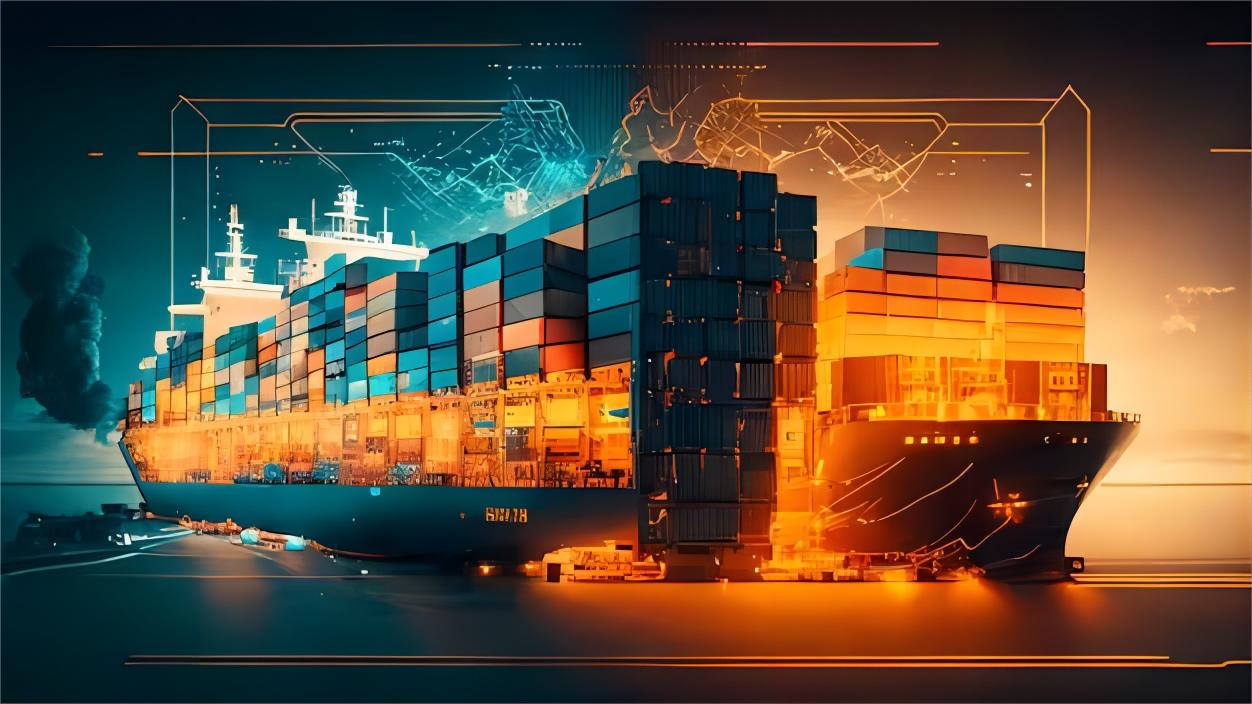
❖Understanding the differences between transport modes is essential for cost-effective global supply chain management. While sea freight remains the most popular choice for bulk shipments, it is important to analyze how it stands against air and rail alternatives. In early 2026, ocean freight continues to offer the lowest cost per unit for large volumes.
However, sea transport involves longer transit times, which may not suit time-sensitive inventory. In contrast, air freight provides rapid delivery but at a significantly higher price point. Rail freight has emerged as a middle ground for Eurasian routes, offering a balance between the speed of air and the economy of sea. Specifically, hybrid solutions like sea-air combinations are gaining traction for shipments requiring a balance of speed and budget.
| Shipping Method | Cost Range | Transit Time | Best For | Limitations |
|---|---|---|---|---|
| Sea Freight (FCL) | $1,800 – $4,500 | 14 – 40 Days | Bulk goods, low urgency | Slowest transit times |
| Air Freight | $5.00 – $12.00/kg | 3 – 7 Days | High-value, urgent items | Very high cost |
| Rail Freight | $1,200 – $2,500 | 18 – 25 Days | Europe-bound machinery | Limited to land routes |
| Express Service | $8.00 – $15.00/kg | 2 – 5 Days | Samples and small parcels | Weight restrictions |
Leveraging Air Freight for Expedited Global Delivery
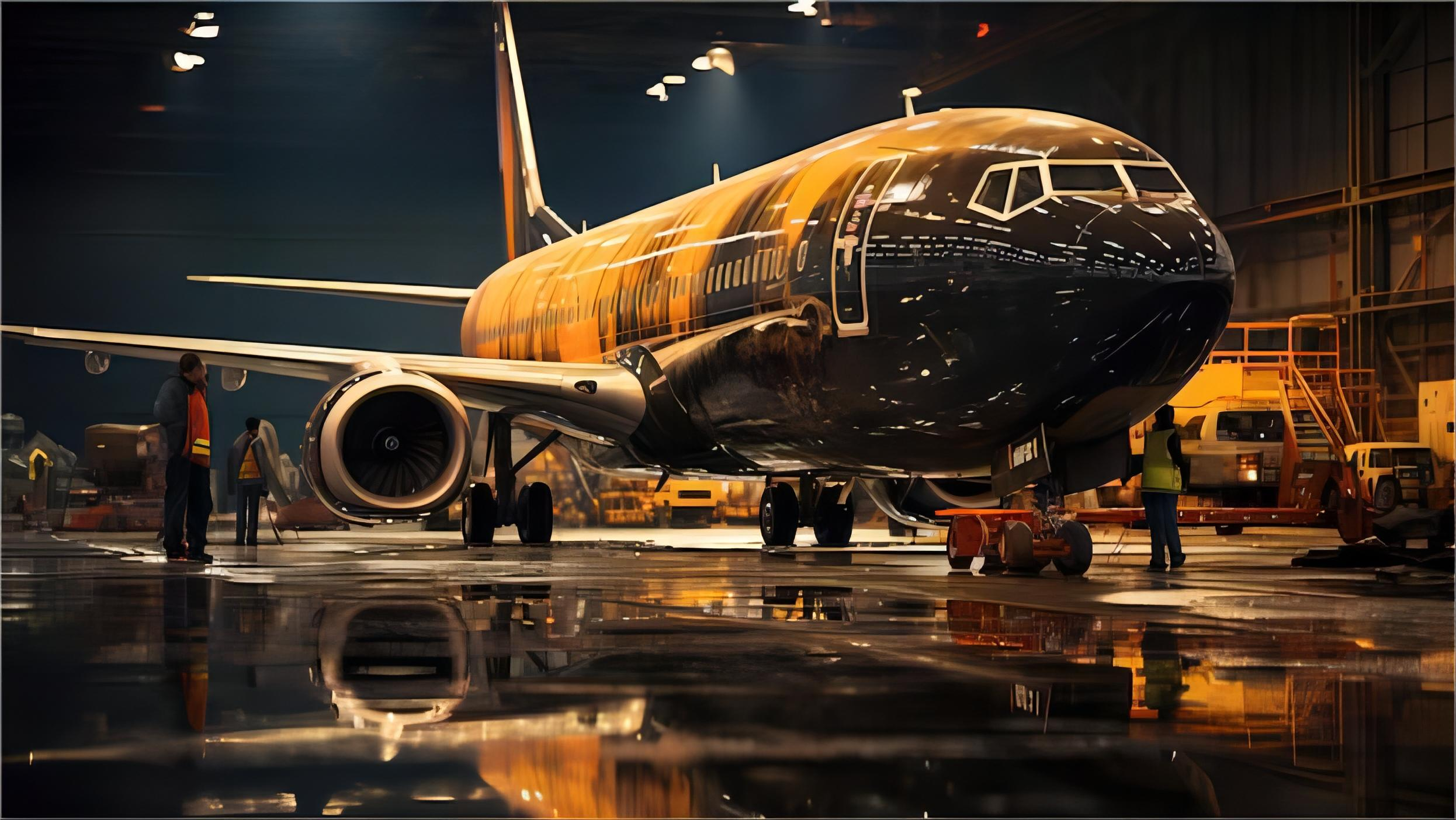
❖When speed is the primary priority, air freight stands out as the most reliable solution for international shipping. Indeed, businesses dealing with electronics, fashion, or perishable goods often rely on air transport to meet tight delivery schedules. As of 2026, expedited air shipping from China has become more streamlined due to improved airport infrastructure.
Moreover, air transport reduces the risk of damage and theft compared to longer sea voyages. Consequently, insurance premiums for air cargo are often lower, providing some cost offset for the higher freight rates. Specifically, using a china freight shipping company global with dedicated air charters can ensure space availability during peak seasons like the Q4 rush.
Is Rail Freight a Viable Alternative for European Routes?
❖For shipments heading to Europe, rail freight offers a compelling alternative to traditional ocean routes. This method has stabilized in 2026, providing a consistent schedule for containers moving from central China to hubs like Warsaw, Hamburg, and Rotterdam. Additionally, rail transport is considered more environmentally friendly than air or sea freight.
Nevertheless, rail freight is subject to geopolitical stability and infrastructure capacity along the Silk Road. Importers should consider rail when their cargo is too heavy for air but requires faster delivery than the 35-day sea voyage. Market data suggests that rail rates in 2026 are approximately 40% cheaper than air while being twice as fast as sea.
Navigating Customs Brokerage and Compliance in 2026
❖Successful international trade depends heavily on efficient customs brokerage to prevent costly delays at the border. Professional forwarders ensure that all commercial invoice requirements and HS code classifications are accurate before the cargo departs. In addition, they manage the complexities of cross-border customs clearance, which has become more stringent in 2026.
Regarding documentation, missing a single form can result in port storage fees that quickly erode profit margins. Therefore, a china freight shipping company global must stay updated on the latest import/export regulations for North America, Europe, and Australia. Specifically, automated filing systems used by top-tier logistics providers help in accelerating the release of goods from customs custody.
| Document Type | Responsible Party | Purpose | Criticality |
|---|---|---|---|
| Commercial Invoice | Exporter | Valuation and duties | Essential |
| Packing List | Exporter | Cargo verification | Essential |
| Bill of Lading | Carrier | Title to goods | Essential |
| Certificate of Origin | Exporter | Trade agreement benefits | High |

The Benefits of Door to Door Logistics Solutions
❖Many modern businesses prefer door to door services to simplify their entire logistics chain. This comprehensive approach covers everything from the factory pickup in China to the final delivery at a warehouse in the destination country. Consequently, the importer is relieved of the burden of managing multiple contractors and local transport providers.
Undoubtedly, this model is particularly beneficial for ecommerce logistics solutions and Amazon FBA sellers who require seamless last-mile delivery services. By consolidating all steps into a single quote, a china freight shipping company global provides better cost predictability. Furthermore, having a single point of contact simplifies communication and issue resolution if delays occur during transit.
Which Shipping Option Should You Choose?
❖Deciding on the best shipping method requires a clear understanding of your business priorities and cargo characteristics. If your primary goal is budget priority, then sea freight is the recommended option for shipments exceeding 2 CBM. On the other hand, if speed priority is paramount, air freight or express services are the only viable choices for meeting urgent deadlines.
Regarding cargo type considerations, heavy machinery is best suited for FCL sea freight or rail, while high-value electronics should travel via air. Volume thresholds also play a role; for shipments under 15 CBM, LCL sea freight at $60-90/CBM is often more economical than renting a full container. To summarize, a hybrid strategy using different methods for different product lines often yields the best balance of cost and efficiency.
Case Study 1: Electronics Distribution to USA West Coast
❖Route: Shenzhen, China to Los Angeles, USA. Cargo: Consumer electronics, 68 CBM, 12,500 kg. Container: 1 x 40HQ. Shipping Details: Direct ocean service via a major carrier from the Port of Shenzhen to the Port of Los Angeles. Cost Breakdown: Ocean Freight $3,400; Origin Charges $450; Destination Charges $600; Total Landed Cost $4,450. Timeline: Booking to Loading 4 days; Sea Transit 16 days; Customs Clearance 2 days; Total Door-to-Door 22 days. Key Insight: Utilizing a direct route saved 6 days compared to transshipment via Busan, ensuring the product launch stayed on schedule. Based on Q1 2026 market rates.
Case Study 2: Industrial Machinery to Germany via Rail
❖Route: Xi’an, China to Hamburg, Germany. Cargo: Industrial spare parts, 24 CBM, 8,000 kg. Container: 1 x 20GP. Shipping Details: China-Europe Railway Express via the northern corridor. Cost Breakdown: Rail Freight $2,600; Documentation $200; Destination Handling $400; Total Landed Cost $3,200. Timeline: Booking to Loading 5 days; Rail Transit 20 days; Customs Clearance 3 days; Total Door-to-Door 28 days. Key Insight: Rail provided a 15-day advantage over sea freight at a fraction of the cost of air freight. Typical rates as of early 2026.
Case Study 3: Furniture Wholesale to Australia
❖Route: Guangzhou, China to Sydney, Australia. Cargo: Home furniture, 8 CBM, 1,200 kg. Container: LCL (Less than Container Load). Shipping Details: Direct sea freight consolidation from Nansha Port. Cost Breakdown: Sea Freight $850; Port Charges $300; Customs and Duties $500; Total Landed Cost $1,650. Timeline: Consolidation 6 days; Sea Transit 14 days; Customs Clearance 2 days; Total Door-to-Door 22 days. Key Insight: LCL allowed the small business to maintain low inventory levels without paying for empty container space. Market data suggests this is the most efficient method for small-volume furniture imports in 2026.
Mastering Your Global Logistics Strategy
In conclusion, navigating the complexities of international trade in 2026 demands a strategic approach to freight management. By partnering with a reputable china freight shipping company global, you gain access to the tools and expertise necessary to streamline your operations. Whether you choose sea, air, or rail, the key is to balance transit times with cost-efficiency to support your business goals.
Reliability and transparency should remain your top priorities when selecting a logistics provider. As market conditions continue to evolve, staying informed and flexible will ensure your supply chain remains resilient against global challenges. Start optimizing your shipping process today to secure your competitive position in the global marketplace.
Ready to streamline your logistics?
Optimizing your international logistics requires a partner with global reach and local expertise. Contact our team today to receive a customized quote from a leading china freight shipping company global. Send Inquiry for a competitive rate and professional service.
Request Quote