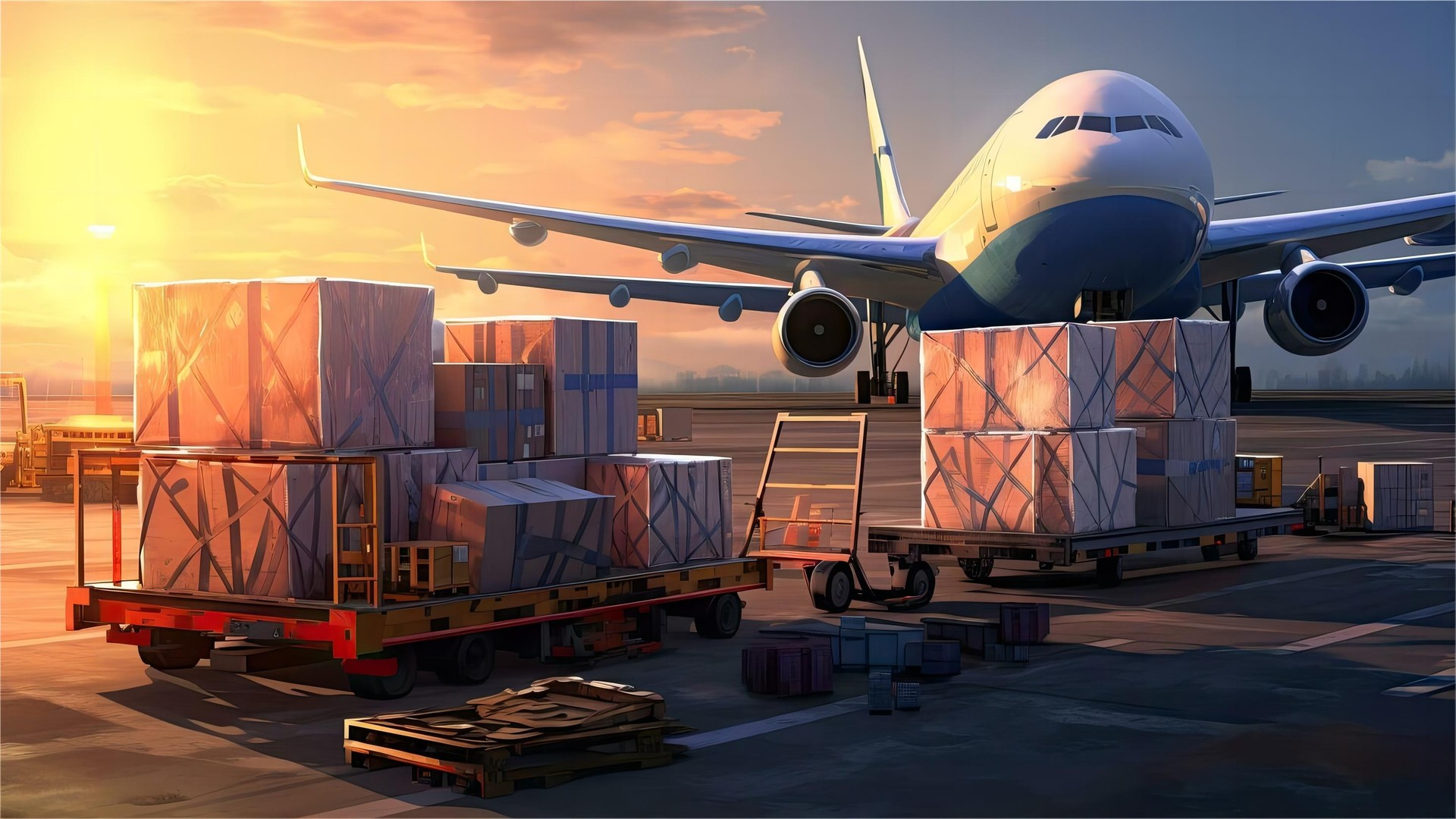


China to Canada Cargo Shipping: 2026 Rates and Logistics Guide
China to Canada cargo shipping remains a cornerstone of international trade, connecting the manufacturing hubs of East Asia with the diverse markets of North America. Navigating the complexities of transpacific logistics requires a deep understanding of evolving market trends, carrier capacities, and regulatory changes that define the current 2026 landscape. Whether you are a small business owner or a large enterprise, choosing the right partner like DSV-Freight ensures your goods arrive safely and efficiently. This guide provides comprehensive insights into optimizing your supply chain, reducing costs, and selecting the best transport methods for your specific needs.

What Are the Primary Methods for China to Canada Cargo Shipping?
Selecting the appropriate transport mode is the most critical decision in your logistics strategy. For most businesses, sea freight serves as the primary method due to its cost-effectiveness for large volumes. Ocean transport allows for the movement of heavy machinery, bulk commodities, and consumer goods in standardized containers. Consequently, it remains the backbone of the China-Canada trade route, especially for shipments destined for major hubs like Vancouver, Toronto, and Montreal.
Alternatively, air freight provides a high-speed solution for time-sensitive or high-value cargo. While the costs are significantly higher than ocean transport, the reduction in transit time can be vital for electronics, fashion, or perishable items. Moreover, the security protocols in air transport are generally more stringent, reducing the risk of theft or damage during transit. Businesses must weigh the urgency of their inventory needs against the premium price of air services.
Express services offer a middle ground for smaller parcels, typically under 150 kilograms. These services provide door to door delivery and handle all customs formalities on behalf of the shipper. Indeed, for e-commerce sellers and sample shipments, express couriers like DHL, FedEx, and UPS provide unparalleled convenience. However, for larger commercial shipments, the per-kilogram cost often makes express less viable than traditional air or sea freight.
How Much Does Sea Freight Cost From China to Canada in 2026?
Understanding current market rates is essential for accurate budgeting and financial planning. As of early 2026, freight rates have stabilized following the fluctuations of previous years, though seasonal demand still impacts pricing. For instance, shipping a 20-foot container from Shanghai to Vancouver typically costs between 1,800 and 2,500 USD. Meanwhile, shipping to East Coast ports like Halifax or through the Panama Canal to Montreal involves higher costs due to the longer distance and additional canal fees.
Furthermore, Less than Container Load (LCL) shipping offers a flexible alternative for those who do not have enough cargo to fill an entire container. LCL rates are usually calculated per cubic meter (CBM), making it an economical choice for smaller shipments. Nevertheless, shippers should be aware that LCL involves additional handling and consolidation time, which can slightly extend the overall transit schedule. Accordingly, planning for a few extra days is advisable when choosing LCL services.
Note: Freight rates are subject to change based on fuel costs, carrier capacity, and seasonal demand. Contact us for a current quote tailored to your specific shipment.
| Route (China to Canada) | 20GP Container | 40HQ Container | Est. Transit Time |
|---|---|---|---|
| Shenzhen to Vancouver | $1,850 – $2,300 | $2,900 – $3,600 | 14 – 18 Days |
| Shanghai to Toronto | $2,400 – $3,100 | $3,800 – $5,200 | 28 – 35 Days |
| Ningbo to Montreal | $2,600 – $3,400 | $4,100 – $5,500 | 32 – 40 Days |
| Qingdao to Calgary | $2,200 – $2,800 | $3,500 – $4,800 | 22 – 28 Days |

Why Is Air Freight the Best Choice for Urgent Shipments?
When speed is the highest priority, air freight stands out as the most reliable option for transpacific cargo. Typical transit times from major Chinese airports like Beijing Capital or Hong Kong International to Canadian hubs range from 3 to 7 days. This rapid delivery allows businesses to respond quickly to market trends or urgent inventory shortages. Consequently, many tech companies and medical suppliers rely almost exclusively on air transport to maintain their supply chain fluidity.
Additionally, air transport offers superior cargo handling and reduced risk of environmental damage. Because the time spent in transit is minimal, there is less exposure to moisture, temperature fluctuations, and physical handling compared to sea freight. Therefore, fragile or sensitive items often justify the higher investment in air cargo services. Furthermore, the predictable schedules of major airlines help logistics managers plan with high precision.
Market data suggests that in 2026, air cargo capacity has increased due to the return of more international passenger flights, which carry belly cargo. This trend has helped moderate air freight rates compared to the peak levels seen in 2024. However, peak seasons such as the lead-up to the Lunar New Year still see significant price spikes. Shippers should book at least two weeks in advance during these periods to secure space.
What Are the Essential Documents for Canada Customs Clearance?
Navigating the regulatory requirements of the Canada Border Services Agency (CBSA) is a vital step in the shipping process. Proper documentation ensures that your cargo is cleared without unnecessary delays or costly penalties. Utilizing a professional customs brokerage service can simplify this process significantly. They ensure that all HS codes are correctly classified and that duties and taxes are calculated accurately according to the latest 2026 trade agreements.
Moreover, the Commercial Invoice is perhaps the most important document, as it provides the basis for valuation and duty assessment. It must include a detailed description of the goods, their value in CAD or USD, and the country of origin. In addition, the Bill of Lading (for sea freight) or Air Waybill (for air freight) serves as the contract of carriage and title to the goods. Without these documents, the cargo cannot be legally released to the importer.
Finally, the Canada Customs Invoice (CCI) or a commercial invoice containing the same data is mandatory for shipments valued over 2,500 CAD. Shippers must also provide a Packing List that details the contents of each package, including weight and dimensions. For certain regulated goods, such as food or chemicals, additional permits from agencies like the Canadian Food Inspection Agency (CFIA) may be required. Ensuring these are ready before the ship docks is crucial for a smooth transition.
| Document Name | Purpose | Required For | Issued By |
|---|---|---|---|
| Commercial Invoice | Customs Valuation | All Shipments | Exporter/Shipper |
| Bill of Lading | Proof of Carriage | Sea Freight | Carrier/Forwarder |
| Packing List | Cargo Verification | All Shipments | Exporter/Shipper |
| Certificate of Origin | Duty Preference | Specific Goods | Chamber of Commerce |
How Does Sea Freight Compare to Other Shipping Options?
While sea freight is the most common method for China to Canada cargo shipping, it is important to evaluate it against other available strategies. Sea freight offers the lowest cost per unit, making it ideal for bulkier items like furniture or industrial equipment. On the other hand, it lacks the speed of air freight and the flexibility of express services. In 2026, we have also seen the rise of hybrid sea-air solutions, which combine the cost savings of ocean transport with the speed of air for the final leg of the journey.
For shipments destined for inland Canadian cities like Calgary, Edmonton, or Winnipeg, a multimodal approach is often necessary. Cargo usually arrives at the Port of Vancouver and is then transferred to rail for the remainder of the journey. This sea-rail combination is more efficient than trucking for long distances across the Canadian Rockies. However, it requires careful coordination to avoid delays at the intermodal terminals. Shippers should consider the total lead time, including these inland transfers, when promising delivery dates to customers.
In contrast, direct trucking from US ports is another alternative for Canadian importers located near the border. Some businesses choose to ship goods from China to the Port of Seattle or Tacoma and then truck them into Canada. This can sometimes be faster than waiting for a berth at the Port of Vancouver during periods of congestion. Nevertheless, this involves two customs clearances (US and Canada), which can add complexity and potential for administrative errors.
| Shipping Method | Cost Range | Transit Time | Best For |
|---|---|---|---|
| Sea Freight (FCL) | $2,000 – $5,000 | 18 – 35 Days | Bulk & Heavy Goods |
| Air Freight | $5.50 – $9.50/kg | 3 – 7 Days | High-Value Items |
| Express Courier | $8.00 – $15.00/kg | 2 – 5 Days | Samples & Parcels |
| Sea-Rail Hybrid | $2,500 – $4,500 | 22 – 30 Days | Inland Destinations |
Which Shipping Option Should You Choose for Your Cargo?
Determining the best shipping method depends on several factors, including budget, volume, and urgency. If your primary goal is cost reduction and your lead times are flexible, sea freight is undoubtedly the best choice. For shipments exceeding 15 cubic meters, a Full Container Load (FCL) provides the best value and security. Conversely, if you are shipping smaller quantities frequently, LCL allows you to maintain inventory levels without the high cost of air transport.
Speed priority dictates a move toward air cargo or express services. If your products have a short shelf life or are needed for a specific seasonal launch, the higher cost of air freight is a necessary investment to prevent lost sales. Additionally, consider the cargo type; hazardous materials or oversized machinery may have restricted options. Always consult with a freight forwarder to understand the specific limitations and requirements for your unique cargo profile.
Volume thresholds often dictate when to switch from one method to another. Typically, once a shipment exceeds 100-150 kilograms, the cost of air freight becomes more economical than express courier services. Similarly, once an LCL shipment reaches about 15 cubic meters, it often becomes cheaper to book a full 20-foot container. Monitoring these thresholds can lead to significant savings in your annual logistics budget.
Real-World Case Studies: China to Canada Logistics Success
Examining real-world scenarios provides valuable insight into how professional logistics management overcomes common challenges. These cases highlight the importance of choosing the right route and method based on specific business needs. Based on market rates from early 2026, these examples reflect current pricing and transit realities.
Case Study 1: Electronics Distribution. A Shenzhen-based manufacturer needed to transport 500 units of high-end laptops to a warehouse in Toronto. Due to the high value and the need for rapid market entry, they chose air freight. By consolidating the shipment and using a direct flight to Pearson International, they minimized handling risks and met their launch deadline. The total transit time was just 5 days, allowing them to capture peak market demand.
Case Study 2: Retail Furniture Expansion. A Canadian retailer ordered a full 40HQ container of patio furniture from Ningbo. To minimize costs, they opted for sea freight to the Port of Vancouver followed by rail transport to Calgary. Despite a minor delay at the port due to seasonal congestion, the shipment arrived within 26 days. The landed cost was well within their budget, enabling them to offer competitive pricing to their customers.
Case Study 1: High-Value Electronics via Air Freight
Route: Shenzhen, China to Toronto, Canada
Cargo: Laptops and Tablets, 4 CBM, 1,200 kg
Shipping Method: Air Freight (Direct)
Carrier: Cathay Cargo
Total Landed Cost: $9,800
Transit Time: 5 Days
Key Insight: Choosing air freight for high-margin electronics reduced inventory carrying costs and ensured product security.
Case Study 2: Industrial Machinery via Sea Freight
Route: Shanghai, China to Montreal, Canada
Cargo: CNC Machinery, 28 CBM, 8,500 kg
Container: 20GP
Carrier: Maersk
Total Landed Cost: $4,200
Transit Time: 34 Days
Key Insight: Proper crating and moisture protection were essential for this long sea voyage via the Panama Canal.
How Does Amazon FBA Shipping Work for Canadian Sellers?
For e-commerce entrepreneurs, Amazon FBA shipping from China to Canada involves specific labeling and palletization requirements. Amazon has strict guidelines regarding how goods must be received at their fulfillment centers in cities like Delta, Brampton, or Milton. Failure to comply can result in refused shipments or additional prep fees. Therefore, working with a forwarder who specializes in FBA logistics is essential for maintaining a high seller rating.
Moreover, many sellers utilize door to door services to simplify their operations. This ‘set and forget’ approach covers everything from factory pickup in China to final delivery at the Amazon warehouse. The forwarder handles the ocean or air transport, customs clearance, and the final mile delivery via Amazon-partnered carriers. Consequently, sellers can focus on marketing and product development rather than the minutiae of international shipping.
In 2026, Amazon Canada has expanded its network, but peak season storage limits remain a challenge for many importers. It is often more cost-effective to ship bulk quantities to a third-party logistics (3PL) warehouse in Canada and drip-feed inventory into FBA centers. This strategy avoids high Amazon storage fees while ensuring that products are always in stock for Canadian customers. Additionally, it provides a buffer against potential shipping delays during the busy Q4 period.
Final Thoughts on China to Canada Cargo Shipping
In conclusion, mastering China to Canada cargo shipping requires a balanced approach that considers cost, speed, and reliability. By understanding the differences between sea and air freight, and staying informed about current 2026 market rates, you can make strategic decisions that enhance your competitive edge. Proper documentation and a clear understanding of Canadian customs regulations are equally vital to avoid delays and ensure a smooth flow of goods.
Furthermore, partnering with an experienced freight forwarder provides the expertise needed to navigate the complexities of transpacific trade. Whether you are shipping full containers or small parcels for Amazon FBA, the right logistics strategy will protect your bottom line. As global trade continues to evolve, staying adaptable and informed remains the key to long-term success in importing from China to the Canadian market.
Get Your Shipping Quote Today
Streamline your supply chain today with expert China to Canada cargo shipping solutions. Our team provides tailored quotes and end-to-end support to ensure your business thrives in the 2026 market. Visit our website to request a competitive freight quote or contact our specialists for a consultation. Send Inquiry [Visit https://alibabaforwarder.com/]
Request Quote