

China to Europe Cargo Logistics: 2026 Strategic Shipping Guide
Navigating the complexities of china to europe cargo logistics requires a strategic approach to balance speed and cost in the current 2026 market. Businesses must adapt to evolving trade lanes and technological advancements to maintain a competitive edge. Consequently, understanding the nuances of international transport is essential for successful import operations.
The Landscape of China to Europe Cargo Logistics in 2026
Global trade dynamics have shifted significantly as we enter 2026, making efficient logistics more critical than ever for European enterprises. Furthermore, the integration of smart tracking and green energy in shipping has redefined how goods move across the Eurasian landmass. Therefore, selecting the right partner for your china to europe cargo logistics is the first step toward a resilient supply chain.
Market data suggests that freight volumes remain robust despite fluctuating economic conditions in various Eurozone countries. Additionally, new infrastructure projects under the Belt and Road Initiative have opened more efficient corridors for inland transport. Meanwhile, shippers are increasingly prioritizing sustainability alongside traditional metrics like transit time and cost-effectiveness.
Technological innovation now allows for real-time visibility into every stage of the journey from Shenzhen to Rotterdam. Consequently, logistics managers can proactively address potential delays before they impact the final delivery schedule. Indeed, the ability to pivot between different transport modes has become a hallmark of successful international freight forwarding in the modern era.
How Does Sea Freight Compare to Other Shipping Options?
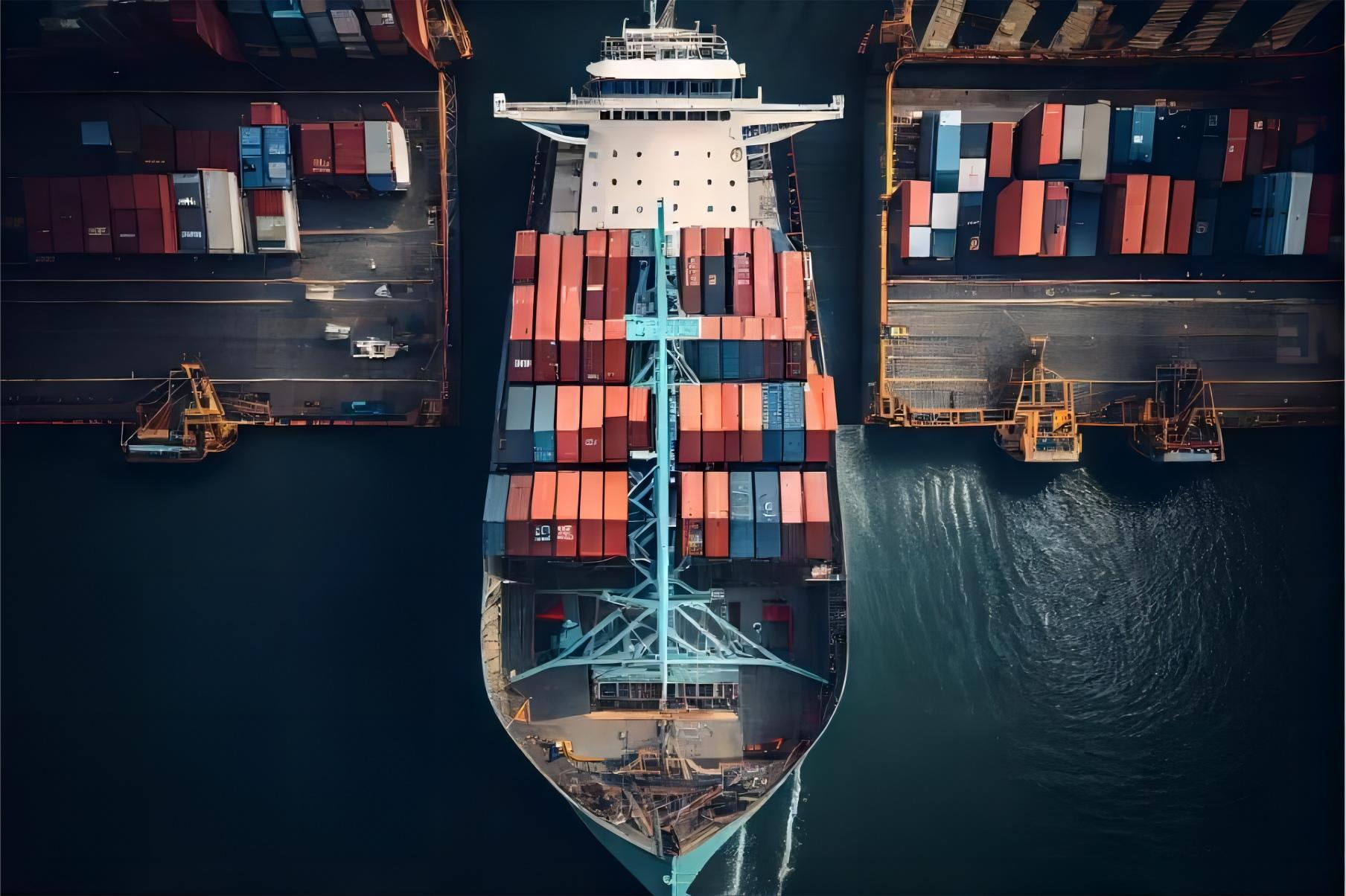
Ocean transport remains the backbone of global trade due to its unmatched capacity for high-volume shipments. For instance, sea freight offers the lowest cost per unit for large-scale manufacturing components and consumer goods. However, the longer transit times require meticulous inventory planning to avoid stockouts during peak demand periods.
Recent trends in 2026 show that while sea freight is economical, it is also the most susceptible to maritime weather disruptions and port congestion. Moreover, shippers must decide between Full Container Load (FCL) and Less than Container Load (LCL) based on their specific volume requirements. Without a doubt, FCL provides better security and faster handling for those moving enough cargo to fill a 20ft or 40ft container.
Note: Freight rates are subject to change based on fuel costs, carrier capacity, and seasonal demand. Contact us for a current quote tailored to your specific shipment.
| Shipping Method | Cost Range (40HQ) | Transit Time | Best For |
|---|---|---|---|
| Sea Freight | $3,200 – $4,500 | 30-40 Days | Bulk Goods & Large Volume |
| Rail Freight | $4,500 – $6,500 | 15-22 Days | Medium Value & E-commerce |
| Air Freight | $15,000 – $25,000 | 3-7 Days | High Value & Urgent |
| Sea-Air Hybrid | $8,000 – $12,000 | 18-25 Days | Balanced Cost/Speed |
Why Rail Freight is a Game Changer for China to Europe Cargo Logistics
Intermodal transport via the New Silk Road has matured into a reliable alternative that bridges the gap between sea and air. Specifically, rail freight provides a middle ground that is faster than ships and significantly cheaper than planes. Consequently, many automotive and electronics companies have shifted their primary logistics focus to these overland routes.
Transit times from major hubs like Xi’an or Chengdu to terminals in Poland and Germany now average just under three weeks. Furthermore, the environmental impact of rail is considerably lower than air transport, aligning with the green initiatives of many European corporations. Nevertheless, shippers should be aware of potential gauge changes at borders which can occasionally cause minor delays.
Security on these routes has improved vastly with the implementation of GPS-locked containers and 24/7 monitoring systems. In addition, the stability of rail pricing compared to the volatile ocean market makes it an attractive option for annual budget forecasting. Indeed, the consistency of the delivery schedule is a major advantage for just-in-time manufacturing processes.
When to Choose Air Cargo for Urgent Shipments
Speed is the primary driver for choosing air freight in the competitive landscape of 2026. For example, high-fashion retailers and pharmaceutical companies rely on the rapid turnaround times that only aviation can provide. Although the costs are higher, the reduction in lead times can often justify the investment for high-margin products.
Logistics trends indicate that air cargo capacity has expanded with the introduction of more fuel-efficient freighter fleets. Consequently, transit times from Shanghai to London or Paris can be as short as 48 to 72 hours including ground handling. On the other hand, strict regulations regarding hazardous materials and battery-operated devices require expert navigation of cargo handling protocols.
As of early 2026, air freight rates remain sensitive to jet fuel surcharges and seasonal spikes during the Q4 holiday rush. Moreover, businesses should consider the total landed cost rather than just the shipping rate when evaluating this mode. To summarize, air transport is the ultimate tool for supply chain agility when time is the most critical factor.
Navigating Customs Clearance in the European Union
Regulatory compliance is often the most daunting aspect of china to europe cargo logistics for new importers. Fortunately, professional customs brokerage services can streamline the process by ensuring all documentation is accurate and submitted on time. Specifically, having the correct EORI number and HS codes is vital to avoid costly delays at the port of entry.
Customs authorities in 2026 have implemented more rigorous digital screening processes to ensure safety and tax compliance. Furthermore, understanding the specific VAT regulations of the destination country is essential for accurate financial planning. In contrast, failing to prepare the necessary certificates of origin or safety declarations can lead to shipment seizures or heavy fines.
Working with an experienced partner allows you to navigate the complexities of the Union Customs Code without unnecessary stress. Additionally, many forwarders now offer integrated duty deferment schemes to help businesses manage their cash flow more effectively. Without a doubt, proactive compliance is the most effective way to ensure a smooth flow of goods into the European market.
Which Option Should You Choose? A Decision Framework
Selecting the optimal transport mode depends on a variety of factors including budget, cargo type, and urgency. If your primary goal is budget priority, then sea freight is undoubtedly the most suitable recommendation for your business. Conversely, if speed priority is the main concern, air freight should be your go-to solution regardless of the higher expense.
Cargo type considerations also play a massive role in the decision-making process for international shipping. For instance, perishable goods or high-value electronics are better suited for air or express rail services to minimize risk. Meanwhile, heavy machinery or raw materials in bulk are almost exclusively moved via ocean carriers due to weight restrictions on other modes.
Volume thresholds often dictate when it is time to switch from LCL to FCL or from air to rail. Generally, once a shipment exceeds 15 cubic meters, a full 20GP container becomes more economical than paying for individual space. Therefore, businesses should regularly review their shipping volumes to identify opportunities for cost-saving strategies and logistics optimization.
Case Studies: Real-World China to Europe Logistics Examples
Case Study 1: Large Scale Electronics Distribution
Route: Shenzhen, China to Hamburg, Germany
Cargo: Consumer Electronics, 68 CBM, 14,500 kg
Container: 1 x 40HQ FCL
Shipping Details: Major carrier via Suez Canal, Port of Loading: Shenzhen, Port of Discharge: Hamburg, Route Type: Direct
Cost Breakdown: Ocean Freight: $3,950; Origin Charges: $420; Destination Charges: $550; Customs and Duties: $2,100; Total Landed Cost: $7,020
Timeline: Booking to Loading: 4 days; Sea Transit: 34 days; Customs Clearance: 2 days; Total Door-to-Door: 40 days
Key Insight: Utilizing a direct sea route during the Q2 2026 off-peak season saved the client 15% compared to transshipment options.
Case Study 2: Urgent E-commerce Restock
Route: Chengdu, China to Lodz, Poland
Cargo: Apparel and Accessories, 12 CBM, 2,800 kg
Container: LCL (Rail)
Shipping Details: China-Europe Railway Express, Port of Loading: Chengdu Rail Terminal, Port of Discharge: Lodz Terminal, Route Type: Direct Rail
Cost Breakdown: Rail Freight: $2,100; Origin Charges: $300; Destination Charges: $450; Customs and Duties: $1,200; Total Landed Cost: $4,050
Timeline: Booking to Loading: 3 days; Rail Transit: 16 days; Customs Clearance: 1 day; Total Door-to-Door: 20 days
Key Insight: Rail freight provided the perfect balance for this e-commerce seller who needed goods faster than sea but could not afford air rates.
Case Study 3: High-Value Industrial Components
Route: Shanghai, China to Paris, France
Cargo: Precision Automotive Parts, 2 CBM, 450 kg
Container: Air Freight (Palletized)
Shipping Details: Premium Air Cargo Service, Port of Loading: Shanghai Pudong (PVG), Port of Discharge: Paris Charles de Gaulle (CDG), Route Type: Direct Flight
Cost Breakdown: Air Freight: $3,200; Origin Charges: $150; Destination Charges: $280; Customs and Duties: $850; Total Landed Cost: $4,480
Timeline: Booking to Loading: 1 day; Air Transit: 1 day; Customs Clearance: 1 day; Total Door-to-Door: 3 days
Key Insight: For critical assembly line parts, the 3-day door-to-door service prevented a factory shutdown that would have cost thousands per hour.
Comprehensive Comparison of Shipping Alternatives
Evaluating all viable alternatives is essential for maintaining a flexible and cost-effective supply chain. For example, a sea-air hybrid solution involves shipping goods by sea to a hub like Dubai and then flying them to Europe. Consequently, this method offers a 50% time saving over pure sea freight at about 40% of the cost of pure air freight.
In addition, some shippers are exploring truck-rail combinations for even greater flexibility in reaching landlocked European regions. Moreover, the choice between direct routes and transshipment can significantly impact both your budget and your delivery timeline. Indeed, transshipment via Singapore or Colombo can save 10-20% on freight costs if you have an extra week of lead time.
| Method | Cost Level | Transit Time | Reliability | Flexibility |
|---|---|---|---|---|
| Direct Sea | Low | 30-35 Days | Medium | Low |
| Direct Rail | Medium | 15-20 Days | High | Medium |
| Direct Air | High | 3-5 Days | Very High | High |
| Sea-Air | Moderate | 18-25 Days | Medium | Medium |
Streamlining Your Logistics with Door to Door Solutions
Managing multiple vendors for trucking, shipping, and customs can lead to communication breakdowns and unexpected costs. Therefore, many businesses are opting for door to door services that handle the entire process from the factory floor to the warehouse. This holistic approach simplifies the supply chain and provides a single point of accountability for the shipper.
Moreover, integrated logistics providers can often negotiate better rates with carriers due to their high volume of shipments. Consequently, small and medium-sized enterprises can access the same efficiencies as larger corporations without needing a massive in-house logistics team. In addition, the use of a single tracking number for the entire journey provides peace of mind and better inventory visibility.
Typical door-to-door packages in 2026 include all export clearances, international transport, import duties, and final mile delivery. Furthermore, this service is particularly beneficial for Amazon FBA sellers who must meet strict delivery windows and labeling requirements. By outsourcing the logistics burden, business owners can focus their energy on product development and marketing.
Final Thoughts on China to Europe Cargo Logistics
Successfully managing china to europe cargo logistics requires a deep understanding of the various transport modes, costs, and regulatory requirements. As we have explored, the choice between sea, rail, and air depends heavily on your specific business priorities and cargo characteristics. By leveraging the right data and professional partnerships, you can build a logistics strategy that is both resilient and cost-effective.
Furthermore, staying informed about market trends and infrastructure developments in 2026 will allow you to adapt quickly to changing conditions. Remember to always consider the total landed cost and to plan for potential seasonal fluctuations in the shipping market. Ultimately, a well-optimized supply chain is a powerful competitive advantage in the global marketplace.
Need a tailored shipping solution?
Optimizing your china to europe cargo logistics is the key to scaling your international trade operations in 2026. Whether you require the speed of air or the economy of sea freight, our expert team is ready to design a custom solution for your needs. Visit our website today to request a comprehensive quote and see how we can streamline your supply chain. Send Inquiry to get started with a professional logistics partner.