
Export Freight China to USA Europe FCL LCL 2026 Guide
Exporting goods from China requires a strategic approach to manage costs and timelines effectively. Businesses looking for reliable export freight china to usa europe fcl lcl solutions must navigate complex logistics landscapes in 2026. This comprehensive guide provides actionable insights into selecting the right shipping methods while optimizing your supply chain for maximum efficiency. Furthermore, we explore the nuances of global trade to ensure your cargo arrives safely and on schedule.

What are FCL and LCL Shipping Options?
Full Container Load (FCL) refers to shipments where an importer occupies an entire container. Consequently, this method is often faster and more secure for high-volume cargo. On the other hand, Less than Container Load (LCL) involves sharing container space with other shippers. This is ideal for smaller volumes that do not justify the cost of a full unit.
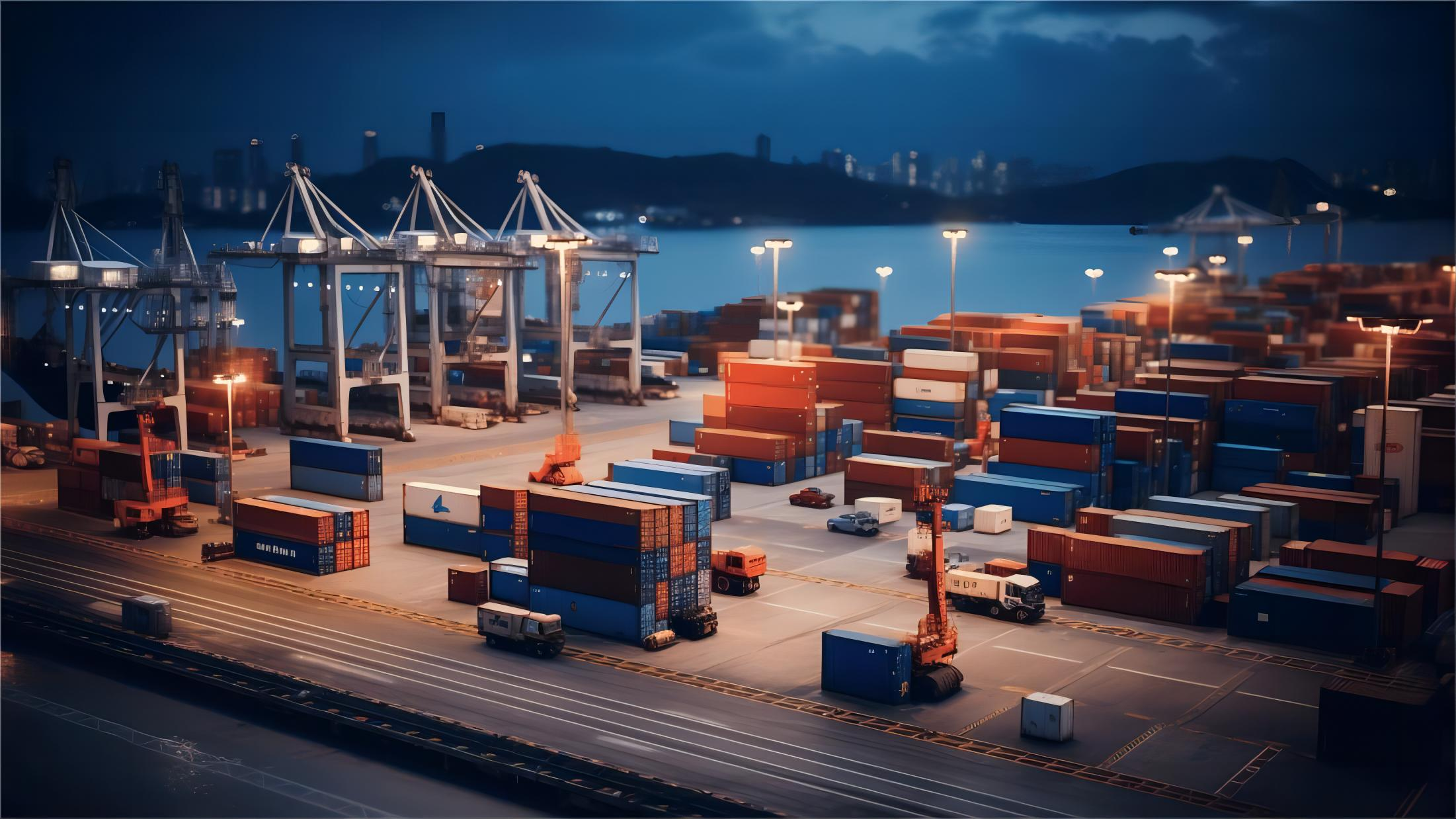
Choosing between these options depends heavily on your specific volume and budget requirements. For instance, shipments exceeding 15 cubic meters typically benefit from FCL pricing. Meanwhile, smaller consignments are more cost-effective when handled through LCL networks. Using a professional sea freight service ensures that both methods are handled with precision.
Additionally, FCL offers reduced handling risks since the container remains sealed from origin to destination. In contrast, LCL requires consolidation and deconsolidation at port warehouses. Therefore, businesses must weigh the trade-offs between cost savings and potential transit delays associated with shared containers.
How Does Export Freight China to USA Europe FCL LCL Compare to Other Shipping Options?
Comparing sea freight to alternative modes is essential for optimizing your logistics budget. While ocean transport remains the most economical choice for heavy goods, other methods offer speed advantages. For example, air freight can deliver goods in days rather than weeks. However, the cost per kilogram is significantly higher for air transport.
Moreover, rail transport has emerged as a viable middle ground for shipments to certain regions. Indeed, rail freight offers a balance between the speed of air and the low cost of sea. This is particularly relevant for the China-Europe corridor where rail networks are well-established.
Below is a detailed comparison of the primary shipping methods available for these routes in 2026.
| Shipping Method | Cost Range | Transit Time | Best For | Limitations |
|---|---|---|---|---|
| Sea Freight (FCL) | $2,500 – $6,000 | 18 – 40 Days | Large volumes | Longer transit |
| Sea Freight (LCL) | $50 – $150/CBM | 25 – 45 Days | Small shipments | Higher handling |
| Air Freight | $4.50 – $9.00/kg | 3 – 7 Days | Urgent/High value | Very expensive |
| Rail Freight | $1,200 – $2,800 | 15 – 22 Days | Europe routes | Limited to land |
Shipping to the United States: Strategies for 2026
Navigating the route to North America involves choosing between West Coast and East Coast ports. Generally, West Coast ports like Los Angeles offer the fastest transit times from China. Conversely, East Coast ports like New York require longer sea voyages but may be closer to your final distribution center.
Market data suggests that freight rates to the USA have stabilized in early 2026. Nevertheless, seasonal peaks in August and September can lead to capacity constraints. Therefore, booking at least 3-4 weeks in advance is highly recommended to secure space and favorable rates.
Furthermore, many e-commerce sellers utilize Amazon FBA logistics to streamline their US operations. This approach allows for efficient distribution across the country once the cargo clears customs. Indeed, managing the last-mile delivery is just as critical as the transpacific voyage.
Navigating Export Freight China to USA Europe FCL LCL for European Markets
Shipping to Europe presents unique challenges and opportunities in the current market. Specifically, the Northern Range ports like Rotterdam and Hamburg remain the primary gateways for FCL cargo. Meanwhile, Mediterranean ports are increasingly used for Southern European destinations to reduce inland transport costs.
According to industry benchmarks, sea transit to Europe typically takes 30 to 35 days. However, rail options through the New Silk Road can cut this time by nearly half. Consequently, many businesses are adopting a hybrid strategy, using sea for bulk stock and rail for urgent replenishments.
Additionally, understanding European VAT and customs regulations is vital for a smooth import process. Utilizing an experienced customs brokerage service can prevent costly delays at the border. As a result, your goods can reach the market faster and without unexpected administrative fees.
| Route Description | 20GP Container | 40HQ Container | Average Transit |
|---|---|---|---|
| China to USA West | $1,800 – $2,400 | $3,000 – $3,800 | 14 – 18 Days |
| China to USA East | $2,800 – $3,600 | $4,800 – $5,800 | 30 – 35 Days |
| China to Europe | $2,000 – $2,600 | $3,200 – $4,200 | 28 – 35 Days |
| China to UK | $2,200 – $2,900 | $3,600 – $4,600 | 30 – 38 Days |
Which Option Should You Choose?
Determining the best shipping method requires a careful analysis of your business priorities. If budget is your primary concern, sea freight FCL is almost always the most economical choice for large orders. However, if speed is the priority, air freight or express services are the only viable solutions.
Volume thresholds also play a major role in the decision-making process. For instance, once your shipment exceeds 13-15 CBM, the cost of a 20GP container often becomes cheaper than paying for LCL per cubic meter. Therefore, consolidating smaller orders into a single FCL shipment can lead to significant savings.
Cargo type must also be considered when selecting a shipping mode. Fragile or high-value items may benefit from the reduced handling of FCL or the speed of air freight. In contrast, durable bulk goods are perfectly suited for the longer transit times of ocean transport. Always consult with a logistics expert to tailor a plan to your specific needs.
Realistic Case Studies for 2026
Case Study 1: Electronics Distribution to California. Route: Shenzhen, China to Los Angeles, USA. Cargo: Consumer electronics, 28 CBM, 8,500 kg. Container: 40GP. Shipping Details: Direct route via major carrier. Port of Loading: Shenzhen. Port of Discharge: Los Angeles. Ocean Freight: $3,200. Origin Charges: $450. Destination Charges: $600. Customs and Duties: $1,200. Total Landed Cost: $5,450. Timeline: 16 days sea transit, 22 days door-to-door. Key Insight: Early booking during Q3 2026 avoided peak season surcharges.
Case Study 2: Apparel Import to Germany. Route: Ningbo, China to Hamburg, Germany. Cargo: Textiles, 8 CBM, 2,000 kg. Container: LCL. Shipping Details: Transshipment via Singapore. Port of Loading: Ningbo. Port of Discharge: Hamburg. Ocean Freight: $960 ($120/CBM). Origin Charges: $250. Destination Charges: $400. Customs and Duties: $800. Total Landed Cost: $2,410. Timeline: 34 days sea transit, 42 days door-to-door. Key Insight: Choosing LCL allowed the client to maintain lean inventory levels without paying for empty container space.
Note: Freight rates are subject to change based on fuel costs, carrier capacity, and seasonal demand. Contact us for a current quote tailored to your specific shipment.
Cost-Saving Strategies and Hybrid Solutions
Implementing cost-saving strategies can significantly improve your bottom line. For example, optimizing your packaging to maximize container utilization reduces the cost per unit. Additionally, negotiating long-term contracts with freight forwarders can provide price stability in a volatile market.
Hybrid solutions like sea-air combinations are also gaining popularity. This involves shipping by sea to a hub like Dubai and then flying the goods to the final destination. Consequently, you achieve a faster transit than sea alone at a lower cost than pure air freight. Such innovative approaches are essential for modern supply chain management.
Finally, consider the benefits of door to door services to simplify your logistics. This comprehensive approach covers every step from the factory floor to your warehouse. As a result, you spend less time managing multiple vendors and more time growing your business.
Final Thoughts on Global Export Freight
Successfully managing export freight china to usa europe fcl lcl requires a deep understanding of market trends and shipping mechanics. By choosing between FCL and LCL based on volume and urgency, businesses can optimize their logistics spend effectively. In 2026, staying informed about transit times and customs requirements is more important than ever.
Whether you are shipping to the USA or Europe, the right logistics partner makes all the difference. Remember to evaluate all options, from sea and rail to hybrid solutions, to find the perfect fit for your cargo. With careful planning and strategic execution, your international trade operations will thrive in the competitive global market.
Need a tailored shipping solution?
Streamline your global supply chain today with professional logistics support. Our team provides expert guidance on export freight china to usa europe fcl lcl to ensure your cargo arrives on time and within budget. Contact us now to receive a customized quote for your next shipment and experience the difference of premium service. Visit https://alibabaforwarder.com/ to get started. Send Inquiry: Visit our contact page.