

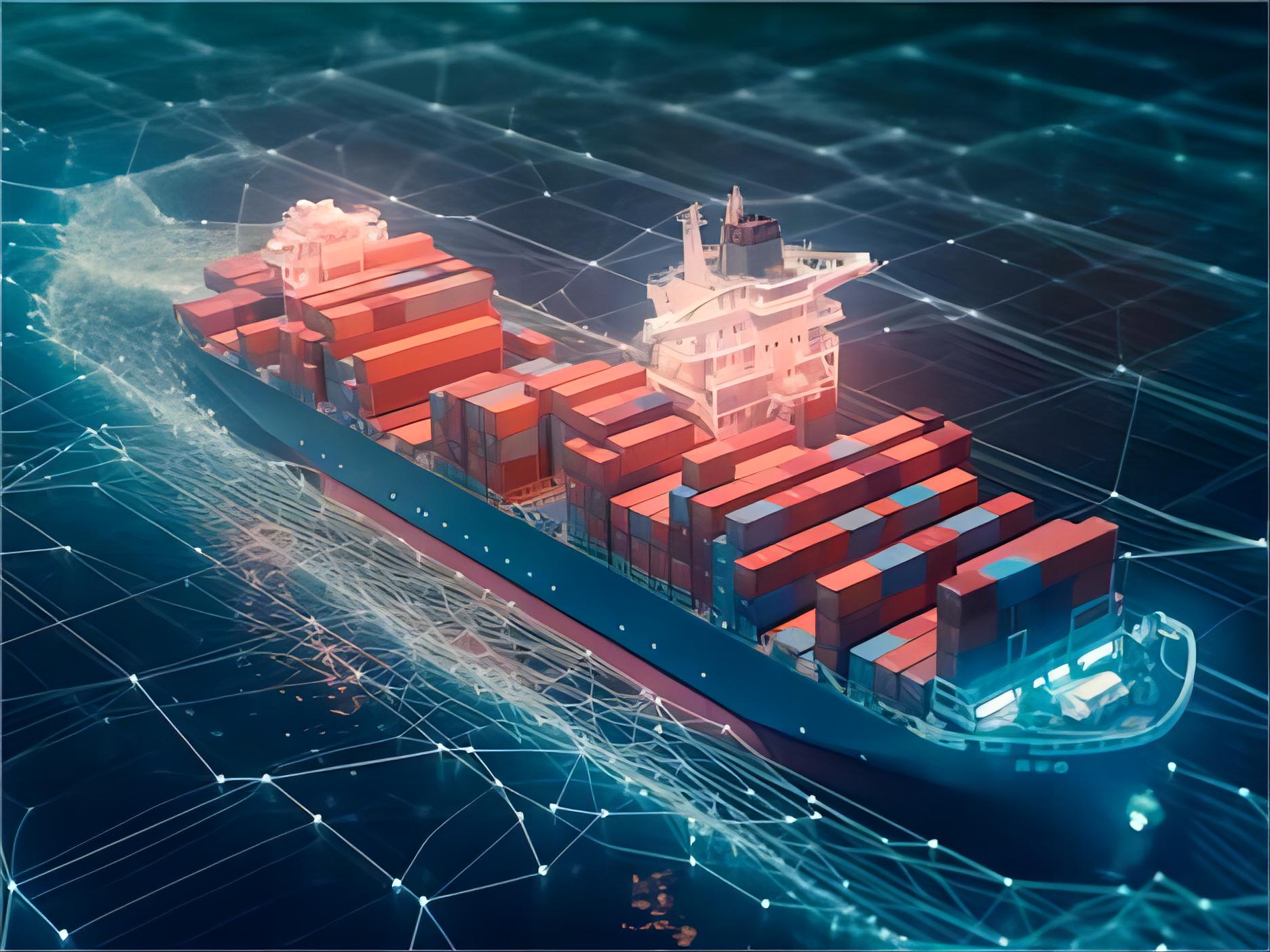
Export Logistics China USA: The Ultimate 2026 Shipping Guide
Export logistics China USA requires a strategic approach to navigate complex global trade regulations and shifting market demands in 2026. Managing these shipments effectively ensures that your business remains competitive and minimizes unnecessary delays at the border. At DSV-Freight, we specialize in streamlining these processes for businesses of all sizes to ensure smooth transpacific trade.
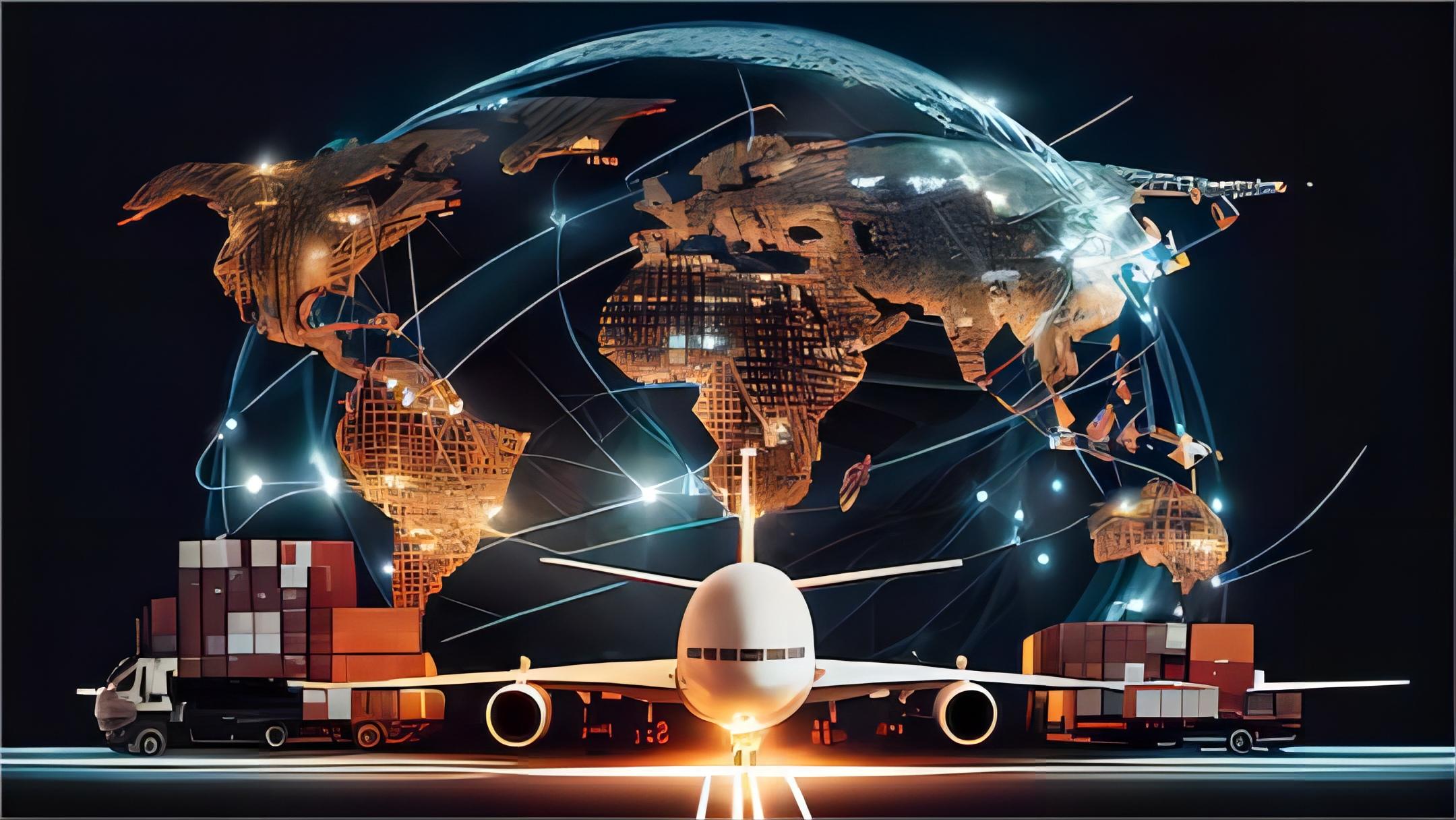
What defines export logistics China USA in 2026?
Navigating the Pacific trade lanes involves more than just moving boxes from one point to another. Consequently, businesses must account for fuel surcharges, port fees, and labor availability at major hubs like Los Angeles and Savannah.

Furthermore, the integration of digital tracking systems has become a standard requirement for modern supply chains. This technology allows importers to monitor their cargo in real-time across the ocean, providing much-needed transparency.
Market data suggests that 2026 has seen a stabilization of rates after the volatility of previous years. However, seasonal spikes during the Golden Week and the Lunar New Year still require careful planning and early booking to avoid delays.
Indeed, understanding the nuances of international cargo handling is the first step toward reducing your total landed cost. Proper documentation and cargo insurance are essential components that protect your investment during the long transit.
How does sea freight compare to other shipping options?
Choosing the right mode of transport is a critical decision for any importer focused on cost-efficiency. Specifically, sea freight remains the backbone of global trade due to its ability to handle massive volumes at a lower price point.
In contrast, air freight offers unparalleled speed for high-value or time-sensitive items. While the cost is significantly higher, the reduced transit time can help businesses meet urgent market demands or replenish low stock quickly.
Additionally, hybrid solutions like sea-air services have gained popularity for those seeking a balance between speed and cost. These services typically involve shipping by sea to a mid-point hub and then flying the cargo to the final destination.
To illustrate the differences, consider the following comparison of the primary shipping methods available for the China to USA route in 2026.
| Shipping Method | Cost Range | Transit Time | Best For |
|---|---|---|---|
| Sea Freight (FCL) | $2,800 – $5,500 | 18 – 35 Days | Large bulk shipments |
| Air Freight | $5.50 – $9.00/kg | 3 – 7 Days | High-value goods |
| Express Service | $8.00 – $12.00/kg | 2 – 5 Days | Small parcels |
| Sea-Air Hybrid | $3.50 – $5.00/kg | 12 – 18 Days | Balanced priority |
Why is customs brokerage essential for US imports?
Navigating the legal requirements of US Customs and Border Protection is a daunting task for many exporters. Therefore, utilizing a professional customs brokerage service is often the best way to ensure compliance and avoid heavy fines.
Moreover, the complexity of Harmonized System codes and duty calculations requires precise attention to detail. A single error in documentation can lead to cargo holds that disrupt your entire delivery schedule and increase storage costs.
According to industry benchmarks, businesses that use experienced brokers see a 30% reduction in customs-related delays. These experts stay updated on the latest tariff changes and trade agreements that affect export logistics China USA.
Consequently, investing in compliance early in the process prevents the headache of unexpected audits or penalties. It is also important to ensure that all commercial invoices and packing lists are perfectly aligned with the physical cargo.
The rise of air freight for high-value cargo
As consumer expectations for fast delivery continue to grow, air freight has become a vital tool for many industries. Electronics, fashion, and medical supplies frequently utilize this method to maintain a competitive edge in the US market.
Meanwhile, air cargo transit times have improved in 2026 due to increased flight frequencies between major Chinese hubs and US gateways. This efficiency allows for tighter inventory management and reduced warehousing needs for many businesses.
Nevertheless, the higher carbon footprint and cost of air transport mean it should be used strategically. Many companies reserve air shipments for product launches or to mitigate supply chain disruptions occurring elsewhere.
Accordingly, analyzing your product margins is necessary before committing to an air-heavy strategy. For many, the speed of air freight justifies the expense by enabling faster capital turnover and higher customer satisfaction levels.
Choosing between FCL and LCL sea freight
When opting for sea freight, you must decide between Full Container Load (FCL) and Less than Container Load (LCL). This choice depends largely on your shipment volume and your budget for export logistics China USA.
For instance, FCL is generally more cost-effective if you have enough goods to fill at least 15 cubic meters. It also offers better security since the container is sealed at the origin and only opened at the final destination.
On the other hand, LCL allows smaller businesses to share container space with other shippers. While this is cheaper for small volumes, it involves more cargo handling, which can slightly increase the risk of damage or transit delays.
Without a doubt, understanding these trade-offs is essential for supply chain optimization. Below is a breakdown of typical 2026 freight rates for major transpacific routes to help you plan your budget.
| Route (China to USA) | 20GP Container | 40HQ Container | Est. Transit |
|---|---|---|---|
| Shanghai to Los Angeles | $2,100 – $2,600 | $3,100 – $3,800 | 16 – 18 Days |
| Shenzhen to Savannah | $3,200 – $3,900 | $4,600 – $5,400 | 28 – 32 Days |
| Ningbo to New York | $3,400 – $4,200 | $4,900 – $5,800 | 30 – 35 Days |
| Qingdao to Seattle | $2,300 – $2,800 | $3,300 – $4,100 | 18 – 22 Days |
Streamlining operations with door to door services
Many modern importers prefer a hands-off approach to their shipping needs. Consequently, door to door logistics has become the preferred choice for those who want a single point of contact for the entire journey.
Specifically, this service covers everything from the initial pickup at the factory in China to the final delivery at your warehouse in the USA. This eliminates the need for the importer to coordinate with multiple carriers and brokers.
Furthermore, door to door shipping costs are often more predictable because they include most local charges and delivery fees upfront. This transparency helps businesses maintain better control over their landed costs and profit margins.
Indeed, for companies without a dedicated logistics team, this all-inclusive model provides peace of mind. It ensures that every step of the export logistics China USA process is managed by professionals who understand the local requirements of both countries.

Managing Amazon FBA shipments from China
E-commerce sellers face unique challenges when shipping directly to fulfillment centers. Therefore, specialized Amazon FBA logistics services are essential for meeting strict labeling and palletization requirements.
Additionally, Amazon has specific delivery windows that must be met to avoid account penalties or rejected shipments. A forwarder experienced in FBA requirements can help you navigate these rules and ensure your inventory is checked in promptly.
As of early 2026, many sellers are using a combination of sea freight for bulk replenishment and air express for urgent restocks. This multi-channel approach helps maintain high inventory health scores and prevents stockouts during peak shopping seasons.
Moreover, duty-free imports USA under Section 321 can sometimes be utilized for smaller individual orders to save on costs. However, for bulk FBA shipments, proper customs clearance and duty payment are mandatory to remain in good standing with US authorities.
Realistic Case Studies for 2026 Logistics
To better understand how these strategies work in practice, we have compiled real-world examples from the current market. These cases highlight the costs and timelines associated with different shipping methods in the 2026 fiscal year.
Case Study 1: Electronics from Shanghai to Los Angeles. A tech company shipped a 40HQ container of consumer electronics via direct sea route. The total ocean freight was $3,250, with origin and destination charges totaling $1,100. Total transit time was 17 days, and the shipment arrived ahead of the Q3 peak season.
Case Study 2: Apparel from Shenzhen to New York. A clothing retailer used LCL shipping for 12 CBM of seasonal garments. The ocean freight cost $950, while customs and duties were estimated at $2,400 due to the high value of the cargo. The total door-to-door time was 34 days, utilizing an East Coast transshipment route.
Case Study 3: Urgent Spare Parts from Guangzhou to Chicago. An industrial manufacturer used air freight for 450 kg of critical components. The cost was $6.80 per kg, totaling $3,060 for the air portion. The parts arrived and cleared customs in just 6 days, preventing a costly production line shutdown.
Which shipping option should you choose?
Determining the best strategy for export logistics China USA depends on your specific business priorities. If your main goal is budget priority, then sea freight is the clear winner for almost any shipment over 2 CBM.
However, if speed priority is your primary concern, air freight or express services are necessary to keep your supply chain moving. You must also consider cargo type considerations, as hazardous materials or oversized items may have limited options.
For volume thresholds, we generally recommend switching from LCL to FCL once your shipment exceeds 15 CBM to save on per-unit costs. Similarly, if your shipment is under 100 kg, express couriers are often more economical than traditional air freight.
Ultimately, a balanced supply chain often uses multiple methods. By diversifying your shipping options, you can protect your business against port strikes, weather delays, or sudden shifts in consumer demand.
Mastering your transpacific supply chain
Successfully managing export logistics China USA requires a deep understanding of both the physical transport and the regulatory environment. By selecting the right shipping method and partnering with experts, you can significantly reduce your costs and transit times.
As we move through 2026, staying informed about market trends and logistics innovations will remain a key factor for success. Whether you choose sea, air, or a hybrid solution, the goal is always to create a reliable and scalable shipping process.
Remember that the lowest price is not always the best value if it leads to delays or damaged goods. Prioritize reliability and communication to ensure your export logistics China USA operations run smoothly year-round.
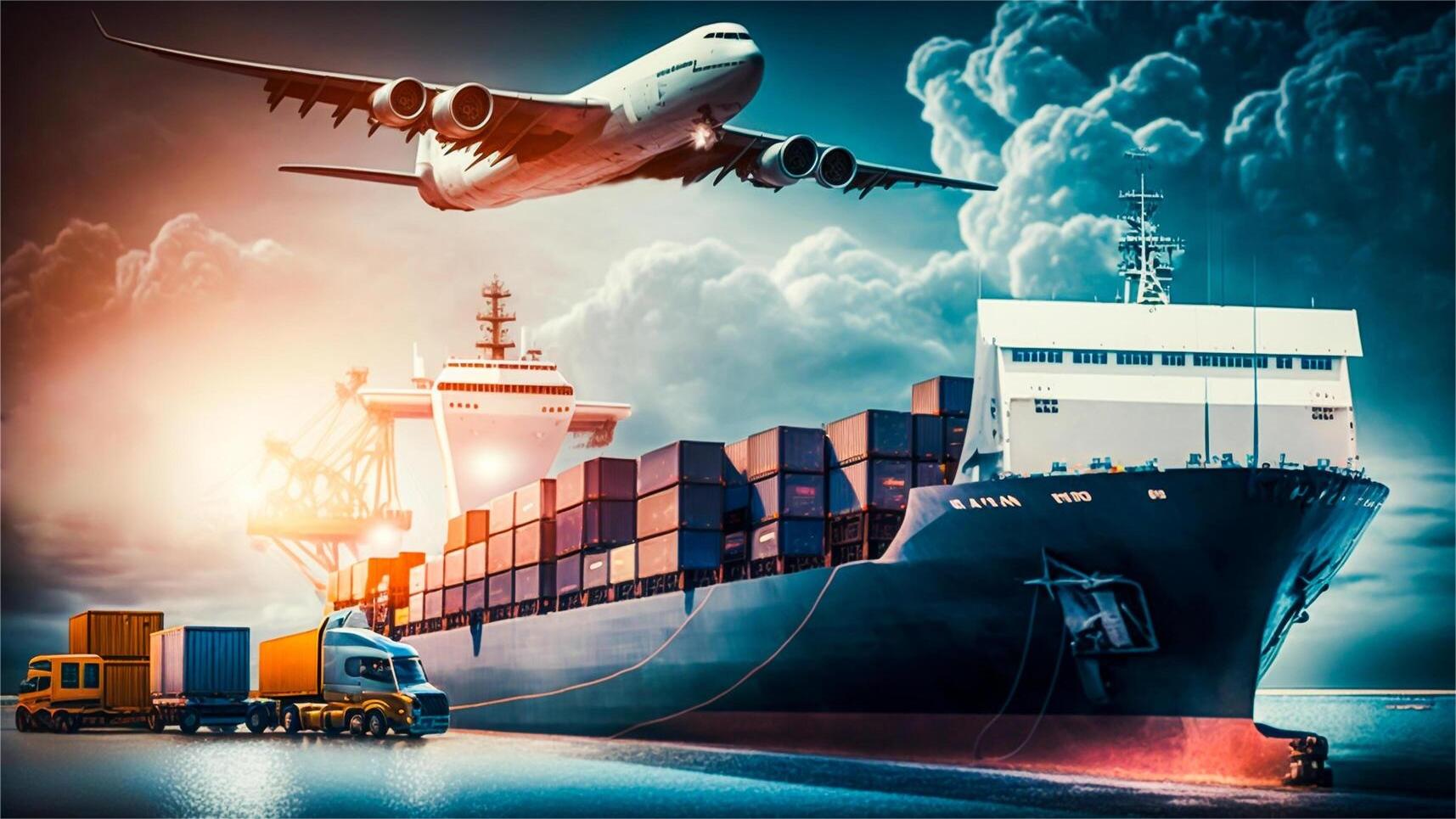
Ready to streamline your logistics?
Optimizing your export logistics China USA strategy is essential for maintaining a competitive edge in the 2026 global market. Our team provides the expertise needed to handle complex documentation and ensure on-time delivery for every shipment. Visit https://alibabaforwarder.com/ to request a personalized quote today and see how we can streamline your transpacific supply chain.
Request Quote