

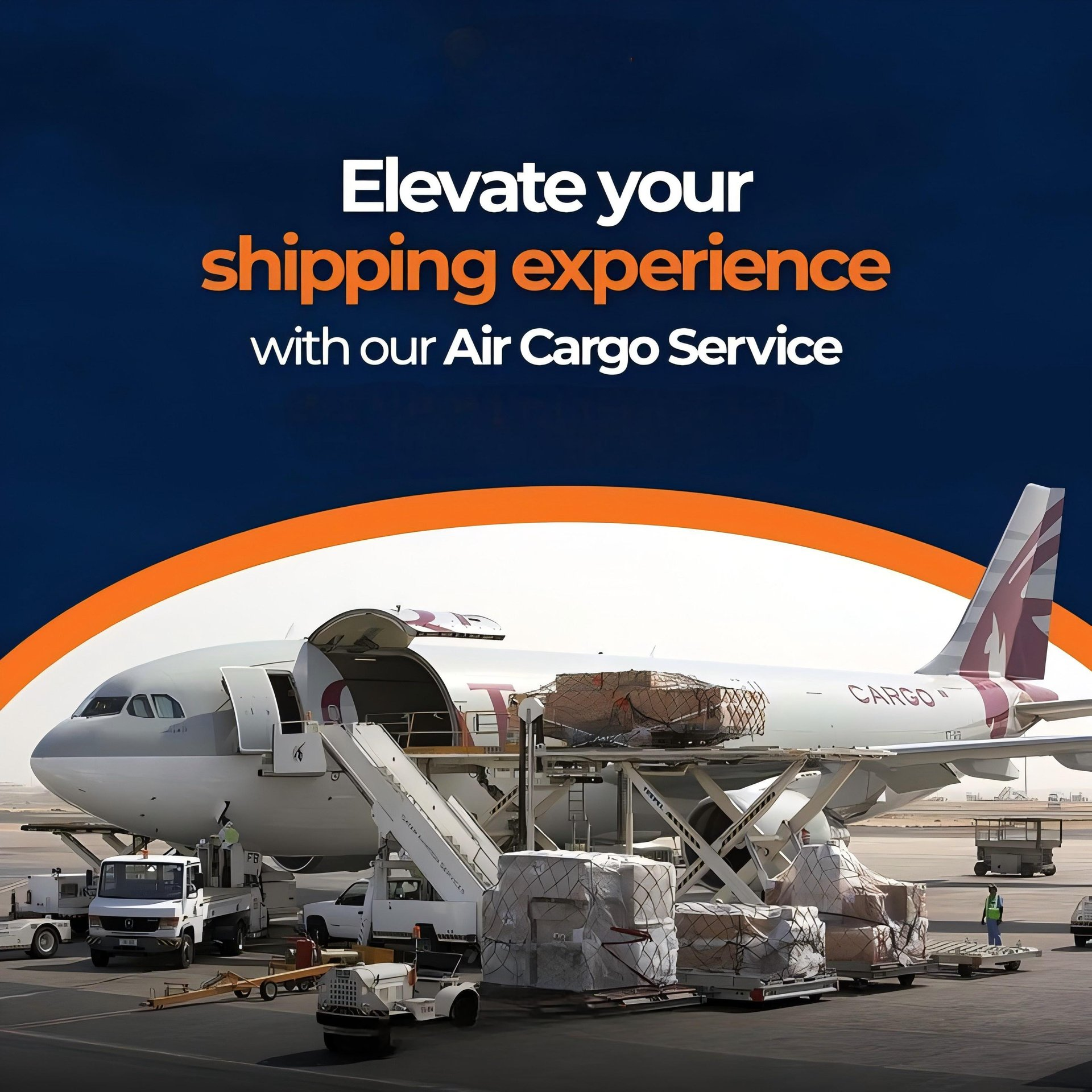
Freight Forwarder China Malaysia: 2026 Shipping and Logistics Guide
Navigating the complexities of international trade requires a reliable freight forwarder China Malaysia to maintain a seamless supply chain. Businesses often face challenges with fluctuating shipping costs and complex customs regulations when importing goods from Chinese manufacturing hubs. By partnering with an expert like DSV-Freight, you can streamline your logistics and ensure timely delivery to your Malaysian destination. This comprehensive guide provides the latest 2026 market insights to help you optimize your shipping strategy and reduce operational overhead.
Why You Need a Professional Freight Forwarder China Malaysia in 2026
Managing international shipments involves coordinating multiple carriers, handling complex documentation, and navigating varied port regulations. Consequently, a professional logistics partner becomes essential for businesses looking to scale their import operations efficiently. Furthermore, the 2026 logistics landscape has evolved with new digital tracking requirements and updated trade agreements between China and ASEAN nations. Therefore, choosing a partner with local expertise ensures your cargo moves through the system without unnecessary delays.
Moreover, shipping costs can fluctuate significantly based on seasonal demand and fuel surcharges. A seasoned logistics provider offers the advantage of volume-based pricing and established relationships with major shipping lines. Additionally, they provide critical support during peak seasons when space on vessels and aircraft becomes limited. By leveraging their industry connections, you can secure more competitive rates and reliable schedules for your cargo.
Exploring Sea Freight Options for Large Volume Shipments
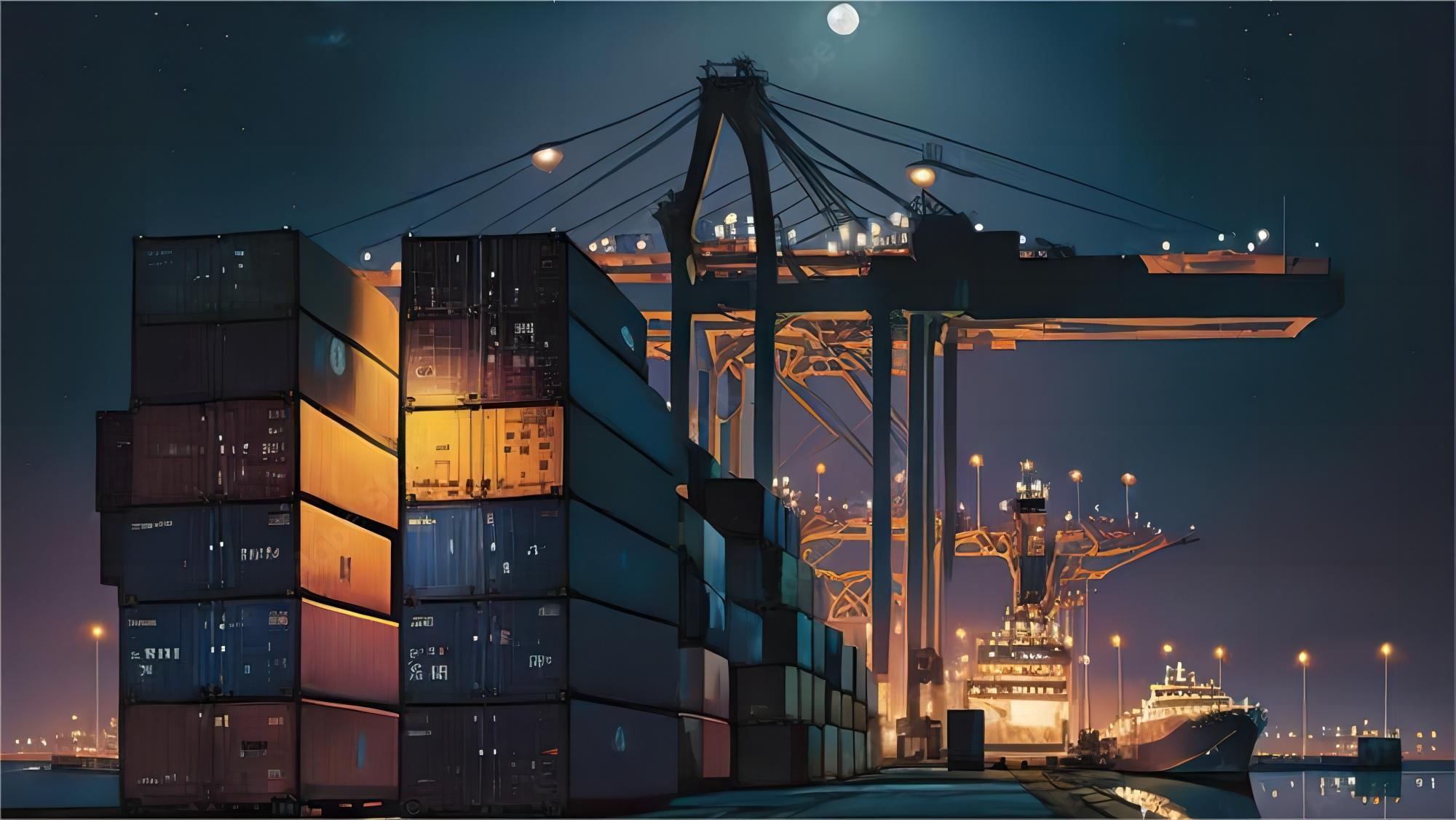
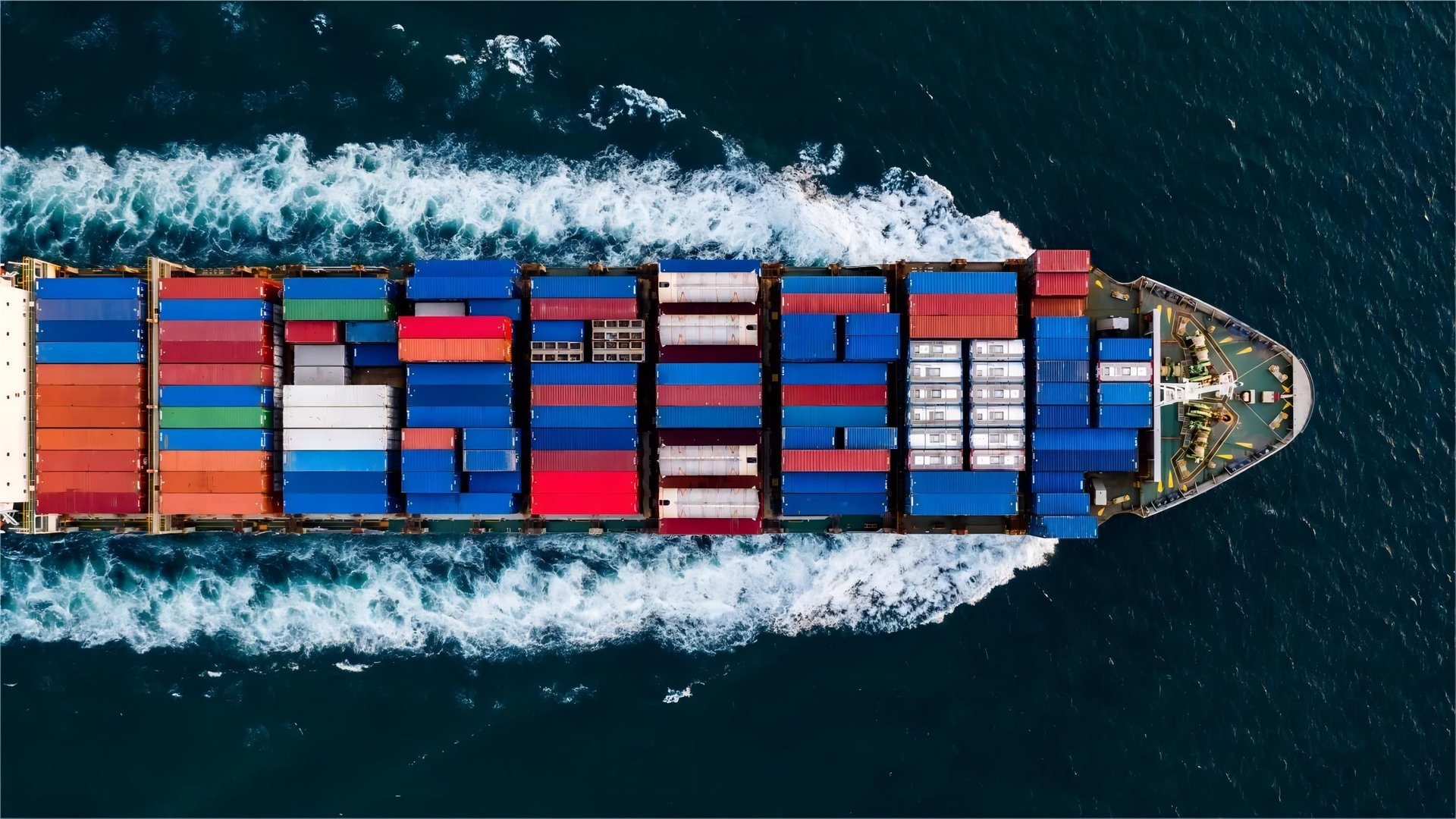
Ocean transport remains the most cost-effective method for moving bulk goods across the South China Sea. Specifically, sea freight provides the capacity needed for heavy machinery, furniture, and large-scale consumer electronics. Meanwhile, businesses can choose between Full Container Load (FCL) and Less than Container Load (LCL) based on their specific inventory needs. Indeed, FCL is ideal for those who have enough goods to fill a 20ft or 40ft container, offering better security and faster transit times.
On the other hand, LCL allows smaller businesses to share container space, making international trade accessible without requiring massive capital investment. However, LCL shipments may require extra time for consolidation at the origin and deconsolidation at the destination port. Consequently, you should plan your delivery schedule carefully to account for these additional handling steps. Nevertheless, the cost savings associated with ocean transport often outweigh the longer transit times for non-urgent inventory.
| Origin Port | Destination Port | Transit Time (Days) | Service Frequency |
|---|---|---|---|
| Shenzhen | Port Klang | 5-7 Days | Daily |
| Shanghai | Port Klang | 9-12 Days | Bi-weekly |
| Ningbo | Penang | 10-14 Days | Weekly |
| Guangzhou | Johor Bahru | 6-8 Days | Daily |
How Does Sea Freight Compare to Other Shipping Options?
Comparing different transport modes is vital for balancing your budget and delivery requirements. While ocean transport is economical, air freight offers unparalleled speed for high-value or perishable items. For instance, a shipment from Shenzhen to Kuala Lumpur might take a week by sea but only 24 to 48 hours by air. Furthermore, rail freight has emerged as a viable middle-ground option for certain inland routes, though it remains less common for the China-Malaysia corridor compared to maritime routes.
Additionally, the total landed cost involves more than just the base freight rate. You must consider insurance, port fees, and trucking costs when evaluating different methods. Therefore, an objective analysis of all viable alternatives helps you choose the strategy that aligns with your business goals. For example, some companies utilize a hybrid approach, using air for urgent restocks and sea for their primary inventory replenishment.
| Shipping Method | Cost Range | Transit Time | Best For |
|---|---|---|---|
| Sea Freight (FCL) | $800 – $1,500 | 7-14 Days | Bulk Cargo |
| Air Freight | $3.50 – $6.50/kg | 1-3 Days | Urgent Goods |
| Express Service | $7.00 – $12.00/kg | 2-4 Days | Small Parcels |
| Road Freight | $1,200 – $2,200 | 10-15 Days | Cross-border |
Navigating Customs Brokerage and Import Regulations
Clearing customs in Malaysia requires precise documentation and adherence to the latest Royal Malaysian Customs Department guidelines. Specifically, utilizing a professional customs brokerage service can prevent costly delays and fines. Furthermore, items like electronics, food products, and chemicals may require specific permits from agencies like SIRIM or the Ministry of Health. Consequently, preparing your paperwork in advance is the most effective way to ensure a smooth transition through the port.
Moreover, understanding the Sales and Service Tax (SST) and import duties is crucial for calculating your total landed cost. Indeed, many goods from China benefit from preferential tariff rates under the ASEAN-China Free Trade Area (ACFTA). To qualify for these rates, you must provide a valid Certificate of Origin (Form E) along with your shipping documents. Without a doubt, having a logistics partner who understands these nuances can save your business thousands of dollars in unnecessary taxes.
The Benefits of Door to Door Shipping Services
Simplified logistics management is the primary advantage of choosing door to door delivery solutions. This service covers the entire journey from the manufacturer’s warehouse in China directly to your office or warehouse in Malaysia. Additionally, it eliminates the need for you to coordinate with multiple local trucking companies and customs agents. Therefore, you can focus on your core business activities while your freight forwarder handles the operational details.
Furthermore, door to door services often include all-in pricing, which makes budgeting much easier for small and medium-sized enterprises. This transparency helps avoid hidden fees that sometimes occur with port-to-port shipments. Meanwhile, real-time tracking technology allows you to monitor your cargo at every stage of the journey. Consequently, you can provide accurate delivery updates to your customers and manage your inventory more effectively.
Real Case Studies: China to Malaysia Logistics Success
Case Study 1: Electronics Distribution Success. Route: Shenzhen to Port Klang. Cargo: High-end consumer electronics, 28 CBM. Container: 40GP. Shipping Details: Direct carrier service with 6 days transit. Cost Breakdown: Ocean Freight $1,100, Origin Charges $250, Destination Charges $300, Customs Duties $450. Total Landed Cost: $2,100. Timeline: Booking to Loading 3 days, Sea Transit 6 days, Customs Clearance 2 days, Total Door-to-Door 11 days. Key Insight: Early booking and proper Form E documentation reduced the total cost by 15 percent.
Case Study 2: Furniture Retail Import. Route: Guangzhou to Penang. Cargo: Home furniture, 8 CBM. Container: LCL. Shipping Details: Transshipment via Singapore. Cost Breakdown: Ocean Freight $640, Origin Charges $180, Destination Charges $220, Customs Duties $350. Total Landed Cost: $1,390. Timeline: Booking to Loading 4 days, Sea Transit 9 days, Customs Clearance 3 days, Total Door-to-Door 16 days. Key Insight: Consolidating multiple small orders into one LCL shipment saved the client significant warehouse fees in China.
Note: Freight rates are subject to change based on fuel costs, carrier capacity, and seasonal demand. Contact us for a current quote tailored to your specific shipment.
Which Shipping Option Should You Choose?
Selecting the right method depends on your specific priorities regarding speed, cost, and cargo type. If budget is your primary concern and you are moving large volumes, sea freight is the clear winner. However, if you are dealing with a stockout or launching a time-sensitive product, air freight justifies its higher price tag. Additionally, for small e-commerce parcels, using an express service is often the most efficient choice due to simplified customs processes.
Furthermore, consider the nature of your cargo before making a final decision. Fragile items may benefit from the reduced handling associated with air transport or FCL sea freight. Consequently, you should evaluate the risk of damage versus the cost of transport for each shipment. Ultimately, a balanced logistics strategy often involves using a mix of these services to meet different market demands throughout the year.
Mastering Your China to Malaysia Supply Chain
Successfully importing goods requires a deep understanding of the logistics industry and a dependable freight forwarder China Malaysia. By considering the various shipping methods, from sea and air to door to door services, you can build a more resilient business model. Furthermore, staying informed about 2026 market trends and customs regulations will help you avoid common pitfalls and delays. Moreover, the right partnership allows you to focus on growth while your cargo is in safe hands.
In conclusion, the key to logistics success lies in careful planning, accurate documentation, and proactive communication with your freight partner. Whether you are shipping small parcels or full containers, the strategies outlined in this guide will help you navigate the 2026 trade landscape with confidence. Start optimizing your routes today to gain a competitive edge in the Malaysian market.
Ready to streamline your logistics?
Streamline your international trade operations today by partnering with a reliable freight forwarder China Malaysia. Our team of logistics experts is ready to provide you with a customized quote and a comprehensive shipping strategy tailored to your business needs. Contact us now to discover how we can optimize your supply chain and reduce your 2026 shipping costs. Visit our inquiry page to get started with your free consultation.
Request Quote