
Freight Forwarder China Thailand: Best 2026 Shipping Guide
Securing a professional freight forwarder China Thailand is a critical step for businesses navigating the robust trade lanes of Southeast Asia in 2026. As market dynamics evolve, companies require sophisticated logistics partners to manage complex supply chains and ensure timely delivery. Consequently, this comprehensive guide explores the most efficient shipping methods, cost-saving strategies, and regulatory requirements to help you optimize your regional operations.
Why Hire a Professional Freight Forwarder China Thailand?
Modern trade between these two nations involves intricate customs protocols and diverse transport modes. Therefore, a specialized agent provides the necessary local expertise to navigate the 2026 logistics landscape effectively. Moreover, they manage the entire documentation process, which reduces the risk of expensive port delays.
Logistics trends in 2026 suggest that digital tracking and automated clearance are now industry standards. Consequently, working with an experienced partner ensures your business stays competitive by utilizing the latest supply chain technologies. Furthermore, they offer consolidated shipping options that significantly lower your overall freight rates.
Air Freight Solutions for Rapid Delivery
When speed is your primary concern, air freight offers the fastest transit times between major Chinese hubs and Bangkok. This method is particularly suitable for high-value electronics, fashion items, or perishable goods that require immediate shelf placement. Indeed, most air shipments arrive within three to five business days.
However, air transport remains the most expensive option per kilogram. To mitigate these costs, businesses should optimize their packaging to reduce volumetric weight. Additionally, booking in advance during the 2026 peak seasons can help secure more favorable rates from major carriers.
Cost-Effective Sea Freight Strategies
For larger volumes, sea freight remains the backbone of international trade due to its incredible cost efficiency. Specifically, Full Container Load (FCL) shipping provides a secure environment for massive cargo quantities. Meanwhile, Less than Container Load (LCL) options allow smaller businesses to share space and costs.
Transit times for ocean transport typically range from 12 to 18 days depending on the specific port of origin. Notably, the route from Shenzhen to Laem Chabang is one of the busiest and most reliable lanes in the region. Consequently, businesses often choose this method for furniture, machinery, and raw materials.
| Shipping Method | Average Cost (2026) | Transit Time | Best For |
|---|---|---|---|
| Air Freight | $3.50 – $6.00 / kg | 3 – 5 Days | High-value goods |
| Sea FCL (20GP) | $850 – $1,300 | 12 – 18 Days | Bulk shipments |
| Sea LCL | $45 – $80 / CBM | 15 – 22 Days | Small volumes |
| Cross-Border Truck | $150 – $250 / CBM | 7 – 10 Days | Mid-range urgency |
The Land Bridge: Cross-Border Trucking Advantages
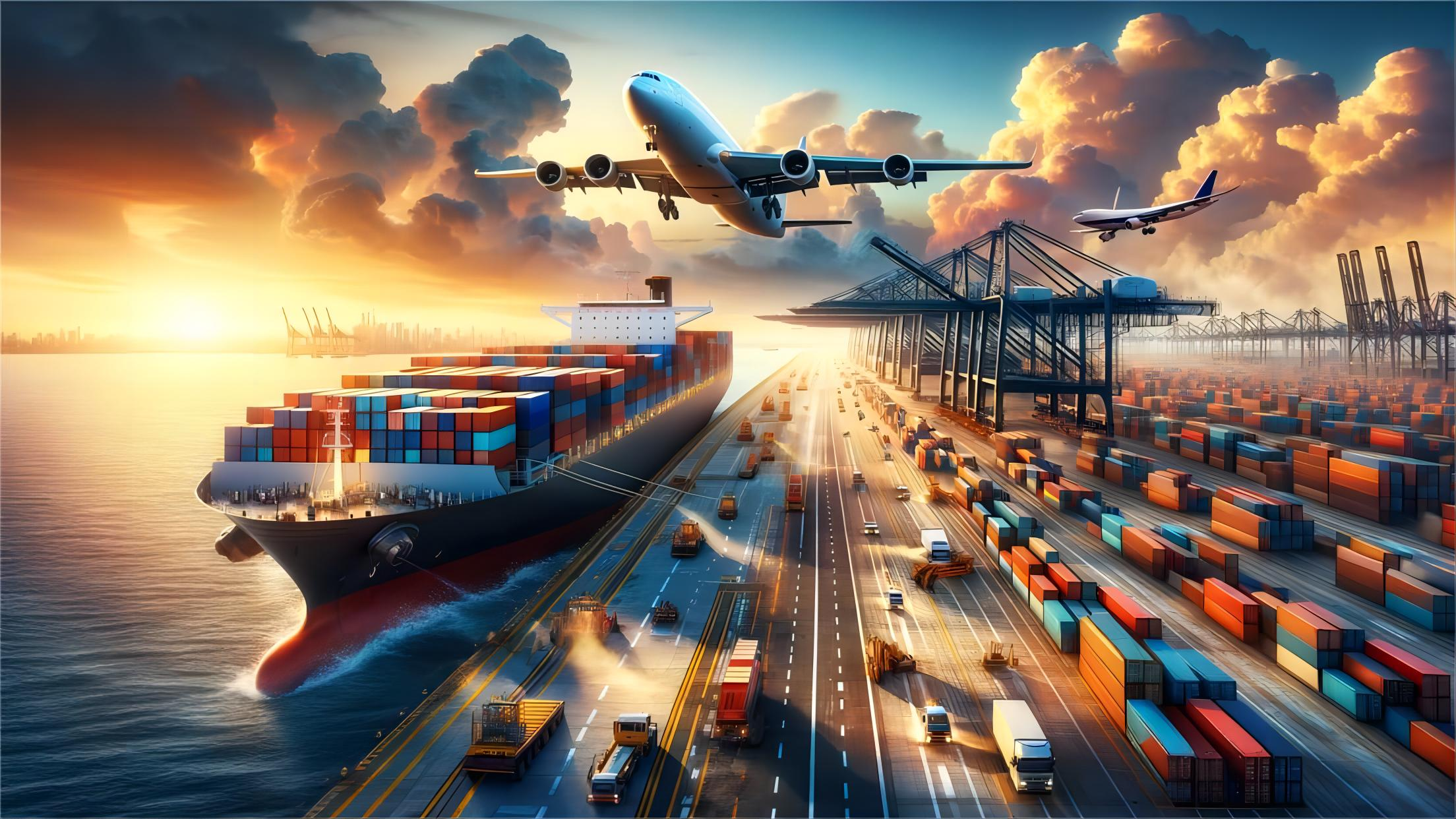
Cross-border trucking has emerged as a powerful alternative to traditional sea and air modes in 2026. This method utilizes the well-developed highway networks connecting Southern China through Laos or Vietnam into Thailand. Therefore, it offers a perfect middle ground between the speed of air and the economy of sea transport.
Furthermore, trucking provides door-to-door flexibility that many other methods cannot match. Specifically, it eliminates multiple cargo handling stages, which reduces the risk of damage to sensitive items. Consequently, many automotive and electronics manufacturers now prefer this land-based strategy for regional distribution.
How Does Sea Freight Compare to Other Shipping Options?
Evaluating the trade-offs between different transport modes is essential for maintaining a healthy bottom line. While sea freight offers the lowest price point, it requires longer lead times and higher inventory carrying costs. In contrast, air freight minimizes inventory time but consumes a larger portion of your operational budget.
Moreover, trucking offers a unique value proposition for shipments originating in Southern China provinces like Yunnan or Guangdong. For instance, a truck can reach Bangkok in roughly half the time of a ship for a fraction of the air freight cost. Therefore, a hybrid strategy often yields the best results for diverse product portfolios.
| Shipping Method | Cost Range | Transit Time | Best For | Limitations |
|---|---|---|---|---|
| Sea Freight | Low | 12-20 Days | Bulk Cargo | Slowest speed |
| Air Freight | Very High | 3-5 Days | Urgent Items | High cost |
| Trucking | Medium | 7-10 Days | Regional Trade | Weather sensitive |
| Express | High | 2-4 Days | Samples/Docs | Weight limits |
Navigating Thailand Customs Clearance and Documentation
Successful importation requires strict adherence to the latest 2026 customs brokerage regulations in Thailand. Specifically, the Thai Customs Department requires accurate Harmonized System (HS) codes for every item in your shipment. Consequently, errors in classification can lead to heavy fines or even cargo seizure at the border.
Moreover, businesses should leverage the ASEAN-China Free Trade Agreement to reduce or eliminate import duties. Therefore, obtaining a valid Form E Certificate of Origin is mandatory for qualifying products. Additionally, ensuring your packing list and commercial invoice match perfectly will accelerate the clearance process significantly.
| Document Name | Purpose | Required For | Critical Tip |
|---|---|---|---|
| Commercial Invoice | Tax Valuation | All Shipments | Must match HS codes |
| Packing List | Cargo Verification | All Shipments | Detail every item |
| Form E | Duty Reduction | ASEAN-China FTA | Apply before loading |
| Bill of Lading | Title of Goods | Sea Freight | Check for accuracy |
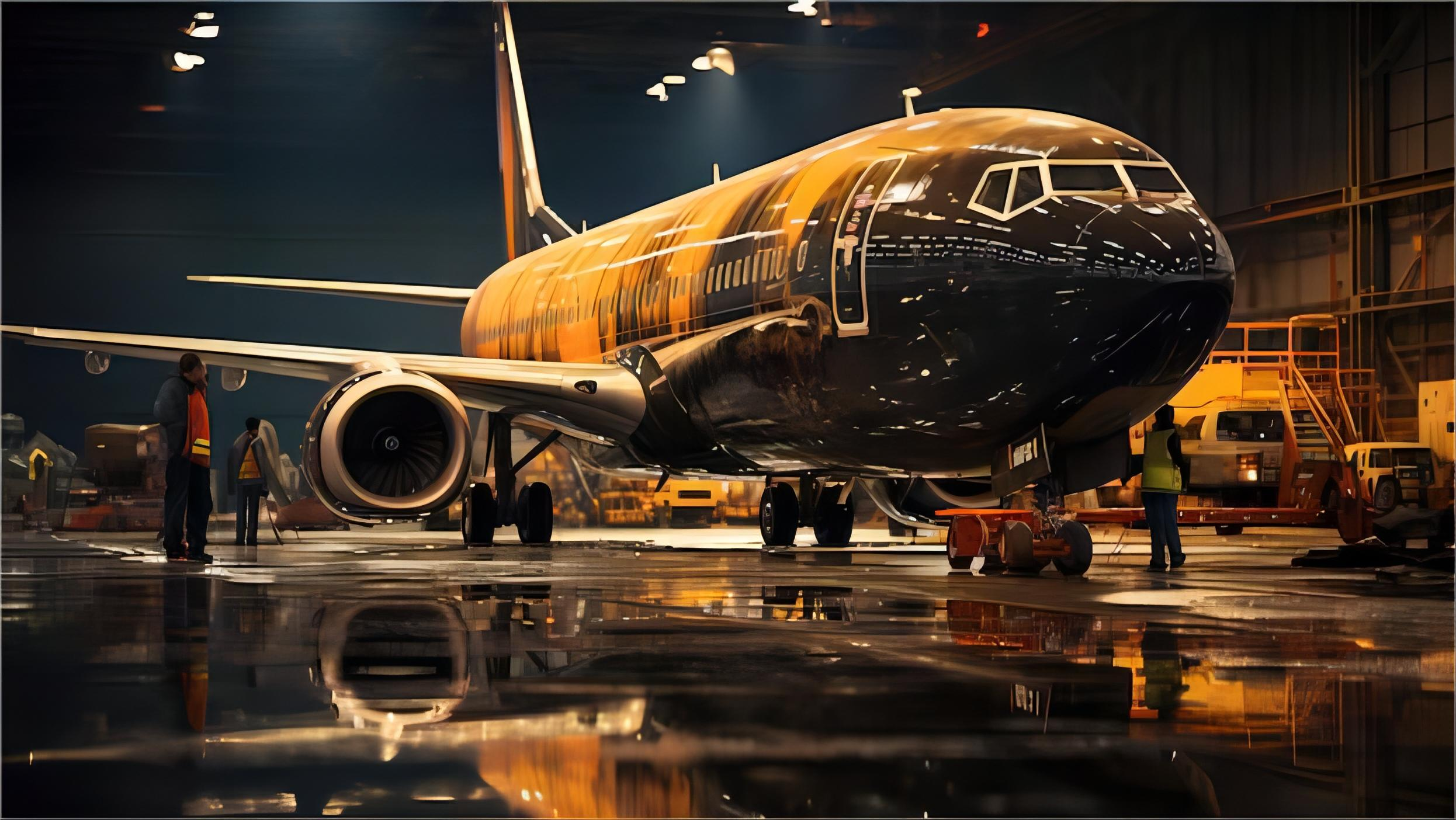
Comprehensive Door to Door Shipping Solutions
Choosing a door to door service simplifies the entire logistics chain by providing a single point of contact. This comprehensive solution covers everything from factory pickup in China to final delivery at your warehouse in Thailand. Consequently, it removes the burden of managing multiple vendors and disparate schedules.
Furthermore, these services often include integrated warehousing and distribution options for businesses without their own storage facilities. Specifically, your freight forwarder China Thailand manages the transfers between different transport modes seamlessly. Therefore, you can focus on sales and marketing while the experts handle the physical movement of your goods.
Case Studies: Real-World Shipping Scenarios
Case Study 1: Solar Panel Distribution. Route: Ningbo, China to Bangkok, Thailand. Cargo: Solar Panels, 18 CBM, 4500 kg. Container: 20GP. Shipping Details: Major carrier via direct sea route. Port of Loading: Ningbo. Port of Discharge: Bangkok. Cost Breakdown: Ocean Freight $950, Origin Charges $250, Destination Charges $300, Customs and Duties $0 (Form E applied). Total Landed Cost: $1,500. Timeline: Booking to Loading 3 days, Sea Transit 14 days, Customs Clearance 2 days, Total Door-to-Door 19 days. Key Insight: Utilizing Form E saved the client 10 percent in import taxes.
Case Study 2: Fashion E-commerce. Route: Guangzhou, China to Bangkok, Thailand. Cargo: Apparel and Accessories, 2 CBM, 400 kg. Method: LCL Sea Freight. Port of Loading: Guangzhou. Port of Discharge: Laem Chabang. Cost Breakdown: Ocean Freight $160, Documentation $100, Local Delivery $120. Total Landed Cost: $380. Timeline: Total Door-to-Door 14 days. Key Insight: LCL allowed the boutique to maintain frequent inventory refreshes without the cost of a full container.
Case Study 3: Urgent Industrial Parts. Route: Shanghai, China to Bangkok, Thailand. Cargo: CNC Machine Components, 150 kg. Method: Air Freight. Shipping Details: Direct flight service. Cost Breakdown: Air Freight $750, Handling $150, Express Delivery $100. Total Landed Cost: $1,000. Timeline: Total Door-to-Door 4 days. Key Insight: Air freight prevented a factory shutdown that would have cost the client thousands per day.
Which Option Should You Choose?
Determining the best shipping strategy depends on your specific budget, timeline, and cargo characteristics. If your priority is absolute cost savings, sea freight is the logical choice for large volumes. On the other hand, if you need to meet a strict deadline, express service or air freight is worth the premium price.
Volume thresholds also play a major role in your decision-making process. For instance, shipments under 1 CBM are usually most economical via express courier or LCL sea freight. However, once you exceed 15 CBM, a 20GP container often becomes more cost-effective than multiple LCL shipments. Consequently, you should always request a comparative quote to see which method fits your current needs.
Mastering Your China to Thailand Logistics
Navigating the trade route between China and Thailand in 2026 offers significant opportunities for business growth. By selecting the right shipping method and ensuring all documentation is accurate, you can minimize costs and maximize efficiency. Remember that a reliable freight forwarder China Thailand is your most valuable asset in this process.
Ultimately, successful logistics is about balance between speed, cost, and reliability. Whether you choose the speed of air or the economy of sea, staying informed about market trends will keep your supply chain resilient. We encourage you to evaluate your shipping needs regularly and partner with experts who can adapt to the changing global landscape.
Need a tailored shipping solution?
Optimizing your logistics between China and Thailand requires a partner who understands the intricacies of the 2026 market. Our team provides tailored solutions for sea, air, and land transport to ensure your cargo arrives safely and on schedule. Contact us today to receive a competitive quote from a premier freight forwarder China Thailand. Visit our inquiry page to start: https://alibabaforwarder.com/