


Get an Accurate Shipping from China to Europe Quote: 2026 Guide
“Securing a competitive shipping from china to europe quote is the first step toward optimizing your international supply chain in 2026. Many businesses struggle with fluctuating freight rates and complex customs regulations that can delay delivery or inflate costs. By partnering with a reliable logistics provider like DSV-Freight, you can navigate these challenges with confidence and precision. This comprehensive guide explores the various factors influencing your total landed cost while providing actionable insights into modern shipping strategies.”
What Factors Influence Your Shipping from China to Europe Quote?
❖Determining the final price for your shipment involves more than just calculating the distance between two ports. For instance, the weight and volume of your cargo play a primary role in deciding whether you need a full container or a smaller shared space. Additionally, the specific nature of your goods, such as hazardous materials or oversized machinery, will significantly impact the handling fees charged by carriers.
Fuel surcharges and seasonal demand fluctuations are also critical components of any modern logistics budget. During the peak season from August to October, rates typically increase by 15-25 percent as retailers prepare for the holiday rush. Furthermore, the choice of incoterms, such as FOB or DDP, dictates which party is responsible for specific costs like insurance and local trucking.
Market intelligence from early 2026 suggests that port congestion in Northern Europe has stabilized, leading to more predictable pricing structures. Nevertheless, shippers must remain vigilant about geopolitical shifts that can alter fuel costs or transit routes overnight. Consequently, obtaining a current quote that reflects real-time market conditions is essential for maintaining your profit margins.
How Does Sea Freight Compare to Other Shipping Options?
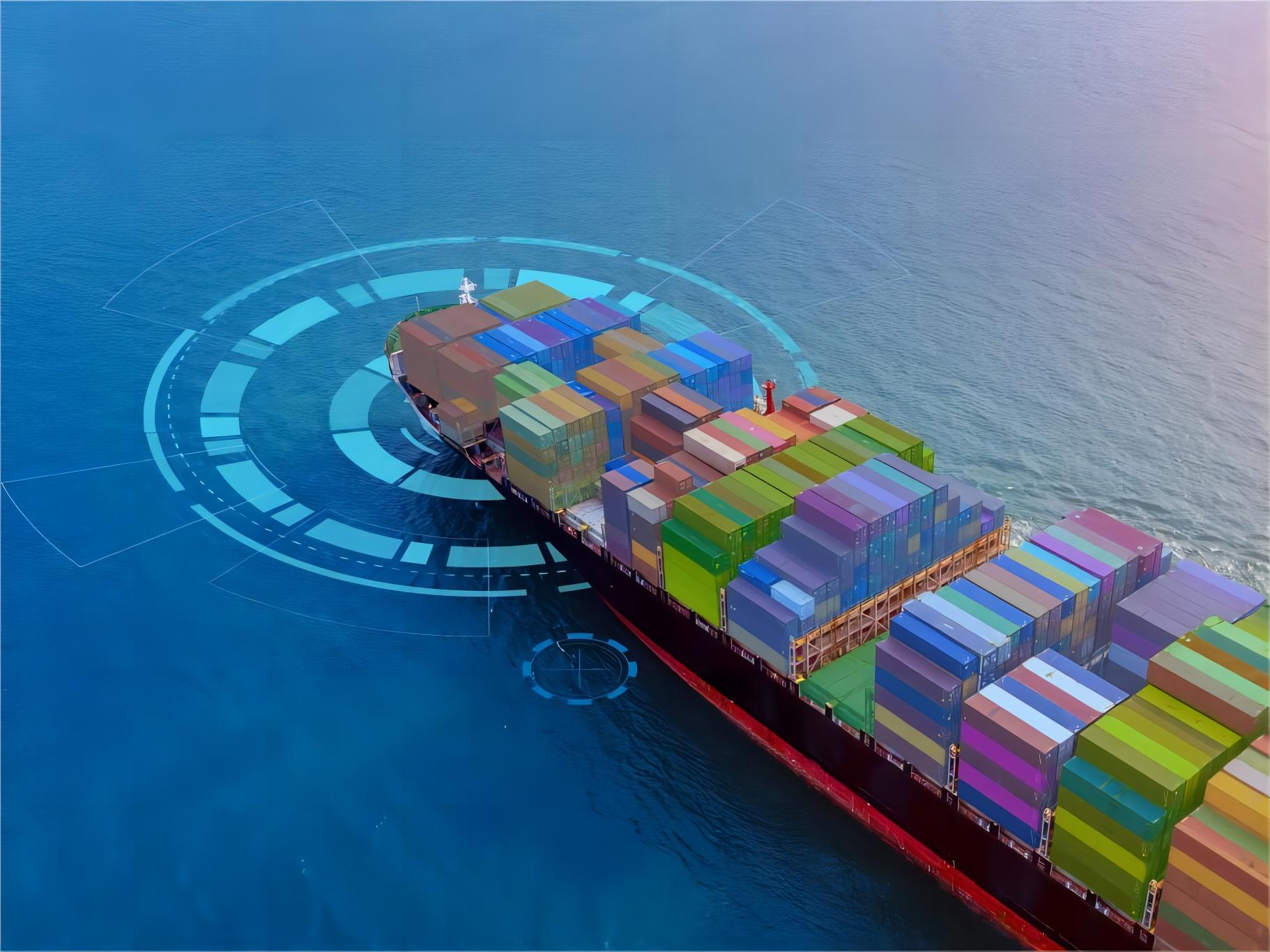
❖In the realm of global trade, sea freight remains the most cost-effective method for transporting large volumes of goods across the ocean. While it offers the lowest price per unit, it also requires the longest transit times, often ranging from 30 to 45 days. Therefore, businesses must plan their inventory levels carefully to account for this extended lead time.
Comparing ocean transport to other modes reveals significant trade-offs between speed and expenditure. For example, a 40HQ container might cost a fraction of what air cargo would for the same volume, but the delay could result in lost sales opportunities. Moreover, sea freight is less susceptible to the weight-based pricing models that make air transport expensive for heavy machinery.
To help you decide, we have compiled a comparison of the primary shipping methods available for the China-Europe route based on Q1 2026 market data.
| Shipping Method | Cost Range (USD) | Transit Time | Best For |
|---|---|---|---|
| Sea Freight (FCL) | $2,500 – $4,200 | 30-45 Days | Bulk Goods & Large Volumes |
| Rail Freight | $4,000 – $6,500 | 18-24 Days | Mid-value Electronics |
| Air Freight | $5.50 – $9.00/kg | 5-8 Days | High-value & Urgent Items |
| Express Service | $8.50 – $12.00/kg | 3-5 Days | Samples & Small Parcels |

Why Rail Freight is the Middle Ground for European Importers
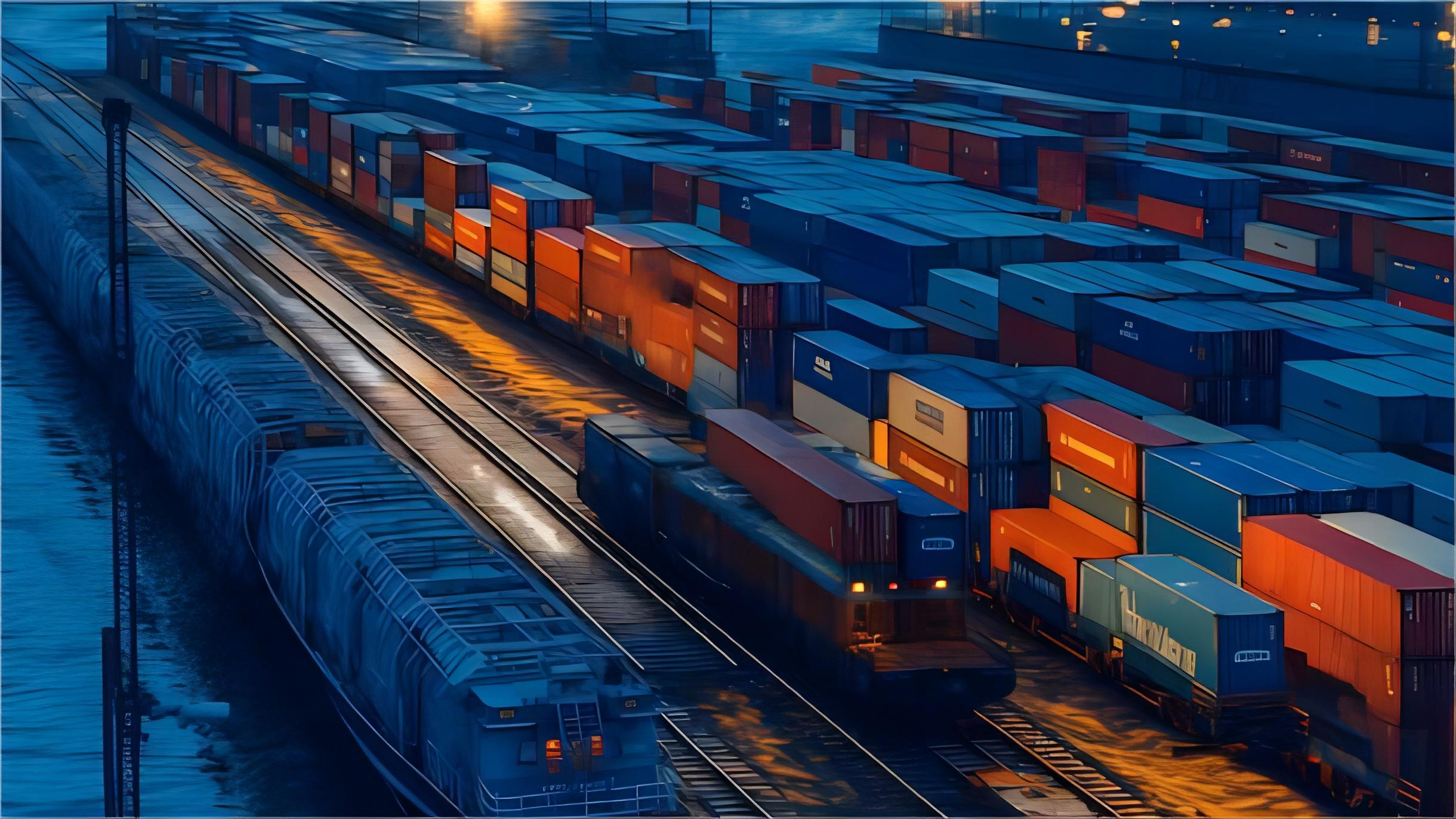
❖For many importers, rail freight provides the perfect balance between the speed of air and the economy of sea transport. The Silk Road rail network has expanded significantly in 2025 and 2026, offering direct connections from hubs like Xi’an and Chengdu to Warsaw, Hamburg, and Liege. Consequently, rail has become a preferred choice for automotive parts and consumer electronics manufacturers.
Transit times for rail are approximately 50 percent faster than traditional ocean routes, allowing for quicker capital turnover. Additionally, rail transport is generally considered more environmentally friendly than air or sea options, which aligns with the increasing focus on sustainability in European markets. Indeed, many logistics managers now include rail as a core component of their diverse supply chain strategies.
However, it is important to note that rail capacity can be limited during periods of high demand. Shippers should book their space at least two weeks in advance to ensure their cargo makes it onto the scheduled departures. Without a doubt, rail offers a resilient alternative when sea ports are congested or air rates are prohibitively high.
When to Choose Air Freight for Rapid Delivery
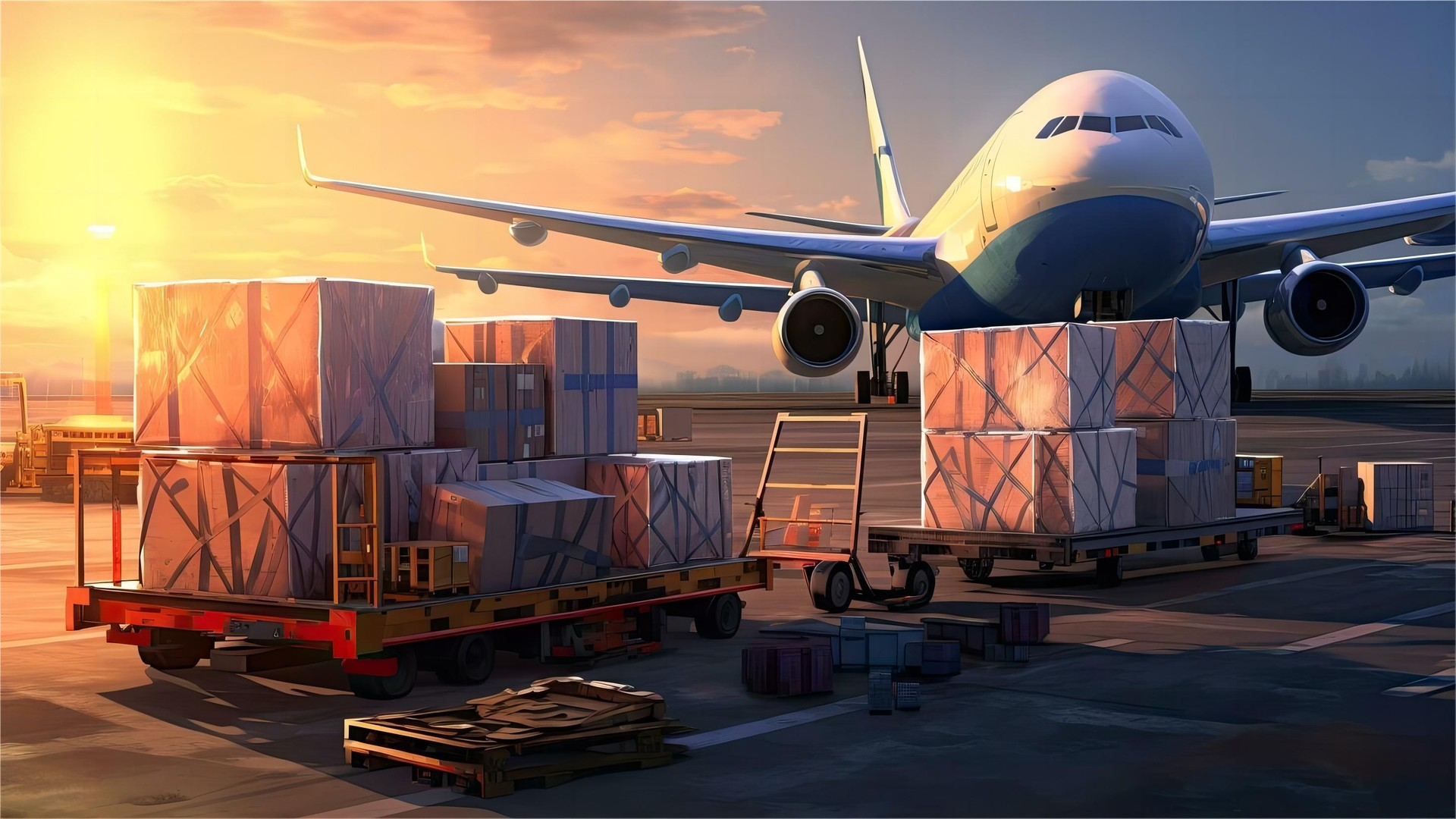
❖When time is the most critical factor, air freight is the undisputed leader for international logistics. This method is ideal for high-value goods, perishable items, or emergency shipments that need to reach the European market within a few days. As a result, industries such as fashion and technology frequently rely on air cargo to meet tight launch deadlines.
Although the costs are significantly higher than other modes, the reduction in inventory holding costs can sometimes offset the premium price. Furthermore, air transport offers higher levels of security and a lower risk of damage compared to long-haul ocean voyages. Meanwhile, the streamlined customs processes at major airports often lead to faster final-mile delivery.
Typical air cargo rates for 2026 have remained relatively stable due to increased belly capacity in passenger planes. Nevertheless, prices can spike during product launches or global events. Therefore, always request a specific quote for your cargo dimensions to avoid unexpected surcharges.
The Role of Customs Brokerage in Your Final Quote
❖Navigating the complex world of European Union import regulations requires a professional customs brokerage service. Your shipping quote should ideally include assistance with HS code classification, duty calculations, and VAT payments. Failure to accurately declare goods can lead to significant fines and prolonged delays at the border.
In 2026, the EU has implemented stricter environmental and safety standards for imported products. Consequently, having a broker who understands these evolving requirements is more important than ever. In addition, they can help you identify potential duty relief programs or trade agreements that could lower your total landed cost.
To ensure a smooth process, you should have all necessary documentation ready, including the commercial invoice, packing list, and bill of lading. For instance, missing a single certificate of origin can halt an entire shipment for weeks. Accordingly, investing in expert customs advice is a proactive way to protect your supply chain from unnecessary disruptions.
Which Option Should You Choose? Decision Framework
❖Selecting the right shipping method requires a careful analysis of your business priorities and cargo characteristics. If your primary goal is to minimize costs and your lead times are flexible, sea freight is almost always the best choice. On the other hand, if you are shipping high-margin products with a short shelf life, the speed of air freight justifies the expense.
For shipments that fall in between these extremes, rail freight offers a compelling value proposition. For example, if you have a 15 CBM shipment that is too small for a full container but too heavy for air, rail LCL (Less than Container Load) provides a cost-effective solution. Moreover, hybrid strategies like sea-air combinations can offer a compromise between cost and speed.
Consider the following criteria when making your final decision: Budget priority points toward sea, speed priority points toward air, and reliability for inland destinations often points toward rail. By evaluating these factors against your specific shipping from china to europe quote, you can select the most efficient path for your goods.
| Priority | Recommended Method | Key Advantage | Trade-off |
|---|---|---|---|
| Lowest Cost | Sea Freight (LCL/FCL) | Maximum Savings | Longest Transit |
| Fastest Delivery | Air Freight | Market Speed | High Expense |
| Balanced Value | Rail Freight | Reliable Schedule | Regional Limits |
| Small Samples | Express Courier | Door-to-Door Ease | Weight Limits |
Case Studies: Real-World Shipping Scenarios in 2026
❖Case Study 1: Solar Panel Shipment to Germany Route: Ningbo, China to Hamburg, Germany Cargo: Solar Panels, 28 CBM, 12,500 kg Container: 1 x 40GP Shipping Details: – Carrier: Major Ocean Carrier – Port of Loading: Ningbo – Port of Discharge: Hamburg – Route Type: Direct Cost Breakdown: – Ocean Freight: $3,200 – Origin Charges: $450 – Destination Charges: $600 – Customs & Duties: $1,200 – Total Landed Cost: $5,450 Timeline: – Sea Transit: 34 days – Total Door-to-Door: 42 days Key Insight: Using FCL for solar panels ensured minimal handling and reduced the risk of breakage during the long sea voyage.
Case Study 2: Electronics Components to Poland Route: Shenzhen, China to Warsaw, Poland Cargo: Circuit Boards, 4 CBM, 800 kg Container: Rail LCL Shipping Details: – Service: China-Europe Railway Express – Origin: Shenzhen Hub – Destination: Warsaw Terminal – Route Type: Trans-Siberian Route Cost Breakdown: – Rail Freight: $1,100 – Origin Charges: $250 – Destination Charges: $300 – Customs & Duties: $850 – Total Landed Cost: $2,500 Timeline: – Rail Transit: 19 days – Total Door-to-Door: 25 days Key Insight: Rail freight provided a 15-day time saving over sea freight at only 40 percent of the cost of air freight.
Case Study 3: Urgent Fashion Samples to France Route: Guangzhou, China to Paris, France Cargo: Apparel Samples, 0.5 CBM, 45 kg Shipping Method: Express Service Cost Breakdown: – Express Rate: $480 – Surcharges: $60 – Total Landed Cost: $540 Timeline: – Total Door-to-Door: 4 days Key Insight: Express service was chosen for its guaranteed delivery date, which was essential for a seasonal fashion show launch.
Understanding the Impact of 2026 Logistics Trends
❖As we progress through 2026, several logistics trends are reshaping how companies request a shipping from china to europe quote. Digitalization has allowed for much greater transparency, with real-time tracking now being a standard expectation rather than a premium feature. Furthermore, the integration of AI in route optimization is helping carriers reduce fuel consumption and improve schedule reliability.
Regionalization of supply chains is another major trend, with some companies moving assembly closer to Europe while still sourcing components from China. This shift has changed the type of cargo being shipped, with a higher percentage of semi-finished goods now moving via rail and air. Consequently, freight forwarders are adapting their service offerings to provide more flexible warehousing and consolidation options.
Finally, the focus on ‘Green Logistics’ is no longer optional for European businesses. Many companies now require carbon footprint reports as part of their shipping documentation. Therefore, choosing a forwarder that offers carbon offset programs or uses low-emission transport methods can provide a competitive advantage in the European market.
Final Thoughts on China to Europe Shipping
Navigating the complexities of international trade requires a strategic approach to logistics and a clear understanding of your shipping from china to europe quote. By weighing the benefits of sea, air, and rail freight, you can find the perfect balance between cost-efficiency and delivery speed. Remember that market conditions in 2026 are dynamic, making it essential to work with a partner who provides real-time data and expert customs guidance.
Whether you are shipping bulk industrial goods or urgent consumer electronics, the right strategy will protect your margins and ensure customer satisfaction. To summarize, successful importing depends on proactive planning, accurate documentation, and a willingness to adapt to new logistics trends. Start your journey today by requesting a detailed quote and taking control of your global supply chain.
Ready to streamline your logistics?
Are you ready to optimize your supply chain with a competitive shipping from china to europe quote? Contact our expert team at DSV-Freight today to receive a personalized logistics plan tailored to your business needs. Send Inquiry: https://alibabaforwarder.com/
Request Quote