

LCL Shipping China to USA: 2026 Guide to Rates and Logistics
Navigating the complexities of lcl shipping china to usa requires a strategic approach to maximize efficiency and minimize overhead costs. Businesses often struggle with fluctuating ocean freight rates and complex customs regulations when importing smaller volumes. At DSV-Freight, we simplify the logistics process by providing transparent consolidation services and expert guidance. This comprehensive guide explores everything from cost calculations to transit schedules, ensuring your cargo moves seamlessly across the Pacific in 2026.

What is LCL Shipping and How Does it Work?
Less than Container Load, commonly known as LCL, is a shipping method where multiple shippers share space within a single ocean container. Consequently, this approach allows businesses to transport smaller quantities of goods without paying for an entire 20-foot or 40-foot container. Shippers only pay for the volume they occupy, which is typically measured in cubic meters (CBM).
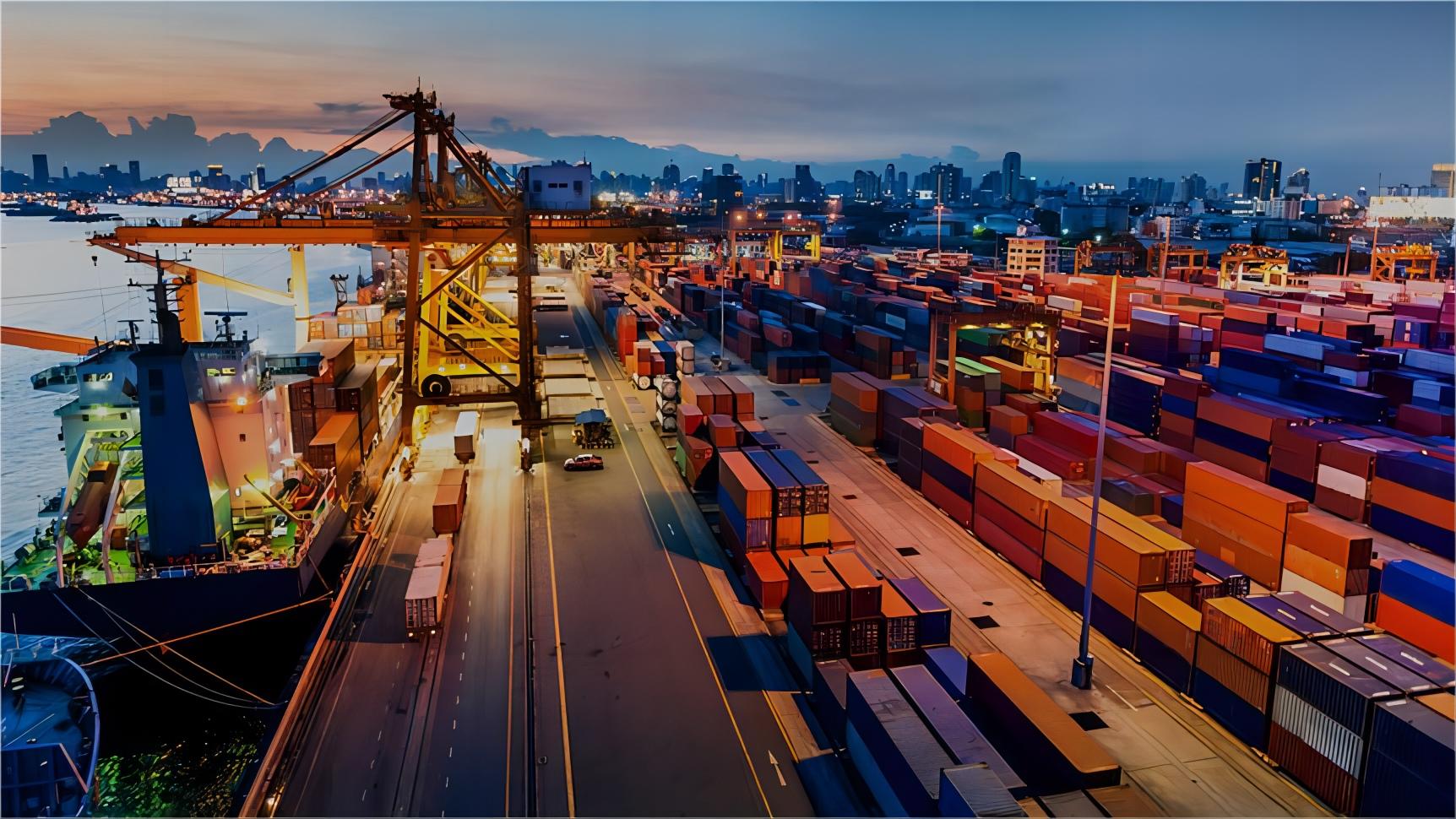
Consolidation happens at a Container Freight Station (CFS) where various shipments are packed together before departing from major Chinese ports. Furthermore, this process requires meticulous cargo handling to ensure that different types of goods are compatible and safely secured. Once the vessel reaches the United States, the container is moved to a local CFS for deconsolidation and individual delivery.
Choosing sea freight via LCL is often the most economical choice for shipments ranging from 1 to 15 CBM. Moreover, it provides a flexible middle ground for companies that have outgrown express air services but do not yet have the volume for full containers. Understanding the nuances of this method is essential for optimizing your global supply chain.
LCL Shipping China to USA Cost Breakdown for 2026
Estimating the total landed cost of your shipment involves more than just looking at the base ocean freight rate. In 2026, market data suggests that LCL rates are influenced by fuel surcharges, port congestion fees, and seasonal demand spikes. Typically, you will encounter charges for pickup, export clearance, ocean freight, and destination handling.
Ocean freight rates for LCL are generally quoted per CBM or per 1,000 kg, whichever is greater. For instance, if you are shipping lightweight but bulky items, your cost will be based on the volume rather than the weight. Additionally, destination charges in the USA, such as the Terminal Handling Charge (THC) and DDC, can sometimes exceed the actual ocean freight cost.
Note: Freight rates are subject to change based on fuel costs, carrier capacity, and seasonal demand. Contact us for a current quote tailored to your specific shipment.
| Charge Component | Estimated Range (USD) | Unit | Notes |
|---|---|---|---|
| Ocean Freight | $40 – $90 | Per CBM | Port to Port only |
| Origin CFS Fee | $20 – $40 | Per CBM | Loading and docs |
| Destination CFS Fee | $50 – $120 | Per CBM | Unloading in USA |
| Customs Entry | $100 – $200 | Per Entry | Flat fee per shipment |
How Does LCL Compare to Other Shipping Options?
Evaluating different transport modes is crucial for balancing speed and budget in your logistics strategy. While LCL is cost-effective for medium-sized loads, air freight remains the go-to for urgent or high-value items. However, the price gap between sea and air can be significant, often making LCL the preferred choice for non-urgent inventory replenishment.
Full Container Load (FCL) becomes more attractive once your volume exceeds approximately 15 CBM. At this threshold, the flat rate for a 20GP container often results in a lower cost per unit than LCL consolidation. Meanwhile, express services are best suited for documents or very small parcels under 100 kg that require rapid delivery.
Hybrid solutions like sea-air combinations are also gaining traction in 2026 for shippers who need a compromise. These routes might involve shipping by sea to a hub like Dubai or Korea and then flying the cargo to the USA. Nevertheless, for the majority of standard consumer goods, direct LCL shipping remains the most reliable and affordable path.
| Shipping Method | Cost Range | Transit Time | Best For |
|---|---|---|---|
| LCL Sea Freight | Low ($) | 20-40 Days | 1-15 CBM shipments |
| FCL Sea Freight | Medium ($$) | 18-35 Days | Large volumes (15+ CBM) |
| Air Freight | High ($$$$) | 5-10 Days | Urgent, high-value goods |
| Express Service | Highest ($$$$$) | 3-6 Days | Small parcels < 100kg |

Which Option Should You Choose?
Budget priority dictates a move toward LCL or FCL depending on the total volume of your goods. If you are importing less than 12 CBM, LCL is almost always the most economical choice. Conversely, if your cargo is fragile or requires high security, FCL might be worth the extra cost even if the container is not full.
Speed priority requires a shift toward air freight or fast-transit sea options. Some carriers offer premium LCL services with guaranteed loading and expedited unloading at West Coast ports. These services can shave 5-7 days off the standard transit time for a slightly higher fee.
Cargo type considerations also play a role in your decision-making process. Hazardous materials or liquids may face stricter restrictions in LCL consolidation than in FCL. Therefore, always consult with your freight forwarder to ensure your specific commodity is eligible for shared container transport.
Transit Times for LCL Shipping China to USA
Shipping durations vary significantly depending on whether you are targeting the US West Coast or the East Coast. Typically, vessels sailing from Shanghai or Ningbo to Los Angeles or Long Beach take about 14 to 20 days. However, you must account for an additional 7 to 10 days for consolidation at the origin and deconsolidation at the destination.
East Coast destinations like New York or Savannah require longer journeys, often via the Panama Canal. These routes generally take 30 to 40 days in total. In 2026, port efficiency has improved, but seasonal peaks during the Golden Week or before the Lunar New Year can still cause delays.
Managing your delivery schedule requires a buffer for customs clearance and inland trucking. Using a door to door service can help streamline these final steps. By integrating all legs of the journey, you reduce the risk of communication gaps between different service providers.
Customs Documentation and Compliance
Navigating the legal requirements for US imports is a critical step in the lcl shipping china to usa process. You must provide a Commercial Invoice, Packing List, and a Bill of Lading for every shipment. Additionally, an ISF (Importer Security Filing) must be submitted to US Customs at least 24 hours before the vessel departs from China.
Failure to file the ISF on time can result in heavy fines and cargo holds. Furthermore, certain products may require specialized permits from agencies like the FDA or EPA. Working with a professional customs brokerage ensures that your paperwork is accurate and that you are paying the correct HTS duties.
Documentation errors are the leading cause of delivery delays and unexpected storage fees at the port. Indeed, verifying the accuracy of your supplier’s documents before the ship sails is a best practice. This proactive approach prevents costly corrections while the cargo is already in transit.

Case Study 1: Electronics from Shenzhen to Los Angeles
Route: Shenzhen, China to Los Angeles, USA. Cargo: Consumer Electronics, 4.5 CBM, 1200 kg. Container: LCL 5 CBM equivalent.
Shipping Details: Carrier: Major carrier. Port of Loading: Shenzhen. Port of Discharge: Los Angeles. Route Type: Direct.
Cost Breakdown: Ocean Freight: $380. Origin Charges: $190. Destination Charges: $450. Customs and Duties: $1,200. Total Landed Cost: $2,220.
Timeline: Booking to Loading: 4 days. Sea Transit: 16 days. Customs Clearance: 3 days. Total Door-to-Door: 28 days.
Key Insight: Based on Q3 2025 market rates, this shipment avoided peak season surcharges. The importer saved 60 percent compared to air freight while maintaining a reasonable inventory cycle.
Case Study 2: Home Decor from Ningbo to New York
Route: Ningbo, China to New York, USA. Cargo: Wooden Furniture, 8 CBM, 2500 kg. Container: LCL 8 CBM.
Shipping Details: Carrier: COSCO. Port of Loading: Ningbo. Port of Discharge: New York. Route Type: Transshipment via Panama Canal.
Cost Breakdown: Ocean Freight: $720. Origin Charges: $280. Destination Charges: $850. Customs and Duties: $650. Total Landed Cost: $2,500.
Timeline: Booking to Loading: 5 days. Sea Transit: 34 days. Customs Clearance: 4 days. Total Door-to-Door: 48 days.
Key Insight: This shipment occurred during the early 2026 peak. Despite longer transit times, the use of LCL allowed the small business to manage cash flow without committing to a full container.
Optimizing LCL for Amazon FBA Sellers
E-commerce businesses frequently utilize LCL to restock their US-based warehouses from Chinese manufacturers. Specifically, Amazon FBA requirements demand strict adherence to labeling and palletization standards. If your LCL shipment is not properly prepared, Amazon may reject the delivery, leading to significant extra costs.
Consolidators often offer value-added services such as labeling and palletizing at their Chinese warehouses. This ensures that the goods are ready for immediate acceptance upon arrival at the FBA fulfillment center. Moreover, choosing a forwarder experienced with Amazon’s appointment system (Carrier Central) is vital for timely delivery.
Inventory management becomes easier when you use LCL to send smaller, more frequent shipments. This strategy reduces long-term storage fees at Amazon warehouses and improves your inventory turnover ratio. Consequently, your business stays agile and can react quickly to changing market trends in the USA.
Final Thoughts on LCL Shipping China to USA
Mastering lcl shipping china to usa is a game-changer for businesses looking to scale their international trade operations efficiently. By understanding the cost structures, transit times, and documentation requirements, you can significantly reduce your logistics expenses. Furthermore, choosing the right freight forwarder ensures that your consolidated cargo is handled with care and delivered on schedule.
As we move through 2026, staying informed about market trends and port conditions will remain essential. Whether you are a small business owner or a logistics manager for a large corporation, LCL offers the flexibility needed in today’s dynamic global economy. Start optimizing your supply chain today by leveraging the power of smart consolidation.
Need a tailored shipping solution?
Ready to streamline your lcl shipping china to usa process? Contact our expert logistics team today for a customized quote and professional guidance on your next shipment. Visit our inquiry page to get started: Send Inquiry