


Sea Freight China Europe LCL: 2026 Ultimate Shipping Guide
“Navigating the complexities of international logistics requires a deep understanding of cost-effective solutions like sea freight china europe lcl. Businesses often face the challenge of shipping smaller volumes without incurring the high costs of full containers. By choosing DSV-Freight for your logistics needs, you can leverage professional consolidation services that optimize your supply chain efficiency. This guide explores how consolidated ocean transport provides a reliable and affordable pathway for modern importers in 2026.”
What is Sea Freight China Europe LCL and How Does it Work?
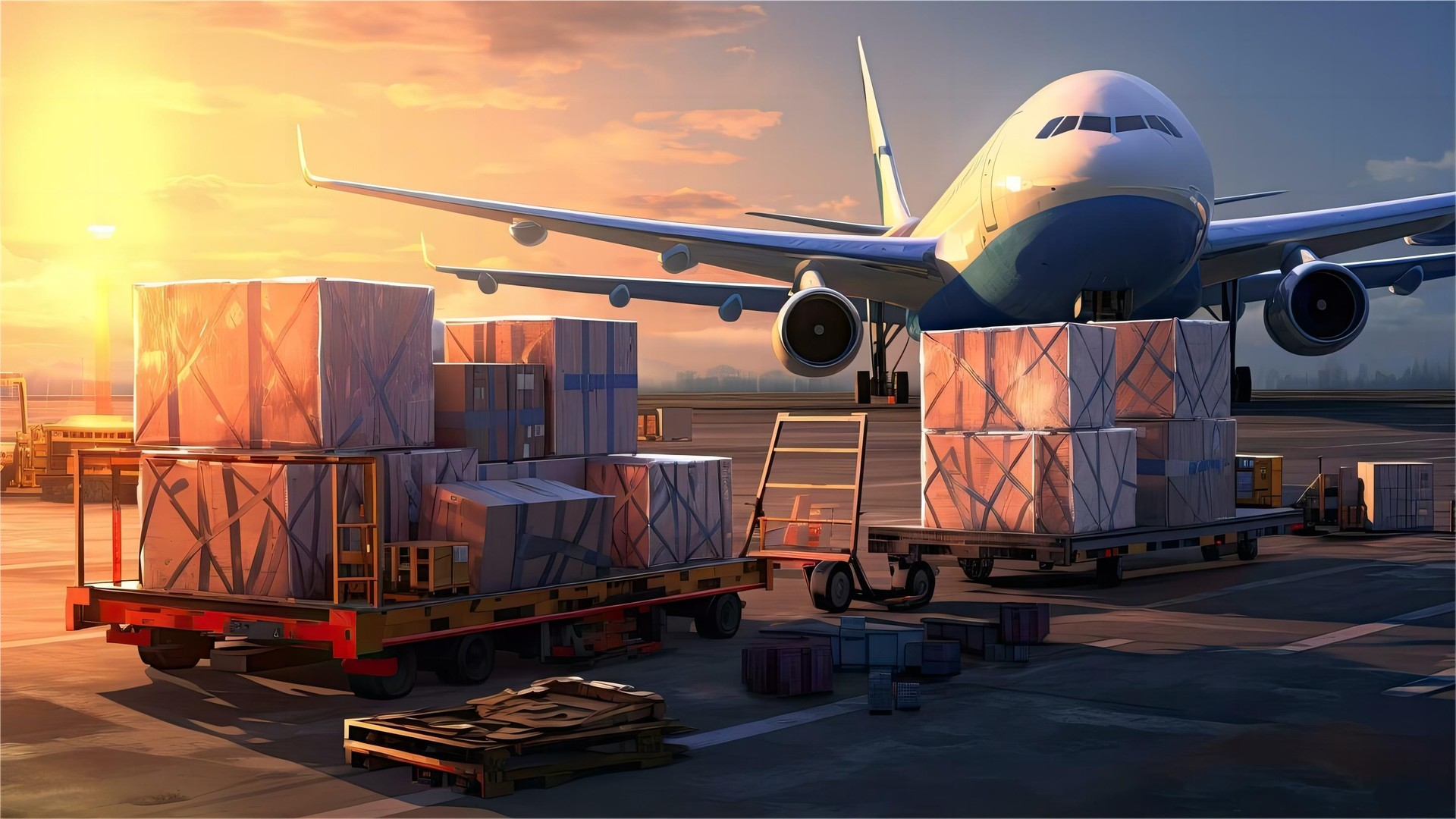
❖Less than Container Load, commonly known as LCL, is a shipping method where multiple shippers share space within a single ocean container. This approach allows businesses to pay only for the volume they occupy, making it ideal for smaller cargo loads. Consequently, companies can maintain lower inventory levels and reduce warehousing costs by shipping more frequently in smaller batches.
The process begins at a consolidation warehouse where various shipments are grouped together based on their destination. Moreover, professional sea freight providers handle the complex task of organizing these diverse goods to ensure safety and efficiency. Once the container reaches the European port, the de-consolidation process begins, allowing each individual shipment to proceed to its final destination.
Choosing this method is particularly beneficial for startups and medium-sized enterprises that do not have enough goods to fill a 20-foot container. Therefore, sea freight china europe lcl remains a cornerstone of flexible global trade strategies in the current market.
Why Should You Choose LCL for Your China to Europe Shipments?
❖Cost efficiency stands out as the primary advantage of utilizing consolidated ocean shipping for your international trade needs. Instead of paying for an entire container that remains half-empty, you only cover the cubic meter rate for your specific items. Additionally, this method offers significantly lower rates than air transport for heavy or bulky items.
Flexibility represents another critical benefit for businesses managing fluctuating demand cycles. Shippers can send smaller quantities as soon as they are ready rather than waiting to accumulate enough stock for a full container. Furthermore, this steady flow of goods helps in maintaining a consistent supply chain without the burden of excessive capital tie-up in inventory.
Reliability has improved significantly in 2026 as carriers have optimized their schedules for major European ports. Indeed, the availability of weekly departures from hubs like Shanghai and Shenzhen ensures that your goods move according to a predictable schedule.
How Does Sea Freight China Europe LCL Compare to Other Shipping Options?
❖Understanding the differences between various transport modes is essential for making an informed logistics decision. While sea freight is often the most economical, other methods like rail freight offer a middle ground between speed and cost. For example, rail can be faster than sea but typically carries a higher price tag per kilogram.
In contrast, air freight remains the fastest option but is often prohibitively expensive for most standard commercial goods. Meanwhile, LCL sea freight provides the lowest entry cost for small shipments that are not time-sensitive. Consequently, businesses must weigh the urgency of their delivery against their available budget constraints.
The following table provides a clear comparison of the primary shipping methods available for the China to Europe route in 2026.
| Shipping Method | Cost Range (Approx) | Transit Time | Best For |
|---|---|---|---|
| LCL Sea Freight | $80 – $150 per CBM | 30 – 45 Days | Small volumes, Budget focus |
| FCL Sea Freight | $3,000 – $4,500 per 40HQ | 28 – 38 Days | Large volumes, Bulk goods |
| Rail Freight | $150 – $250 per CBM | 18 – 24 Days | Mid-range speed and cost |
| Air Freight | $4.50 – $8.00 per KG | 5 – 8 Days | Urgent, High-value items |

What are the Strategic Alternatives for LCL Shipping?
❖For many e-commerce sellers, Amazon FBA integration is a vital alternative to standard port-to-port shipping. This specialized service handles the final mile delivery directly to fulfillment centers across Europe, streamlining the entire process. Additionally, hybrid sea-air solutions can sometimes provide a necessary speed boost when sea transit faces unexpected delays.
Another alternative involves using rail-sea combinations to bypass congested maritime routes during peak seasons. For instance, shipping via rail to a central European hub and then distributing via truck can save several days compared to traditional sea routes. Nevertheless, sea freight china europe lcl remains the most stable choice for most long-term planning scenarios.
Cost-saving strategies often involve consolidating multiple suppliers into one LCL shipment at the origin. By doing this, you reduce the number of individual documentation fees and customs entries required at the destination.
Which Option Should You Choose: LCL or FCL?
❖Determining whether to use LCL or Full Container Load (FCL) depends largely on your total cargo volume. Generally, the ‘break-even’ point where FCL becomes cheaper than LCL is around 13 to 15 cubic meters. If your shipment is smaller than this threshold, LCL is almost always the more economical choice.
On the other hand, FCL offers better security and faster handling since the container is not opened until it reaches your warehouse. However, for many small businesses, the cost savings of LCL far outweigh the slight increase in handling risks. Furthermore, modern tracking technology in 2026 allows for precise monitoring of individual LCL pallets throughout the journey.
Budget priority usually dictates a move toward LCL, while speed and security priorities might push a shipper toward FCL or rail options.
Understanding 2026 Transit Times for Europe
❖Transit times for Europe destinations vary significantly based on the specific port of discharge. Typically, Northern European ports like Hamburg and Rotterdam receive more frequent direct calls from major carriers. Consequently, shipments to these hubs often arrive faster than those destined for inland or Mediterranean locations.
Market data suggests that as of early 2026, the average transit time from Shanghai to Rotterdam is approximately 32 days. Meanwhile, shipping to the United Kingdom or Scandinavia may add another 5 to 7 days due to additional feeder vessel connections. It is important to account for an extra week for consolidation at the origin and de-consolidation at the destination.
Seasonal variations also play a role, with peak periods in late Q3 often seeing slightly longer transit times due to port congestion. Therefore, planning your orders at least two months in advance is recommended to avoid stockouts.
| Destination Port | Origin City | Avg Transit (Days) | Frequency |
|---|---|---|---|
| Hamburg, Germany | Ningbo | 30 – 34 | Weekly |
| Rotterdam, Netherlands | Shanghai | 31 – 35 | Bi-weekly |
| Felixstowe, UK | Shenzhen | 35 – 40 | Weekly |
| Genoa, Italy | Guangzhou | 28 – 32 | Weekly |
What Documentation is Required for LCL Customs Clearance?
❖Proper documentation is the backbone of a successful import process and prevents costly delays at the border. Shippers must provide a detailed Commercial Invoice and a Packing List that accurately reflects the contents of the cargo. Additionally, a Bill of Lading is issued by the carrier as a receipt for the goods and a contract of carriage.
Engaging a professional customs brokerage service is highly recommended to navigate the specific tax and duty requirements of different European nations. Moreover, certain products may require specialized certificates, such as CE marking for electronics or phytosanitary certificates for wooden items. Indeed, missing paperwork is the most common cause of storage fees at European terminals.
As of 2026, many European customs authorities have transitioned to fully digital filing systems, requiring precise HS codes for all items. Consequently, ensuring your classification is correct before the ship departs China is more important than ever.
Real-World Case Studies for Sea Freight China Europe LCL
❖Case Study 1: Furniture Components to Germany
Route: Ningbo, China to Hamburg, Germany
Cargo: Flat-pack wooden furniture parts, 4.5 CBM, 1,200 kg
Container: LCL Service
Shipping Details:
– Carrier: Major carrier via direct service
– Port of Loading: Ningbo
– Port of Discharge: Hamburg
Cost Breakdown:
– Ocean Freight: $495
– Origin Charges: $180
– Destination Charges: $250
– Customs and Duties: $420
– Total Landed Cost: $1,345
Timeline:
– Booking to Loading: 4 days
– Sea Transit: 33 days
– Customs Clearance: 2 days
– Total Door-to-Door: 42 days
Key Insight: Using LCL allowed this small retailer to restock inventory without the $3,500 expense of a full container. Based on Q1 2026 market rates.
Case Study 2: Electronics Accessories to Poland
Route: Shenzhen, China to Gdansk, Poland
Cargo: Charging cables and adapters, 2 CBM, 450 kg
Container: LCL Service
Shipping Details:
– Carrier: Transshipment via Singapore
– Port of Loading: Shenzhen
– Port of Discharge: Gdansk
Cost Breakdown:
– Ocean Freight: $240
– Origin Charges: $150
– Destination Charges: $210
– Customs and Duties: $310
– Total Landed Cost: $910
Timeline:
– Booking to Loading: 5 days
– Sea Transit: 38 days
– Customs Clearance: 3 days
– Total Door-to-Door: 50 days
Key Insight: Despite a longer transit time due to transshipment, the cost per unit remained low enough to maintain high profit margins. Typical rates as of early 2026.
What are the Current Market Trends and 2026 Outlook?
❖The landscape of sea freight china europe lcl is evolving rapidly as we move through 2026. After the stabilization of rates following previous years’ disruptions, the focus has shifted toward sustainability and digital transparency. Many carriers are now offering ‘green’ LCL options that utilize carbon-neutral fuels for a small additional fee.
Logistics trends also indicate a move toward more localized de-consolidation centers closer to final consumer markets. This shift reduces the time spent in major port hubs and speeds up the final delivery leg. Furthermore, artificial intelligence is now being used to optimize container packing, reducing the risk of damage during the consolidation process.
Note: Freight rates are subject to change based on fuel costs, carrier capacity, and seasonal demand. Contact us for a current quote tailored to your specific shipment.
Final Thoughts on Consolidated Shipping
Choosing sea freight china europe lcl is a strategic move for any business looking to balance cost and efficiency in 2026. By understanding the nuances of volume-based pricing and transit schedules, you can significantly reduce your logistics overhead. Transitioning to a professional consolidation partner ensures that your small shipments receive the same attention as full containers.
Whether you are shipping furniture, electronics, or industrial parts, the flexibility of LCL provides a scalable solution for growth. Remember to plan ahead, prepare your documentation carefully, and stay informed about market trends to maintain a competitive edge in the global marketplace.

Ready to streamline your logistics?
Ready to optimize your supply chain with reliable sea freight china europe lcl services? Our team of experts is standing by to provide you with a customized quote and help you navigate the complexities of international shipping. Visit our contact page to Send Inquiry and secure your 2026 shipping rates today.
Request Quote