

Sea Freight Rate China USA Quote: 2026 Shipping Cost Guide
Navigating the complexities of global logistics requires a precise sea freight rate china usa quote to ensure your supply chain remains profitable. At Alibabaforwarder, we understand that fluctuating market conditions in 2026 demand transparency and speed. Consequently, businesses must stay informed about the latest pricing trends to maintain a competitive edge in the North American market. Furthermore, securing a reliable estimate allows for better budgeting and strategic planning in an ever-changing economic landscape.
What Factors Influence Your Sea Freight Rate China USA Quote?
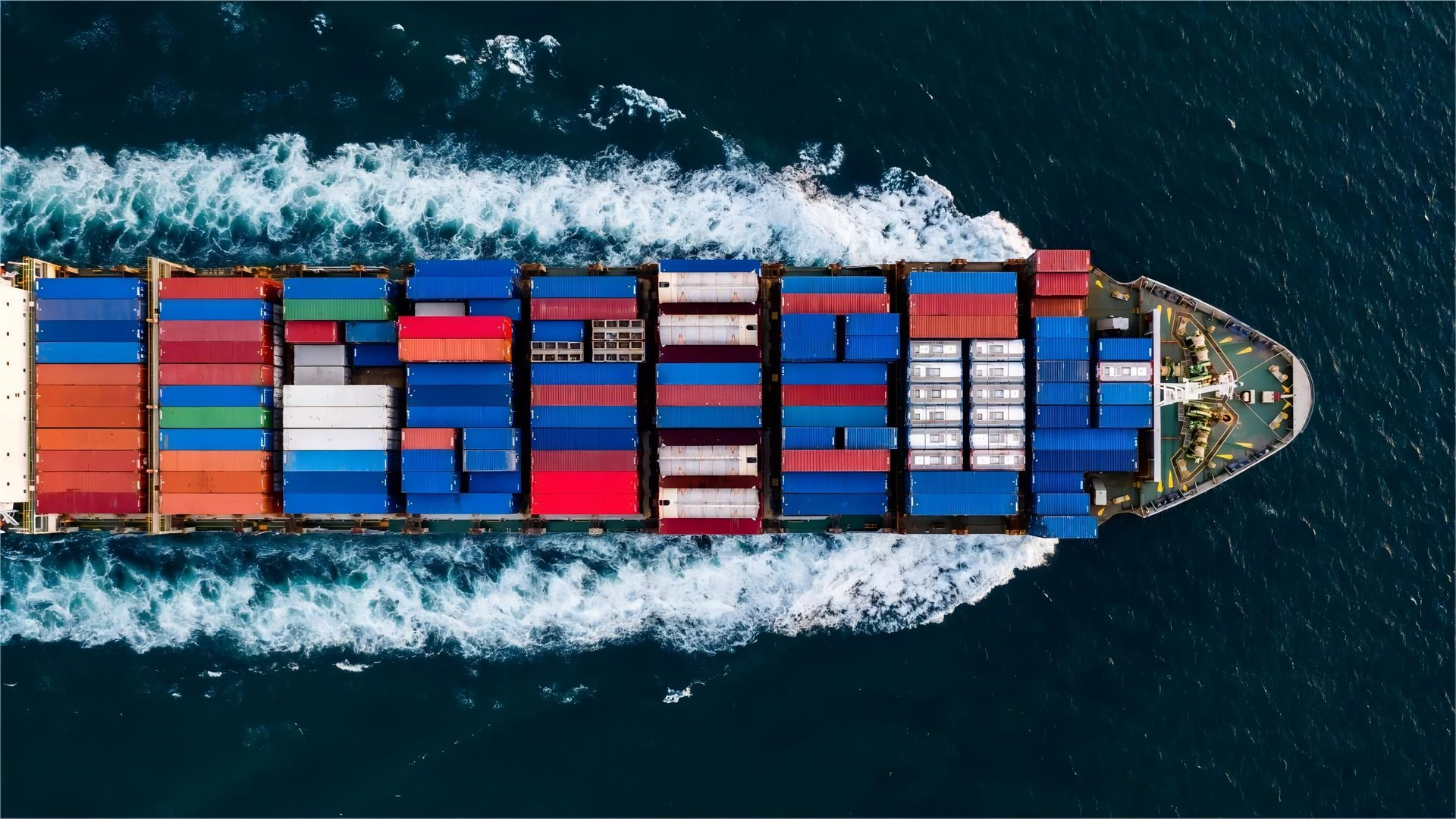
Understanding the variables that dictate shipping costs is essential for any importer looking to optimize their expenses. Primarily, fuel surcharges and carrier capacity remain the most volatile elements affecting your sea freight rate china usa quote in early 2026. Moreover, seasonal demand peaks during the late summer months can lead to significant price hikes as retailers prepare for holiday inventory. Indeed, market data suggests that rates can fluctuate by as much as twenty percent within a single quarter.
Additionally, port congestion at major hubs like Los Angeles or Savannah plays a critical role in determining final landed costs. When terminals are overcrowded, carriers often implement congestion surcharges to offset the cost of idling vessels. Therefore, choosing the right port of entry is just as important as selecting the carrier itself. Meanwhile, global economic shifts and trade policies continue to influence the baseline pricing for transpacific routes.
How Does Sea Freight Compare to Other Shipping Options?
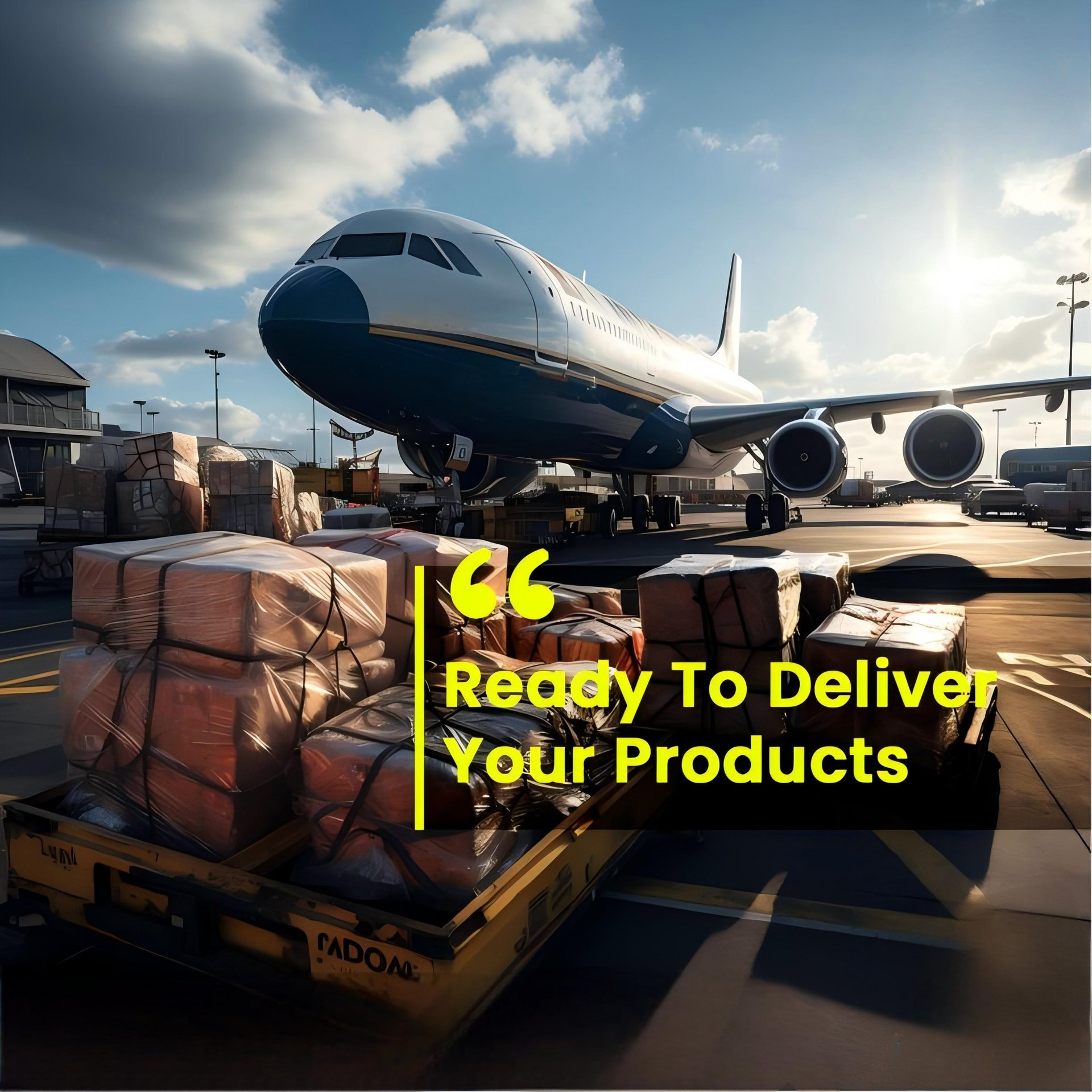
Evaluating different transportation modes is necessary to find the balance between cost and speed for your specific cargo. While sea freight offers the lowest cost per unit for large volumes, it requires the longest lead times. In contrast, air freight provides rapid delivery but at a significantly higher price point, making it suitable only for high-value or urgent items. Consequently, many businesses utilize a mix of services to balance their logistics budget effectively.
Choosing between these methods depends heavily on your shipment volume and urgency requirements. For instance, a full container might take thirty days to reach the East Coast, whereas an express shipment could arrive in less than a week. Nevertheless, for the majority of consumer goods and industrial materials, ocean transport remains the most economical choice. Consider the following comparison to see which method aligns with your business goals.
| Shipping Method | Cost Range | Transit Time | Best For |
|---|---|---|---|
| Sea Freight (FCL) | 3,000 to 6,000 USD | 18 to 35 Days | Large Bulk Volumes |
| Sea Freight (LCL) | 80 to 150 USD/CBM | 22 to 40 Days | Small Shipments |
| Air Freight | 5 to 9 USD/kg | 3 to 7 Days | High Value Goods |
| Express Service | 8 to 12 USD/kg | 2 to 5 Days | Samples and Urgent |
Understanding the Price Difference Between FCL and LCL
Full Container Load (FCL) shipping is typically the preferred choice for businesses moving enough inventory to fill a twenty or forty-foot container. Because you pay for the entire space, the cost per cubic meter is generally lower than other ocean options. Furthermore, FCL shipments often experience fewer delays since they do not require consolidation or deconsolidation at the port. This efficiency makes it a staple for high-volume importers.
On the other hand, Less than Container Load (LCL) allows smaller businesses to share container space with other shippers. Although the cost per unit is higher, it provides the flexibility to ship smaller quantities without waiting to fill a whole container. However, you should be aware that LCL involves more handling, which can slightly increase the risk of damage or transit delays. Ultimately, the choice between FCL and LCL should be based on your total cargo volume and inventory turnover rate.
Evaluating Transit Times and Port Selection for 2026
Transit times from China to the USA vary significantly depending on whether you are shipping to the West Coast or the East Coast. Typically, vessels arriving at the Port of Long Beach or Los Angeles take between fourteen and eighteen days from major Chinese ports. In comparison, shipments destined for New York or Savannah via the Panama Canal can take upwards of thirty-five days. Consequently, your choice of destination port will directly impact your delivery schedule and overall supply chain velocity.
Recent logistics trends in 2026 show that intermodal transport is becoming more popular for reaching inland destinations like Chicago or Dallas. By discharging cargo at West Coast ports and using rail for the final leg, shippers can often save a week of transit time compared to all-water routes to the East Coast. However, this strategy requires careful coordination to avoid rail yard delays. Below is a summary of expected transit times for various routes.
| Origin Port | Destination Port | Avg Transit Time | Route Type |
|---|---|---|---|
| Shanghai | Long Beach | 16 Days | Direct |
| Shenzhen | Savannah | 32 Days | Panama Canal |
| Ningbo | New York | 35 Days | Suez/All-Water |
| Qingdao | Seattle | 18 Days | Direct |
Why Customs Brokerage is Essential for Your Sea Freight Rate China USA Quote
Managing the legal requirements of international trade is a complex task that requires specialized knowledge. Utilizing a professional customs brokerage service ensures that your documentation is accurate and compliant with US Customs and Border Protection. Inaccurate filings can lead to costly fines, inspections, and lengthy delays at the port of entry. Therefore, factoring these service fees into your initial quote is vital for an accurate landed cost calculation.
Moreover, brokers can help you navigate the intricacies of HTS codes and duty rates, potentially identifying cost-saving opportunities through trade agreements. As a result, you can avoid unexpected expenses that often catch inexperienced importers off guard. Since regulations are subject to change, having an expert on your side provides peace of mind throughout the shipping process. Indeed, the investment in professional brokerage often pays for itself by preventing avoidable logistical hurdles.

Navigating Door to Door Shipping Solutions from China
Many modern businesses prefer a door to door service to simplify their logistics operations. This comprehensive solution covers everything from the initial pickup at the factory in China to the final delivery at your warehouse in the USA. Consequently, you only have to deal with a single point of contact, which reduces communication errors and administrative overhead. This streamlined approach is particularly beneficial for small to medium enterprises with limited logistics staff.
Furthermore, door to door quotes usually include all associated costs, such as ocean freight, local trucking, and port charges. This transparency allows for more accurate product pricing and better financial forecasting. However, it is important to verify exactly what is included in your quote to ensure there are no hidden fees for residential delivery or lift-gate services. By choosing a full-service provider, you can focus more on sales and growth while leaving the logistics to the experts.
Managing Amazon FBA Requirements for Ocean Shipments
Shipping directly to an Amazon FBA warehouse requires strict adherence to specific labeling and palletization standards. If your shipment fails to meet these requirements, Amazon may reject the cargo, leading to significant additional costs and lost sales. Therefore, working with a forwarder who understands the nuances of FBA prep is crucial for e-commerce success. Many providers now offer specialized FBA services that include inspection and labeling before the goods leave China.
Additionally, timing is everything when managing Amazon inventory, especially during peak shopping seasons. Using sea freight for FBA requires careful planning to ensure products arrive before stockouts occur. As a result, many sellers opt for sea-air hybrid solutions or expedited ocean services to maintain the right balance of cost and speed. Without a doubt, a well-managed FBA shipping strategy is a key component of a profitable online retail business.
Which Option Should You Choose? A Decision Framework
Choosing the right shipping strategy depends on your primary business objectives, whether they are cost reduction or speed of delivery. If your main priority is budget, opting for standard sea freight to the nearest port is usually the best approach. Conversely, if you need to replenish inventory quickly to meet high demand, expedited ocean or air freight may be justified despite the higher costs. Analyzing your margins and customer expectations will help you make the most informed decision.
For shipments destined for North America, consider the volume thresholds that make FCL more economical than LCL. Generally, once your cargo exceeds fifteen cubic meters, a full twenty-foot container becomes the cheaper option. Additionally, think about the total landed cost rather than just the ocean freight rate. By evaluating all factors, including duties and local transport, you can select the shipping method that provides the best overall value for your company.
Real-World Case Studies for China to USA Shipping
Case Study 1: Electronics Importer in California. Route: Shenzhen, China to Long Beach, USA. Cargo: Consumer electronics, 18 CBM, 5200 kg. Container: 20GP Full Container. Shipping Details: Direct route via major carrier. Ocean Freight: 2,850 USD. Origin Charges: 350 USD. Destination Charges: 450 USD. Customs and Duties: 1,200 USD. Total Landed Cost: 4,850 USD. Timeline: 17 days port-to-port, 22 days door-to-door. Key Insight: Choosing FCL for 18 CBM saved 15 percent compared to LCL rates in Q1 2026.
Case Study 2: Furniture Retailer in Georgia. Route: Ningbo, China to Savannah, USA. Cargo: Flat-pack furniture, 65 CBM, 12000 kg. Container: 40HQ Full Container. Shipping Details: Transshipment via Busan. Ocean Freight: 4,900 USD. Origin Charges: 500 USD. Destination Charges: 600 USD. Customs and Duties: 2,100 USD. Total Landed Cost: 8,100 USD. Timeline: 33 days port-to-port, 40 days door-to-door. Key Insight: Booking 8 weeks in advance during the Q3 peak season avoided a 1,200 USD spot rate hike.
Case Study 3: Industrial Parts Distributor in Ohio. Route: Shanghai, China to Cleveland, USA (via Chicago). Cargo: Machine components, 8 CBM, 3000 kg. Container: LCL Shipment. Shipping Details: Sea to LA, Rail to Chicago, Truck to Cleveland. Ocean Freight: 960 USD (120 per CBM). Origin Charges: 200 USD. Destination Charges: 550 USD. Customs and Duties: 800 USD. Total Landed Cost: 2,510 USD. Timeline: 25 days door-to-door. Key Insight: Using intermodal rail from the West Coast saved 10 days compared to the all-water route through the Panama Canal.
Mastering Your 2026 Shipping Strategy
Successfully managing international logistics requires a deep understanding of the factors that influence your sea freight rate china usa quote. By staying informed about market trends and choosing the right shipping methods, you can significantly reduce your overhead and improve delivery times. Furthermore, partnering with an experienced freight forwarder provides the expertise needed to navigate complex customs regulations and port operations. Ultimately, a proactive approach to shipping will ensure your business remains resilient and competitive in the global marketplace.
Need a tailored shipping solution?
Ready to optimize your supply chain with a competitive sea freight rate china usa quote? Contact our expert team today to receive a personalized shipping solution tailored to your business needs. Visit our website to request your free quote and start saving on your 2026 logistics costs.