

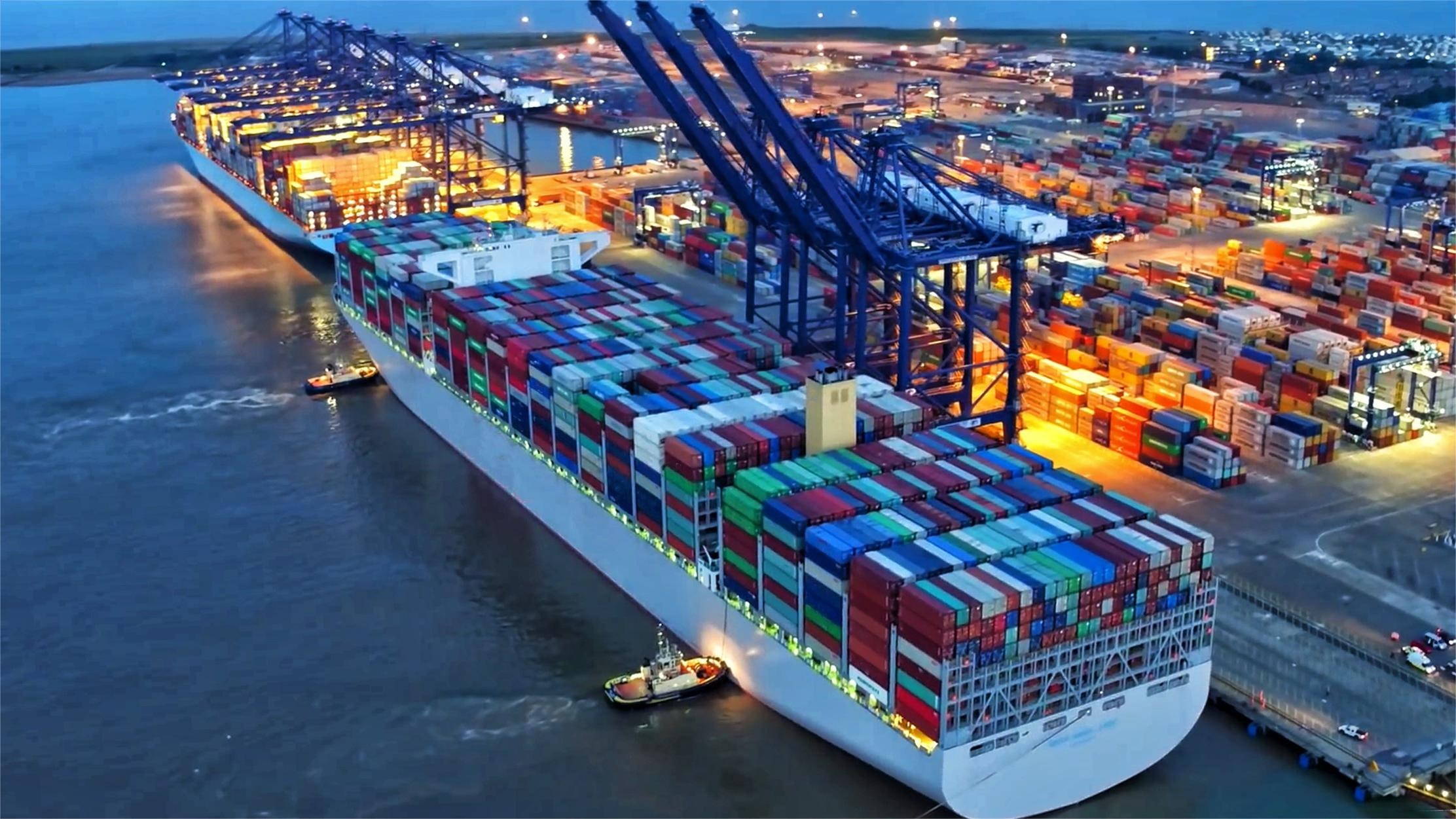
Shipping Cost China Europe Sea Freight: 2026 Pricing Guide
Navigating the complexities of the shipping cost China Europe sea freight is essential for businesses looking to maintain a competitive edge in 2026. As global trade dynamics evolve, understanding the nuances of ocean logistics helps importers manage their budgets and delivery schedules effectively. You can access professional logistics support and real-time quotes at DSV-Freight to optimize your international supply chain operations. This guide provides a comprehensive breakdown of current market rates and strategic shipping advice for the China-Europe corridor.
✦
What is the Current Shipping Cost China Europe Sea Freight in 2026?
Market conditions in early 2026 show a stabilization of freight rates following the volatility of previous years. Consequently, businesses can now plan their logistics budgets with greater accuracy compared to the post-disruption era. Shipping costs for a standard 40-foot container currently range between 3,000 and 4,200 USD depending on the specific port of origin and destination.

Moreover, the introduction of more fuel-efficient vessels and optimized shipping routes has helped mitigate some of the rising operational expenses. Importers should note that these figures represent base ocean freight and do not include local handling charges or terminal fees. Therefore, it is vital to request an all-in quote to avoid unexpected financial surprises during the shipping process.
Additionally, the demand for sea freight remains high due to its unparalleled capacity for bulk cargo. While smaller shipments might fluctuate in price, the cost-per-unit for full container loads remains the most economical choice for high-volume traders. Indeed, the scale of ocean transport allows for significant cost distribution across thousands of items.
| 20GP Container | $1,800 – $2,500 | 30 – 35 Days | Heavy/Dense Cargo |
| 40GP Container | $2,800 – $3,800 | 32 – 38 Days | Standard Volume |
| 40HQ Container | $3,000 – $4,200 | 32 – 38 Days | Bulky/Light Cargo |
| LCL (per CBM) | $50 – $90 | 35 – 45 Days | Small Shipments |
How Does Sea Freight Compare to Other Shipping Options?
Choosing the right transport mode requires a careful balance between speed and the total shipping cost China Europe sea freight. While ocean transport offers the lowest price point, it is also the slowest method available for this specific trade route. For instance, air freight can deliver goods in less than a week but costs significantly more than sea or rail alternatives.
Furthermore, rail freight has emerged as a middle-ground solution, offering faster transit than sea freight at a fraction of the cost of air transport. Nevertheless, sea freight remains the dominant choice for heavy machinery, raw materials, and large consumer goods shipments. In contrast, businesses with urgent inventory needs often pivot toward hybrid solutions like sea-air or express services.
Industry average for this route suggests that sea freight is roughly 70 percent cheaper than rail and 90 percent cheaper than air. Accordingly, companies must evaluate their lead times and inventory carrying costs when making a final decision. Without a doubt, the choice of shipping method directly impacts the final landed cost of the product.
| Sea Freight | Lowest ($) | 30-40 Days | Slowest transit |
| Rail Freight | Medium ($$) | 18-22 Days | Weight limits |
| Air Freight | High ($$$$) | 5-8 Days | Very expensive |
| Express | Highest ($$$$$) | 3-5 Days | Small parcels only |
Key Factors Influencing Your 2026 Shipping Expenses
Several variables contribute to the final shipping cost China Europe sea freight beyond the basic ocean rate. For example, the Bunker Adjustment Factor (BAF) fluctuates based on global oil prices, directly impacting the carrier surcharges. Additionally, peak season surcharges (PSS) typically apply during the busy months of August through October as retailers prepare for the holiday season.
Meanwhile, port congestion at major European hubs like Rotterdam or Hamburg can lead to unexpected detention and demurrage fees. These costs accumulate daily when containers stay in the port longer than the allotted free time. Therefore, efficient cargo handling and proactive communication with your freight forwarder are essential to minimize these avoidable expenses.
Another significant factor is the currency adjustment factor which accounts for fluctuations between the USD and the Euro. Consequently, importers should monitor exchange rate trends to better predict their total logistics spend. Indeed, even a small shift in the exchange rate can impact the profitability of high-volume shipments.
FCL vs LCL: Which Sea Freight Method Saves More?
Understanding the difference between Full Container Load (FCL) and Less than Container Load (LCL) is vital for cost optimization. FCL is generally more cost-effective for shipments exceeding 15 cubic meters (CBM) because you pay a flat rate for the entire container. On the other hand, LCL allows you to share container space with other shippers, paying only for the volume you occupy.
However, LCL shipments often incur higher terminal handling charges at both the origin and destination ports. This is because the cargo must be consolidated and de-consolidated, requiring more labor and warehouse time. As a result, the price per CBM in LCL is significantly higher than the equivalent volume in an FCL shipment.
For shipments under 15 CBM, LCL at $50-90/CBM may be more economical than a full container, but the transition point varies. Many savvy importers choose FCL even if the container is not completely full to benefit from faster transit and reduced handling risks. Nevertheless, LCL remains a vital tool for small businesses testing new products in the European market.
The Role of Customs Brokerage in Total Landed Costs
Navigating the legal requirements of European customs is a critical component of calculating your total shipping cost China Europe sea freight. Every shipment entering the European Union must undergo a formal declaration process and pay relevant duties and taxes. Utilizing a professional customs brokerage service ensures that your documentation is accurate and compliant.
Furthermore, incorrect HS code classification can lead to significant fines or delays at the border. These delays not only increase storage costs but can also disrupt your entire supply chain schedule. Consequently, investing in expert customs advice is often a cost-saving measure in the long run by preventing expensive legal errors.
Importers must also account for Value Added Tax (VAT), which varies by country across the European continent. Although VAT is often reclaimable for registered businesses, it still impacts your initial cash flow during the import process. To summarize, a clear understanding of tax obligations is just as important as the ocean freight rate itself.
Door to Door Logistics for European Destinations
Many modern businesses prefer the convenience of door to door services to simplify their international trade. This comprehensive solution covers everything from the factory pickup in China to the final delivery at your warehouse in Europe. While the upfront cost may appear higher, it eliminates the need for managing multiple vendors and disparate invoices.
Additionally, door-to-door shipping provides better visibility and tracking throughout the entire journey of the cargo. You receive a single point of contact, which significantly reduces the administrative burden on your logistics team. Meanwhile, the consolidated pricing often includes all local trucking and handling fees, providing a transparent total cost.
However, some large corporations with established local logistics partners may still prefer port-to-port shipping to maintain tighter control over local costs. For most small to medium enterprises, the integrated approach offers the best balance of efficiency and reliability. Indeed, the peace of mind provided by an end-to-end service is often worth the modest premium.
Realistic Case Studies: 2026 Shipping Scenarios
Analyzing real-world examples helps illustrate how the shipping cost China Europe sea freight is applied in practice. These scenarios reflect actual market conditions observed in early 2026. Note: Freight rates are subject to change based on fuel costs, carrier capacity, and seasonal demand. Contact us for a current quote tailored to your specific shipment.
Case Study 1: Industrial Machinery to Germany. Route: Ningbo, China to Hamburg, Germany. Cargo: 15,000 kg Machinery. Container: 20GP. Ocean Freight: $2,100. Origin Charges: $350. Destination Charges: $480. Customs & Duties: $1,200. Total Landed Cost: $4,130. Sea Transit: 33 days. Key Insight: Direct routing saved 5 days compared to transshipment options.
Case Study 2: Consumer Electronics to France. Route: Shenzhen, China to Le Havre, France. Cargo: 45 CBM Electronics. Container: 40HQ. Ocean Freight: $3,250. Origin Charges: $420. Destination Charges: $550. Customs & Duties: $4,500. Total Landed Cost: $8,720. Sea Transit: 35 days. Key Insight: Booking 4 weeks in advance secured a rate 15 percent below the spot market average.
Cost-Saving Strategies for Importers in 2026
To minimize the shipping cost China Europe sea freight, businesses should consider diversifying their transport modes based on urgency. For instance, rail freight offers a competitive alternative during periods of ocean port congestion. Furthermore, optimizing your packaging to maximize container space can lead to significant savings over time.
Additionally, consolidating multiple small orders into a single FCL shipment is almost always cheaper than shipping multiple LCL lots. Negotiating long-term contracts with freight forwarders can also provide price stability in a fluctuating market. Moreover, choosing off-peak shipping dates can help you avoid the steepest seasonal surcharges applied by major carriers.
Another effective strategy involves selecting ports that are less prone to labor strikes or technical delays. While the inland trucking cost might be slightly higher, the savings in port fees and time can be substantial. Consequently, a flexible approach to logistics planning is the hallmark of a successful international trading business.
Final Thoughts on 2026 Sea Freight Logistics
Successfully managing the shipping cost China Europe sea freight requires a combination of market knowledge, strategic planning, and reliable partnerships. As we move through 2026, the logistics landscape continues to offer opportunities for those who stay informed about pricing trends and alternative shipping methods. By balancing speed, cost, and reliability, you can ensure your products reach European markets efficiently.
To summarize, while ocean freight remains the most economical choice for bulk cargo, it is essential to consider the total landed cost including duties and local fees. Whether you choose FCL, LCL, or a hybrid rail-sea solution, working with an experienced freight forwarder is the best way to navigate the complexities of global trade. Start planning your 2026 shipments today to secure the best possible rates for your business.