


Shipping from China to Brazil DDP: The Complete 2026 Logistics Guide
Navigating the complexities of shipping from China to Brazil DDP requires a deep understanding of local regulations and tax structures. Many importers struggle with the notorious Brazil Cost, which includes high tariffs and bureaucratic hurdles. By choosing Alibabaforwarder, you can simplify your supply chain and ensure your goods arrive safely at their destination. This guide explores everything you need to know about Delivered Duty Paid services in the current 2026 market.
Why Shipping from China to Brazil DDP is Essential in 2026
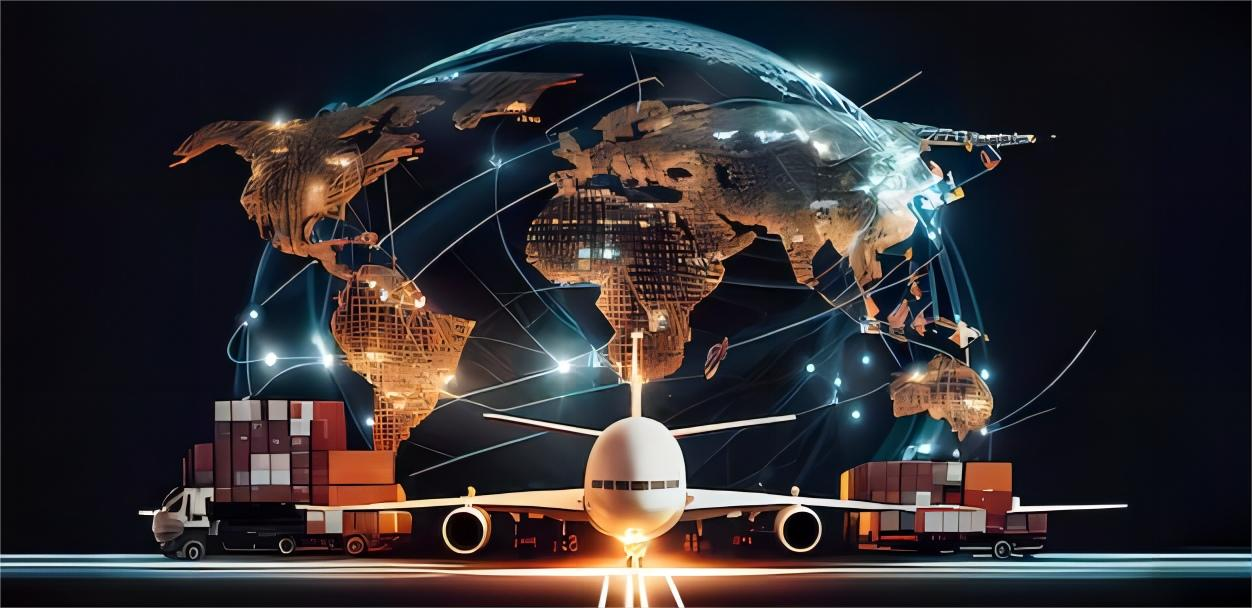
Delivered Duty Paid (DDP) remains the most convenient shipping agreement for businesses looking to minimize risk and administrative burden. Under this Incoterm, the seller assumes all responsibility for transporting the goods, including paying for import duties, taxes, and customs clearance. Consequently, the buyer only needs to receive the cargo at their specified warehouse or office location.
Brazil presents a unique challenge for international trade due to its complex tax system, which includes IPI, PIS, COFINS, and ICMS. Moreover, the Brazilian Customs Authority, Receita Federal, maintains strict documentation requirements that can lead to significant delays if not handled correctly. Therefore, utilizing a door to door service ensures that experts manage these hurdles on your behalf.
Choosing DDP allows you to calculate the total landed cost of your products before they even leave the factory in China. This predictability is vital for maintaining profit margins in the competitive 2026 market. Additionally, it eliminates the need for the importer to deal with local Brazilian brokers, which can often be a source of confusion and hidden fees.
How Does DDP Compare to Other Shipping Options?
While DDP offers maximum convenience, it is important to understand how it compares to alternatives like FOB (Free On Board) or CIF (Cost, Insurance, and Freight). Under FOB, the buyer takes control once the goods are loaded onto the vessel, providing more control over freight costs but increasing the logistical workload. In contrast, DDP is a hands-off solution that suits businesses without a dedicated logistics department.
Cost-saving strategies often involve switching between these methods based on shipment volume. For instance, large enterprises with established Brazilian entities might prefer CIF to manage their own tax credits. However, for small to medium-sized businesses, the DDP model prevents the common pitfall of shipments being held in customs due to unpaid taxes or missing import licenses.
| Shipping Method | Cost Range | Transit Time | Best For | Limitations |
|---|---|---|---|---|
| Air Freight DDP | $8 – $15 per kg | 7 – 12 Days | Urgent/High Value | Weight limits |
| Sea Freight FCL | $3,500 – $6,000 | 35 – 50 Days | Bulk Shipments | Longer lead time |
| Sea Freight LCL | $150 – $300 per CBM | 40 – 55 Days | Small Volumes | Higher risk of damage |
| Express DDP | $12 – $20 per kg | 5 – 8 Days | Samples/Small items | Very expensive |
Ocean Freight: The Backbone of Brazil-China Trade
Ocean freight continues to be the primary mode for shipping from China to Brazil due to its cost-effectiveness for large volumes. Most shipments originate from major Chinese hubs like Shanghai, Ningbo, or Shenzhen and arrive at Brazilian ports such as Santos, Paranagua, or Itajai. Specifically, sea freight is ideal for heavy machinery, furniture, and consumer electronics.
Transit times for sea freight generally range from 35 to 50 days depending on whether the route is direct or involves transshipment. For example, vessels stopping in Singapore or South Africa may take longer but sometimes offer lower freight rates. Nevertheless, direct services are preferred for time-sensitive seasonal goods to avoid the congestion often found at transshipment hubs.
Market data suggests that freight rates for 40HQ containers have stabilized in early 2026 at approximately $4,500 to $5,800. These rates fluctuate based on fuel surcharges and carrier capacity. As a result, we recommend booking your space at least three weeks in advance to secure the best pricing and availability.
Air Freight: Speed and Reliability for High-Value Cargo
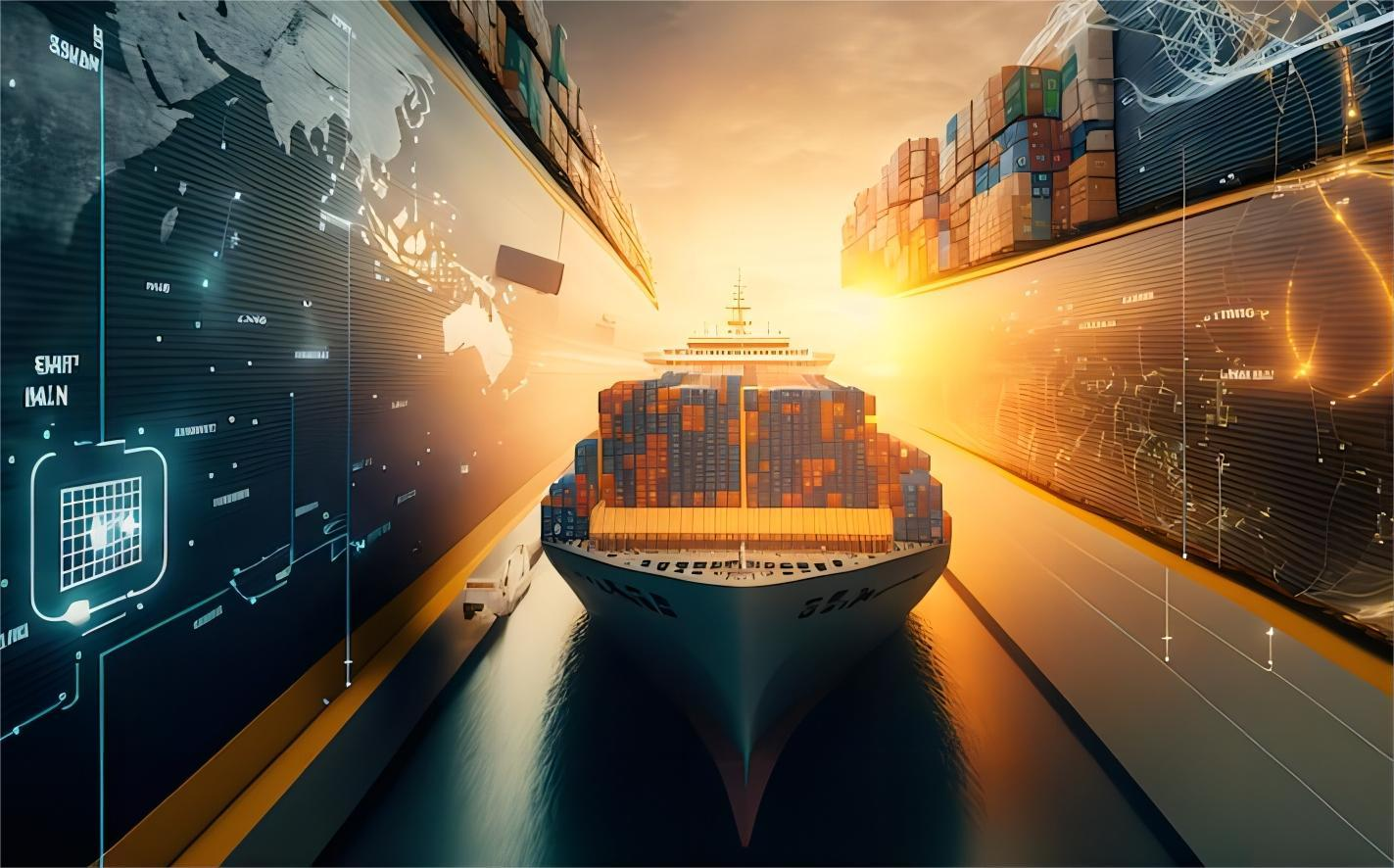
When speed is the priority, air freight provides a much faster alternative to ocean transport. High-value items, such as medical equipment or urgent automotive parts, benefit from the reduced transit times and enhanced security of air travel. Typically, air shipments from China reach major Brazilian airports like Guarulhos (GRU) or Viracopos (VCP) within 7 to 10 days.
Although the cost per kilogram is significantly higher than sea freight, the reduced inventory holding costs often justify the expense. Furthermore, air freight requires less robust packaging than sea freight, which can lead to minor savings in packing materials and weight. Indeed, for shipments under 300 kilograms, air freight often becomes more competitive when considering total logistics costs.
According to industry benchmarks, air cargo rates in 2026 are influenced by global fuel prices and e-commerce demand. Current rates hover between $8.50 and $12.00 per kilogram for standard DDP services. Consequently, businesses should evaluate their delivery schedules carefully to decide if the speed of air transport outweighs the higher investment.
Navigating Brazilian Customs and Import Regulations
The Brazilian customs process is notoriously rigorous, requiring precise documentation and adherence to local laws. Every shipment must have a detailed Commercial Invoice, Packing List, and Bill of Lading or Air Waybill. Additionally, many products require specific import licenses (LI) from regulatory agencies like ANVISA or INMETRO before they can enter the country.
Using a professional customs brokerage service is essential to avoid the ‘Canal Vermelho’ (Red Channel), where goods undergo physical inspection. DDP providers handle the calculation and payment of the Siscomex fee and other administrative charges. Without a doubt, having a partner who understands the Mercosur Common External Tariff (TEC) is vital for accurate tax assessment.
Taxation in Brazil is cumulative, meaning taxes are often calculated on top of each other. For instance, the ICMS tax is applied to the value of the goods plus the previously calculated IPI and PIS/COFINS. Therefore, a DDP quote must be comprehensive to ensure no surprise bills arrive after the cargo has reached the destination port.
Real Case Studies: Shipping Success Stories
Case Study 1: Electronics from Shenzhen to Sao Paulo. A technology retailer needed 800kg of high-end tablets for a product launch. They chose Air Freight DDP to ensure the goods bypassed the 45-day sea transit. Origin: Shenzhen. Destination: Sao Paulo. Method: Air Freight. Total Landed Cost: $9,200. Transit Time: 9 days. Key Insight: Choosing DDP prevented a 2-week delay at customs due to pre-paid IPI taxes.
Case Study 2: Machinery from Ningbo to Santos. A manufacturing plant imported a 20GP container of CNC machinery. Route: Ningbo to Santos. Carrier: Maersk. Ocean Freight: $4,200. Customs and Duties: $11,500. Total Landed Cost: $17,800. Timeline: 42 days door-to-door. Key Insight: Using a direct route saved 8 days compared to transshipment via Port Klang.
Case Study 3: E-commerce Goods from Guangzhou to Curitiba. An online seller used Sea Freight LCL for 4 CBM of home decor. Total Cost: $1,450. Transit Time: 52 days. Key Insight: Consolidating with other shippers reduced the cost by 30% compared to a dedicated small container.

Which Option Should You Choose? A Decision Framework
Deciding on the right shipping method depends on your budget, cargo type, and urgency. If your budget is the main priority and you are shipping more than 15 CBM, Sea Freight FCL is the most logical choice. On the other hand, if you need the goods within two weeks to meet a market deadline, Air Freight is the only viable solution.
Cargo type also plays a significant role in the decision-making process. For example, hazardous materials or oversized industrial equipment might be restricted from air transport or require specialized sea containers like Flat Racks. Meanwhile, high-value electronics are safer in the controlled environment of air cargo. To summarize, analyze your volume thresholds before committing to a specific logistics strategy.
Cost-Saving Strategies for Brazilian Importers
Importers can reduce their expenses by optimizing their packaging to minimize dimensional weight. For air freight, this means using compact boxes that eliminate wasted space. Additionally, consolidating multiple small orders into a single LCL or FCL shipment can significantly lower the per-unit shipping cost. This is particularly relevant for those using Amazon FBA services in Brazil.
Another effective strategy involves shipping during the off-peak season. Rates typically increase by 15-25% between August and October due to the holiday rush. Consequently, planning your inventory replenishment for the first quarter of the year can lead to substantial savings. Finally, always request a detailed breakdown of all charges to identify any unnecessary surcharges or fees.
Note: Freight rates are subject to change based on fuel costs, carrier capacity, and seasonal demand. Contact us for a current quote tailored to your specific shipment.
Final Thoughts on Brazil DDP Logistics
Mastering shipping from China to Brazil DDP is a strategic advantage for any business operating in South America. By understanding the balance between cost and speed, you can make informed decisions that protect your bottom line. Transitioning to a DDP model removes the stress of Brazilian customs and allows you to focus on growing your business.
Reliable freight forwarding partners are essential for navigating the complexities of the 2026 market. Whether you choose the speed of air or the volume of the sea, ensure your documentation is flawless and your taxes are pre-calculated. Successfully managing your shipping from China to Brazil DDP will ensure long-term success in this vibrant economy.
Ready to streamline your logistics?
Streamline your international trade today by requesting a custom quote for shipping from China to Brazil DDP. Our team of logistics experts is ready to handle your customs clearance and door-to-door delivery with professional care. Contact us now to secure the best rates for your 2026 shipments. Send Inquiry: info@alibabaforwarder.com
Request Quote