

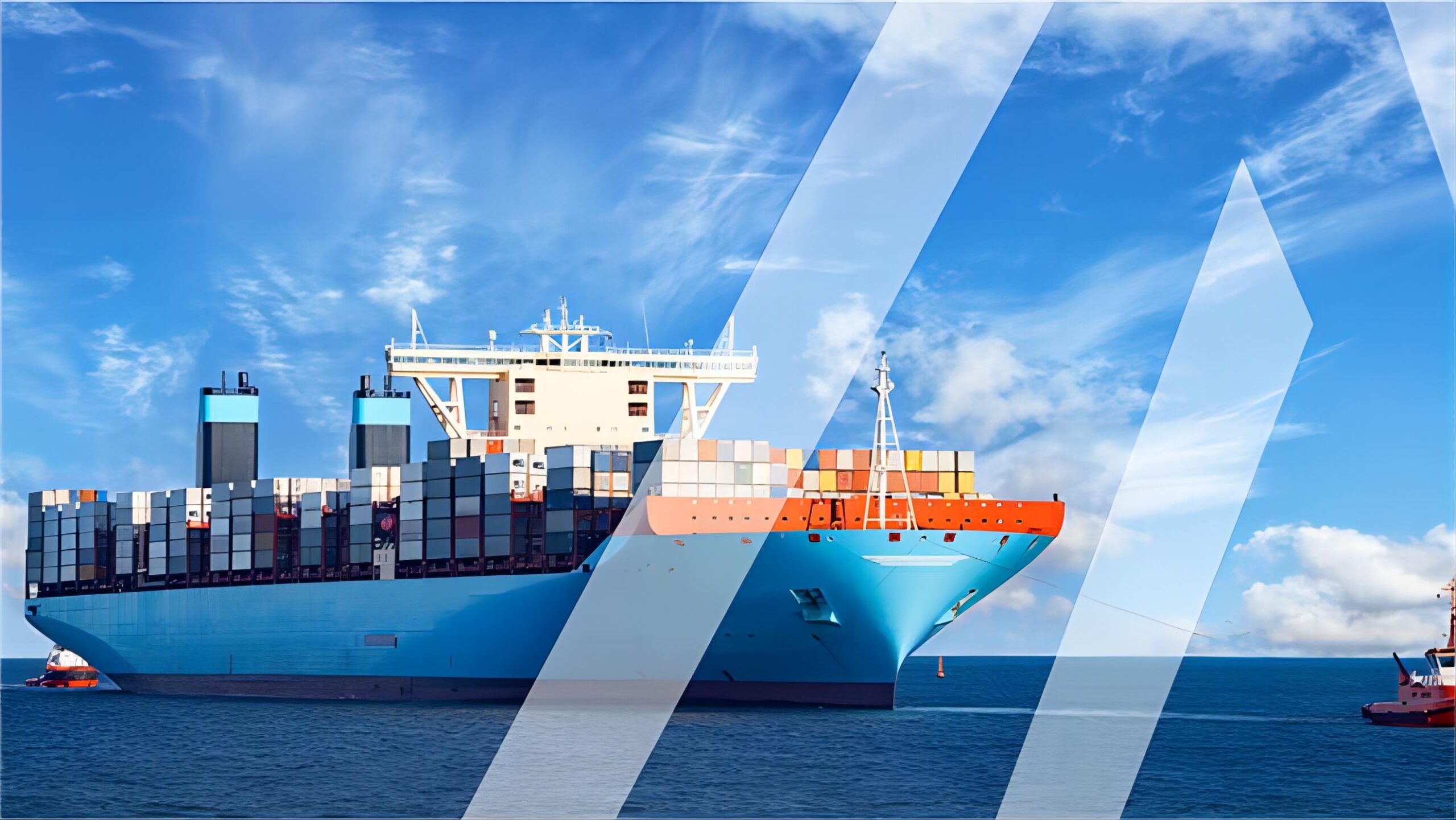
Shipping from China to Canada: A Comprehensive 2026 Logistics Guide
Successfully shipping from China to Canada requires a deep understanding of evolving global supply chain dynamics. Whether you are a new importer or an established business, working with a reliable partner like DSV-Freight at https://alibabaforwarder.com/ ensures your cargo moves efficiently across the Pacific. Navigating complex logistics can be daunting, but choosing the right strategy will simplify your import process significantly.

Understanding Shipping from China to Canada Logistics
International trade between China and Canada relies heavily on established maritime and aerial corridors. Consequently, businesses must weigh transit times against budget constraints to maintain profitability.

Choosing the correct sea freight option is often the first step for bulk importers. Sea transport remains the most cost-effective method for high-volume shipments despite longer transit durations.
Alternatively, businesses requiring rapid delivery often opt for air freight. Although this method carries higher costs, it provides unmatched speed for time-sensitive inventory.
| Method | Cost | Transit Time | Best For |
|---|---|---|---|
| Sea Freight | Low | 25-40 Days | Bulk Goods |
| Air Freight | High | 3-7 Days | Urgent Items |
| Express | Very High | 2-5 Days | Small Packages |
How Does Shipping from China to Canada Compare to Other Options?
Comparing shipping methods is essential for optimizing your logistics budget. For example, while sea freight is ideal for heavy machinery, air freight is superior for electronics or seasonal fashion.
Furthermore, utilizing door to door services can eliminate the headaches associated with local inland transport. This hybrid approach ensures that your cargo is handled from the Chinese factory floor to your Canadian warehouse.
Additionally, businesses should consider Amazon FBA if they are selling directly to consumers via online marketplaces. This allows for streamlined inventory management and faster fulfillment cycles.
| Method | Cost Range | Transit Time | Limitations |
|---|---|---|---|
| Sea LCL | Moderate | 30-45 Days | Handling Risk |
| Sea FCL | Low | 25-35 Days | Volume Required |
| Air Cargo | High | 5-10 Days | Weight Limits |
Navigating Customs and Compliance
Importing goods into Canada requires strict adherence to CBSA regulations. Therefore, hiring a professional customs brokerage service is highly recommended to avoid costly delays.
Documentation accuracy, including commercial invoices and packing lists, serves as the backbone of a smooth clearance process. In addition, ensure that all HS codes are classified correctly to prevent unexpected duty assessments.
Finally, staying updated on trade agreements between China and Canada can help you leverage potential tariff reductions. Indeed, proactive planning is the best defense against regulatory complications.
Final Thoughts on Shipping from China to Canada
To summarize, shipping from China to Canada is a manageable process when you align your logistics strategy with your specific business goals. By choosing the right freight method and partnering with experienced professionals, you can maximize efficiency and minimize costs.
Always remember that market conditions change rapidly in 2026, so staying informed is vital. Start your journey toward seamless global trade today by reviewing your current shipping routes and requirements.
Get Your Shipping Quote Today
Ready to optimize your supply chain? Contact our team today to request a custom quote for your next import. Let us handle the complexities of shipping from China to Canada so you can focus on growing your business.
Request Quote