
Shipping from China to Germany DDP: The Complete 2026 Guide for Businesses
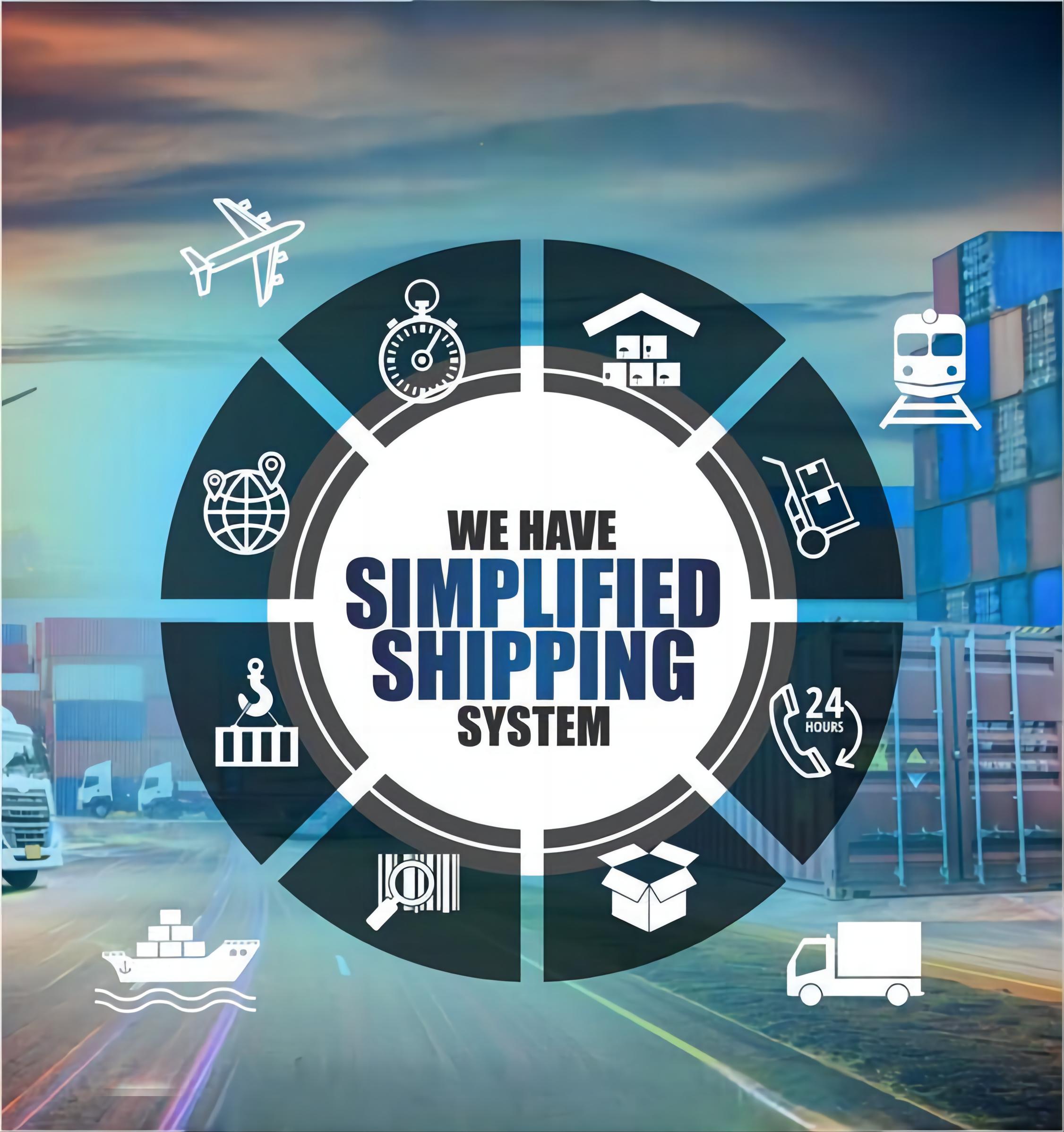
Shipping from China to Germany DDP has become the gold standard for businesses seeking a seamless and predictable logistics experience in 2026. By choosing the Delivered Duty Paid (DDP) model, importers can bypass the complexities of customs clearance and unexpected tax liabilities at the border. If you are looking to simplify your international trade, visit alibabaforwarder.com to explore professional freight solutions tailored to your specific needs. This comprehensive guide will walk you through the nuances of DDP shipping, ensuring your cargo moves efficiently across the continents while maintaining your profit margins.
What is Shipping from China to Germany DDP?
Delivered Duty Paid (DDP) is an Incoterm where the seller assumes all risks and costs associated with transporting goods to a specific location in Germany. This includes everything from the initial pickup at the Chinese factory to the final unloading at the buyer’s warehouse. Consequently, the seller handles export duties, shipping costs, insurance, and most importantly, the import VAT and customs duties in Germany.
Importers often prefer this method because it provides total price transparency from the outset. Furthermore, it eliminates the need for the German buyer to deal with local customs authorities or provide complex documentation during the arrival process. Historically, managing these steps required significant administrative effort, but DDP streamlines the entire workflow into a single, all-inclusive service.
Modern logistics providers in 2026 have refined this process to include advanced tracking and automated tax calculations. Therefore, even small to medium-sized enterprises can now compete with larger corporations by utilizing efficient DDP routes. This evolution in the supply chain ensures that goods flow smoothly through major gateways like Hamburg or Frankfurt without being held up by bureaucratic delays.
Why Choose DDP for Your German Imports?
Choosing DDP shipping offers several strategic advantages for businesses operating in the competitive German market. First, it provides a fixed landed cost, which allows for more accurate retail pricing and financial planning. Moreover, the buyer is not responsible for any damage or loss that occurs during transit, as the risk remains with the seller until delivery is complete.
Customs clearance in Germany can be notoriously strict and time-consuming if documentation is incorrect. However, with a DDP agreement, the seller’s freight forwarder manages the entire clearance process, utilizing their expertise to avoid common pitfalls. Additionally, this arrangement prevents the buyer from having to register for a German VAT number if they are not already established in the country.
Logistics trends in early 2026 indicate that DDP is particularly beneficial for e-commerce sellers using platforms like Amazon or eBay. By ensuring all duties are paid upfront, sellers avoid the risk of customers being asked to pay extra fees upon delivery. Specifically, this enhances the customer experience and reduces the likelihood of returned shipments due to unpaid import taxes.
Comparing Shipping Methods for DDP Delivery
Selecting the right transportation mode is crucial for balancing speed and cost when shipping from China to Germany DDP. For large-scale shipments where budget is the primary concern, sea freight remains the most popular choice. It offers the lowest cost per cubic meter, although it requires the longest transit times across the ocean.
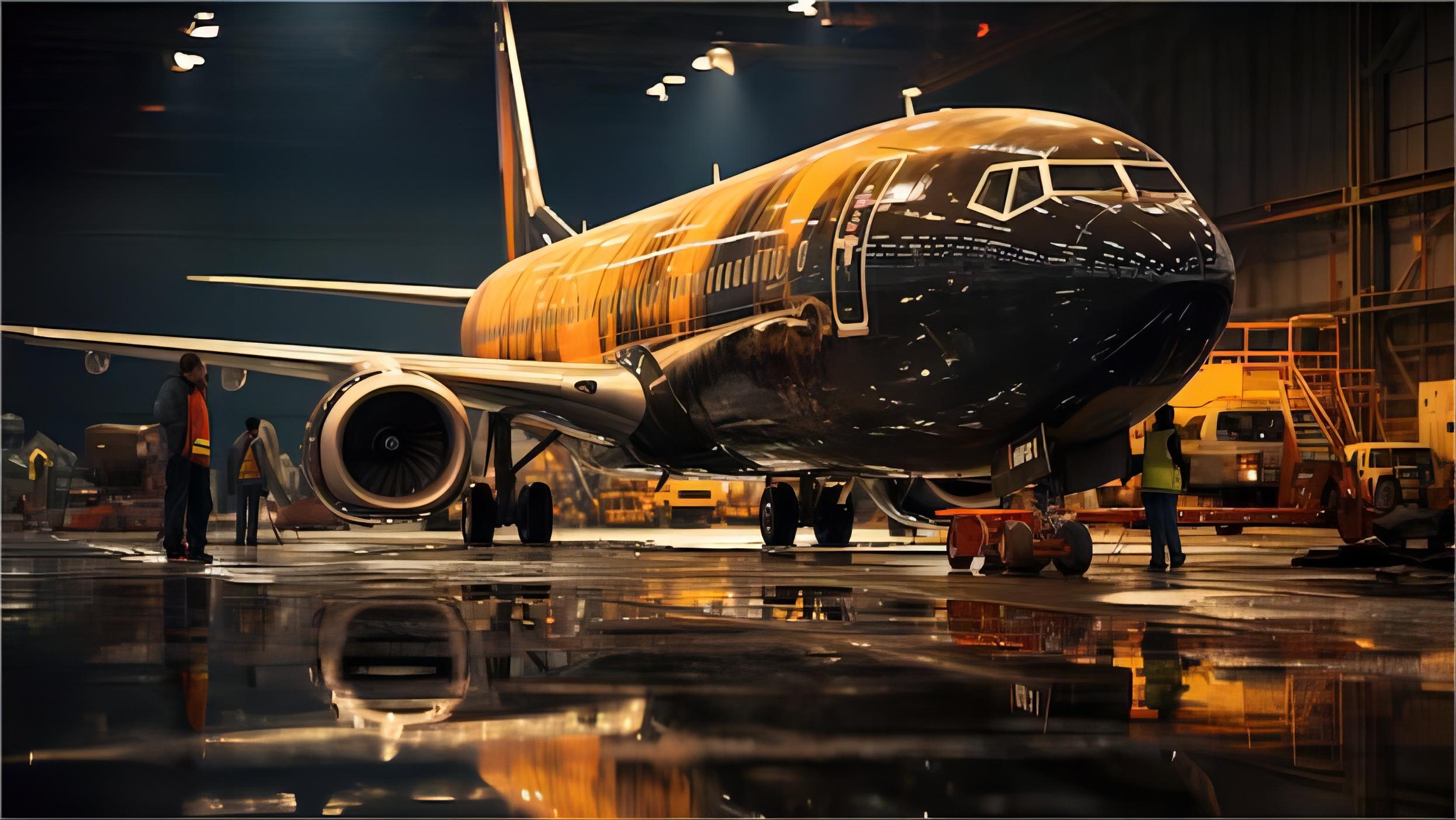
Alternatively, businesses with time-sensitive cargo often opt for air freight to ensure rapid delivery. While more expensive, this method reduces inventory holding costs and allows for quicker responses to market demand. In 2026, air cargo capacity has stabilized, providing more reliable schedules for high-value electronics and seasonal goods.
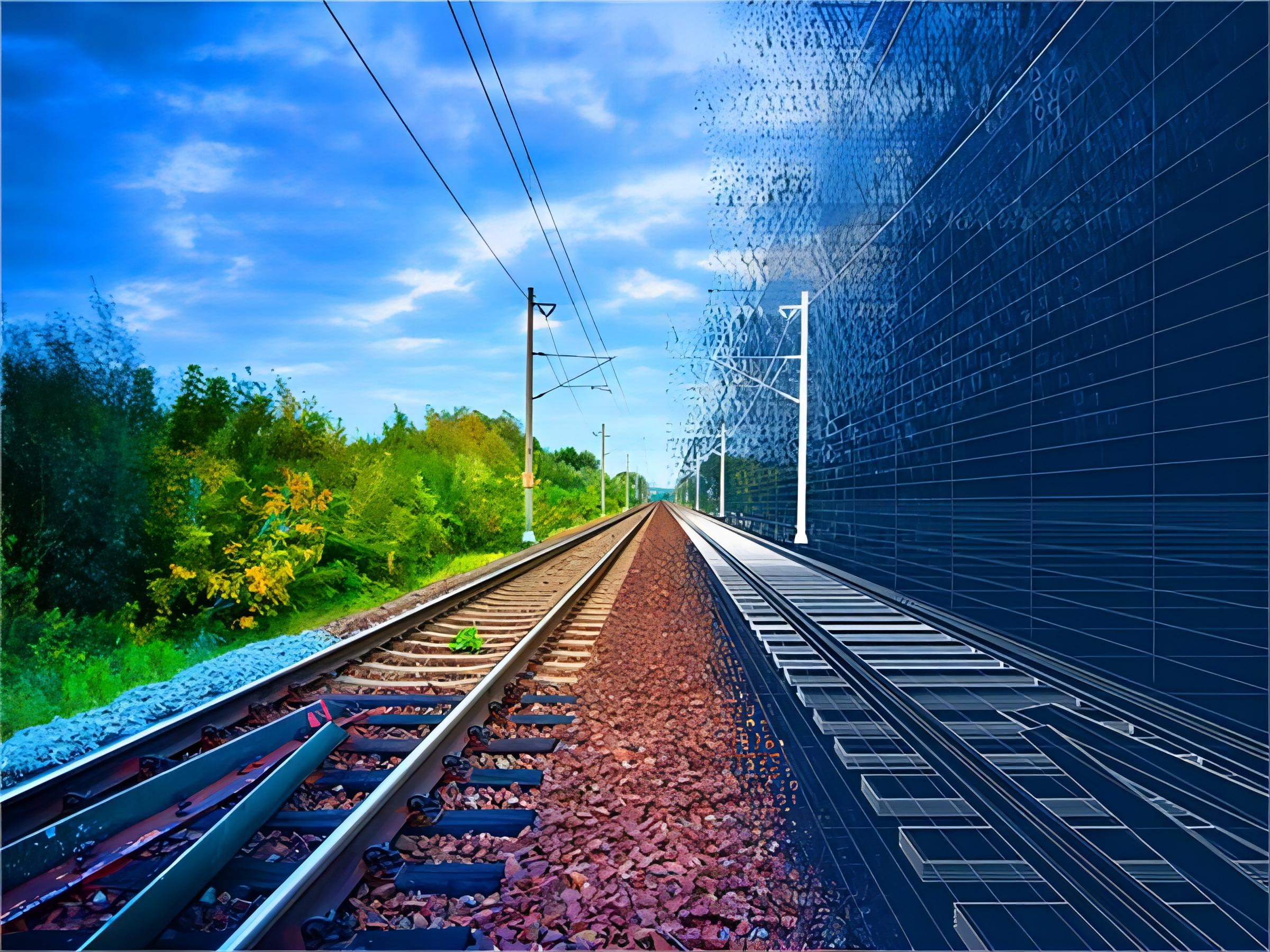
Rail freight has also emerged as a powerful middle-ground solution between sea and air options. It provides a faster transit time than ships while remaining significantly cheaper than airplanes. Notable improvements in the New Silk Road infrastructure have made this a viable and sustainable alternative for many German importers.
| Method | Transit Time | Cost Level | Ideal Cargo |
|---|---|---|---|
| Sea Freight | 30-40 Days | Low | Bulky, heavy goods |
| Air Freight | 5-8 Days | High | Electronics, urgent |
| Rail Freight | 18-22 Days | Medium | Consumer goods, auto parts |
| Express | 3-5 Days | Very High | Samples, documents |
How Does DDP Compare to Other Shipping Options?
Understanding the differences between DDP and other common Incoterms like DAP (Delivered at Place) or FOB (Free on Board) is essential for risk management. In a DAP scenario, the seller delivers the goods, but the buyer is responsible for paying all import duties and taxes. This can lead to unexpected costs if the buyer is not fully aware of current German tax rates.
Meanwhile, FOB requires the buyer to take control of the shipment as soon as it is loaded onto the vessel in China. Consequently, the buyer must manage the entire international transit and customs process, which requires significant logistics expertise. In contrast, DDP shifts all these burdens back to the seller, making it a truly hands-off solution for the importer.
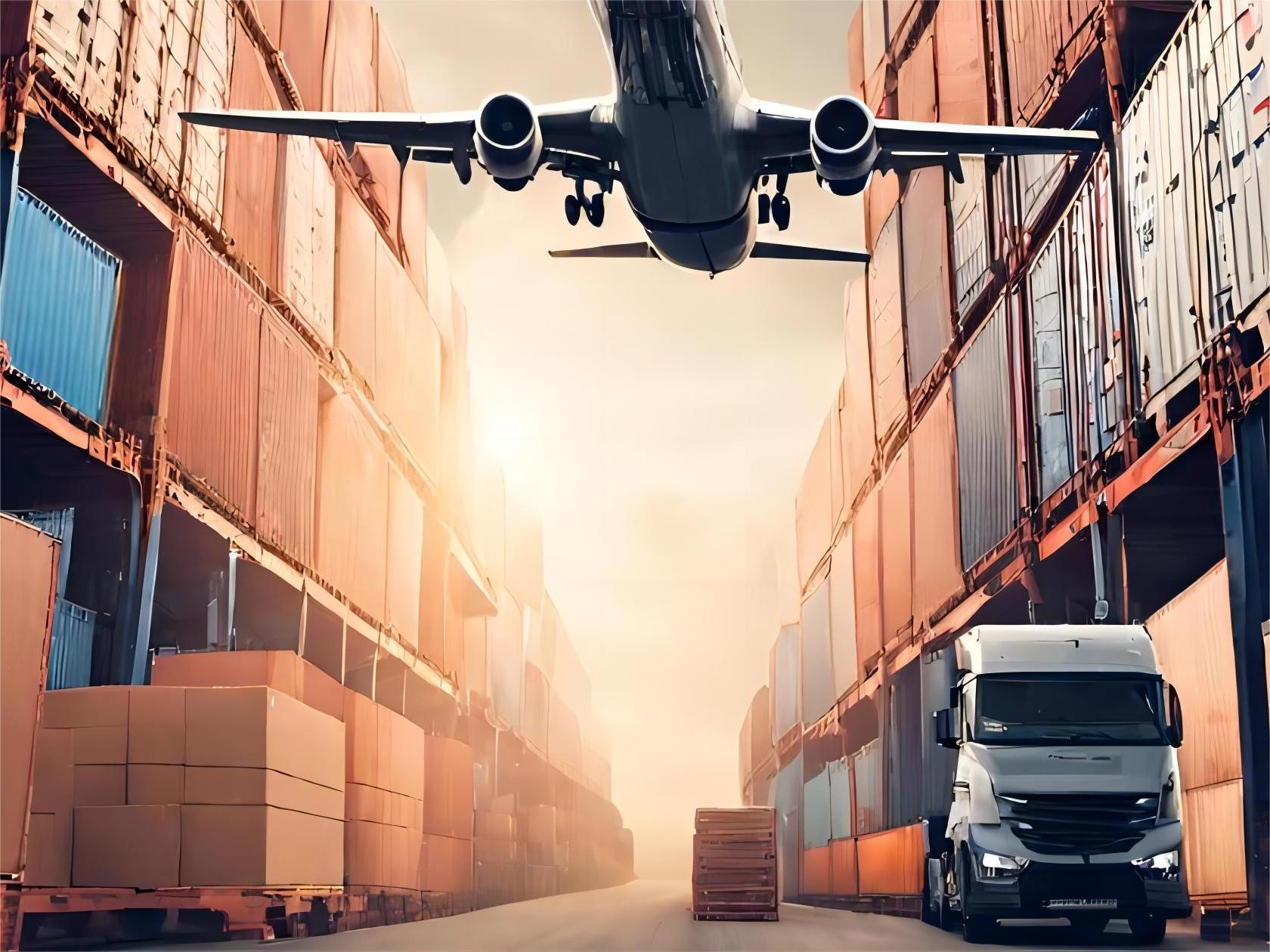
Hybrid solutions, such as combining sea freight with rail-based final delivery, can also optimize the supply chain. For example, a shipment might arrive at a Greek port and then travel by rail to Germany to save time. Nevertheless, the DDP framework can still be applied to these multi-modal routes to maintain cost certainty.
| Shipping Method | Cost Range | Transit Time | Best For |
|---|---|---|---|
| Full Container (FCL) | $3,200 – $4,500 | 32-38 Days | Large inventory |
| Shared Container (LCL) | $150 – $250/CBM | 35-42 Days | Small volumes |
| Direct Rail | $2,800 – $3,800 | 18-22 Days | Mid-size shipments |
| Air Cargo | $7.50 – $11.00/kg | 5-7 Days | High-value items |
Step-by-Step Process for Shipping from China to Germany DDP
Beginning the process requires a clear agreement between the buyer and the Chinese supplier regarding the DDP terms. Once the contract is signed, the seller coordinates with a specialized freight forwarder to arrange the pickup of goods. This forwarder will then verify the HS codes to ensure accurate duty calculations before the cargo leaves China.
Next, the cargo is transported to the port of loading, such as Shanghai or Shenzhen, for export clearance. During this phase, the seller’s agent handles all documentation, including the commercial invoice and packing list. After the goods depart, the buyer receives tracking information to monitor the progress of the shipment across the sea or rail networks.
Upon arrival in Germany, the seller’s agent initiates the import customs clearance process immediately. They pay the required VAT and duties on behalf of the buyer using the prepaid funds included in the DDP price. Finally, the door to door service concludes with the local delivery of the goods to the buyer’s specified German address.
Understanding Costs and Transit Times in 2026
Freight rates in 2026 have stabilized following the supply chain disruptions of previous years, though seasonal fluctuations still occur. For instance, prices typically rise by 15-20% during the peak season between August and October as retailers prepare for the holidays. Therefore, booking several weeks in advance is highly recommended to secure the best possible rates.
Transit times for rail freight have improved significantly due to digital border crossings and faster locomotive changes. Currently, a train from Xi’an can reach Duisburg in approximately 19 days, making it an excellent choice for time-sensitive industrial components. Sea freight remains slower, with most vessels taking around 35 days to reach the port of Hamburg via the Suez Canal.
Note: Freight rates are subject to change based on fuel costs, carrier capacity, and seasonal demand. Contact us for a current quote tailored to your specific shipment. Market data suggests that fuel surcharges have remained relatively flat in Q1 2026, providing a window of opportunity for cost-effective shipping.
Real-World Case Studies for Germany Imports
Analyzing real-world scenarios helps importers understand the practical application of DDP shipping methods and their associated costs. These examples reflect actual market conditions as of early 2026 and highlight the efficiency of modern logistics networks. Many businesses now utilize Amazon FBA services within the DDP framework to streamline their e-commerce operations.
Case Study 1: Electronics from Shenzhen to Berlin. A tech startup imported 450kg of consumer electronics using air freight DDP. The total landed cost was $4,850, including all duties and local delivery. The shipment arrived at the Berlin warehouse in just 6 days, allowing the company to meet a sudden surge in demand without any customs delays.
Case Study 2: Furniture from Ningbo to Hamburg. A retail chain imported 12 CBM of office furniture via LCL sea freight DDP. The total cost amounted to $2,400, covering ocean freight, German VAT, and trucking to the final destination. Despite a minor port congestion issue in Hamburg, the goods were delivered in 39 days, proving the reliability of the DDP model for bulky items.
Required Documentation for German Customs
Documentation remains the backbone of successful international shipping, even under a DDP agreement where the seller manages the paperwork. The commercial invoice must clearly state the value of the goods, the currency, and the specific Incoterm used for the transaction. Furthermore, a detailed packing list is required to help customs officials verify the contents of the shipment without unnecessary physical inspections.
German authorities also require an EORI (Economic Operators Registration and Identification) number for all commercial imports. While the seller’s agent usually handles the clearance, the German buyer may still need to provide their EORI number for record-keeping purposes. Additionally, certificates of origin or specialized permits may be necessary for certain product categories like chemicals or textiles.
HS codes are another critical element that dictates the amount of duty applied to the shipment. Inaccurate classification can lead to significant fines or long delays at the border. Consequently, working with a professional logistics provider ensures that every item is correctly categorized according to the latest 2026 customs regulations.
Which Option Should You Choose?
Deciding on the best shipping method depends on your specific business priorities, budget constraints, and inventory needs. If your primary goal is to minimize costs and you have a flexible schedule, sea freight is the logical choice for large volumes. On the other hand, if you are launching a new product and need to hit a strict deadline, air freight offers the speed you require.
Budget priority: Recommend sea freight for shipments over 2 CBM where transit time is not a critical factor. Speed priority: Recommend air freight or express services for high-margin goods that need to be on shelves within a week. Volume thresholds: For shipments between 1 and 5 CBM, rail freight often provides the best balance of cost and efficiency for the China-Germany route.
Ultimately, the DDP model provides the security and simplicity needed to navigate the complexities of international trade. By shifting the logistical burden to experts, you can focus on growing your business in Germany rather than managing transport details. Evaluate your cargo type and urgency carefully before selecting the final shipping method for your 2026 imports.
Final Thoughts on DDP Logistics
Successfully managing shipping from China to Germany DDP requires a combination of strategic planning and expert execution. By understanding the various transportation modes and the benefits of the DDP Incoterm, you can significantly reduce your operational risks. Transitioning to this all-inclusive model ensures that your business remains agile and competitive in the evolving global marketplace of 2026.
Reliability and transparency are the cornerstones of modern international trade between these two economic powerhouses. Whether you choose the speed of air, the volume of sea, or the efficiency of rail, DDP remains the most effective way to handle German imports. Start optimizing your logistics today to ensure your cargo arrives on time and within budget every single time.
Start Your Shipment
Streamline your supply chain today by choosing the most reliable shipping from China to Germany DDP services available. Our team of logistics experts is ready to provide you with a customized quote that covers every detail from the factory floor to your warehouse door. Visit our inquiry page to get started and experience hassle-free importing in 2026. Send Inquiry: https://alibabaforwarder.com/contact/
Request Quote