

Shipping from China to Netherlands DDP: 2026 Comprehensive Logistics Guide
Navigating the complexities of international trade requires a reliable partner for shipping from China to Netherlands DDP. DSV-Freight provides seamless logistics solutions that eliminate the stress of customs clearance and hidden fees. Consequently, businesses can focus on growth while we handle the entire supply chain process from factory to front door. This guide explores everything you need to know about the most efficient ways to move goods into the Dutch market during the 2026 trade season.
What is DDP Shipping and Why is it Essential for the Netherlands?
Delivered Duty Paid, or DDP, is an incoterm where the seller assumes all responsibility for moving goods from China to the buyer’s location in the Netherlands. Specifically, the seller covers all shipping costs, export duties, import taxes, and insurance during the journey. This arrangement provides total price transparency for the importer, as no additional fees are requested upon delivery.
Moreover, this method is highly preferred by e-commerce sellers and small businesses who lack a local Dutch tax presence. Since the freight forwarder handles the VAT and customs entry, the recipient avoids the administrative burden of dealing with the Belastingdienst. This streamlined approach ensures that your supply chain remains efficient and predictable.
Choosing a reliable door to door service is the most effective way to implement this strategy. Consequently, you can avoid the common pitfalls of international logistics, such as unexpected port storage fees or customs delays. Indeed, DDP remains the gold standard for hassle-free importing in 2026.
How Does DDP Compare to Other Shipping Options?
Understanding the differences between DDP and other incoterms like DAP or EXW is crucial for your bottom line. While DDP offers the most convenience, it often carries a slightly higher service fee because the forwarder takes on all the risk. In contrast, DAP requires the buyer to handle the import clearance and pay Dutch VAT upon arrival.
Furthermore, EXW places almost all responsibility on the buyer, including picking up the goods from the Chinese factory. For many Dutch companies, the time saved by using DDP far outweighs the marginal cost difference. Therefore, analyzing your internal resources is the first step in choosing the right shipping terms.
| Shipping Term | Risk Transfer | Customs Responsibility | Best For |
|---|---|---|---|
| DDP | At Destination | Seller/Forwarder | E-commerce/SME |
| DAP | At Destination | Buyer (Dutch side) | Large Corporations |
| CIF | At Port | Buyer | Bulk Raw Materials |
| EXW | At Factory | Buyer | Experienced Importers |
Analyzing Sea Freight for Large Volume Shipments
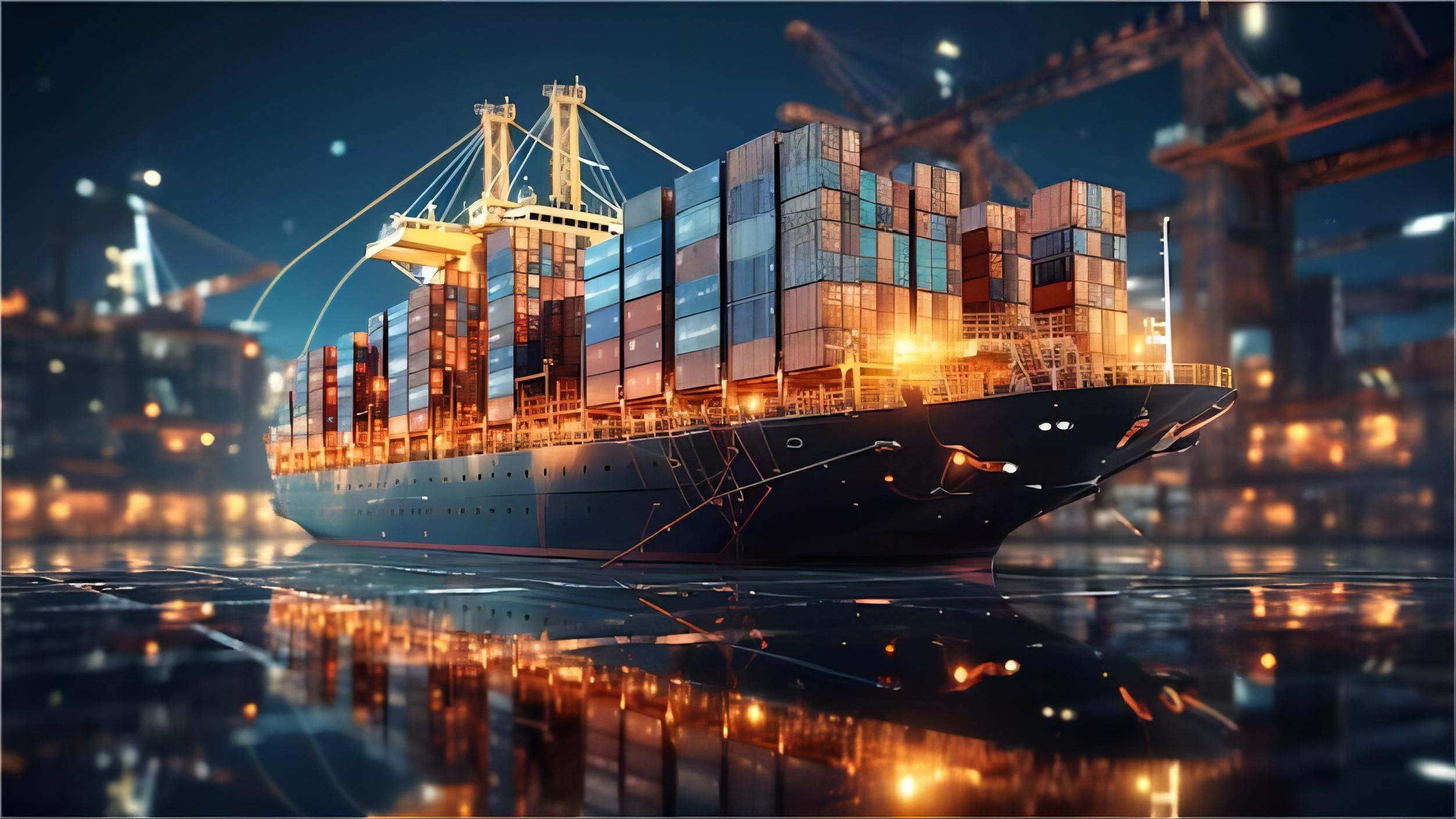
For businesses moving large quantities of goods, sea freight remains the most cost-effective solution. In 2026, the route from major Chinese ports like Shanghai or Ningbo to Rotterdam is highly optimized. Importers can choose between Full Container Load (FCL) or Less than Container Load (LCL) depending on their volume.
Additionally, sea freight offers the best scalability for growing businesses. While the transit time is longer than other methods, the cost per unit is significantly lower. As a result, it is the ideal choice for non-urgent inventory replenishment or heavy machinery.
Typical sea freight rates in early 2026 have stabilized, providing a reliable baseline for budgeting. However, it is important to book at least 2-3 weeks in advance to secure space during peak seasons. Without a doubt, the Port of Rotterdam’s advanced infrastructure makes it the premier gateway for maritime shipments into Europe.
The Speed Advantage of Air Freight DDP
When time is the primary constraint, air freight is the superior option for shipping from China to Netherlands DDP. This method is particularly suitable for high-value electronics, fashion samples, or urgent replacement parts. Most shipments arrive at Schiphol Airport within a matter of days rather than weeks.
Moreover, air freight reduces the risk of damage or theft due to shorter handling times. Although the cost is higher than sea or rail, the rapid turnover of capital can justify the investment for many businesses. Consequently, air DDP is a favorite for those launching new products or managing tight deadlines.
Industry data suggests that air freight rates are influenced by seasonal demand and fuel surcharges. For shipments under 100kg, using an express service might be even more efficient than standard air cargo. Therefore, always compare the total landed cost before making a final decision.
Rail Freight: The Middle Ground Solution
In 2026, rail freight has become a highly popular alternative for the China-Europe corridor. It offers a perfect balance between the low cost of sea freight and the high speed of air freight. Most rail shipments from hubs like Xi’an or Chengdu reach Dutch rail terminals in approximately 18 to 22 days.
Furthermore, rail transport is significantly more environmentally friendly than air freight. This makes it an excellent choice for companies focusing on sustainability in their supply chain. In addition, rail rates are generally more stable than ocean freight, which can fluctuate wildly during geopolitical shifts.
Businesses often use rail for mid-sized cargo that is too heavy for air but too urgent for the sea. For instance, consumer appliances and automotive parts are frequently moved via the Iron Silk Road. Consequently, rail DDP provides a reliable and predictable schedule for modern logistics.
| Method | Cost Range | Transit Time | Best For |
|---|---|---|---|
| Sea Freight | $3,200 – $4,500 (40HQ) | 30 – 40 Days | Bulk/Heavy Goods |
| Air Freight | $4.50 – $7.50 / kg | 4 – 7 Days | Urgent/High Value |
| Rail Freight | $120 – $180 / CBM | 18 – 25 Days | Mid-range urgency |
Navigating Customs and Documentation for Dutch Imports
Successful shipping from China to Netherlands DDP relies heavily on accurate documentation. The Dutch customs authorities, known as Douane, are efficient but very strict regarding compliance. Key documents include the Commercial Invoice, Packing List, and the Bill of Lading or Air Waybill.
Additionally, specific products may require CE certification or REACH compliance documents to enter the European market. Using a professional customs brokerage service ensures that all paperwork is filed correctly in the HS code system. As a result, you can avoid costly fines or cargo seizures at the border.
Furthermore, the DDP model means the forwarder handles the payment of the 21 percent Dutch VAT. This is a significant advantage for non-EU companies who do not have a VAT number in the Netherlands. Indeed, proper documentation is the foundation of a smooth import experience.
Real Case Studies: Shipping from China to Netherlands DDP
Case Study 1: Electronics from Shenzhen to Rotterdam
Route: Shenzhen, China to Rotterdam, Netherlands. Cargo: 500 units of smart home devices, 12 CBM. Method: Sea Freight LCL DDP. Total Landed Cost: $2,850. Transit Time: 34 days. Key Insight: The client saved 15 percent compared to DAP by avoiding local port handling fees and using our consolidated DDP service.
Case Study 2: Urgent Apparel from Shanghai to Amsterdam
Route: Shanghai, China to Amsterdam, Netherlands. Cargo: 250kg of seasonal clothing. Method: Air Freight DDP. Total Landed Cost: $1,625. Transit Time: 6 days. Key Insight: By using air DDP, the retailer was able to stock their shelves before the peak holiday season, ensuring no lost sales.
Case Study 3: Industrial Machinery from Chengdu to Tilburg
Route: Chengdu, China to Tilburg, Netherlands. Cargo: 5 CBM of precision tools. Method: Rail Freight DDP. Total Landed Cost: $950. Transit Time: 21 days. Key Insight: Rail provided a faster alternative to sea at a fraction of the air freight cost, maintaining the client’s production schedule.
Which Shipping Option Should You Choose?
Choosing the right method for shipping from China to Netherlands DDP depends on your specific business priorities. If your primary goal is cost reduction and you have a flexible schedule, sea freight is the clear winner. However, if you are shipping perishable or high-value items, air freight is worth the premium price.
For those seeking a balance, rail freight offers a competitive middle ground that is increasingly reliable. Additionally, consider the volume of your cargo; LCL is better for small batches, while FCL is more economical for large inventories. To summarize, evaluate your budget, timeline, and cargo type before committing to a specific route.
Note: Freight rates are subject to change based on fuel costs, carrier capacity, and seasonal demand. Contact us for a current quote tailored to your specific shipment.
Final Thoughts on DDP Shipping to the Netherlands
In conclusion, shipping from China to Netherlands DDP is the most efficient way to manage international logistics in 2026. By removing the complexities of customs and taxes, businesses can operate with greater predictability and ease. Whether you choose sea, air, or rail, the DDP model ensures that your goods arrive safely and without hidden charges.
As the trade landscape continues to evolve, staying informed about market trends and logistics options is essential. Partnering with a professional freight forwarder like DSV-Freight provides the expertise needed to navigate these waters successfully. Start optimizing your Dutch imports today by choosing the right DDP strategy for your needs.
Get Your Shipping Quote Today
Ready to streamline your supply chain and reduce costs? Contact our experts today for a custom quote on shipping from China to Netherlands DDP. We handle the logistics so you can focus on your business. Visit our homepage to start your inquiry.
Request Quote