

Shipping from China to Pakistan DDP: The Complete 2026 Logistics Guide
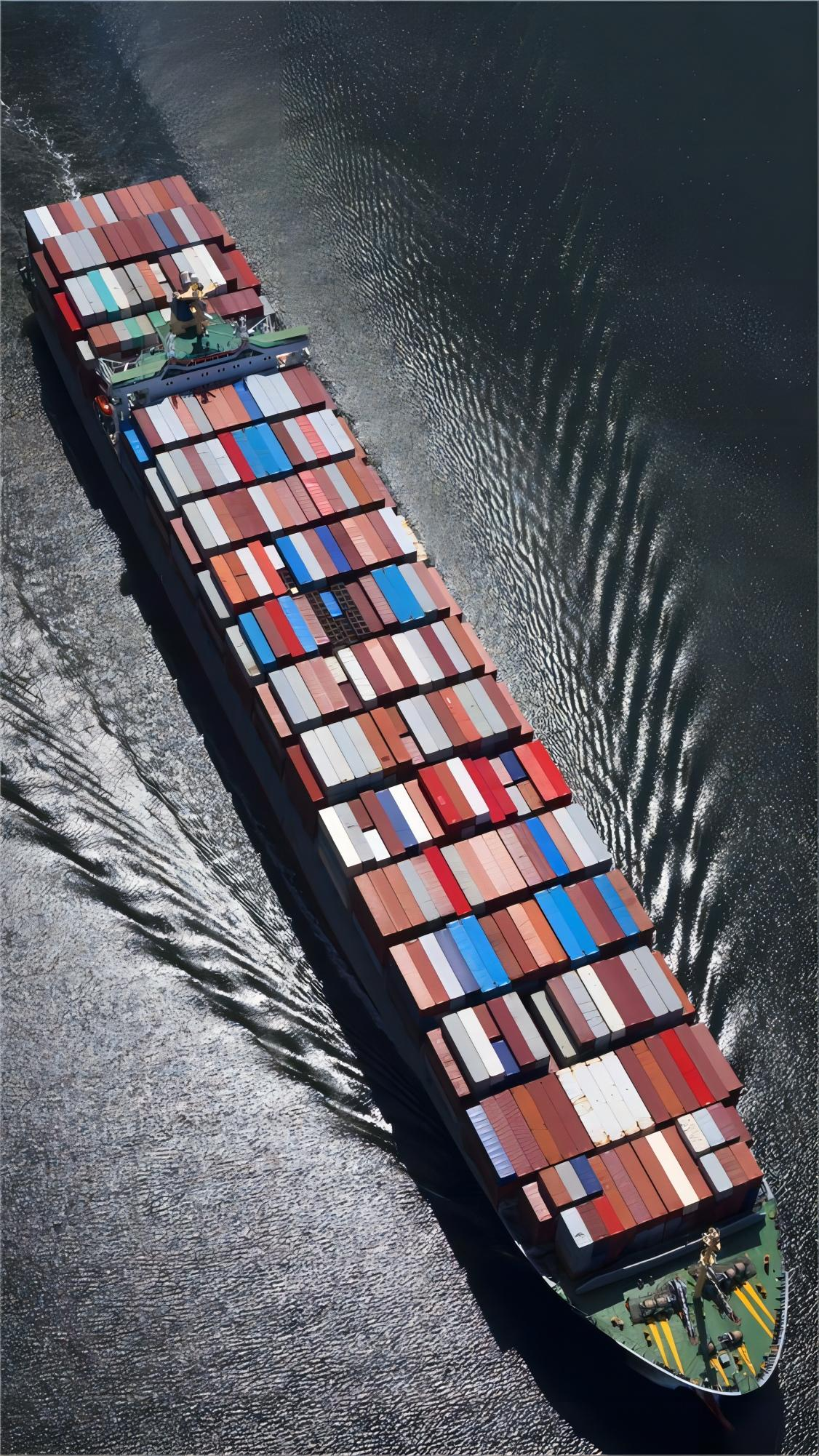
Navigating the complexities of international trade requires a strategic approach to logistics and supply chain management. Businesses looking to expand their reach often find that shipping from china to pakistan ddp provides the most reliable and predictable outcome for their operations. DSV-Freight specializes in managing these complex routes to ensure your cargo arrives safely and on schedule. Consequently, this guide explores everything you need to know about Delivered Duty Paid solutions in the current 2026 market environment. Many importers struggle with hidden fees and unexpected customs delays when using traditional shipping methods. Therefore, choosing a comprehensive DDP service eliminates these pain points by covering all duties, taxes, and clearance procedures upfront. Whether you are importing electronics, textiles, or industrial machinery, understanding the nuances of the China-Pakistan trade corridor is essential for maintaining a competitive edge.
What is DDP Shipping and Why Choose it for Pakistan?
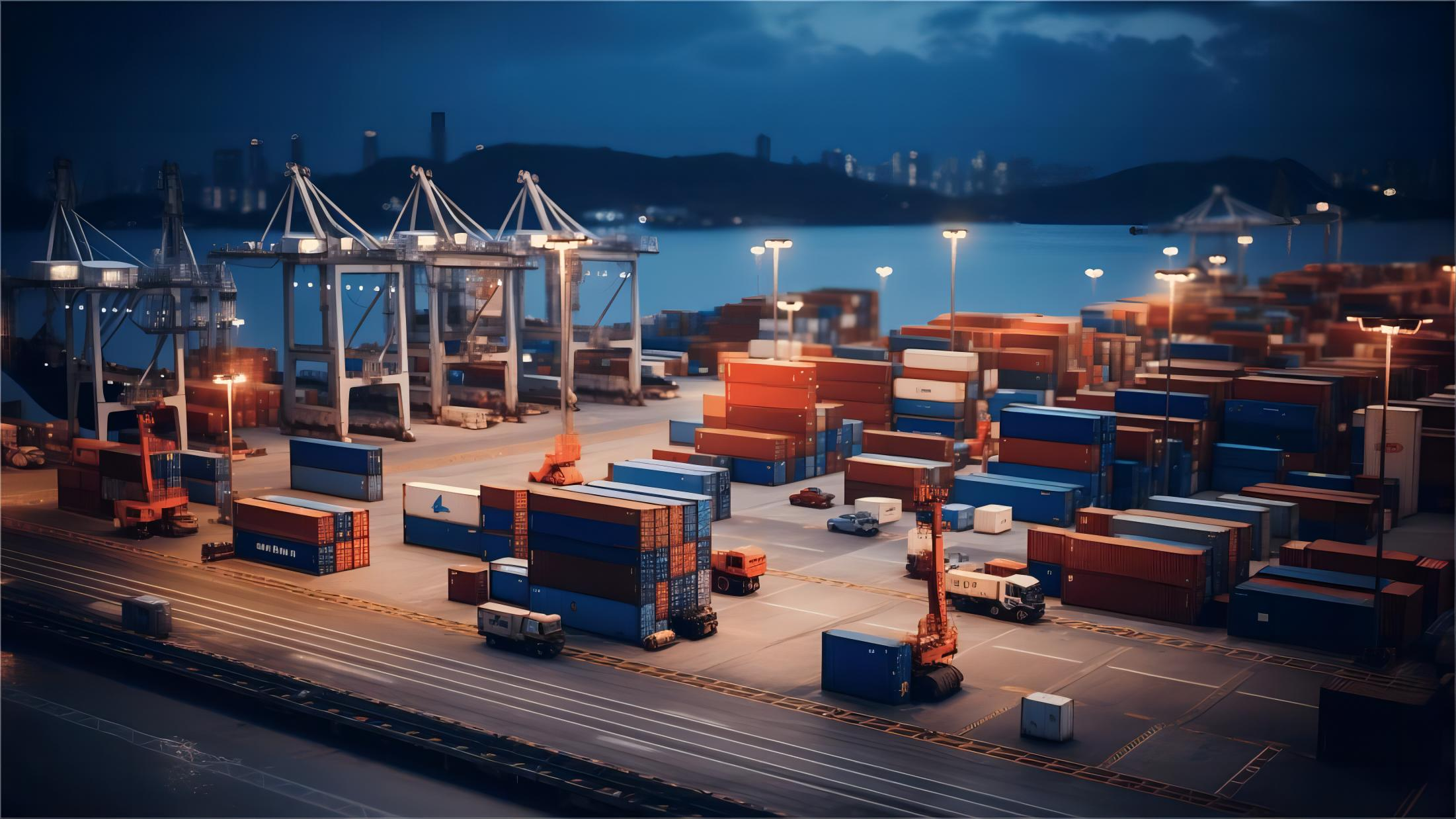
Delivered Duty Paid represents the highest level of commitment from a logistics provider to the importer. Under these terms, the seller or freight forwarder assumes all responsibility for the goods until they reach the final destination. This includes paying for international freight, insurance, and all applicable import duties in Pakistan. Consequently, the buyer does not need to worry about the complexities of the Pakistan Customs Tariff or local tax regulations. Moreover, this method provides a fixed landed cost, which is vital for accurate retail pricing and budget management.
Choosing DDP is particularly beneficial for small to medium-sized enterprises that may lack a dedicated logistics department. It simplifies the entire procurement process by providing a single point of contact for the entire journey. Furthermore, the forwarder manages all the paperwork required by the Federal Board of Revenue in Pakistan. This reduces the risk of shipments being held at the port due to documentation errors. Indeed, the peace of mind offered by DDP solutions makes it a preferred choice for high-volume traders in 2026.
How Shipping from China to Pakistan DDP Works in 2026
Initially, the process begins at the supplier’s warehouse in major Chinese industrial hubs like Guangzhou, Shenzhen, or Yiwu. Your freight forwarder coordinates the collection of goods and prepares the necessary export documentation for Chinese customs. Specifically, they ensure that the Harmonized System codes are correctly applied to avoid export delays. Once the goods are cleared for export, they are loaded onto a vessel or aircraft depending on your chosen speed. Many businesses currently utilize air freight to Lahore or Islamabad for time-sensitive inventory.
Meanwhile, the logistics provider starts the preliminary customs filing in Pakistan to expedite the process upon arrival. They calculate the exact amount of duty and sales tax based on the current 2026 trade agreements. After the cargo arrives at a major port like Karachi or an international airport, the forwarder handles the physical inspection and payment of fees. Finally, the goods are loaded onto a truck for the final leg of the journey to your warehouse. This end-to-end management ensures that you never have to visit a customs office or deal with local port authorities directly.
Air Freight vs. Sea Freight: Comparison for DDP Shipments
Deciding between air and sea freight depends heavily on your budget and the urgency of the shipment. Air freight is significantly faster but comes with a higher price tag per kilogram. Conversely, sea freight offers the lowest cost for large volumes but requires much longer transit times. In 2026, sea freight rates have stabilized, making it an excellent choice for bulk commodities and heavy machinery. However, air cargo remains the standard for electronics and fashion items where market trends change rapidly.
Technological improvements in 2026 have also introduced more efficient tracking for both methods. You can now monitor your shipment’s progress in real-time regardless of the transport mode selected. Additionally, hybrid solutions like sea-air transitions are becoming popular for balancing cost and speed. Choosing the right method requires a careful analysis of your inventory turnover and profit margins. Regardless of the mode, the DDP framework ensures that the final delivery experience remains consistent and professional.
| Method | Transit Time | Cost Level | Best For |
|---|---|---|---|
| Air Freight | 5-8 Days | High | High-value goods |
| Sea Freight LCL | 25-35 Days | Medium | Mid-sized loads |
| Sea Freight FCL | 22-30 Days | Low | Full containers |
| Express Courier | 3-5 Days | Premium | Urgent samples |
Key Benefits of Using a Professional Freight Forwarder
Partnering with a professional logistics provider offers several strategic advantages beyond simple transportation. They possess deep knowledge of the local Pakistani market and the latest regulatory changes introduced in late 2025. Consequently, they can navigate the nuances of the China-Pakistan Economic Corridor (CPEC) to find the most efficient routes. Furthermore, a dedicated forwarder provides cargo insurance that protects your investment against unforeseen events during transit. This layer of security is indispensable when moving high-value inventory across international borders.
Moreover, professional forwarders often have established relationships with major carriers, allowing them to secure better rates than individual shippers. They also offer value-added services such as warehousing, palletizing, and labeling in China before the goods depart. This ensures that your products are ready for the Pakistani market the moment they arrive. Ultimately, the expertise of a seasoned logistics partner reduces the administrative burden on your staff. This allows you to focus on growing your business while the experts handle the movement of your goods.
Customs Clearance and Documentation for Pakistan Imports
Documentation is often the most challenging aspect of importing into Pakistan from China. A minor error on a commercial invoice or packing list can lead to significant delays and storage fees at the port. Therefore, utilizing a comprehensive customs brokerage service is highly recommended for all DDP shipments. The forwarder ensures that all documents comply with the requirements of the Pakistan Customs Computerized System (PaCCS). This digital integration has significantly speeded up clearance times in 2026 compared to previous years.
Specifically, you will need a valid Import-Export License and a Sales Tax Registration Number to facilitate the process. The forwarder will also require a detailed Bill of Lading and a Certificate of Origin to take advantage of preferential tariffs under the China-Pakistan Free Trade Agreement. Additionally, certain products may require special permits from the Pakistan Standards and Quality Control Authority. Your logistics provider will verify these requirements before the shipment leaves China. Consequently, the risk of non-compliance is virtually eliminated through proactive document management.
Transit Times and Cost Factors for 2026
Several factors influence the total transit time and cost of shipping from China to Pakistan in 2026. Port congestion in Karachi can occasionally add a few days to sea freight schedules during peak seasons. Furthermore, fuel surcharges fluctuate based on global energy prices, impacting the overall freight rate. To mitigate these risks, many importers choose door to door services that provide a fixed price regardless of minor delays. This allows for better financial planning and protects against sudden market volatility.
Seasonality also plays a major role in logistics planning for the Pakistan route. During the lead-up to major holidays in both China and Pakistan, demand for space on vessels and aircraft increases significantly. Consequently, booking your shipments at least three to four weeks in advance is advisable during these periods. Moreover, the weight and volume of your cargo will determine the most cost-effective shipping method. Smaller shipments under 100kg are often best suited for express service, while larger loads benefit from containerized sea freight.
How Does Shipping from China to Pakistan DDP Compare to Other Shipping Options?
Understanding the differences between DDP and other Incoterms like FOB or CIF is crucial for making an informed decision. Under FOB terms, you are responsible for the shipment as soon as it is loaded onto the vessel in China. This means you must manage the international freight and all Pakistani customs procedures yourself. In contrast, DDP removes these responsibilities from the buyer, making it a much simpler but slightly more expensive option upfront. However, when you factor in the time saved and the avoidance of hidden fees, DDP often proves to be more economical.
While CIF includes insurance and freight to the destination port, it does not cover the inland delivery or the customs duties in Pakistan. Consequently, many importers find themselves surprised by the high costs of local clearing agents and port charges. DDP provides a truly all-inclusive solution that covers the journey from the factory floor to your warehouse door. Therefore, it is the preferred choice for those who value simplicity and cost transparency. Choosing the right term depends on your internal capabilities and your comfort level with managing international logistics.
| Shipping Method | Cost Range | Transit Time | Best For |
|---|---|---|---|
| DDP Sea Freight | $120 – $200/CBM | 28-35 Days | Budget-conscious bulk |
| DDP Air Freight | $5.50 – $8.50/kg | 6-9 Days | Urgent inventory |
| Standard FOB | $800 – $2500/ctr | 20-30 Days | Experienced importers |
| Express DDP | $9.00 – $14.00/kg | 3-5 Days | E-commerce & Samples |
Which Option Should You Choose?
Selecting the ideal shipping strategy requires a balance between speed, cost, and convenience. If your primary goal is to minimize administrative tasks and ensure a fixed price, DDP is the clear winner. For businesses handling large volumes of low-margin goods, sea freight DDP offers the best value for money. Conversely, if you are launching a new product and need it in the hands of customers immediately, air freight DDP is the superior choice. Specifically, consider your cash flow and how quickly you need to turn over your inventory.
Actually, many successful importers use a tiered approach to their logistics. They might use air freight for their initial launch and then switch to sea freight for subsequent restocks. Furthermore, always verify the credentials of your freight forwarder to ensure they have a physical presence in both China and Pakistan. This ensures that any local issues can be resolved quickly by staff who speak the local language. Ultimately, the best option is the one that aligns with your specific business goals and customer expectations in 2026.
Real Case Studies for China to Pakistan DDP
Case Study 1: Electronics from Guangzhou to Karachi. Route: Guangzhou to Karachi Port. Cargo: 500 units of LED Smart Panels, 14 CBM. Shipping Method: Sea Freight DDP (LCL). Total Landed Cost: $4,200 (Inclusive of all duties). Transit Time: 31 days. Key Insight: By using DDP, the client avoided a 15% unexpected tax hike that occurred mid-transit, as the forwarder had already locked in the rates.
Case Study 2: Industrial Parts from Shanghai to Lahore. Route: Shanghai PVG to Lahore LHE. Cargo: Textile machinery components, 350 kg. Shipping Method: Air Freight DDP. Total Landed Cost: $2,850. Transit Time: 7 days. Key Insight: The shipment arrived during a major local strike, but the forwarder’s local network ensured the goods were cleared and delivered via a private courier within the promised timeframe.
Summary of DDP Shipping Solutions
Successfully managing shipping from china to pakistan ddp requires a combination of local expertise and global logistics reach. By choosing a Delivered Duty Paid service, you eliminate the uncertainty of customs clearance and the volatility of local port charges. Consequently, your business can operate with greater financial stability and improved customer satisfaction. The 2026 market offers more options than ever, from rapid air cargo to cost-effective sea freight.
Therefore, the key to success lies in selecting a logistics partner that offers transparency, reliability, and comprehensive support. Whether you are a new importer or an established trader, the DDP model provides the simplicity needed to thrive in the competitive Pakistani market. As trade between China and Pakistan continues to grow under the CPEC framework, staying informed about the latest logistics trends will ensure your business remains ahead of the curve.
Get Your Shipping Quote Today
Streamline your international trade today by choosing a partner that understands the intricacies of shipping from china to pakistan ddp. Our team at DSV-Freight is ready to provide you with a customized quote that covers every detail from the factory floor to your warehouse. Visit our website to request your free freight analysis and discover how we can optimize your 2026 supply chain operations. Visit https://alibabaforwarder.com/ to get started.
Request Quote