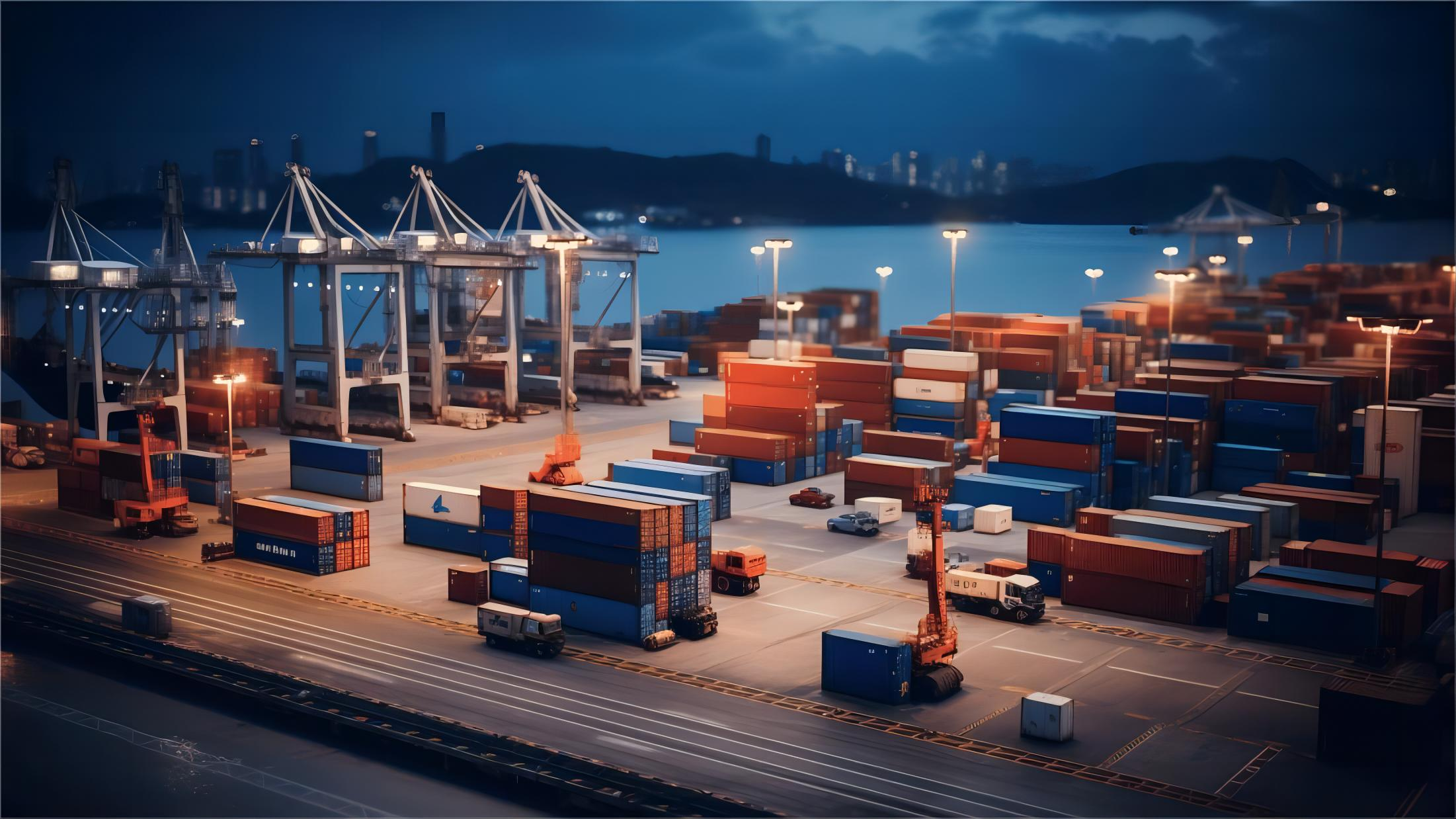


Shipping from China to South Africa: 2026 Freight and Logistics Guide
Shipping from China to South Africa remains a vital trade artery for businesses seeking competitive manufacturing and reliable supply chains in 2026. Managing the complexities of international logistics requires a deep understanding of maritime routes, air cargo capacity, and regional customs regulations. By collaborating with DSV-Freight, importers can streamline their operations and navigate the nuances of the African market with confidence. This guide provides a comprehensive overview of the strategies and costs involved in moving goods across this critical southern hemisphere route.
✦
What Are the Primary Methods for Shipping from China to South Africa?
Businesses usually select between sea freight and air freight depending on their specific budget and timeline requirements. Consequently, the choice of method significantly impacts the overall landed cost of the products being imported.
Sea freight offers the most economical solution for large volumes of goods that do not require immediate delivery. Meanwhile, air freight provides the necessary speed for high-value electronics or urgent inventory replenishment.
Rail freight is currently not a viable direct option for this route due to geographical barriers between the two regions. Therefore, importers must focus their strategy on maritime and aviation networks to ensure successful delivery.
Choosing the right partner helps mitigate risks associated with port congestion or shifting fuel surcharges. Specifically, professional freight forwarders can provide real-time tracking and consolidated shipping options.
Sea Freight: The Cost-Effective Powerhouse for 2026
Most international trade between these two nations relies on sea freight because of its massive capacity and lower price point. Furthermore, this method supports both Full Container Load (FCL) and Less than Container Load (LCL) shipping models.
FCL shipping is ideal for businesses that can fill an entire 20-foot or 40-foot container with their merchandise. In contrast, LCL allows smaller enterprises to share container space, paying only for the volume they actually use.
Major ports such as Shanghai, Ningbo, and Shenzhen serve as the primary departure points for vessels heading toward the southern tip of Africa. These routes typically traverse the Indian Ocean, often making stops in Southeast Asia or the Indian subcontinent.
Typical sea freight transit times range from 25 to 40 days depending on the specific port of discharge. For instance, shipping to Durban is generally faster than shipping to Cape Town due to the direct nature of the maritime lanes.
| Container Type | Average Cost (2026) | Capacity | Best Use |
|---|---|---|---|
| 20GP Container | $1,300 – $1,900 | 33 CBM | Heavy machinery |
| 40GP Container | $2,200 – $3,200 | 67 CBM | General cargo |
| 40HQ Container | $2,500 – $3,600 | 76 CBM | Bulky furniture |
| LCL (per CBM) | $90 – $160 | Variable | Small shipments |
Air Freight: When Speed is the Priority for Shipping from China to South Africa
Urgent shipments and high-value commodities often require the rapid transit times offered by air freight services. Moreover, this method significantly reduces the risk of damage or theft during the journey.
Air cargo typically arrives at major hubs like O.R. Tambo International Airport in Johannesburg within 5 to 8 business days. Consequently, companies can maintain lower inventory levels by relying on just-in-time delivery models.
Costs for air transportation are calculated based on either actual weight or volumetric weight, whichever is higher. Therefore, optimizing packaging is essential to avoid unnecessary expenses when moving goods by plane.
Market rates in early 2026 fluctuate between $4.50 and $7.50 per kilogram depending on the season and fuel costs. Notably, peak seasons in late Q3 often see prices rise due to increased global demand.

How Does Sea Freight Compare to Other Shipping Options?
Evaluating the trade-offs between different logistics modes is essential for maintaining a healthy bottom line. Indeed, many businesses now use a hybrid approach to balance their supply chain needs effectively.
Sea freight remains the undisputed leader for cost-sensitive bulk goods despite the longer transit times involved. On the other hand, express services provide door-to-door convenience that justifies their premium pricing for small parcels.
Hybrid solutions, such as sea-air combinations, can sometimes offer a middle ground in terms of both cost and speed. However, these routes are less common for the China-South Africa lane compared to Trans-Pacific routes.
Note: Freight rates are subject to change based on fuel costs, carrier capacity, and seasonal demand. Contact us for a current quote tailored to your specific shipment.
| Shipping Method | Cost Range | Transit Time | Best For |
|---|---|---|---|
| Sea Freight (FCL) | $2,200 – $3,600 | 25-35 Days | Bulk Inventory |
| Sea Freight (LCL) | $90 – $160/CBM | 30-40 Days | Small Pallets |
| Air Freight | $4.50 – $7.50/kg | 5-8 Days | Electronics |
| Express Courier | $8.00 – $12.00/kg | 3-5 Days | Samples/Docs |
Which Option Should You Choose for Your Cargo?
Budget priority dictates a strong preference for sea freight, particularly for shipments exceeding 500 kilograms or 2 cubic meters. Furthermore, FCL is almost always more economical than LCL once you reach the 15 CBM threshold.
Speed priority requires the use of air cargo or express services to meet tight deadlines or seasonal market windows. Additionally, products with a short shelf life or high depreciation rates must be moved as quickly as possible.
Cargo type considerations also play a role, as hazardous materials or oversized equipment might only be permitted on specific vessel types. Consequently, you must consult with a logistics expert to verify the requirements for your specific goods.
Volume thresholds often determine the most logical switching point between methods. For example, shipments under 100kg are usually best handled by express couriers, while those between 100kg and 500kg are prime candidates for standard air freight.
Navigating Customs Brokerage and Import Regulations
Efficient customs brokerage is the key to avoiding costly delays at the South African border. Moreover, the South African Revenue Service (SARS) requires precise documentation for all commercial imports.
Importers must ensure that their Commercial Invoice, Packing List, and Bill of Lading are accurate and consistent. Furthermore, certain products may require additional permits from the International Trade Administration Commission (ITAC).
Duties and taxes in South Africa are typically calculated on the FOB (Free on Board) value of the goods. Therefore, understanding the relevant Harmonized System (HS) codes is crucial for calculating your total landed cost accurately.
Working with a local expert helps navigate the complexities of Value Added Tax (VAT) and potential anti-dumping duties. Specifically, professional brokers can expedite the clearance process at major ports like Durban and Cape Town.
| Document Name | Primary Purpose | Responsible Party | Requirement |
|---|---|---|---|
| Commercial Invoice | Value Assessment | Exporter | Mandatory |
| Packing List | Cargo Verification | Exporter | Mandatory |
| Bill of Lading | Title of Goods | Carrier | Mandatory |
| Import Permit | Regulated Goods | Importer | Case-by-case |

Door to Door Logistics and Final Mile Delivery
Modern businesses increasingly demand door to door solutions to simplify their internal operations. Consequently, this service manages every step from the factory floor in China to the warehouse in South Africa.
Integrated logistics providers handle the inland trucking in China, the international transit, and the final delivery in cities like Johannesburg or Pretoria. In addition, this approach provides a single point of accountability for the entire journey.
Final mile delivery in South Africa can be challenging due to regional infrastructure variations. However, established logistics networks ensure that cargo reaches its destination safely and on schedule.
Total visibility through digital tracking platforms allows managers to monitor their shipment’s progress in real-time. Notably, this transparency helps in planning marketing launches and inventory distribution more effectively.
Real-World Shipping Case Studies
Case Study 1: Electronics from Shenzhen to Johannesburg. Route: Shenzhen to Johannesburg via Air Freight. Cargo: 450kg of high-end consumer electronics. Cost: Ocean freight was not used; Air freight cost $3,150. Timeline: Total door-to-door time was 7 days. Key Insight: Choosing air freight allowed the client to meet a product launch deadline that sea freight would have missed by three weeks.
Case Study 2: Furniture from Ningbo to Durban. Route: Ningbo to Durban via Sea Freight (FCL). Cargo: 1x40HQ container of office furniture. Cost: Total landed cost including duties was $6,800. Timeline: 34 days from port to port. Key Insight: By using a 40HQ container, the client reduced their per-unit shipping cost by 15 percent compared to multiple LCL shipments.
Case Study 3: Industrial Parts from Shanghai to Cape Town. Route: Shanghai to Cape Town via Sea Freight (LCL). Cargo: 8 CBM of specialized steel components. Cost: Total shipping charges were $1,250. Timeline: 38 days. Key Insight: Consolidation allowed the small business to import specialized parts without the expense of a full container.
These examples reflect typical rates as of early 2026 and demonstrate how different strategies align with specific business goals. Always request a personalized quote to account for current market fluctuations.
Market Trends and Freight Rates in 2026
As of Q1 2026, freight rates from China to South Africa have stabilized following the global supply chain adjustments of previous years. Furthermore, many carriers have introduced more fuel-efficient vessels to the Indian Ocean routes.
Digitalization continues to transform the industry, with automated express service platforms offering faster booking and documentation. In contrast, traditional methods are slowly being phased out in favor of tech-driven logistics.
Sustainability is becoming a major factor, as carbon taxes begin to influence shipping costs for larger vessels. Consequently, shippers are looking for greener alternatives and more efficient routing to minimize their environmental impact.
Seasonal patterns remain consistent, with rates typically increasing by 15 to 25 percent during the August to October peak season. Therefore, early booking is highly recommended for businesses planning their Q4 inventory.
Final Thoughts on Shipping from China to South Africa
Successfully shipping from China to South Africa in 2026 involves a strategic balance of speed, cost, and regulatory compliance. Whether you choose the economy of sea freight or the urgency of air cargo, understanding the market landscape is essential.
By following the tips and data provided in this guide, you can make informed decisions that protect your margins and ensure timely delivery. Remember to stay updated on customs changes and seasonal rate fluctuations to maintain a competitive edge in your industry.