


Shipping Solution China USA Ecommerce: The 2026 Logistics Guide
“Finding a reliable shipping solution china usa ecommerce remains the most critical factor for online business success in 2026. As global trade dynamics evolve, sellers must navigate fluctuating fuel costs and changing consumer expectations for rapid delivery. This comprehensive guide provides the strategic framework necessary to streamline your supply chain and maintain healthy profit margins while importing from Chinese manufacturing hubs to the American market.”
Why Your Shipping Solution China USA Ecommerce Needs Optimization
❖Successful ecommerce brands understand that logistics is not just a cost center but a competitive advantage in the modern marketplace. Moreover, the integration of advanced tracking and automated customs filing has made the process more transparent for small and medium enterprises. Consequently, businesses that fail to update their shipping strategies often face delays that lead to negative customer reviews and lost sales.
Historically, the bridge between Chinese factories and US consumers was dominated by slow sea routes, but 2026 has seen a surge in hybrid logistics models. Specifically, many sellers now utilize a mix of air and sea transport to balance inventory levels across multiple fulfillment centers. Therefore, choosing a flexible partner who can scale with your seasonal demands is essential for long-term growth.
Additionally, the rise of specialized ecommerce platforms has increased the demand for tailored logistics that handle small-parcel delivery alongside bulk freight. Implementing a robust shipping solution china usa ecommerce allows you to manage these complexities without sacrificing speed or reliability. Ultimately, your choice of freight partner will dictate your ability to compete with local US-based sellers on delivery times.
How Does Sea Freight Compare to Other Shipping Options?
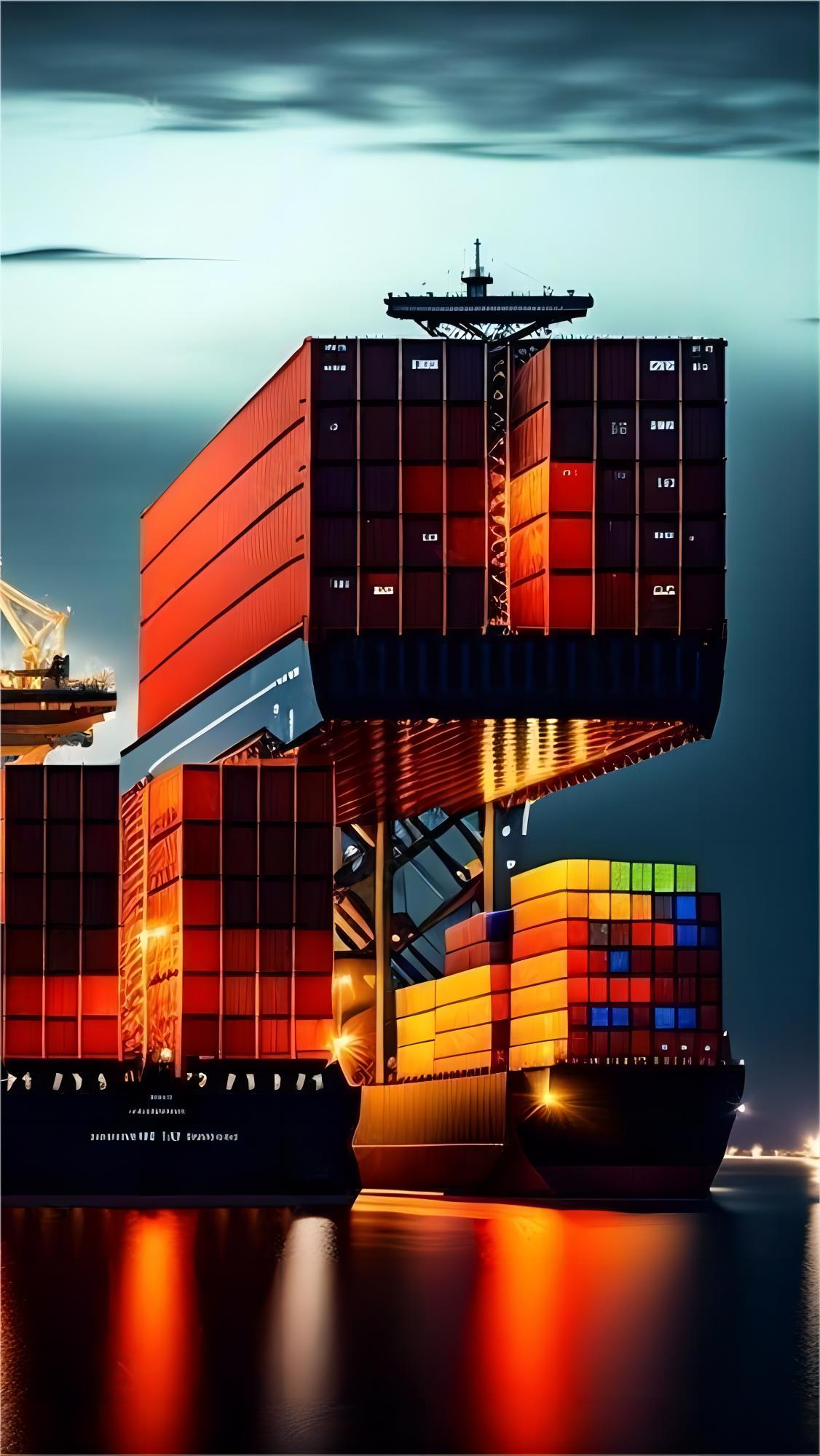
❖Comparing different transport modes is the first step in identifying the most economical sea freight strategy for your volume. While ocean transport remains the cheapest method for large shipments, it requires significant lead time and careful planning of inventory cycles. Furthermore, the 2026 market has introduced more reliable LCL (Less than Container Load) services that cater specifically to growing ecommerce brands.
Specifically, for shipments exceeding 15 cubic meters, a full container load usually offers the best value and security for your goods. In contrast, smaller shipments benefit from consolidated services that share space with other importers to keep costs manageable. Nevertheless, sellers must account for potential port congestion and seasonal surcharges that can impact the final landed cost of their products.
Notably, sea freight is ideal for bulky items like furniture, home gym equipment, or large electronics where air shipping would be cost-prohibitive. To illustrate the differences between available modes, refer to the comparison table below which highlights the trade-offs between speed and expense.
| Shipping Method | Cost Range | Transit Time | Best For |
|---|---|---|---|
| Sea Freight (FCL) | $2,500 – $4,500 | 18 – 35 Days | High volume bulk stock |
| Sea Freight (LCL) | $80 – $150 / CBM | 22 – 40 Days | Medium shipments |
| Air Freight | $5 – $9 / KG | 5 – 9 Days | High value / Urgent |
| Express Service | $8 – $14 / KG | 3 – 5 Days | Small parcels / Samples |
Evaluating the Cost of Your Shipping Solution China USA Ecommerce
❖Understanding the total landed cost is vital for setting accurate retail prices and ensuring your business remains profitable. Typically, freight rates from China to North America fluctuate based on carrier capacity and global fuel prices. Despite these variables, savvy importers can lock in better rates by signing long-term contracts or utilizing digital freight platforms that aggregate demand.
Moreover, customs clearance fees for us imports and potential tariffs must be calculated alongside the base ocean or air freight charges. Because the US de minimis threshold continues to be a topic of regulatory discussion in 2026, staying informed about tax changes is crucial for high-frequency shippers. Consequently, many sellers are now opting for DDP (Delivered Duty Paid) terms to simplify their accounting processes.
Indeed, the 2026 peak season surcharges typically begin in late August and can increase total costs by up to 25 percent. Therefore, placing orders well in advance of the Q4 holiday rush is a proven method for avoiding the highest market rates. Below is a breakdown of typical 2026 freight rates for major US shipping routes.
| Route | 20GP Container | 40HQ Container | Transit Time |
|---|---|---|---|
| Shenzhen to LA | $1,800 – $2,400 | $3,000 – $3,800 | 14 – 18 Days |
| Shanghai to NY | $2,800 – $3,600 | $4,500 – $5,800 | 30 – 35 Days |
| Ningbo to Chicago | $3,200 – $4,100 | $5,200 – $6,500 | 35 – 42 Days |
Cost Disclaimer
Note: Freight rates are subject to change based on fuel costs, carrier capacity, and seasonal demand. Contact us for a current quote tailored to your specific shipment.
Leveraging Air Freight for Rapid Stock Replenishment
❖Utilizing air freight provides the speed necessary to respond to sudden spikes in demand or unexpected stockouts. Although it is more expensive than sea transport, the reduction in transit time allows for faster capital turnover and lower inventory holding costs. Specifically, air cargo rates per kg 2026 have stabilized, making it a viable option for lightweight, high-margin ecommerce products.
Furthermore, the security of air transport minimizes the risk of damage or theft, which is a significant consideration for electronics and luxury goods. In addition, the simplified customs procedures at major US airports like LAX or JFK often result in faster clearance compared to ocean terminals. Consequently, many brands use air shipping for their initial product launches before transitioning to sea freight for steady-state inventory.
Significantly, the choice between standard air cargo and premium express depends on your specific delivery schedule and budget constraints. For instance, while standard air might take 7 days, premium services can deliver goods within 3 to 4 days. This agility is often the difference between capturing a market trend and missing out on seasonal sales opportunities.
Streamlining Amazon FBA with Specialized Logistics
❖Managing Amazon FBA logistics requires strict adherence to labeling and packaging standards to avoid costly rejection at fulfillment centers. Because Amazon has implemented stricter storage limits in 2026, maintaining a lean supply chain with frequent, smaller shipments has become a common strategy. Moreover, using a freight forwarder that specializes in FBA can prevent common errors that lead to inventory delays.
Additionally, many sellers now utilize West Coast transloading services to break down large containers and forward smaller batches to inland Amazon warehouses. This approach reduces overall transit time and helps maintain a balanced inventory across the country. Consequently, warehouse fulfillment solutions that offer prep and inspection services in China are becoming indispensable for US-based Amazon sellers.
Meanwhile, the integration of real-time data between your logistics provider and Amazon’s Seller Central allows for better forecasting and planning. By synchronizing your shipping solution china usa ecommerce with Amazon’s demand signals, you can reduce the risk of overstocking or running out of popular items. Indeed, efficiency in this area is a primary driver of high IPI (Inventory Performance Index) scores.
Implementing Door to Door Services for Efficiency
❖Choosing door to door delivery services simplifies the entire import process by consolidating all logistics steps into a single transaction. This model covers everything from factory pickup in China to final delivery at your US warehouse or residence. Furthermore, it eliminates the need for you to coordinate with multiple truckers, customs brokers, and port authorities.
Specifically, for smaller ecommerce businesses, an express service provides the most straightforward path to international expansion. These services often include customs clearance and last mile delivery usa as part of a flat-rate package. Consequently, you can focus on marketing and sales while your logistics partner handles the complexities of global trade and transport regulations.
Notably, the transparency of door-to-door tracking has improved significantly in 2026, providing end-to-end visibility for every parcel. As a result, customer service teams can provide accurate delivery estimates to shoppers, enhancing the overall brand experience. Whether you are shipping samples or full containers, the peace of mind offered by an all-inclusive service is often worth the investment.
Which Option Should You Choose for Your Business?
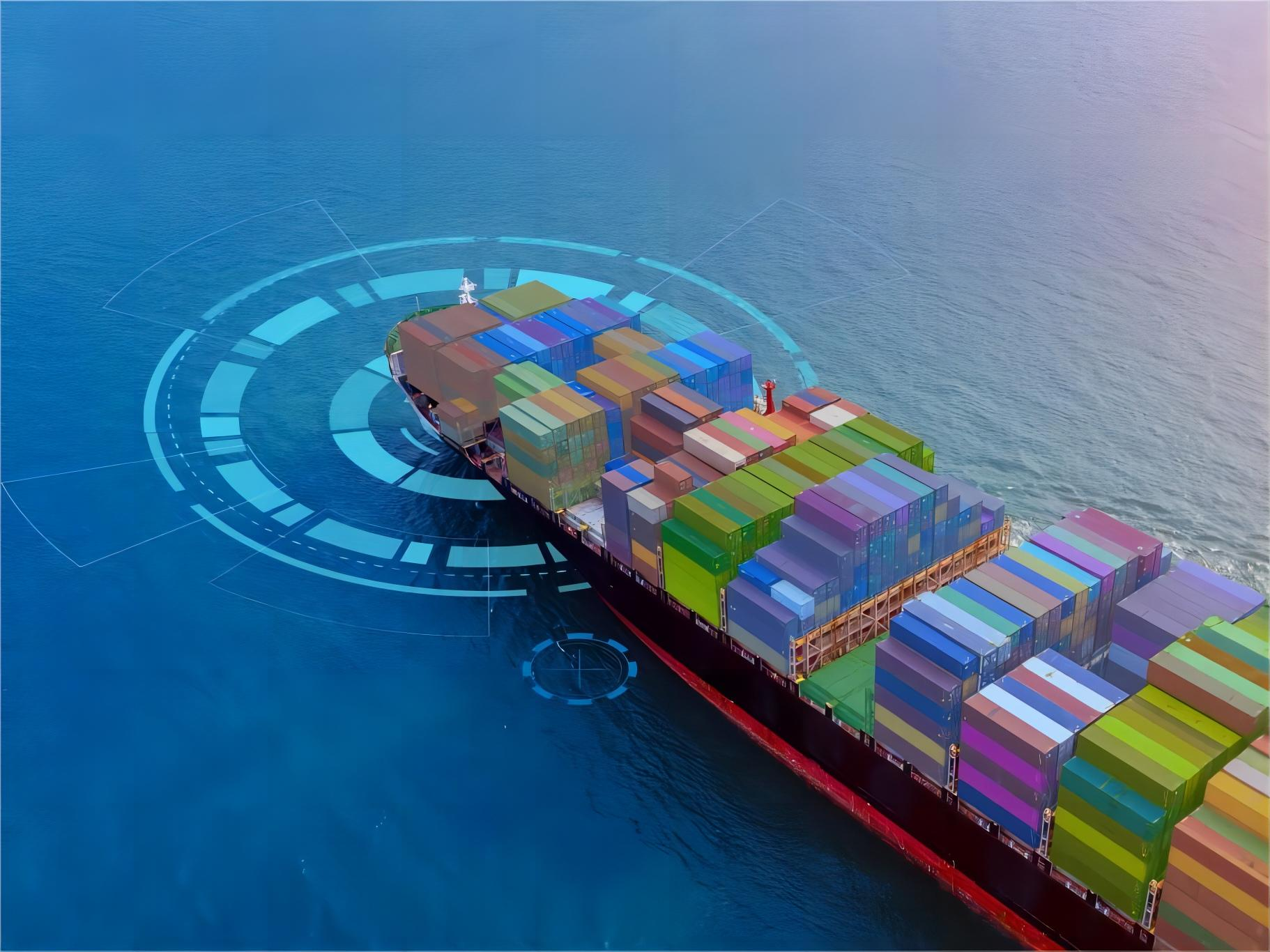
❖Deciding on the right logistics path depends on your budget priority, cargo type considerations, and speed requirements. If your primary goal is cost reduction and you have predictable demand, sea freight FCL is the logical choice for your business. On the other hand, if you are testing a new product or have high-value items, air freight or express services offer the necessary speed and security.
Volume thresholds also play a major role in switching methods; for example, shipments under 100kg are almost always more economical via express. Conversely, once your shipment exceeds 2 CBM, sea freight LCL starts to offer significant savings over air transport. To summarize, a hybrid approach often yields the best results, using sea freight for 80 percent of stock and air freight for emergency replenishments.
Finally, always consider the impact of transit times on your cash flow, as longer shipping cycles tie up capital in inventory that cannot be sold. By balancing these factors, you can build a resilient shipping solution china usa ecommerce that supports sustainable growth. Consult with a professional freight forwarder to evaluate your specific needs and receive a tailored logistics plan.
Real-World Case Studies: Ecommerce Success in 2026
❖Case Study 1: Electronics Startup Expansion +———————————————————+ | Route: Shenzhen, China to Los Angeles, USA | | Cargo: Smart Home Devices, 4 CBM, 850 kg | | Method: Air Freight (Standard) | | | | Shipping Details: | | – Carrier: Cathay Pacific Cargo | | – Port of Loading: Shenzhen (SZX) | | – Port of Discharge: Los Angeles (LAX) | | – Route Type: Direct | | | | Cost Breakdown: | | – Air Freight: $5,950 | | – Origin/Destination Charges: $450 | | – Customs & Duties: $1,200 | | – Total Landed Cost: $7,600 | | | | Timeline: | | – Total Door-to-Door: 8 Days | | Key Insight: Air freight allowed the brand to capture | | a viral trend before competitors could restock. | +———————————————————+
Case Study 2: Apparel Brand Peak Season +———————————————————+ | Route: Ningbo, China to New York, USA | | Cargo: Organic Cotton Clothing, 22 CBM | | Container: 1 x 20GP | | | | Shipping Details: | | – Carrier: COSCO | | – Port of Loading: Ningbo | | – Port of Discharge: New York / New Jersey | | – Route Type: Transshipment via Panama | | | | Cost Breakdown: | | – Ocean Freight: $3,200 | | – Origin Charges: $350 | | – Destination Charges: $600 | | – Customs & Duties: $950 | | – Total Landed Cost: $5,100 | | | | Timeline: | | – Total Door-to-Door: 34 Days | | Key Insight: Early booking in Q3 2025 secured rates | | 15% below the 2026 peak season average. | +———————————————————+
Mastering Your Global Supply Chain
Building a successful online brand requires more than just great products; it demands a sophisticated shipping solution china usa ecommerce. By understanding the nuances of different freight modes and staying ahead of market trends, you can ensure your inventory is always where it needs to be. Whether you prioritize the speed of air freight or the cost-efficiency of sea transport, your logistics strategy must remain flexible.
As we move further into 2026, the integration of technology and specialized services will continue to lower the barriers for international trade. Consequently, partnering with an experienced freight forwarder is the best way to navigate the complexities of customs, tariffs, and transit schedules. Start optimizing your logistics today to secure your place in the competitive US ecommerce market.
Ready to streamline your logistics?
Ready to optimize your supply chain and reduce costs? Our team specializes in providing a seamless shipping solution china usa ecommerce tailored to your specific business needs. Contact us today to receive a customized quote and discover how we can help you scale your online store with reliable, efficient logistics. Visit alibabaforwarder.com to get started with your inquiry.
Request Quote