


Stable Shipping Route from China: 2026 Logistics Guide
Key Procurement Takeaways
- A standard 40HQ container supports 65-70 CBM of cargo for stable load planning.
- Air chargeable weight is calculated as the greater of actual weight or volumetric weight (L×W×H cm / 6000).
- Ocean transit lead times for this corridor typically range from 22 to 35 days depending on the port pair.
- Customs security filings must be submitted at least 24 hours prior to vessel loading for ocean freight.
- Consolidated LCL shipments require a minimum of 1 CBM to maintain cost-efficiency on major trade lanes.
What Should Buyers Know First About Stable Shipping Route from China?
The primary requirement for a stable shipping route from China is the alignment of cargo-ready dates with carrier sailing schedules to avoid ‘rolled’ containers. Buyers must recognize that stability is not just about transit time, but about consistent access to equipment and space allocation at major hubs.
Operating within this trade lane requires a proactive approach to booking. By working with a professional door-to-door provider, you ensure that booking windows are respected and that all parties are aligned on the expected departure dates.
In addition, understanding the distinction between port-to-port and door-to-door services is essential for managing expectations regarding the movement of goods from the factory floor to the final destination.
How Do Routing and Gateway Choices Affect This Lane?
Gateway choices dictate the efficiency of your transit, as primary hubs offer more frequent sailings and greater vessel capacity. Selecting a major port pair reduces the risk of transshipment delays and provides a more reliable buffer against sudden supply chain disruptions.
When planning your logistics, consider the proximity of your supplier to major export zones. For example, utilizing ports in the Pearl River Delta versus the Yangtze River Delta can fundamentally alter the inland transit portion of your total lead time.
Moreover, leveraging sea freight gateways that provide direct, non-stop service to your destination port is a proven strategy for minimizing handling risks and transit variability.
Cost vs Speed: Decision Rules for Stable Shipping Route from China Shipments
Decision rules for this corridor rely on the trade-off between inventory carrying costs and the premium paid for faster transit modes. If your replenishment cycles are tight, prioritizing speed via air freight is often the only way to avoid stockouts.
Conversely, standard replenishment schedules benefit most from ocean freight, where economies of scale significantly lower the per-unit shipping cost. The rule of thumb is to reserve air options for high-value or time-sensitive inventory while keeping the bulk of your volume on the ocean.
Finally, always evaluate the total landed cost rather than just the port-to-port rate, as destination accessorials can vary wildly between different service providers.
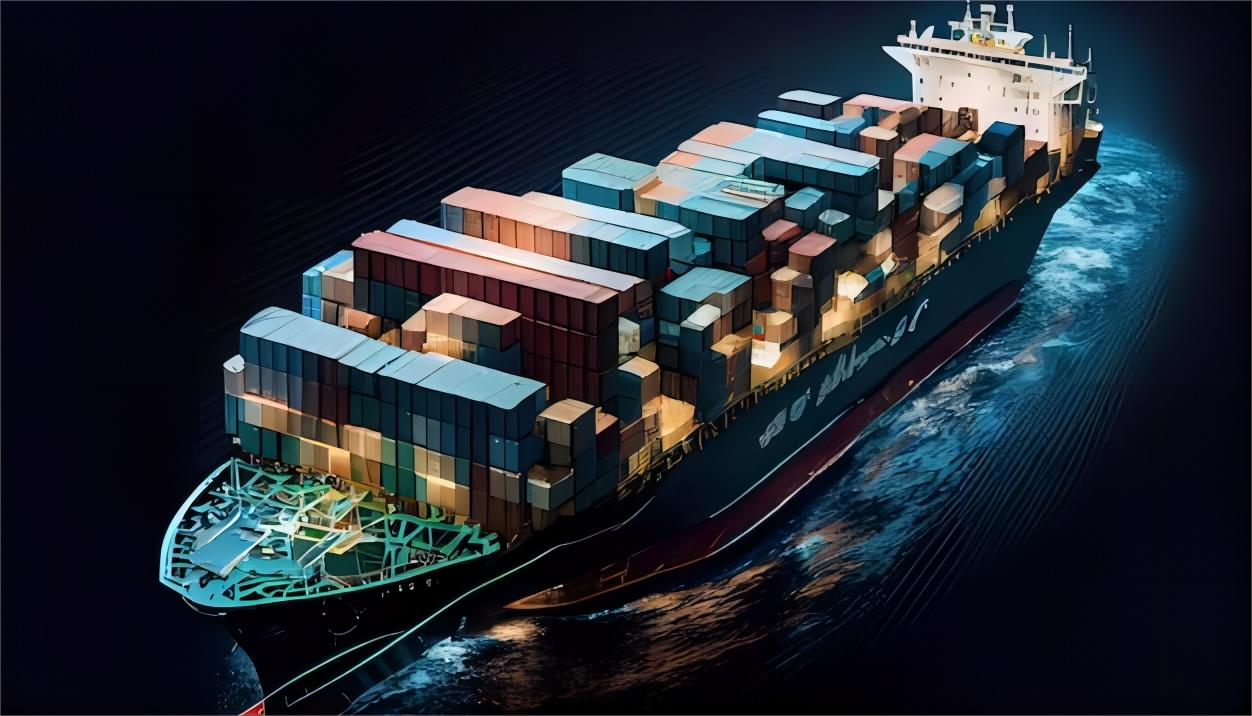
Illustrative Shipment Snapshots
Key metrics only — labeled illustrative scenarios for this corridor.
Electronics Retailer: FCL Consolidation
A mid-sized retailer faced volatile pricing for their consumer electronics. By switching to a dedicated 40HQ monthly consolidation from Shanghai to Los Angeles, they stabilized their landed costs and reduced transit-related damage.
Industrial Components: Air Express Pivot
When a production line halt threatened a major assembly project, an industrial manufacturer pivoted their shipment from ocean to air. Despite higher costs, the reduction from 35 days to 5 days avoided millions in production downtime.
What Transit Timeline Should You Expect?
Expect a total door-to-door transit time of 30 to 45 days for standard ocean shipments, accounting for inland transit, port handling, and final-mile delivery. This timeline is subject to seasonal fluctuations and terminal congestion, which can add significant buffers to your planning.
If you are utilizing an Amazon FBA strategy, ensure that you account for additional time required for palletizing, labeling, and the strict appointment-based delivery windows at fulfillment centers.
Consequently, maintaining a 14-day safety buffer in your supply chain schedule is recommended to handle unforeseen delays at origin or destination terminals.
| Route Leg | Typical Transit | Buffer/Dwell | Total Lead Time |
|---|---|---|---|
| Factory to Port | 2-4 days | 1-2 days | 3-6 days |
| Ocean Mainhaul | 20-30 days | 2-5 days | 22-35 days |
| Port to Door | 3-7 days | 2-3 days | 5-10 days |
How Are Landed Costs Typically Built?
Landed costs for this corridor are built by aggregating the ocean freight rate, origin/destination port charges, customs duties, and local inland delivery fees. Many buyers overlook the ‘hidden’ costs, such as ISF filing fees, documentation handling, and container cleaning, which can add hundreds of dollars per shipment.
It is crucial to define Incoterms clearly at the time of quotation, as they determine exactly which party is responsible for these accessorial costs. For instance, DDP terms shift the burden of duty and local delivery to the supplier, whereas FOB terms place it on the buyer.
Furthermore, utilizing customs brokerage services from a reputable partner helps in accurately forecasting these duties and preventing unexpected penalties upon arrival.
CFS handling, storage, and non-stackable fees can eclipse the base LCL rate when marks, free dwell, and pallet density are not locked before cargo-ready. Requesting a transparent, fully itemized breakdown prevents unexpected port holds and destination invoice shocks.
Which Documents and Compliance Checks Apply?
Mandatory documentation for this trade lane includes the Commercial Invoice, Packing List, and the Bill of Lading (or Air Waybill). These documents must precisely match your cargo profile to avoid customs holds and delays.
Compliance checks are especially critical for electronics, chemicals, or items subject to anti-dumping duties. Providing inaccurate HS codes or failing to declare special cargo attributes can trigger intensive physical inspections, leading to significant demurrage costs.
Always ensure your documentation is finalized and reviewed by your broker at least 48 hours before the cargo departs to ensure a smooth import entry process.
How Do Peak Seasons Affect Capacity and Pricing?
Peak seasons, such as the period preceding the Lunar New Year or the Q4 retail rush, create significant capacity crunches that drive up freight rates. During these times, securing space requires booking 3-4 weeks in advance, as carriers often prioritize high-volume, long-term contracts.
Capacity disruptions are often exacerbated by equipment shortages at origin, meaning even if a vessel is available, the physical containers may not be. Maintaining flexibility in your rail freight or ocean options can provide a necessary alternative when maritime lanes are overwhelmed.
Indeed, planning for these seasonal spikes with your forwarder is the best way to maintain a stable shipping route from China throughout the entire calendar year.
What Is the Step-by-Step Process from Quote to Delivery?
The process begins with a detailed shipment profile capture, ensuring all volume and commodity details are accurate before a quote is generated. This foundation is essential for selecting the correct mode and service scope to match your budget and transit requirements.
Once the mode is selected, documentation must be aligned to meet both origin and destination compliance standards. After booking, monitor your shipment through the mainhaul and milestone tracking stages to anticipate any exceptions or delays.
Finally, the destination release and delivery phase requires coordinated efforts between your broker and the final-mile trucking partner to ensure your goods reach their destination without additional detention or storage fees.
Decision Framework
Capture CBM/kg first; under ~2 CBM often fits express/air, mid volumes need LCL/FCL comparison, and oversized lots require dedicated equipment quotes.
Urgent windows under ~7 days favor air/express; standard replenishment can use ocean or multimodal once cargo-ready timing is locked.
Flag DG, temperature-control, or oversized handling before award—these change both documentation and carrier acceptance paths.
Execution Checklist for Stable Shipping Route from China
Treat Stable Shipping Route from China as a scoped booking problem: profile, mode, compliance, then space.
Keep fee exclusions and cut-offs written before award to avoid post-arrival surprises on Stable Shipping Route from China.
Standard Operating Logistics Workflow
Shipment Profile Capture
Confirm cargo-ready date, CBM/weight, commodity, HS code, and Incoterms.
Mode & Service Scope Selection
Compare air / LCL / FCL (or specialty) against transit and landed-cost targets.
Documentation & Compliance Gate
Align commercial invoice, packing list, and any specialty filings before booking.
Space Booking & Cut-off Lock
Reserve carrier/co-loader space and confirm export cut-off windows in writing.
Mainhaul & Milestone Tracking
Monitor departure, arrival, and exception alerts against the awarded transit plan.
Destination Release & Delivery
Clear destination formalities and complete final-mile delivery to the agreed door.
Ready for a scoped proposal on Stable Shipping Route from China? Share origin/destination, cargo-ready date, CBM/weight, commodity, and Incoterms.
Talk to a specialist →