

Top China Shipping Agent for Amazon Sellers: 2026 FBA Logistics Guide
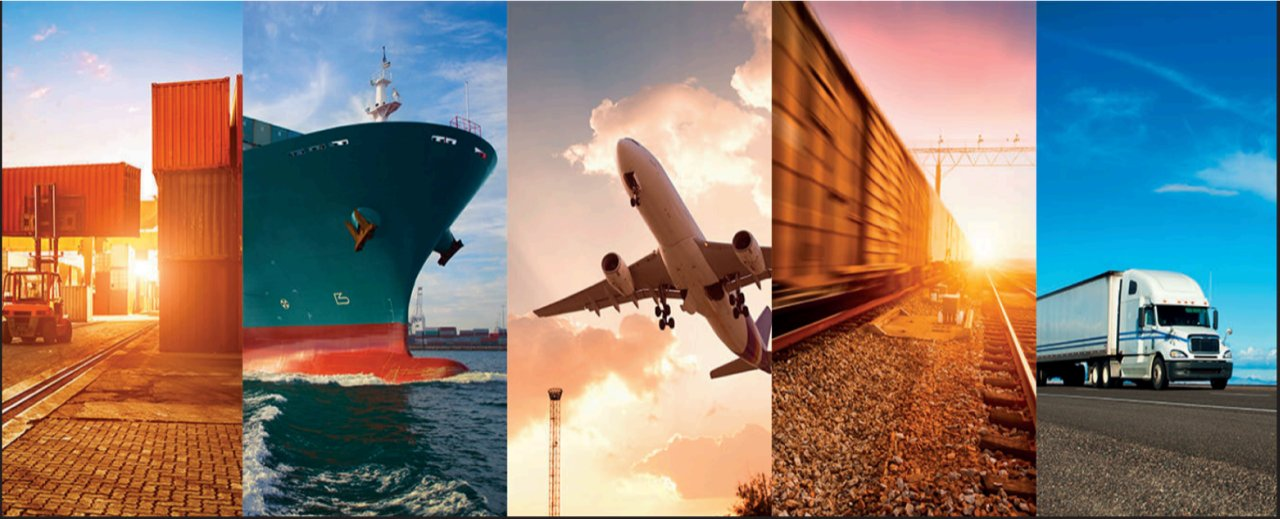
Successfully scaling an e-commerce business in 2026 requires a robust supply chain and a reliable china shipping agent for amazon sellers to manage inventory flow. Many entrepreneurs struggle with rising costs and complex customs regulations that can delay product launches. Consequently, finding a dedicated logistics partner is the most effective way to ensure your cargo reaches Amazon fulfillment centers without unnecessary complications.
Why You Need a Specialized China Shipping Agent for Amazon Sellers in 2026
Operating as an Amazon seller involves managing numerous moving parts, from product sourcing to final delivery. Therefore, a specialized agent acts as your eyes and ears on the ground in China to verify cargo quality. They understand the specific requirements for Amazon FBA, including labeling and palletization standards. Without this expertise, your shipment might face rejection at the warehouse gate.
Moreover, shipping costs continue to fluctuate based on global economic shifts and fuel surcharges. An experienced agent provides access to better freight rates through consolidated shipping volumes. They handle the intricate paperwork required for international trade, which allows you to focus on marketing and sales. Ultimately, this partnership reduces the risk of costly errors during the import process.
Additionally, the logistics landscape in 2026 has become increasingly digital and fast-paced. A modern shipping agent utilizes advanced tracking systems to provide real-time updates on your inventory location. This transparency is crucial for maintaining healthy stock levels and avoiding the dreaded ‘out of stock’ status on your listings. Indeed, professional logistics management is a competitive advantage in the crowded Amazon marketplace.
Comparing Shipping Methods for Amazon FBA Inventory
Choosing the right transportation mode is essential for balancing speed and cost-efficiency. For instance, sea freight remains the most popular choice for high-volume shipments due to its low cost per unit. However, it requires careful planning because transit times are significantly longer than other methods. Sellers must account for these timelines to avoid inventory gaps during peak seasons.
On the other hand, air freight offers the speed necessary for urgent restocks or high-value items. While the price per kilogram is higher, the reduced transit time can save your seller ranking during unexpected sales surges. Many sellers adopt a hybrid approach, using sea for bulk and air for quick replenishment. This strategy ensures a steady flow of goods while optimizing the overall logistics budget.
Furthermore, rail freight has emerged as a viable middle ground for sellers targeting European markets. It provides faster delivery than the ocean at a fraction of the cost of air transport. Consequently, it has become a staple for businesses looking to improve their supply chain resilience. The following table compares the primary shipping methods available from China in 2026.
| Method | Cost Level | Transit Time | Best For |
|---|---|---|---|
| Sea Freight | Low | 25-40 Days | Bulk Inventory |
| Air Freight | High | 5-9 Days | Urgent Restocks |
| Rail Freight | Medium | 18-25 Days | European Markets |
| Express | Very High | 3-5 Days | Small Samples |

How Does Sea Freight Compare to Other Shipping Options?
When evaluating a amazon fba logistics strategy, sea freight is often the baseline for comparison. It is particularly effective for heavy or bulky items that would be prohibitively expensive to ship by air. Nevertheless, sellers must consider the trade-offs regarding capital tied up in transit. Longer lead times mean your cash is locked in inventory for several weeks before it can be sold.
In contrast, alternatives like sea-air hybrid solutions offer a compromise for those needing moderate speed. These routes typically involve shipping by sea to a hub like Dubai and then flying the cargo to the final destination. Such strategies can reduce transit time by 40 percent compared to pure sea freight. Accordingly, this method is gaining traction among sellers who need to balance their margins with delivery speed.
Additionally, Full Container Load (FCL) and Less than Container Load (LCL) options provide flexibility for different business sizes. FCL is generally faster and safer as the container is dedicated to your goods alone. Meanwhile, LCL allows smaller sellers to share container space, making international shipping accessible for startups. The table below provides an objective analysis of these alternatives.
| Shipping Method | Cost Range | Transit Time | Limitations |
|---|---|---|---|
| Sea FCL | $3,000-$5,000 | 14-35 Days | Requires High Volume |
| Sea LCL | $50-$150/CBM | 20-45 Days | Risk of Delays |
| Sea-Air Hybrid | $3.50-$5.00/kg | 12-18 Days | Complex Scheduling |
| Direct Rail | $1.50-$2.50/kg | 18-22 Days | Limited to Eurasia |
Selecting the Right Service: Air vs Sea vs Rail
Determining the optimal route requires an analysis of your product’s profit margins and weight. For example, lightweight electronics might benefit from air freight to capture market trends quickly. Conversely, heavy furniture or home goods almost always require sea transport to remain profitable. Your shipping agent can provide a landed cost analysis to help you make this decision.
Moreover, seasonal variations play a major role in method selection during 2026. During the Q4 peak season, air freight rates can double or triple due to high demand. Therefore, experienced sellers book their sea freight capacity months in advance to secure lower rates. Planning ahead is the most effective way to protect your bottom line from market volatility.
In addition, rail freight offers a unique advantage for shipments destined for the UK or Continental Europe. It bypasses the congestion often found at major seaports during busy periods. Consequently, it provides a more predictable delivery schedule for sellers who need to maintain strict inventory levels. Always consult with your agent to see if rail is a feasible option for your specific route.
Understanding Customs Brokerage and Compliance for FBA
Navigating the legal requirements of international trade is perhaps the most daunting task for Amazon sellers. A professional customs brokerage service ensures that all duties and taxes are calculated correctly. This prevents your goods from being seized or delayed at the border due to incorrect Harmonized System (HS) codes. In 2026, customs authorities have increased scrutiny on e-commerce imports, making compliance more critical than ever.
Furthermore, different countries have varying regulations regarding product safety and certifications. For instance, electronics shipped to Europe must comply with CE marking and RoHS standards. Your shipping agent should verify that your supplier has provided all necessary documentation before the cargo leaves China. As a result, you avoid the risk of having your inventory destroyed or returned at your expense.
Additionally, utilizing Delivered Duty Paid (DDP) shipping terms can simplify the process for many sellers. Under DDP, the shipping agent handles all costs, including duties, and delivers the goods directly to the FBA warehouse. This ‘hands-off’ approach is highly recommended for those new to importing. Indeed, it removes the complexity of dealing with foreign tax authorities and local delivery agents.
Global Logistics Reach: North America, Europe, and Australia
Expanding your Amazon business internationally requires a logistics partner with a global network. For those targeting North America, the agent must manage transit to both West Coast and East Coast ports. West Coast ports like Los Angeles offer faster transit but can suffer from occasional labor-related congestion. On the other hand, East Coast ports might be more convenient for sellers located in the Atlantic region.
Meanwhile, shipping to Europe involves navigating the diverse customs requirements of various EU member states. A knowledgeable agent will choose the most efficient entry point, such as Rotterdam or Hamburg, to minimize transit time. They also handle the necessary VAT documentation, which is essential for selling in the European marketplace. Consequently, your expansion into Europe becomes a much smoother process.
Furthermore, Australia represents a growing opportunity for Amazon sellers due to its proximity to China. Sea freight to major Australian ports like Sydney or Melbourne is relatively fast and cost-effective. However, strict biosecurity laws mean your packaging materials must meet specific standards. A reliable shipping agent will ensure your cargo is compliant to avoid lengthy quarantine delays upon arrival.
Realistic Case Studies for Amazon FBA Logistics
Reviewing actual shipping scenarios can help you understand the practical application of these logistics strategies. These examples reflect the market conditions and pricing typical of early 2026. Please note that rates fluctuate based on carrier capacity and seasonal demand. These cases illustrate how different methods impact the total landed cost and delivery timeline for common product categories.
Case Study 1: Shenzhen to Los Angeles (USA). Cargo: 1,200kg of Fitness Equipment (15 CBM). Method: Sea Freight LCL. Port of Loading: Shenzhen. Port of Discharge: Los Angeles. Ocean Freight: $1,650. Origin/Destination Charges: $450. Customs and Duties: $800. Total Landed Cost: $2,900. Timeline: 24 days door-to-door. Key Insight: Using LCL allowed the seller to restock without waiting for a full container load.
Case Study 2: Ningbo to Hamburg (Germany). Cargo: 500kg of Kitchenware. Method: Rail Freight. Port of Loading: Ningbo (via Xi’an rail hub). Port of Discharge: Hamburg. Freight Cost: $1,250. Customs Clearance: $200. Total Landed Cost: $1,450. Timeline: 22 days. Key Insight: Rail provided a faster alternative to sea freight during a period of maritime congestion in late 2025.
Case Study 3: Shanghai to London (UK). Cargo: 200kg of Premium Electronics. Method: Air Freight. Port of Loading: Shanghai Pudong. Port of Discharge: London Heathrow. Freight Cost: $1,100. Duties and Taxes: $350. Total Landed Cost: $1,450. Timeline: 7 days. Key Insight: Air freight was chosen to meet a specific product launch deadline, justifying the higher transport cost.
Which Option Should You Choose? A Decision Framework
Selecting the best shipping strategy depends on your specific business priorities and product characteristics. If your primary goal is to maximize profit margins, sea freight is almost always the best choice for bulk orders. However, if you are launching a new product and need to test the market quickly, air freight or express services are more appropriate. You must weigh the cost of shipping against the potential loss of sales due to inventory delays.
Furthermore, consider the volume thresholds that make different methods more economical. For shipments smaller than 1 CBM, express couriers like DHL or FedEx are often cheaper than LCL sea freight because they include customs clearance in their base price. Once you exceed 2-3 CBM, the cost-effectiveness of sea freight becomes much more apparent. Similarly, if your shipment fills more than 15 CBM, moving to a 20GP container (FCL) might be safer and faster than LCL.
Finally, always account for the total landed cost rather than just the freight rate. This includes duties, taxes, insurance, and local delivery fees to the Amazon warehouse. A professional shipping agent will provide an all-in quote that covers these expenses. This transparency allows you to calculate your true profit margins accurately. Without a doubt, a data-driven approach to logistics is the hallmark of a successful Amazon seller.
Cost-Saving Strategies and Logistics Trends for 2026
To stay competitive in 2026, sellers must adopt innovative ways to reduce their logistics expenses. One effective method is to utilize door to door services that consolidate multiple shipments from different suppliers. This reduces the number of individual customs entries and simplifies the delivery process. Additionally, optimizing your product packaging to reduce volume can lead to significant savings in freight costs.
Moreover, the trend toward sustainable logistics is influencing shipping rates and carrier choices. Many agents now offer ‘green’ shipping options that utilize biofuels or carbon offset programs. While these might carry a small premium, they can enhance your brand image among environmentally conscious consumers. Consequently, sustainability is becoming a key factor in supply chain decision-making.
Another important trend is the integration of artificial intelligence in freight forwarding. AI-powered platforms can now predict port congestion and suggest alternative routes in real-time. By working with an agent who leverages this technology, you can avoid delays that would otherwise disrupt your business. In conclusion, staying informed about these trends is essential for any serious Amazon seller.
Final Thoughts on Choosing a China Shipping Agent for Amazon Sellers
Navigating the world of international logistics is a complex but necessary part of running a successful e-commerce business. By choosing the right china shipping agent for amazon sellers, you gain a partner who understands the nuances of FBA requirements and global trade. Whether you prioritize cost-efficiency through sea freight or speed through air transport, the right agent will provide the flexibility you need to grow.
Remember that the cheapest option is not always the best if it leads to delays or damaged goods. Focus on reliability, transparency, and expert customs support to ensure your long-term success. As the market evolves in 2026, having a robust logistics strategy will remain one of your most valuable assets. Take the time to vet your partners and build a supply chain that can withstand the challenges of global commerce.

Need a tailored shipping solution?
Streamline your supply chain today by partnering with a reliable china shipping agent for amazon sellers. Our team provides expert guidance on FBA requirements and ensures your inventory arrives on time and within budget. Contact us now to receive a customized freight quote for your next shipment. Visit https://alibabaforwarder.com/ to get started.