


Air Cargo China Africa Cost: 2026 Logistics Pricing Guide
Understanding the air cargo china africa cost is vital for businesses navigating the complex trade lanes between these two economic powerhouses. As of early 2026, the logistics landscape has evolved with new technology and expanded route capacities. Navigating these changes requires a reliable partner like DSV-Freight to ensure your goods arrive safely and affordably. This guide provides a comprehensive breakdown of current market rates and efficiency strategies.

What Factors Determine Air Cargo China Africa Cost in 2026?
Several variables influence the final price you pay for transporting goods by air across the continent. Fuel surcharges 2026 remain a primary driver, as global energy markets continue to fluctuate based on geopolitical stability. Additionally, the weight and volume of your shipment play a critical role in determining the chargeable weight.
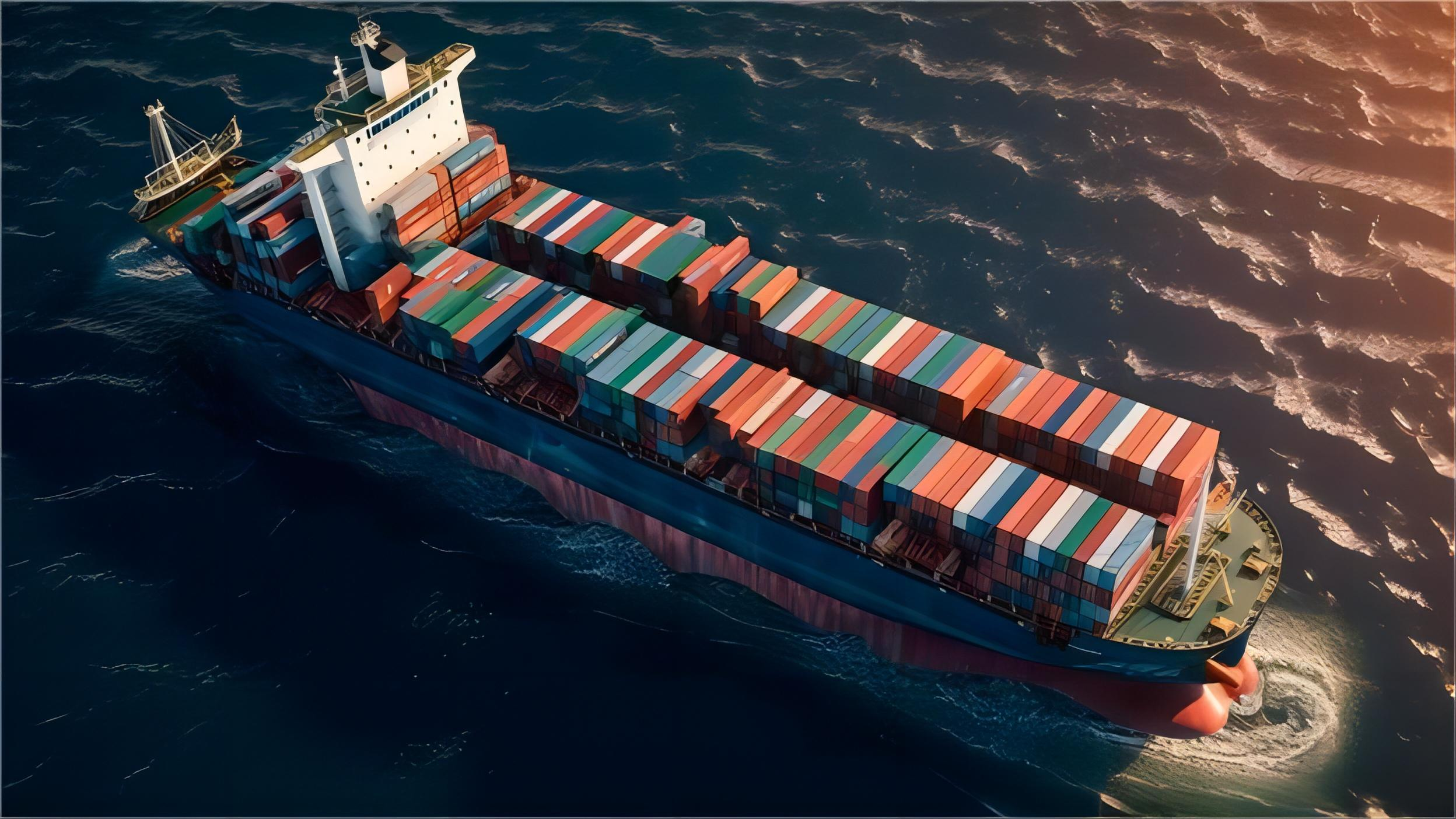
Cargo handling fees at major hubs like Shanghai Pudong or Guangzhou Baiyun also contribute to the total expense. Furthermore, destination-specific factors such as local airport infrastructure and handling efficiency in African cities affect the bottom line. Consequently, shippers must account for these overheads when budgeting for their supply chain operations.
Seasonal air freight price spikes often occur during the fourth quarter due to increased consumer demand. Therefore, planning your shipments in advance can help mitigate some of these predictable cost increases. Indeed, maintaining a flexible delivery schedule allows for better negotiation with carriers.
How Does Air Freight Compare to Other Shipping Options?
Choosing the right transportation method involves balancing speed against total expenditure. While air freight offers the fastest transit times, it typically commands a higher price point than ocean-based alternatives. On the other hand, sea-based transport is ideal for bulky, non-urgent items.
Moreover, the choice between methods depends heavily on the nature of your cargo. Perishable goods or high-value electronics almost always require the speed of air transport. In contrast, raw materials or large machinery are better suited for different logistics channels.
To help you decide, we have compiled a comparison of the most common shipping methods used for the China-Africa route.
| Shipping Method | Cost Range | Transit Time | Best For |
|---|---|---|---|
| Air Freight | $4.50 – $9.00 per kg | 5 – 9 Days | High-value, urgent goods |
| Sea Freight (LCL) | $150 – $300 per CBM | 35 – 50 Days | Small volume, low budget |
| Sea Freight (FCL) | $3,500 – $6,500 per 40HQ | 30 – 45 Days | Bulk inventory, large items |
| Express Shipping | $8.00 – $15.00 per kg | 3 – 5 Days | Samples and documents |
Which Option Should You Choose? Decision Framework
Deciding on the best shipping route requires a clear understanding of your business priorities. If your primary goal is speed, air cargo is the undisputed winner despite the higher air cargo china africa cost. However, for those focused on maximizing profit margins on low-cost goods, sea freight is usually the better path.
Budget priority dictates a move toward consolidated sea shipments or slower air routes with transshipments. Speed priority suggests using direct air services or express service for door-to-door convenience. Cargo type also dictates the method, as hazardous materials or oversized items may face restrictions on certain aircraft.
Volume thresholds are another important consideration for logistics managers. For shipments under 100 kilograms, express or air freight is often more cost-effective than the minimum charges associated with ocean freight. Conversely, once you exceed 500 kilograms, the savings offered by sea transport become much more significant.
Current Air Freight Market 2026 Trends
The air freight market 2026 has seen a shift toward sustainable aviation fuels, which has slightly increased base rates. Nevertheless, the introduction of more cargo-only flights between China and major African hubs like Nairobi and Johannesburg has improved capacity. This increased competition among carriers helps keep rates from skyrocketing.
Digitalization in air cargo customs clearance Africa has also reduced ground handling times significantly. As a result, the total door-to-door time has improved even if the time spent in the air remains constant. Additionally, many forwarders are now offering integrated tracking solutions for better visibility.
Logistics trends 2026 suggest that more companies are adopting hybrid models. For example, some shippers use sea-air combinations to balance cost and speed. This involves shipping by sea to a hub like Dubai and then flying the cargo to its final destination in Africa.
Understanding the Role of Customs Brokerage
Navigating the regulatory environment in various African nations can be challenging for new importers. Utilizing a professional customs brokerage service is essential to avoid costly delays at the port of entry. Each country has unique requirements regarding documentation and tariff classifications.
Documentation errors are a leading cause of unexpected storage fees and penalties. Therefore, ensuring that your commercial invoice, packing list, and certificate of origin are accurate is paramount. Meanwhile, staying updated on trade agreements between China and African nations can provide opportunities for duty reductions.
In addition, some countries require pre-shipment inspections before the goods leave China. Failure to comply with these regulations can lead to the cargo being rejected upon arrival. Consequently, working with an experienced logistics provider ensures all compliance steps are met before departure.
How to Reduce Your Air Cargo China Africa Cost
Reducing expenses without sacrificing service quality is a top priority for most businesses. One effective strategy is cargo consolidation, where multiple smaller shipments are combined into one larger lot. This approach allows you to benefit from lower weight-break rates offered by airlines.
Optimizing your packaging is another way to lower the air cargo china africa cost. Since air freight is charged based on dimensional weight, reducing the size of your boxes can lead to substantial savings. Furthermore, using lightweight but durable materials reduces the actual gross weight of the shipment.
Negotiating long-term contracts with freight forwarders can also provide price stability. While spot rates might be lower occasionally, a fixed contract protects you from sudden market volatility. Indeed, consistent shipping volumes often lead to better service levels and priority space allocation.
Real-World Case Studies: China to Africa Shipping
Examining actual shipping scenarios provides valuable insight into the practical application of these logistics strategies. Below are two examples based on Q1 2026 market data.
Case Study 1: Electronics to Nigeria Route: Shenzhen, China to Lagos, Nigeria Cargo: High-end smartphones, 2.5 CBM, 450 kg Service: Standard Air Freight Shipping Details: – Carrier: Ethiopian Airlines Cargo – Port of Loading: Shenzhen Bao’an (SZX) – Port of Discharge: Lagos Murtala Muhammed (LOS) – Route Type: Transshipment via Addis Ababa Cost Breakdown: – Air Freight: $3,150 ($7.00/kg) – Origin Charges: $250 – Destination Charges: $400 – Customs & Duties: $1,200 (Estimated) – Total Landed Cost: $5,000 Timeline: – Booking to Loading: 2 days – Air Transit: 2 days – Customs Clearance: 3 days – Total Door-to-Door: 7 days Key Insight: Using a transshipment hub saved 15% compared to direct flights while only adding 24 hours to the timeline.
Case Study 2: Apparel to South Africa Route: Guangzhou, China to Johannesburg, South Africa Cargo: Designer clothing, 1.2 CBM, 200 kg Service: Door to Door Express Shipping Details: – Carrier: DHL Express – Port of Loading: Guangzhou (CAN) – Port of Discharge: Johannesburg (JNB) – Route Type: Direct Cost Breakdown: – Express Freight: $2,400 ($12.00/kg) – Origin Charges: Included – Destination Charges: Included – Customs & Duties: $600 – Total Landed Cost: $3,000 Timeline: – Booking to Loading: 1 day – Air Transit: 1 day – Customs Clearance: 1 day – Total Door-to-Door: 3 days Key Insight: The all-inclusive nature of express shipping simplified the process for the client, justifying the higher per-kilogram rate for urgent seasonal stock.

Comparison of Shipping Hubs in China and Africa
The choice of departure and arrival airports can significantly impact both time and money. Major Chinese hubs like Shanghai and Shenzhen offer the most frequent connections and competitive pricing. However, secondary airports may offer lower ground handling fees for specific types of cargo.
In Africa, hubs like Addis Ababa, Nairobi, and Johannesburg serve as primary gateways for the rest of the continent. Consequently, shipping to these major centers and then using local feeder services can be more efficient than trying to find direct flights to smaller cities. This hub-and-spoke model is a staple of modern air freight logistics.
To illustrate the differences in transit times, consider the following table based on average 2026 schedules.
| Origin (China) | Destination (Africa) | Avg. Transit Time | Frequency |
|---|---|---|---|
| Shanghai (PVG) | Nairobi (NBO) | 5 – 7 Days | Daily |
| Shenzhen (SZX) | Lagos (LOS) | 6 – 8 Days | 4x Weekly |
| Guangzhou (CAN) | Johannesburg (JNB) | 5 – 6 Days | Daily |
| Beijing (PEK) | Cairo (CAI) | 4 – 6 Days | 5x Weekly |
Final Thoughts on Air Cargo China Africa Cost
In conclusion, while the air cargo china africa cost can be a significant portion of your business expenses, it is manageable with the right approach. By understanding the market trends of 2026 and choosing the appropriate shipping methods, you can maintain a competitive edge. Remember to consider factors like chargeable weight, seasonal fluctuations, and the benefits of professional customs brokerage.
Ultimately, the goal is to find a balance between speed, reliability, and cost. Whether you are shipping high-tech electronics to Nigeria or fashion apparel to South Africa, planning is key. Partnering with an experienced forwarder will ensure your supply chain remains resilient in the face of changing global conditions.

Ready to streamline your logistics?
Managing your air cargo china africa cost effectively requires expertise and a dedicated support team. Our logistics professionals are ready to help you optimize your 2026 shipping strategy for maximum efficiency. Contact us today to receive a customized quote tailored to your specific business needs.
Request Quote