


Freight Forwarding China Eastern Europe: The 2026 Logistics Guide
Navigating the complexities of freight forwarding china eastern europe requires a strategic partner to ensure your cargo arrives safely and on time. As the global economy evolves in 2026, businesses must optimize their logistics by leveraging the expertise of DSV-Freight to maintain a competitive edge. This guide explores the most efficient shipping methods, current market rates, and essential customs procedures for the Eastern European market. Consequently, you can make informed decisions that balance speed and cost-effectiveness for your specific business needs.
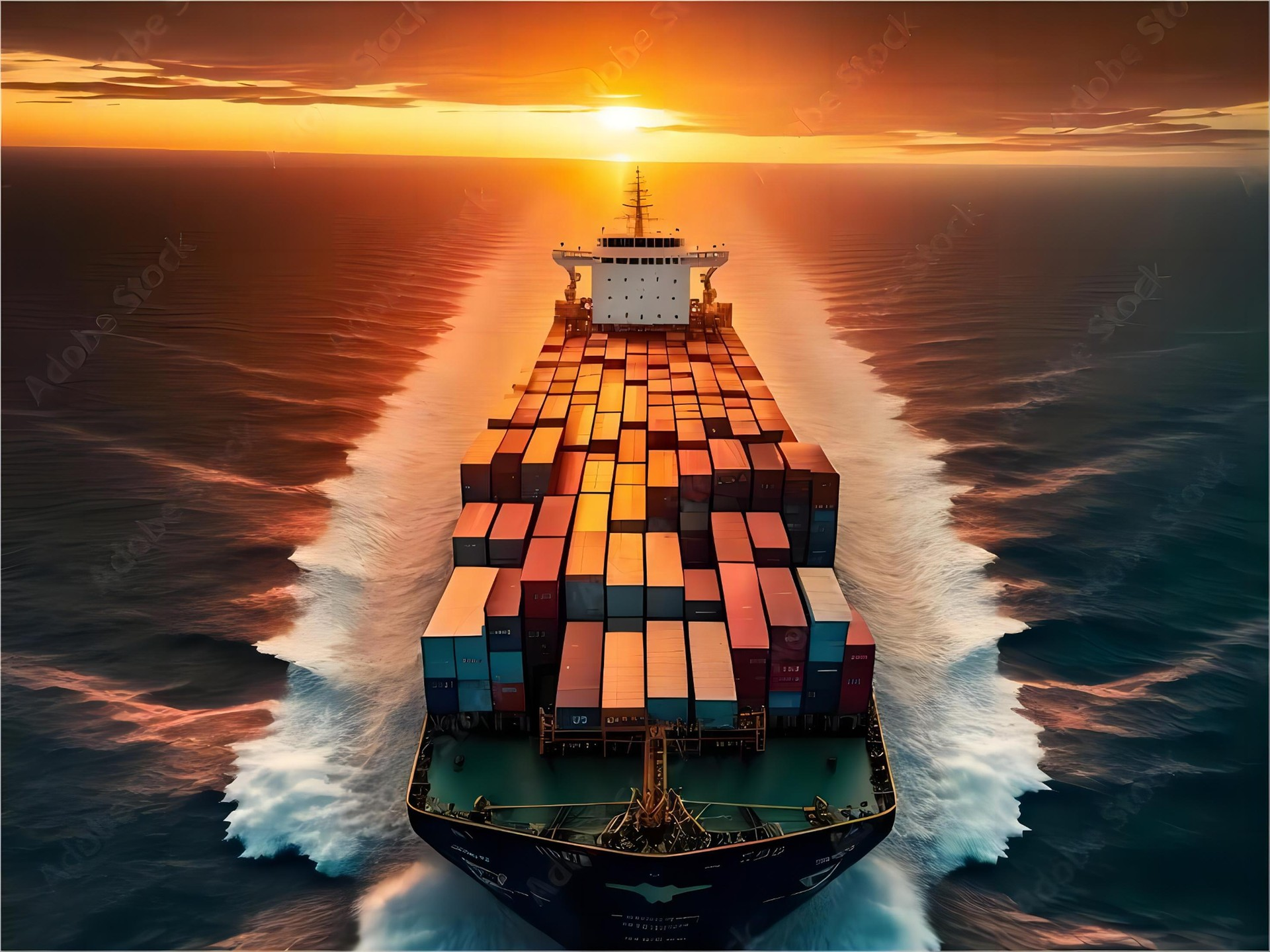
The Landscape of Freight Forwarding China Eastern Europe in 2026
Eastern Europe has emerged as a vital logistics hub for goods originating from Chinese manufacturing centers. Specifically, countries like Poland, Hungary, and the Czech Republic serve as primary gateways for the broader European market. This geographical advantage allows for diverse transportation options ranging from traditional ocean freight to the rapid expansion of the Iron Silk Road.
Choosing the right path for Europe involves understanding the regional infrastructure and current geopolitical stability. In 2026, we see a significant shift toward multimodal solutions that bypass traditional bottlenecks. Furthermore, the integration of digital tracking systems has enhanced visibility across these long-distance corridors.
How Does Rail Freight Compare to Other Shipping Options?
Evaluating different transportation modes is essential for maintaining a healthy bottom line. While sea freight remains the most economical for massive volumes, rail freight offers a compelling middle ground. For instance, rail transit times are often 50 percent faster than sea routes while costing significantly less than air transport.
Alternative strategies often involve hybrid solutions to mitigate risks and manage budgets. Some shippers now utilize sea-rail combinations, moving cargo to Adriatic ports before transferring to rail for final delivery. Meanwhile, express air services remain the go-to for high-value electronics and urgent replenishment stocks.
| Shipping Method | Cost Range (2026) | Transit Time | Best For |
|---|---|---|---|
| Sea Freight (FCL) | $1,900 – $3,200 | 30-40 Days | Large bulky items |
| Rail Freight | $2,400 – $3,800 | 16-22 Days | Industrial machinery |
| Air Freight | $4.50 – $8.00/kg | 5-8 Days | Urgent electronics |
| Express Service | $7.00 – $12.00/kg | 3-5 Days | Small samples/parcels |
The Strategic Importance of Rail Freight in 2026
The expansion of rail freight has revolutionized trade between China and Eastern European hubs like Warsaw and Budapest. Indeed, the development of the Middle Corridor has provided a reliable alternative to traditional sea routes. This route transits through Central Asia, avoiding many of the maritime delays seen in previous years.
Logistics managers often prefer rail because it offers a more stable schedule compared to ocean liners. Additionally, rail transport is considered more environmentally friendly, which aligns with modern corporate sustainability goals. Consequently, many European retailers are shifting their core supply chain to the tracks to ensure consistent inventory levels.
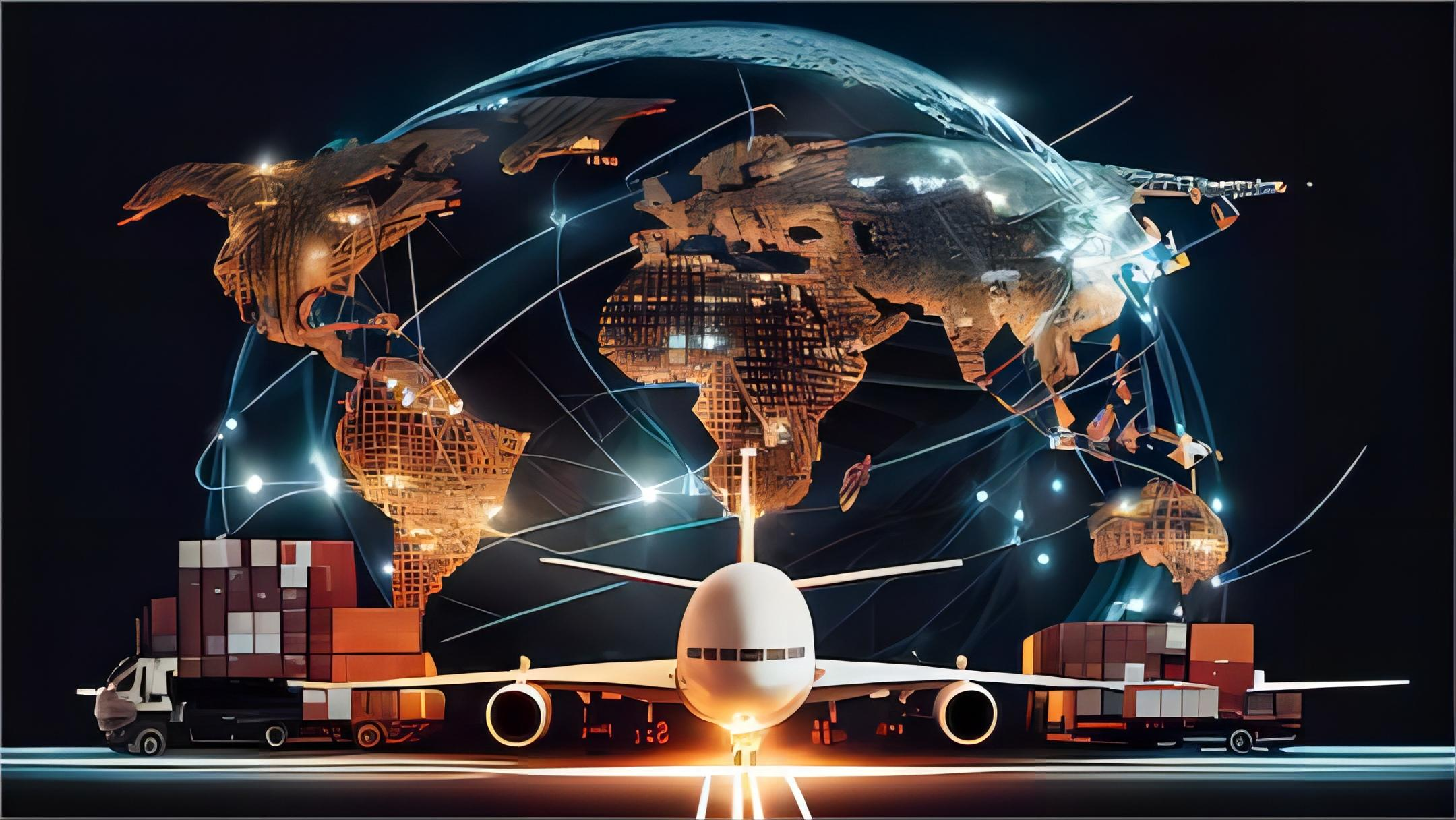
Sea Freight Solutions and Port Selection
Ocean transport remains the backbone of global trade due to its unparalleled capacity for heavy cargo. When utilizing sea freight, choosing the right port of discharge is a critical decision. For Eastern Europe, options include the northern ports like Gdansk or southern gateways such as Koper and Piraeus.
Direct routes to the Adriatic Sea have become increasingly popular for shipments destined for Hungary and Austria. As a result, transit times have decreased by several days compared to routing through the North Sea. However, shippers must account for potential port congestion during peak seasons like the pre-Chinese New Year rush.
Navigating Customs Brokerage and Compliance
Customs regulations in Eastern European nations can be intricate, especially regarding VAT and import duties. Engaging a professional customs brokerage service is vital to avoid costly delays at the border. Specifically, Poland and Romania have strict documentation requirements for industrial goods and chemicals.
Modern compliance involves more than just filing paperwork; it requires a deep understanding of EORI numbers and HS code classification. Furthermore, the 2026 regulatory environment has introduced stricter environmental reporting for imported goods. Therefore, accurate data management is no longer optional but a necessity for smooth cargo movement.
Efficiency Through Door to Door Logistics
The ultimate goal for many businesses is a seamless door to door experience. This service eliminates the need for the importer to manage multiple subcontractors for trucking and warehousing. Instead, a single freight forwarder handles the entire journey from the factory floor in China to the final warehouse in Prague.
This integrated approach reduces the risk of communication errors and hidden fees. Moreover, it allows for better coordination of the last-mile delivery, which is often the most complex part of the logistics chain. As a result, businesses can focus on sales and marketing while the logistics experts manage the physical movement of goods.
Real-World Case Studies: China to Eastern Europe
Case Study 1: Automotive Components to Poland. Route: Ningbo, China to Warsaw, Poland. Cargo: Car parts, 28 CBM, 8500 kg. Container: 40GP. Shipping Details: Rail Freight via Xi’an. Port of Loading: Ningbo. Port of Discharge: Małaszewicze. Route Type: Direct Rail. Cost Breakdown: Rail Freight: $3,100; Origin Charges: $250; Destination Charges: $400; Customs & Duties: $1,200; Total Landed Cost: $4,950. Timeline: Booking to Loading: 3 days; Rail Transit: 18 days; Customs Clearance: 2 days; Total Door-to-Door: 23 days. Key Insight: Choosing rail saved 15 days compared to sea freight, allowing the factory to meet a tight production deadline.
Case Study 2: Consumer Goods to Romania. Route: Shanghai, China to Constanta, Romania. Cargo: Home textiles, 15 CBM, 4000 kg. Container: LCL. Shipping Details: Sea Freight. Port of Loading: Shanghai. Port of Discharge: Constanta. Route Type: Transshipment via Piraeus. Cost Breakdown: Ocean Freight: $950; Origin Charges: $180; Destination Charges: $320; Customs & Duties: $600; Total Landed Cost: $2,050. Timeline: Booking to Loading: 5 days; Sea Transit: 35 days; Customs Clearance: 3 days; Total Door-to-Door: 43 days. Key Insight: Utilizing LCL sea freight provided the lowest cost per unit for non-urgent seasonal inventory.
Which Option Should You Choose?
Decision making should be based on a clear set of priorities regarding budget, speed, and cargo type. If your primary goal is budget priority, we recommend sea freight for any shipment over 15 CBM. Conversely, if speed is the priority, air freight is the only viable option for deadlines under 10 days.
For cargo type considerations, hazardous materials or heavy machinery often have specific routing requirements that favor rail or specialized sea carriers. Volume thresholds also play a role; for example, once you exceed 20 CBM, switching from LCL to a full 20GP container often results in better security and lower per-unit costs. Ultimately, a hybrid strategy often provides the most resilience.
Mastering Your Eastern European Supply Chain
Successfully managing freight forwarding china eastern europe involves a delicate balance of timing, cost, and regulatory compliance. Throughout 2026, we have seen that the most successful importers are those who diversify their shipping methods and stay informed about market trends. By utilizing rail for mid-range urgency and sea for bulk orders, you can create a resilient logistics network.
Remember that the cheapest option is not always the most cost-effective if it leads to stockouts or production delays. Therefore, partnering with an experienced forwarder is the best way to navigate the challenges of international trade. We encourage you to analyze your shipping data and choose the path that best supports your long-term growth in the Eastern European market.
Need a tailored shipping solution?
Optimizing your supply chain requires expert knowledge and reliable execution. Whether you are shipping small parcels or full containers, our team is ready to provide a tailored solution for your business. Contact us today to receive a competitive quote for your next freight forwarding china eastern europe shipment. Send Inquiry: Visit https://alibabaforwarder.com/ for more details.