


China Freight Forwarder Europe USA: 2026 Shipping Guide
Navigating the complexities of international trade requires a strategic partnership with a professional China freight forwarder Europe USA to ensure seamless cargo movement. As global logistics stabilize in early 2026, businesses must adapt to evolving shipping regulations and fluctuating fuel surcharges across major trade lanes. Selecting the right logistics provider involves more than just comparing base rates; it requires a deep understanding of transit reliability and local customs expertise in both the Western and European markets. This guide provides a comprehensive overview of modern shipping strategies designed to optimize your supply chain efficiency and reduce overall landed costs.
Why Your Business Needs a China Freight Forwarder Europe USA
Managing international shipments demands a high level of coordination between manufacturers in China and end destinations in the West. A specialized forwarder acts as your boots on the ground, overseeing everything from factory pickup to final mile delivery.
Moreover, the logistics landscape in 2026 has introduced stricter environmental compliance standards that require expert handling. Consequently, working with an experienced partner ensures your documentation meets all current legal requirements without causing unnecessary delays.
Furthermore, these professionals leverage established relationships with major carriers to secure space during peak seasons. This advantage is particularly crucial for businesses that cannot afford stockouts during high-demand periods like the Q4 holiday rush.
Additionally, a dedicated forwarder provides real-time tracking and visibility into your supply chain. Having this data allows you to make informed decisions and provide accurate delivery estimates to your own customers.
How Does Sea Freight Compare to Other Shipping Options?
Choosing the right mode of transport is fundamental to balancing your budget and delivery timelines. While sea freight remains the most economical choice for large volumes, it requires the longest lead times.
In contrast, air freight offers unparalleled speed but comes at a significantly higher price point. Therefore, many importers utilize a hybrid approach, sending urgent stock via air while the bulk of their inventory moves by ocean.
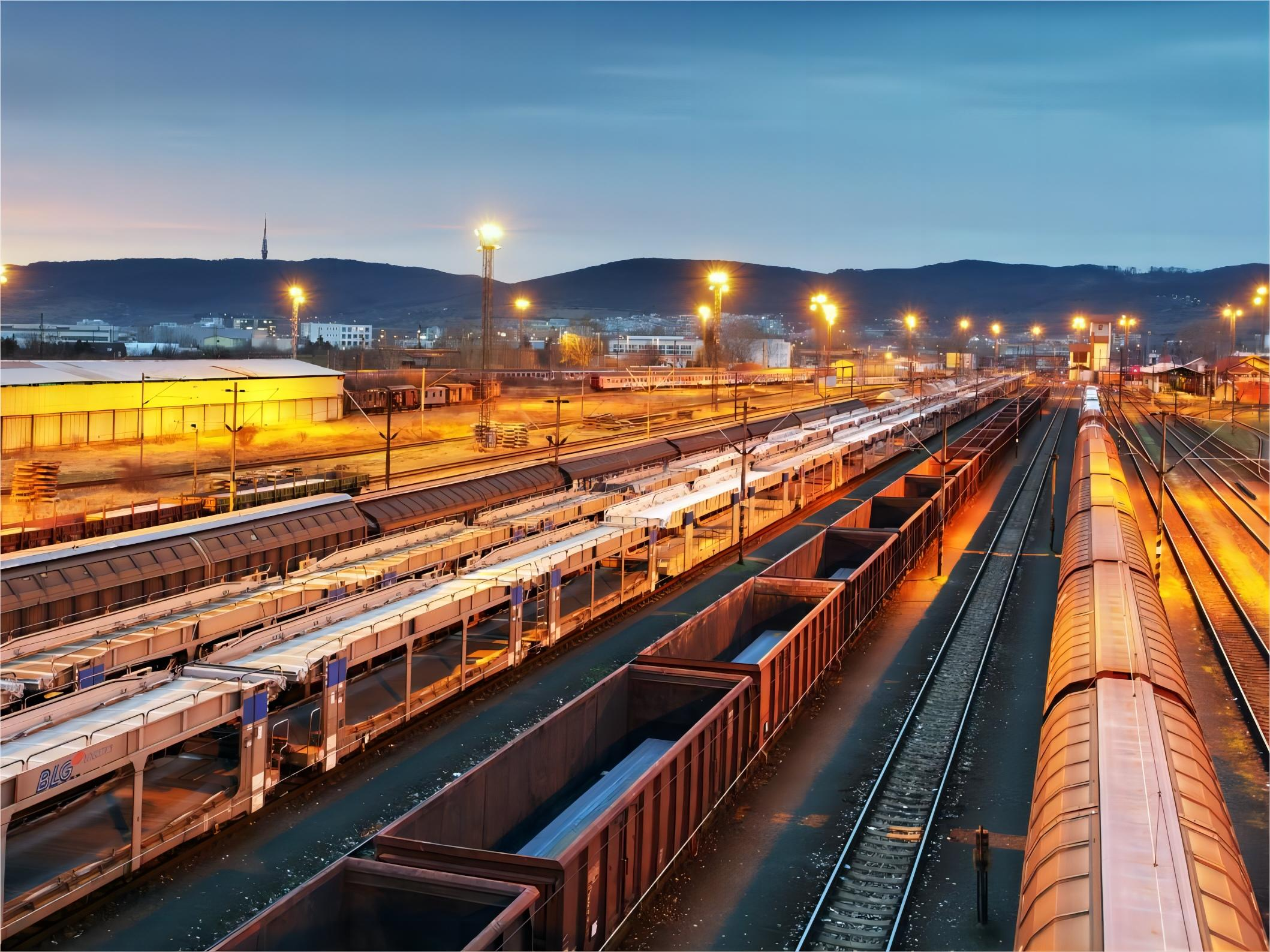
Meanwhile, rail freight has emerged as a viable middle ground for shipments destined for Europe. It offers faster transit than the sea at a cost that is much lower than air transport.
The following table provides an objective analysis of the primary shipping methods available from China in 2026.
| Shipping Method | Cost Range | Transit Time | Best For |
|---|---|---|---|
| Sea Freight | $1,500 – $6,000 per container | 14 – 40 Days | Bulk goods and large machinery |
| Air Freight | $4.50 – $11.00 per kg | 3 – 7 Days | High-value electronics and samples |
| Rail Freight | $110 – $190 per CBM | 18 – 25 Days | Mid-sized Europe-bound shipments |
| Express | $7.00 – $15.00 per kg | 2 – 5 Days | Small parcels and documents |
Navigating the 2026 Air Freight Market
Speed is often the primary driver for businesses selecting air freight services from China. In the fast-paced 2026 market, being first to shelf can provide a significant competitive advantage for fashion and tech brands.
However, air cargo rates are highly sensitive to jet fuel prices and seasonal capacity fluctuations. To mitigate these risks, savvy shippers book their space well in advance of known peak periods.
Indeed, the efficiency of air transport reduces the need for large safety stocks, which can lower your overall warehousing costs. This lean inventory model is increasingly popular among e-commerce sellers operating on tight margins.
Nevertheless, businesses must ensure that their packaging is optimized for air travel to avoid volumetric weight surcharges. Professional forwarders can assist in consolidating shipments to maximize space and minimize expenses.
The Strategic Importance of Amazon FBA Logistics
Selling on global platforms requires strict adherence to specific labeling and packaging requirements. Utilizing a Amazon FBA specialist ensures that your goods are prepared correctly before they even leave China.
Moreover, specialized forwarders understand the appointment scheduling systems used by fulfillment centers in the USA and Europe. Consequently, they can prevent the costly storage fees and rejection of shipments that often plague inexperienced sellers.
In addition, these logistics experts often provide value-added services such as quality inspections and palletization. These steps are vital for maintaining high seller ratings and ensuring customer satisfaction upon delivery.
Without a doubt, a streamlined FBA shipping process allows you to focus on marketing and product development rather than logistics headaches. This peace of mind is invaluable in a crowded digital marketplace.
Understanding 2026 Shipping Rates and Transit Times
Freight rates in 2026 have shown more stability compared to the volatility of previous years. However, regional factors like port congestion and labor negotiations can still impact the final price of your shipment.
Specifically, routes to the USA East Coast generally command higher prices and longer transit times than those to the West Coast. This is due to the additional distance and the necessity of transiting the Panama Canal or traveling around the Cape of Good Hope.
For European destinations, the choice between northern ports like Hamburg and southern ports like Piraeus can affect both cost and inland transport speed. Your forwarder should provide a detailed breakdown of these variables during the quoting process.
Note: Freight rates are subject to change based on fuel costs, carrier capacity, and seasonal demand. Contact us for a current quote tailored to your specific shipment.
| Route | 20GP Container | 40HQ Container | Avg. Transit |
|---|---|---|---|
| China to USA West | $1,600 – $2,300 | $2,900 – $3,900 | 15 – 19 Days |
| China to USA East | $2,600 – $3,600 | $4,600 – $6,100 | 30 – 36 Days |
| China to UK/Europe | $2,100 – $2,900 | $3,600 – $4,600 | 32 – 39 Days |
| China to Australia | $900 – $1,300 | $1,500 – $2,100 | 13 – 19 Days |
Critical Customs Brokerage and Compliance Steps
Navigating the legal requirements of different nations is one of the most challenging aspects of international trade. Engaging a professional customs brokerage service is essential for avoiding fines and seizures.
Furthermore, 2026 has seen an increase in digital documentation requirements across the EU and the USA. Therefore, ensuring all Harmonized System (HS) codes are accurate and up-to-date is more important than ever.
In addition, your forwarder will help you determine if your products are subject to anti-dumping duties or specific trade tariffs. This proactive approach prevents unexpected costs from surfacing after the goods have already shipped.
Ultimately, a smooth customs clearance process is the key to maintaining a reliable delivery schedule. Reliable partners handle the paperwork so you can focus on growing your business operations.
Real-World Case Studies: 2026 Shipping Success
Examining actual shipping scenarios provides valuable insight into the costs and timelines you can expect. These examples reflect the current market conditions and common challenges faced by modern importers.
Case Study 1: High-Volume Electronics Distribution. Route: Shenzhen, China to Los Angeles, USA. Cargo: Consumer Electronics, 68 CBM, 14,000 kg. Container: 40HQ. Shipping Details: Carrier: Major trans-Pacific carrier. Port of Loading: Shenzhen. Port of Discharge: Los Angeles. Route Type: Direct. Cost Breakdown: Ocean Freight: $3,450. Origin Charges: $450. Destination Charges: $600. Customs and Duties: $1,200. Total Landed Cost: $5,700. Timeline: Booking to Loading: 4 days. Sea Transit: 16 days. Customs Clearance: 2 days. Total Door-to-Door: 22 days. Key Insight: Early booking during the 2026 Chinese New Year lead-up saved the client 15 percent on freight costs.
Case Study 2: Sustainable Furniture Export. Route: Ningbo, China to Hamburg, Germany. Cargo: Eco-friendly Furniture, 26 CBM, 4,200 kg. Container: 20GP. Shipping Details: Carrier: European line carrier. Port of Loading: Ningbo. Port of Discharge: Hamburg. Route Type: Transshipment via Singapore. Cost Breakdown: Ocean Freight: $2,400. Origin Charges: $380. Destination Charges: $550. Customs and Duties: $800. Total Landed Cost: $4,130. Timeline: Booking to Loading: 5 days. Sea Transit: 34 days. Customs Clearance: 3 days. Total Door-to-Door: 42 days. Key Insight: Utilizing a 20GP container was more cost-effective than LCL for this specific volume and cargo weight.
The Benefits of Door to Door Logistics
Many businesses prefer the simplicity of door to door services to reduce their internal workload. This all-inclusive model covers every step of the journey, providing a single point of accountability.
Moreover, this service typically includes the final mile delivery to your warehouse or retail location. Accordingly, you do not need to coordinate with local trucking companies or worry about port pickup deadlines.
In contrast to port-to-port shipping, door-to-door solutions offer more predictable pricing structures. This allows for better financial planning and more accurate product pricing for your end customers.
Indeed, for smaller enterprises without a dedicated logistics department, this is often the most efficient way to manage international imports. It minimizes the risk of communication breakdowns between multiple service providers.
Which Option Should You Choose? Decision Framework
Selecting the optimal shipping method depends on your specific priorities regarding cost, speed, and cargo type. If your primary goal is budget optimization, sea freight is almost always the best choice for shipments over 2 CBM.
However, if you are launching a new product or responding to an unexpected surge in demand, air freight provides the necessary agility. For European businesses, rail freight offers a balanced alternative that avoids the high costs of air and the long delays of sea.
Businesses should also consider the nature of their cargo. Perishable goods or high-value items often require the security and speed of air transport, whereas durable bulk goods are better suited for containers.
Finally, always evaluate the total landed cost rather than just the shipping rate. Factor in insurance, customs duties, and local delivery fees to get a true picture of your expenses.
Mastering Your Global Supply Chain
Successfully importing goods from Asia requires a strategic approach and a reliable China freight forwarder Europe USA. By understanding the various shipping modes and staying informed about 2026 market trends, you can significantly reduce your logistics overhead.
Whether you choose the speed of air or the economy of sea freight, the key is consistency and professional oversight. Partnering with a dedicated logistics provider ensures that your business remains competitive in an ever-changing global marketplace.
Ready to streamline your logistics?
Streamline your international supply chain today with a trusted China freight forwarder Europe USA. Our expert team is ready to provide you with a customized logistics strategy and competitive 2026 rates. Visit our website to request your free quote and take the first step toward hassle-free shipping. Send Inquiry
Request Quote