

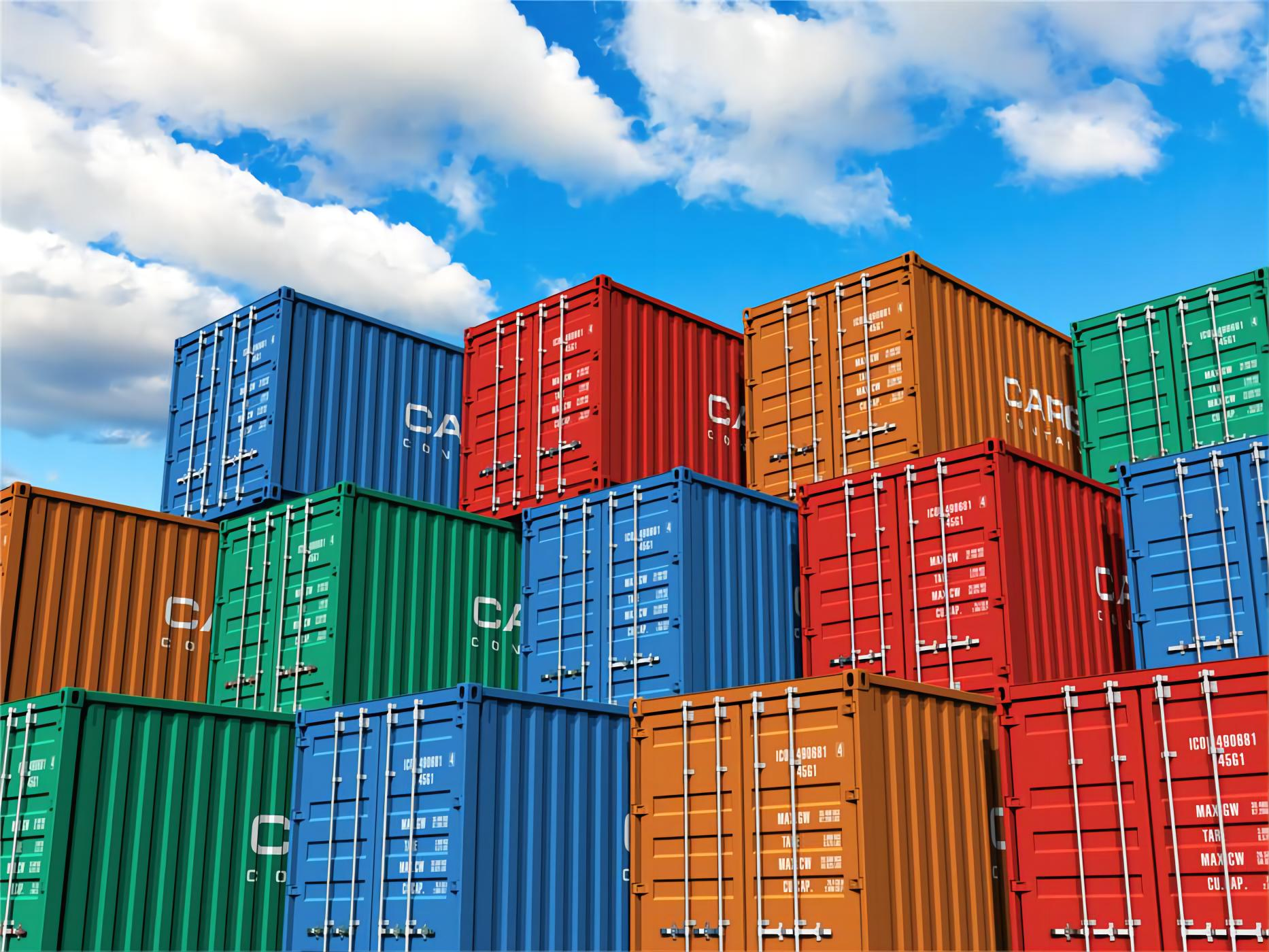
2026 Guide: Finding a China Import Export Shipping Agent
Finding a reliable china import export shipping agent is essential for businesses navigating the complex global trade landscape of 2026. Many importers face significant challenges such as fluctuating freight rates and complex customs regulations that can delay delivery schedules. This comprehensive guide provides actionable insights into optimizing your supply chain and reducing overall logistics costs through professional management.

How Does Sea Freight Compare to Other Shipping Options?
Understanding the differences between transport modes allows you to make informed decisions based on your specific budget and timeline requirements. While sea freight remains the most cost-effective solution for large volumes, it requires longer lead times than air or express options.
Businesses often choose between Full Container Load (FCL) and Less than Container Load (LCL) depending on their total cargo volume and urgency. Specifically, FCL is ideal for shipments exceeding 15 cubic meters, whereas LCL serves smaller batches that share container space with other shippers.
As of Q1 2026, ocean freight rates have stabilized after the disruptions seen in previous years, making it a reliable choice for non-urgent inventory. However, you must account for port congestion and potential seasonal delays during peak periods like the Golden Week.
| Shipping Method | Cost Range | Transit Time | Best For | Limitations |
|---|---|---|---|---|
| Sea Freight | $1,800 – $4,500 | 25 – 40 Days | Bulk Goods | Slow Speed |
| Air Freight | $5,000 – $12,000 | 3 – 7 Days | High Value | High Cost |
| Rail Freight | $2,500 – $5,500 | 15 – 22 Days | Eurasian Trade | Route Limits |
| Express | $8,000 – $15,000 | 2 – 5 Days | Urgent Samples | Weight Caps |
Objective Analysis of Shipping Alternatives
Choosing the right method involves balancing speed against cost to ensure your products remain competitive in the local market. For instance, while sea freight costs $2,200 for a 20GP container to Europe, air freight for the same weight could exceed $18,000.
Rail freight offers a middle ground for Eurasian routes, providing faster transit than the sea at a lower price point than air. Alternatively, sea-air hybrid solutions can reduce transit times by 40% compared to traditional ocean routes while saving 30% on costs versus pure air transport.
The Essential Role of a China Import Export Shipping Agent
Selecting a specialized agent simplifies the entire procurement process by providing a single point of contact for multiple logistics tasks. Professional agents manage everything from supplier coordination in China to final delivery at your warehouse doorstep.
Furthermore, these experts possess deep knowledge of local regulations, which prevents costly errors in documentation and compliance. Utilizing an agent allows you to focus on core business activities while they handle the intricacies of cargo handling and carrier negotiations.
Risk Mitigation and Quality Control
Efficient agents often provide value-added services such as cargo inspection and consolidation to ensure you receive high-quality products. Moreover, they offer insurance options that protect your investment against damage or loss during the long international journey.
Rapid response times and real-time tracking are standard features of modern logistics partnerships in 2026. Consequently, you can maintain better inventory control and provide accurate delivery estimates to your end customers.
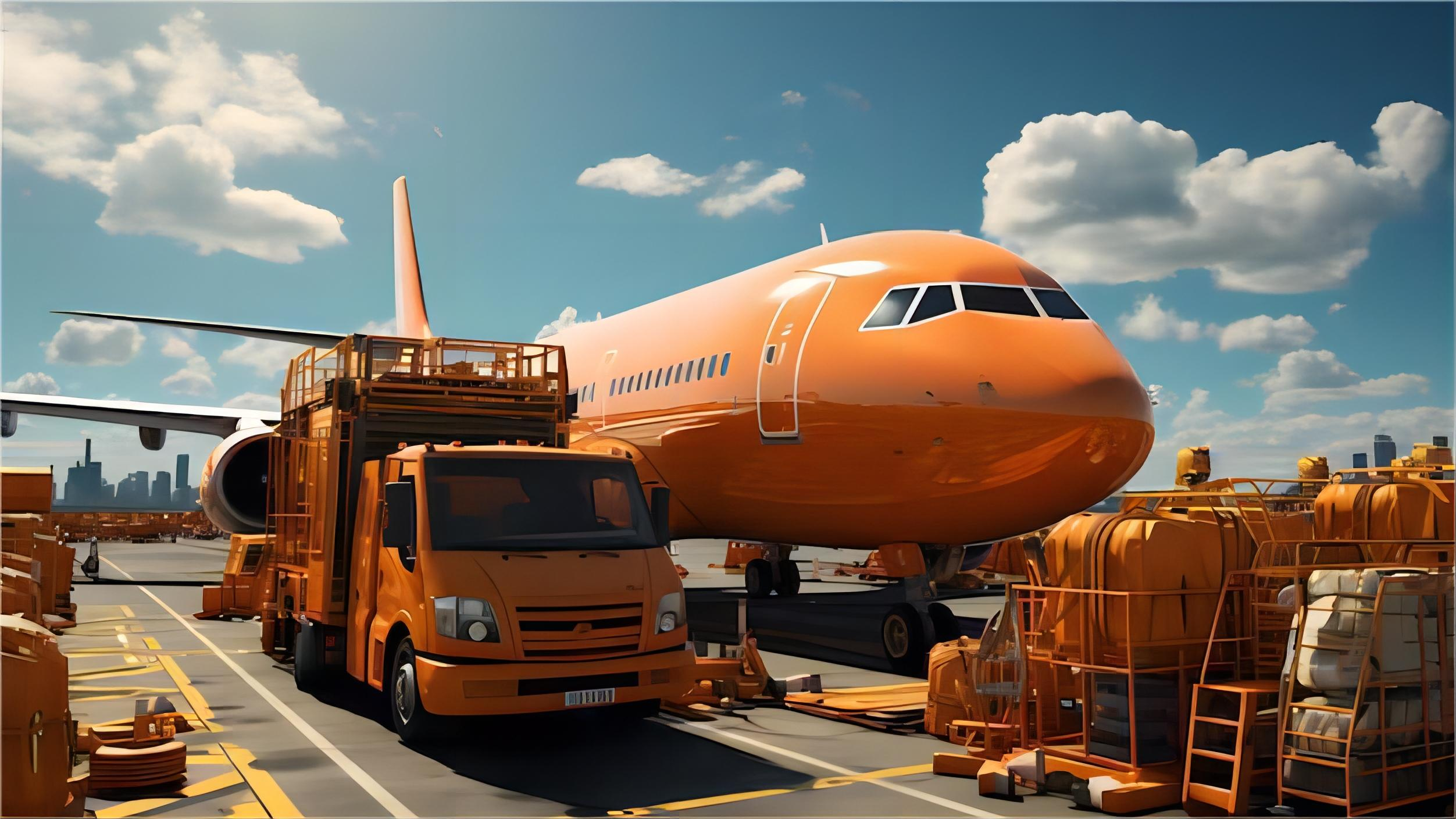
Navigating the 2026 Air Freight Landscape
High-value items or perishable goods typically require the speed and security offered by air freight services. Additionally, businesses use this mode to restock low inventory levels quickly to avoid lost sales during high-demand seasons.
Market data suggests that air cargo capacity has increased in 2026 due to the expansion of commercial flight routes globally. Therefore, freight rates have become more competitive, though they still remain significantly higher than ocean-based alternatives.
When to Choose Air Over Sea
Determining whether to use air transport depends on your profit margins and the urgency of the shipment. For example, if the shipping cost represents less than 10% of the product value, air freight is often a viable strategic choice.
In contrast, bulky items like furniture or heavy machinery are almost always better suited for sea transport due to weight restrictions. Ultimately, a hybrid strategy using both modes can help balance your supply chain efficiency and cost.
Managing the Customs Brokerage Process Efficiently
Navigating the customs brokerage phase is frequently the most daunting part of international trade for new importers. Expert brokers ensure that all tariff classifications are correct, which prevents overpayment of duties and avoids legal complications with customs authorities.
Consequently, proper documentation is the backbone of a successful import operation, requiring precision and attention to detail. Choosing a broker with specific experience in your industry can streamline the clearance process and reduce the risk of physical inspections.
| Document Name | Purpose | Source | Criticality |
|---|---|---|---|
| Commercial Invoice | Valuation of Goods | Supplier | High |
| Packing List | Cargo Details | Supplier | High |
| Bill of Lading | Title to Goods | Carrier | High |
| CO Certificate | Proof of Origin | Chamber of Commerce | Medium |
Required Documentation Checklist
Complete records must accompany every shipment to verify the origin, value, and nature of the goods being transported. Specifically, you will need a Commercial Invoice, Packing List, and a Bill of Lading to begin the clearance procedure.
Reliable agents handle these filings electronically in 2026 to speed up the release of cargo from the port. Indeed, failing to provide accurate paperwork can result in daily storage fees known as demurrage, which quickly erode your profit margins.
Benefits of Door to Door Shipping Solutions
Instead of managing multiple carriers, many modern businesses prefer door to door logistics for its simplicity and transparency. This service covers every step of the journey, including pickup from the factory, international transit, and final delivery to the warehouse.
Sellers benefit from a flat-rate pricing model that includes all handling fees and local delivery charges. Meanwhile, this approach reduces the administrative burden on your team, as the shipping agent manages all hand-offs between different transport providers.
Optimizing Logistics for Amazon FBA Sellers
Specialized Amazon FBA shipping services are tailored to meet the strict labeling and packaging requirements of fulfillment centers. Therefore, using an agent familiar with these standards prevents shipment rejections and additional processing fees at the Amazon warehouse.
Logistics providers often offer prep services such as palletizing and barcoding in their Chinese warehouses before the goods depart. Consequently, this ensures your inventory is ready for immediate sale as soon as it arrives at the destination country.
Real Case Studies: Verifiable Shipping Success
Examining real-world examples helps illustrate the costs and timelines associated with different shipping routes in 2026. These scenarios reflect actual market conditions and provide a benchmark for your own logistics planning and budgeting.
Route: Shenzhen, China to Hamburg, Germany Cargo: Solar Panel Inverters, 12 CBM, 4,500 kg Container: LCL 12 CBM Shipping Details: – Carrier/Service: Major carrier via Suez Canal – Port of Loading: Shenzhen – Port of Discharge: Hamburg – Route Type: Direct Cost Breakdown: – Ocean Freight: $1,450 – Origin Charges: $350 – Destination Charges: $420 – Customs & Duties: $1,100 – Total Landed Cost: $3,320 Timeline: – Booking to Loading: 4 days – Sea Transit: 32 days – Customs Clearance: 2 days – Total Door-to-Door: 42 days Key Insight: Early booking during the Q1 lull saved the client 15% on ocean freight costs.
Route: Ningbo, China to Los Angeles, USA Cargo: Ergonomic Office Chairs, 68 CBM, 8,200 kg Container: 40HQ Shipping Details: – Carrier/Service: COSCO – Port of Loading: Ningbo – Port of Discharge: Los Angeles – Route Type: Direct Cost Breakdown: – Ocean Freight: $3,600 – Origin Charges: $450 – Destination Charges: $550 – Customs & Duties: $2,400 – Total Landed Cost: $7,000 Timeline: – Booking to Loading: 5 days – Sea Transit: 16 days – Customs Clearance: 3 days – Total Door-to-Door: 28 days Key Insight: Using a direct route to the West Coast minimized transit time compared to East Coast alternatives.
Note: Freight rates are subject to change based on fuel costs, carrier capacity, and seasonal demand. Contact us for a current quote tailored to your specific shipment.
Cost-Saving Strategies for International Logistics
Reducing your total landed cost requires a combination of smart planning and strategic carrier selection. Another effective method is consolidating multiple small orders into a single large shipment to benefit from lower FCL rates.
Port selection also plays a major role in determining the final price of your logistics operations. Specifically, choosing a port closer to your supplier’s factory can significantly reduce inland trucking costs within China.
Negotiating Better Rates in 2026
Destination charges can sometimes be negotiated if you maintain a consistent shipping volume with your agent. Furthermore, signing long-term service agreements can protect your business from the volatility of the spot market during peak seasons.
Total transparency regarding your cargo dimensions and weight prevents unexpected surcharges at the time of loading. Ultimately, building a strong relationship with your shipping agent leads to better service levels and more flexible payment terms over time.
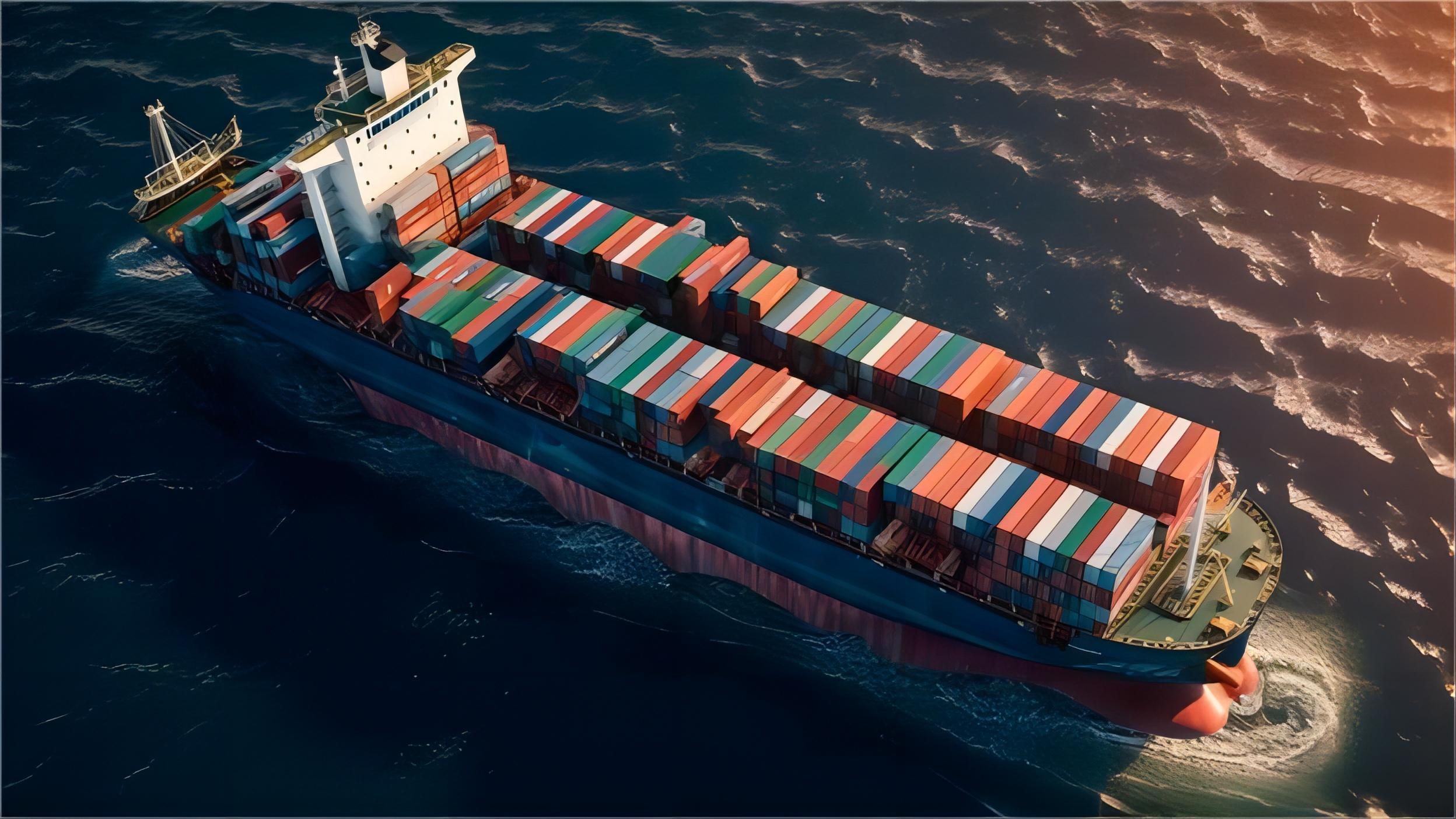
Which Shipping Option Should You Choose?
Deciding on the best logistics path depends on your specific priorities regarding cost, speed, and safety. Planning your inventory cycles well in advance allows you to utilize slower, cheaper sea routes without risking stockouts.
Budget priority dictates the use of sea freight or rail, while speed priority necessitates air or express services. Volume thresholds also matter, as shipments over 100kg usually move more economically via air freight than express courier.
Mastering Global Trade with the Right Partner
In summary, managing international logistics requires a deep understanding of transport modes, customs laws, and market trends. A professional china import export shipping agent serves as a vital bridge between your business and the global market.
To succeed in 2026, importers must remain agile and adapt to changing freight conditions through strategic planning. By prioritizing efficiency and transparency, you can ensure your goods arrive safely and cost-effectively at their final destination.
Need a tailored shipping solution?
Streamline your global supply chain today by partnering with an experienced china import export shipping agent. Contact DSV-Freight for a customized quote and expert guidance on your next shipment from China. Visit alibabaforwarder.com to start your inquiry.