

International Freight China Forwarding: 2026 Strategic Logistics Guide
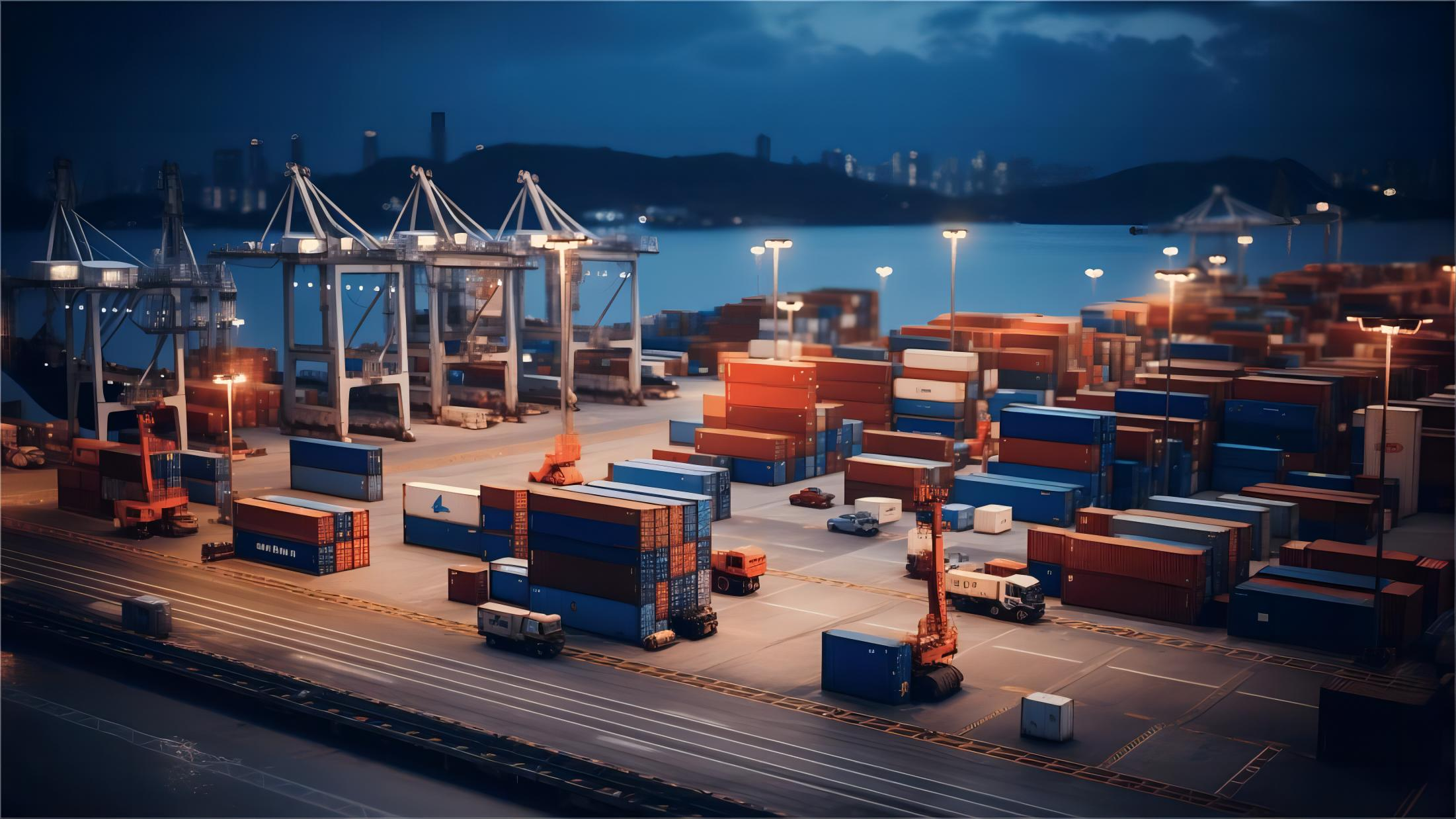
International freight China forwarding remains the cornerstone of global trade efficiency as we navigate the complex supply chain landscape of 2026. Businesses must identify reliable partners to manage the intricate balance between shipping costs and delivery speed. Consequently, working with a seasoned expert like DSV-Freight ensures that your cargo moves seamlessly across borders without unexpected delays. This guide explores the evolving dynamics of Chinese logistics to help you optimize your import operations effectively. We will analyze current market trends, pricing structures, and the most efficient transit routes available today.
How Does International Freight China Forwarding Compare to Other Shipping Options?
Choosing the right transportation mode requires a deep understanding of the trade-offs between cost, speed, and reliability. In 2026, the logistics market has diversified, offering specialized solutions for every type of cargo volume. Moreover, shippers must evaluate whether their priority lies in immediate delivery or long-term cost reduction. For instance, high-value electronics demand different handling compared to bulk raw materials.
Furthermore, the global economic shift has introduced new hybrid models that combine different transport methods to maximize efficiency. Meanwhile, traditional sea freight continues to dominate for large-scale shipments due to its unmatched cost-per-unit advantage. However, businesses often look for alternatives when port congestion or seasonal peaks threaten their inventory levels. Consequently, a multi-modal approach often provides the best resilience against market volatility.
Indeed, comparing these options objectively allows for better budget forecasting and inventory management. Additionally, understanding the limitations of each method prevents costly mistakes during the peak shipping season. Therefore, we have compiled a comprehensive comparison to guide your decision-making process based on current 2026 market data.
| Sea Freight | $1,500 – $4,500 | 25-45 Days | Bulk & Large Items |
| Air Freight | $5.50 – $9.00/kg | 3-7 Days | Urgent & High Value |
| Rail Freight | $2,000 – $3,500 | 18-22 Days | Mid-range Budget |
| Express | $8.00 – $15.00/kg | 2-5 Days | Small Parcels |
What Are the Key Benefits of Sea Freight for Bulk Shipments?
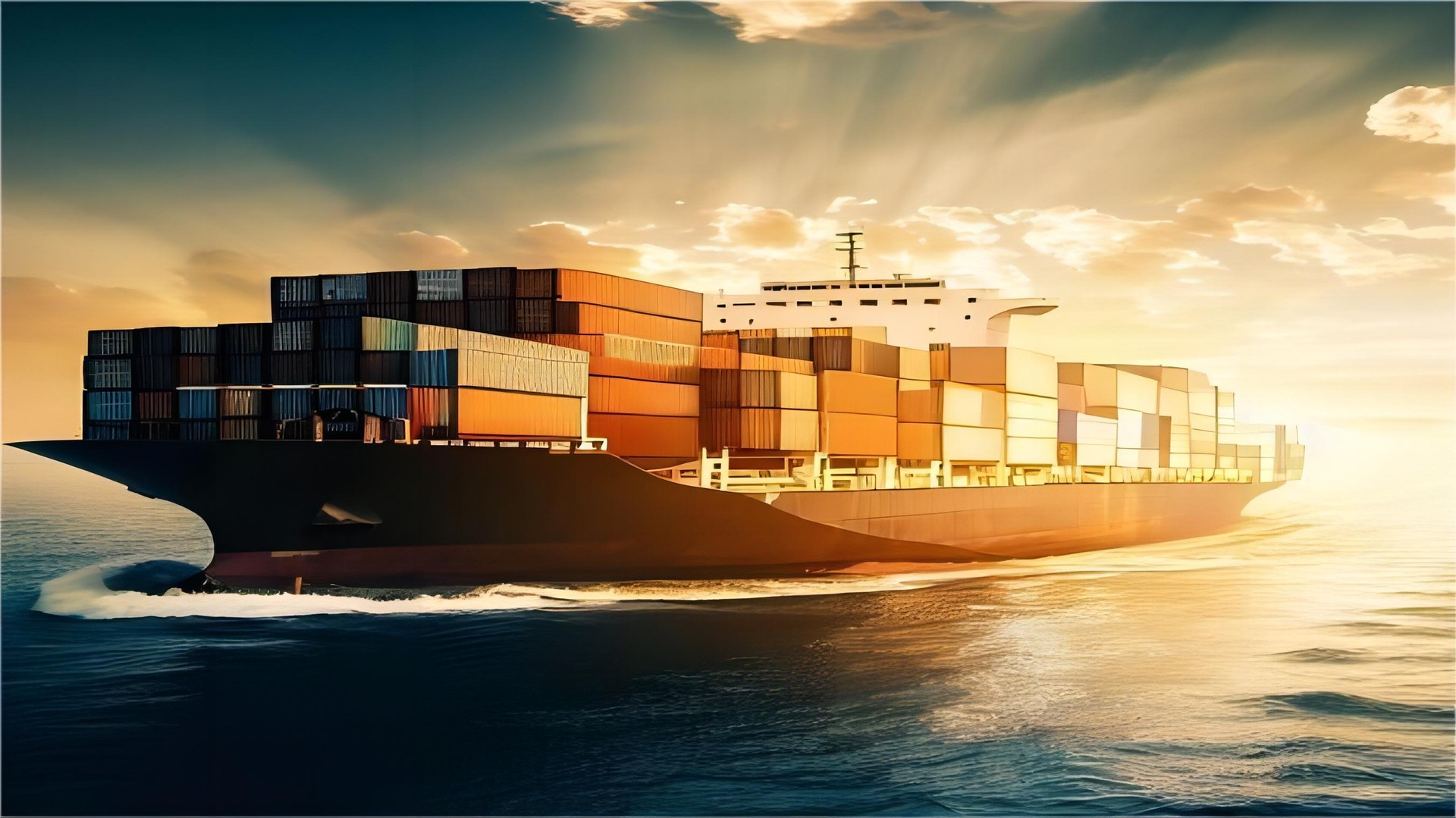
Economies of scale make sea freight the most viable option for businesses importing large volumes from China. Specifically, Full Container Load (FCL) shipping offers a secure and cost-effective way to transport massive quantities of goods. Alternatively, Less than Container Load (LCL) allows smaller businesses to share container space, significantly reducing their overhead. In addition, sea transport handles hazardous or oversized cargo that air carriers frequently reject.
As of early 2026, ocean freight rates have stabilized following the infrastructure improvements across major Chinese ports. Nevertheless, shippers should remain aware of seasonal fluctuations during the Lunar New Year and Golden Week periods. During these times, demand often outstrips supply, leading to temporary price hikes. Consequently, booking your space at least four weeks in advance is highly recommended to secure the best rates.
Why Consider Air Freight for Time-Sensitive Cargo?
Speed is the primary driver for companies selecting air freight to move goods from China to global destinations. Although the costs are significantly higher than ocean transport, the reduction in transit time can be a competitive advantage. For example, fashion retailers often use air transport to ensure new collections hit the shelves before trends shift. Moreover, the enhanced security at airports reduces the risk of theft or damage for sensitive items.
In 2026, air cargo capacity has increased due to the expansion of dedicated freighter fleets by major logistics providers. Consequently, transit times have become more predictable even during peak demand cycles. However, the environmental impact and higher fuel surcharges remain important considerations for sustainable supply chain management. Therefore, it is essential to calculate the total landed cost to determine if the speed justifies the premium price.
How Does Rail Freight Serve as a Middle Ground?
Rail transport has emerged as a powerful alternative for shipments moving from China to Europe and Central Asia. Specifically, it offers a transit time that is roughly half that of sea freight while costing significantly less than air. This makes it an ideal choice for automotive parts and industrial machinery that require a balance of speed and economy. Furthermore, the Silk Road rail initiatives have improved the reliability of these overland routes significantly.
Nevertheless, rail freight is not a universal solution, as it is unavailable for routes to North America or Australia. For businesses shipping to the United States, a sea-air hybrid might be a more suitable alternative strategy. In contrast, European importers can benefit from the fixed schedules and lower carbon footprint of trans-continental rail. Consequently, rail freight is becoming a staple in many diversified logistics portfolios in 2026.
Can Customs Brokerage Simplify Your Import Process?
Navigating the legal requirements of international trade is often the most challenging aspect of logistics. Therefore, professional customs brokerage services are essential for preventing shipment seizures or heavy fines. These experts manage the complex documentation required by both Chinese export authorities and destination customs offices. For instance, ensuring the correct HS code classification can save thousands of dollars in unnecessary duties.
Moreover, customs regulations are subject to frequent changes based on new trade agreements and geopolitical shifts. Consequently, staying compliant requires constant monitoring of legislative updates that might affect your specific product category. A dedicated broker acts as your advocate, handling inspections and duty payments on your behalf. As a result, your goods move through the port of entry with minimal friction and maximum speed.
| Commercial Invoice | Valuation of Goods | Customs | Critical |
| Packing List | Cargo Details | Warehouse | High |
| Bill of Lading | Title of Goods | Carrier | Critical |
| Cert. of Origin | Duty Calculation | Customs | Medium |
Is Door-to-Door Shipping the Most Efficient Strategy?
Many modern importers prefer door to door services because they simplify the entire logistics chain into a single transaction. Instead of managing multiple vendors, you deal with one forwarder who handles pickup, international transport, and final delivery. This approach significantly reduces the administrative burden on your team. Additionally, it provides better end-to-end visibility through integrated tracking systems.
Furthermore, this method eliminates the risk of communication gaps between different service providers. For example, if a delay occurs at the port, your primary forwarder can immediately adjust the final mile delivery schedule. Consequently, businesses can focus on sales and marketing rather than troubleshooting logistics bottlenecks. While the upfront cost may appear higher, the savings in time and reduced risk often provide a better return on investment.
How to Optimize Amazon FBA Shipments from China?
E-commerce sellers face unique challenges when shipping directly to fulfillment centers. Therefore, utilizing specialized Amazon FBA logistics services is crucial for maintaining a healthy seller account. These services include labeling, palletizing, and ensuring that all packaging meets Amazon’s strict requirements. Moreover, experienced forwarders understand the appointment scheduling systems used by FBA warehouses to avoid rejection of goods.
In 2026, Amazon has implemented stricter inventory placement rules, making it even more important to have a precise shipping strategy. Consequently, many sellers now use a ‘drip’ method, storing bulk inventory in a local 3PL warehouse and sending smaller batches to FBA. This strategy helps in avoiding high long-term storage fees while ensuring products remain in stock. Indeed, a knowledgeable forwarder can help you navigate these complex inventory management decisions.
Case Studies: Real-World Logistics Success
Examining real-world examples provides valuable insights into how international freight China forwarding works in practice. These cases illustrate the importance of selecting the right mode of transport based on specific business needs. Furthermore, they highlight the potential challenges and how professional management can overcome them. Below are two detailed scenarios based on 2026 market conditions.
Each case demonstrates a different strategic approach, from cost-saving sea freight to high-speed air solutions. These examples serve as a benchmark for your own shipping expectations and budgeting. Consequently, you can use these data points to refine your logistics planning for the coming quarters.
Case Study 1: Electronics Distribution to USA
Box Case Study 1: High-Volume Electronics Expansion Route: Shenzhen, China to Los Angeles, USA Cargo: Consumer Electronics, 28 CBM, 4,500 kg Container: 40GP Full Container Shipping Details: – Carrier/Service: Major trans-Pacific carrier – Port of Loading: Shenzhen – Port of Discharge: Los Angeles – Route Type: Direct Cost Breakdown: – Ocean Freight: $3,200 – Origin Charges: $450 – Destination Charges: $600 – Customs and Duties: $1,200 – Total Landed Cost: $5,450 Timeline: – Booking to Loading: 4 days – Sea Transit: 16 days – Customs Clearance: 2 days – Total Door-to-Door: 22 days Key Insight: By choosing a direct route to the West Coast, the client avoided the congestion often found in East Coast ports, saving 10 days of transit time.
Case Study 2: Urgent Fashion Inventory to UK
Box Case Study 2: Seasonal Fashion Launch Route: Shanghai, China to London, UK Cargo: High-end Apparel, 5 CBM, 1,200 kg Container: Air Freight Consolidation Shipping Details: – Carrier/Service: Premium Air Cargo – Port of Loading: Shanghai Pudong (PVG) – Port of Discharge: London Heathrow (LHR) – Route Type: Direct Flight Cost Breakdown: – Air Freight: $7,800 – Origin Charges: $300 – Destination Charges: $400 – Customs and Duties: $2,100 – Total Landed Cost: $10,600 Timeline: – Booking to Loading: 2 days – Air Transit: 1 day – Customs Clearance: 1 day – Total Door-to-Door: 5 days Key Insight: The higher cost of air freight was offset by the ability to launch the collection on time, preventing a projected 30% loss in seasonal sales revenue.
Which Option Should You Choose? A Decision Framework
Selecting the optimal shipping method depends on four primary factors: budget, urgency, cargo size, and destination. Specifically, if your budget is the main priority and you have a lead time of over 40 days, sea freight is the logical choice. Conversely, if you are dealing with a stock-out situation, the premium cost of air freight becomes a necessary investment. Furthermore, you must consider the nature of the goods, as fragile or perishable items often require specialized handling.
Additionally, we recommend a hybrid approach for many businesses to balance risk and cost. For example, you could ship 20% of your inventory via air to meet immediate demand and the remaining 80% via sea to maximize profit margins. This strategy ensures that you never completely run out of stock while keeping your average shipping cost low. Consequently, a flexible logistics plan is the most resilient way to manage a global supply chain in 2026.
Strategic Conclusions on Chinese Logistics
Successfully managing international freight China forwarding requires a proactive approach and a deep understanding of the available shipping modes. Throughout 2026, we have seen that flexibility and early planning are the most effective tools for mitigating rising costs and port delays. Whether you choose the speed of air or the economy of sea freight, the key is to work with a partner who offers transparency and reliability. By applying the frameworks and data provided in this guide, you can optimize your shipping routes and enhance your bottom line. Remember that the logistics landscape is ever-changing, and staying informed is your best defense against market volatility.
Start Your Shipment
Streamline your global supply chain today by partnering with an expert in international freight China forwarding. Our team at DSV-Freight provides tailored logistics solutions that balance speed and cost-efficiency for your specific business needs. Request a comprehensive quote now to secure the best 2026 rates for your next shipment. Send Inquiry: Visit https://alibabaforwarder.com/ for more information.
Request Quote