
China Export Logistics Service Global: 2026 Shipping Guide
Navigating the complexities of international trade requires a robust china export logistics service global to ensure timely deliveries. Businesses often struggle with fluctuating freight rates and complex customs regulations that disrupt their supply chain flow. Consequently, professional freight forwarders provide the necessary expertise to manage these challenges efficiently while reducing overall costs. This guide explores how to optimize your global shipping strategy using modern logistics trends and reliable transport methods in 2026.
✦
How Does Sea Freight Compare to Other Shipping Options?
Choosing the right transport method is critical for maintaining a competitive edge in the global marketplace. While sea freight remains the most popular choice for bulk commodities, other alternatives offer specific advantages depending on your delivery schedule. Therefore, understanding the trade-offs between cost and speed is essential for every importer.
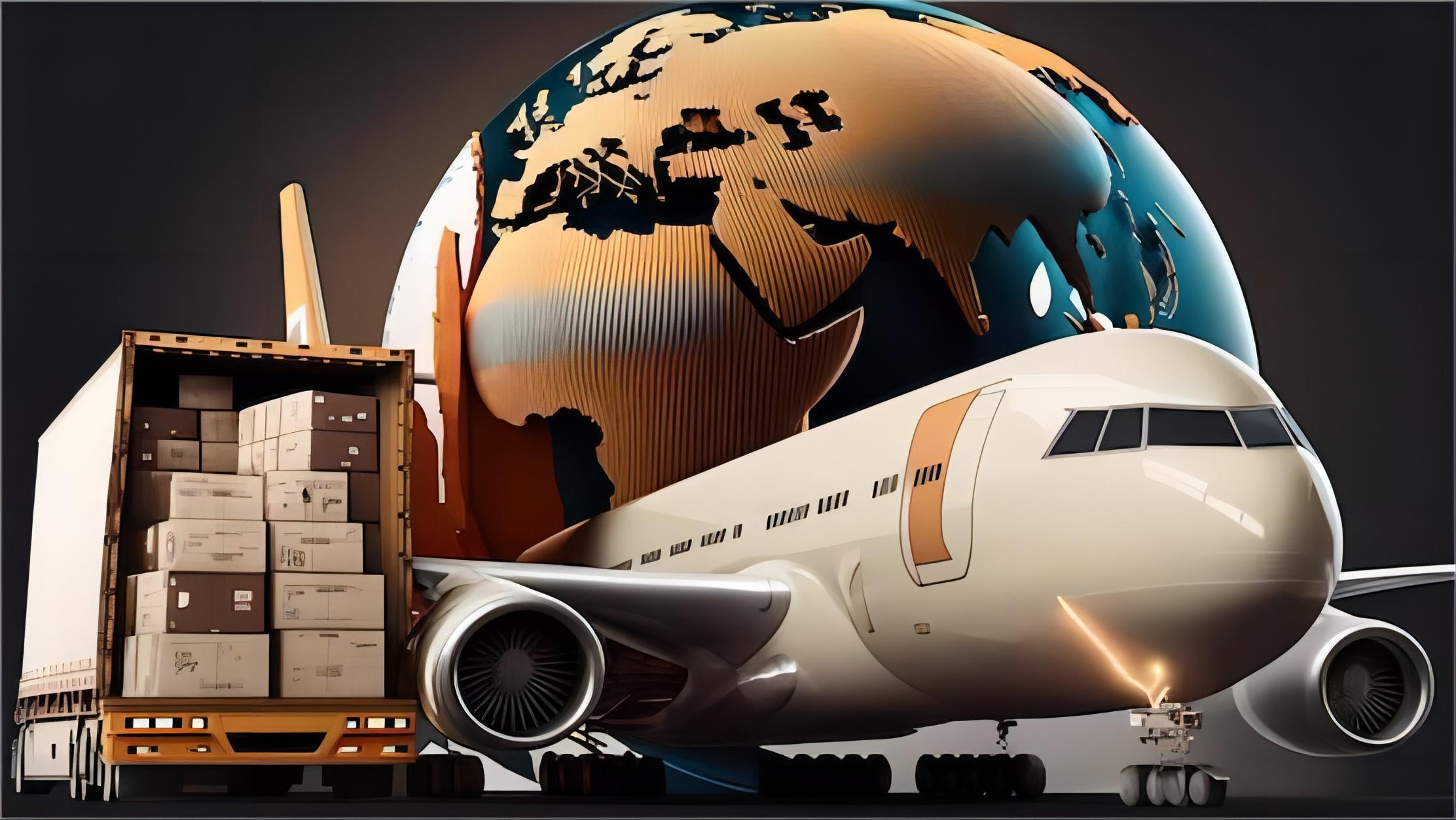
Moreover, sea freight offers the lowest cost per unit for large volumes, making it ideal for furniture or heavy machinery. In contrast, air freight provides unmatched speed for high-value electronics or seasonal fashion items. Additionally, rail freight serves as a middle ground for shipments moving from China to Europe, offering faster transit than sea but at a lower price point than air.
| Shipping Method | Cost Range | Transit Time | Best For |
|---|---|---|---|
| Sea Freight | $1,500 – $4,500 | 14 – 40 Days | Bulk & Heavy Cargo |
| Air Freight | $5.00 – $12.00/kg | 3 – 7 Days | Urgent & High Value |
| Rail Freight | $2,500 – $5,500 | 18 – 25 Days | Mid-range Budget |
| Express | $8.00 – $15.00/kg | 2 – 5 Days | Small Samples |

Why a China Export Logistics Service Global is Essential in 2026
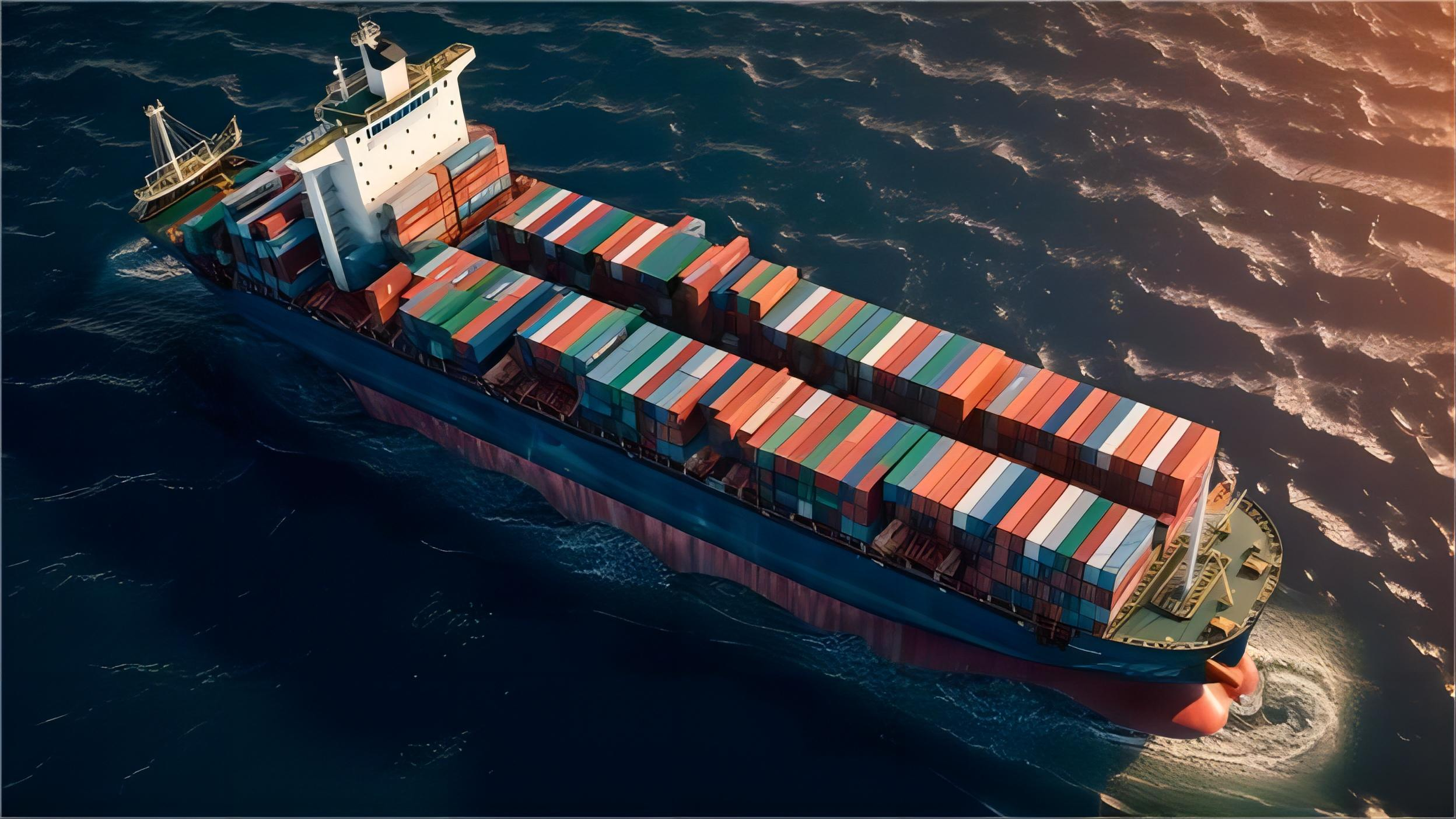
Modern supply chains face unprecedented volatility due to shifting geopolitical landscapes and environmental regulations. Consequently, a dedicated sea freight partner ensures that your cargo moves through the most efficient maritime corridors. These experts monitor port congestion and vessel availability in real-time to avoid costly delays.
Furthermore, the integration of digital tracking systems allows for greater transparency throughout the shipping process. Indeed, knowing the exact location of your inventory helps in planning warehouse operations and meeting customer expectations. Reliable logistics providers also offer cargo insurance to protect your investment against unforeseen transit risks.
Can Air Freight Accelerate Your Global Supply Chain?
Speed is often the primary driver for businesses selecting air freight services from China. When inventory levels are low or product launches are imminent, the fast transit time of air transport becomes invaluable. Nevertheless, the higher cost associated with this method requires careful budget management to maintain profitability.
Specifically, air transport reduces the need for large safety stocks, which can lower overall inventory holding costs. Many companies utilize a hybrid approach by shipping the majority of goods via sea and using air for urgent restocks. This strategy balances expense with agility in a rapidly changing market environment.
What are the Benefits of Rail Freight for Continental Trade?
Rail transport has emerged as a sustainable and efficient alternative for shipments destined for Central Asia and Europe. By utilizing rail freight, businesses can bypass congested sea ports and reduce their carbon footprint. This method is particularly effective for automotive parts and industrial components that require a stable delivery schedule.
Additionally, rail services offer more consistent pricing compared to the volatile spot rates of the ocean freight market. Because the transit time is roughly half that of sea freight, it significantly improves cash flow for many enterprises. However, it is important to note that rail options are not available for island nations like Australia or Japan.
Which Option Should You Choose for Your Specific Cargo?
Determining the best shipping method requires an analysis of your budget, cargo volume, and required arrival date. If your priority is cost savings and you have a flexible timeline, sea freight is undoubtedly the most economical choice. Conversely, if you are shipping perishable goods or high-demand consumer electronics, air freight is the superior option.
Volume thresholds also play a major role in the decision-making process. For shipments under 15 CBM, Less than Container Load (LCL) services allow you to share space and costs with other shippers. Once your volume exceeds this limit, booking a Full Container Load (FCL) becomes more cost-effective and provides better security for your goods.
| Priority | Recommended Method | Volume Threshold | Key Benefit |
|---|---|---|---|
| Lowest Cost | Sea Freight (LCL) | Under 15 CBM | Budget Friendly |
| Maximum Speed | Air Freight | Any Volume | Fast Turnaround |
| Balanced | Rail Freight | Over 10 CBM | Reliable Schedule |
| Security | Sea Freight (FCL) | Over 15 CBM | Exclusive Use |
How to Navigate Complex Customs Brokerage and Compliance
International shipping involves a maze of documentation and regulatory requirements that can stall your cargo at the border. Utilizing a professional customs brokerage service ensures that all paperwork, including commercial invoices and certificates of origin, is handled correctly. This proactive approach prevents expensive storage fees and potential legal complications.
Logistics trends in 2026 show an increased focus on digital customs filings and automated compliance checks. Therefore, working with a forwarder who uses advanced technology can significantly speed up the clearance process. Accurate classification of goods using the Harmonized System (HS) codes is also vital for determining the correct duty and tax rates.
Why Door to Door Solutions are the Future of Global Trade
Managing multiple vendors for trucking, ocean freight, and final delivery can be an administrative burden for many businesses. Selecting a door to door service simplifies the entire process by providing a single point of contact. This comprehensive solution covers everything from factory pickup in China to delivery at your warehouse doorstep.
Moreover, integrated logistics services reduce the risk of cargo damage during transfers between different transport modes. By streamlining the supply chain, companies can focus on their core business activities while leaving the logistics to the experts. This end-to-end visibility is essential for maintaining a lean and responsive inventory system.
Real-World Case Studies: China Export Logistics Service Global Success
Examining actual shipping scenarios provides valuable insights into the costs and timelines you can expect in the current market. These examples reflect typical transactions handled during the 2025 and early 2026 periods. Please note that rates fluctuate based on fuel costs, carrier capacity, and seasonal demand.
Case Study 1: Electronics to Germany Route: Shenzhen, China to Hamburg, Germany Cargo: Consumer Electronics, 22 CBM, 4,500 kg Container: 40GP Shipping Details: – Carrier: Major Ocean Carrier – Port of Loading: Shenzhen – Port of Discharge: Hamburg – Route: Direct Cost Breakdown: – Ocean Freight: $3,200 – Origin Charges: $450 – Destination Charges: $600 – Total Landed Cost: $4,250 Timeline: – Sea Transit: 32 days – Total Door-to-Door: 38 days Key Insight: Booking 3 weeks in advance secured a lower rate during the Q1 2026 period.
Case Study 2: Fashion Apparel to USA Route: Shanghai, China to Los Angeles, USA Cargo: Apparel, 5 CBM, 1,200 kg Container: LCL Service Shipping Details: – Carrier: Premium Air Freight – Port of Loading: Shanghai PVG – Port of Discharge: Los Angeles LAX Cost Breakdown: – Air Freight: $6,600 – Customs & Duties: $1,200 – Total Landed Cost: $7,800 Timeline: – Transit: 5 days – Total Door-to-Door: 8 days Key Insight: Using air freight allowed the client to meet a critical retail launch deadline despite manufacturing delays.
Note: Freight rates are subject to change based on fuel costs, carrier capacity, and seasonal demand. Contact us for a current quote tailored to your specific shipment.
Mastering Your Global Logistics Strategy
In conclusion, choosing the right china export logistics service global is the cornerstone of a successful international business. By evaluating the benefits of sea, air, and rail freight, you can create a balanced strategy that meets both your budget and timeline requirements. Additionally, prioritizing expert customs brokerage and door-to-door services will minimize disruptions and enhance your overall efficiency.
As we move through 2026, staying informed about logistics trends and market rates will remain crucial for maintaining a competitive edge. Professional freight forwarders offer the tools and expertise needed to navigate this complex environment with confidence. Start optimizing your cargo handling and delivery schedules today to ensure long-term growth in the global marketplace.
Streamline your international trade operations today by partnering with a reliable china export logistics service global. Our team provides customized solutions to optimize your supply chain and reduce transit times. Visit our website to request a personalized quote and see how we can help your business grow. Send Inquiry: https://alibabaforwarder.com/
Request Quote