


Cross Border Logistics China Europe: 2026 Shipping Guide
“Cross border logistics china europe represents the most critical trade artery for global commerce in 2026. Navigating this complex corridor requires a deep understanding of evolving regulations, shifting freight rates, and diverse transportation modes. Businesses partnering with DSV-Freight gain a competitive edge by leveraging optimized supply chain routes and expert handling of international cargo requirements.”
The Evolution of Cross Border Logistics China Europe in 2026
❖Navigating the trade lanes between China and Europe has become increasingly sophisticated as we enter 2026. Historically, maritime transport dominated the landscape, but recent infrastructure developments have diversified the available options for global shippers. Consequently, companies must now evaluate a mix of sea, rail, and air solutions to maintain resilient supply chains.
Modern logistics providers focus on transparency and real-time tracking to mitigate the risks associated with long-distance transit. Therefore, choosing a partner with a robust digital infrastructure is essential for monitoring cargo as it moves across multiple borders. This technological shift ensures that inventory levels remain stable despite potential geopolitical or environmental disruptions.
Market data from early 2026 suggests that freight rates have stabilized following the volatility of previous years. However, seasonal demand during the peak months of August through October still requires careful planning and early booking to secure space. Shippers who anticipate these trends can often negotiate better terms and avoid the congestion typical of year-end surges.
How Does Rail Freight Compare to Other Shipping Options?
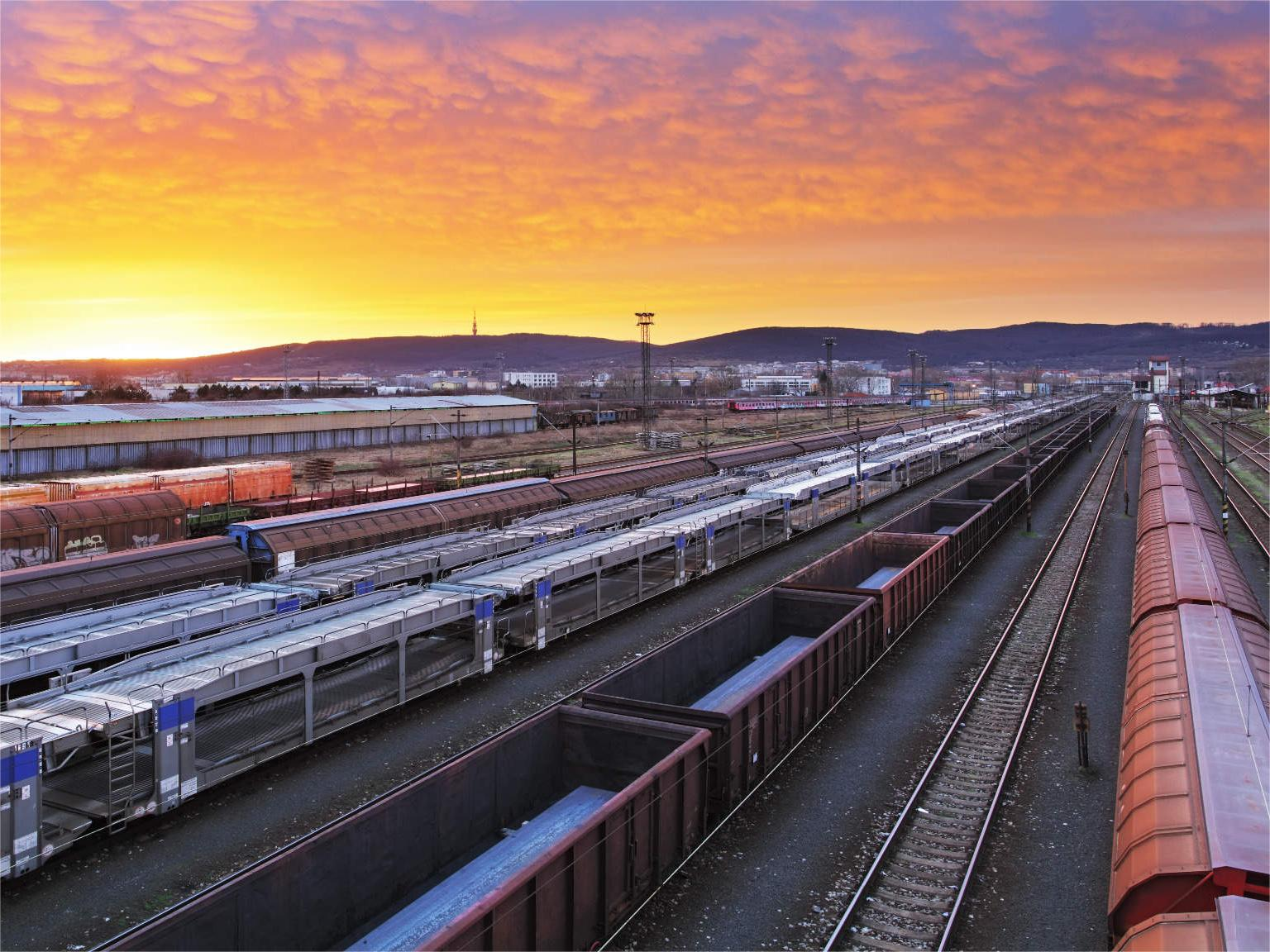
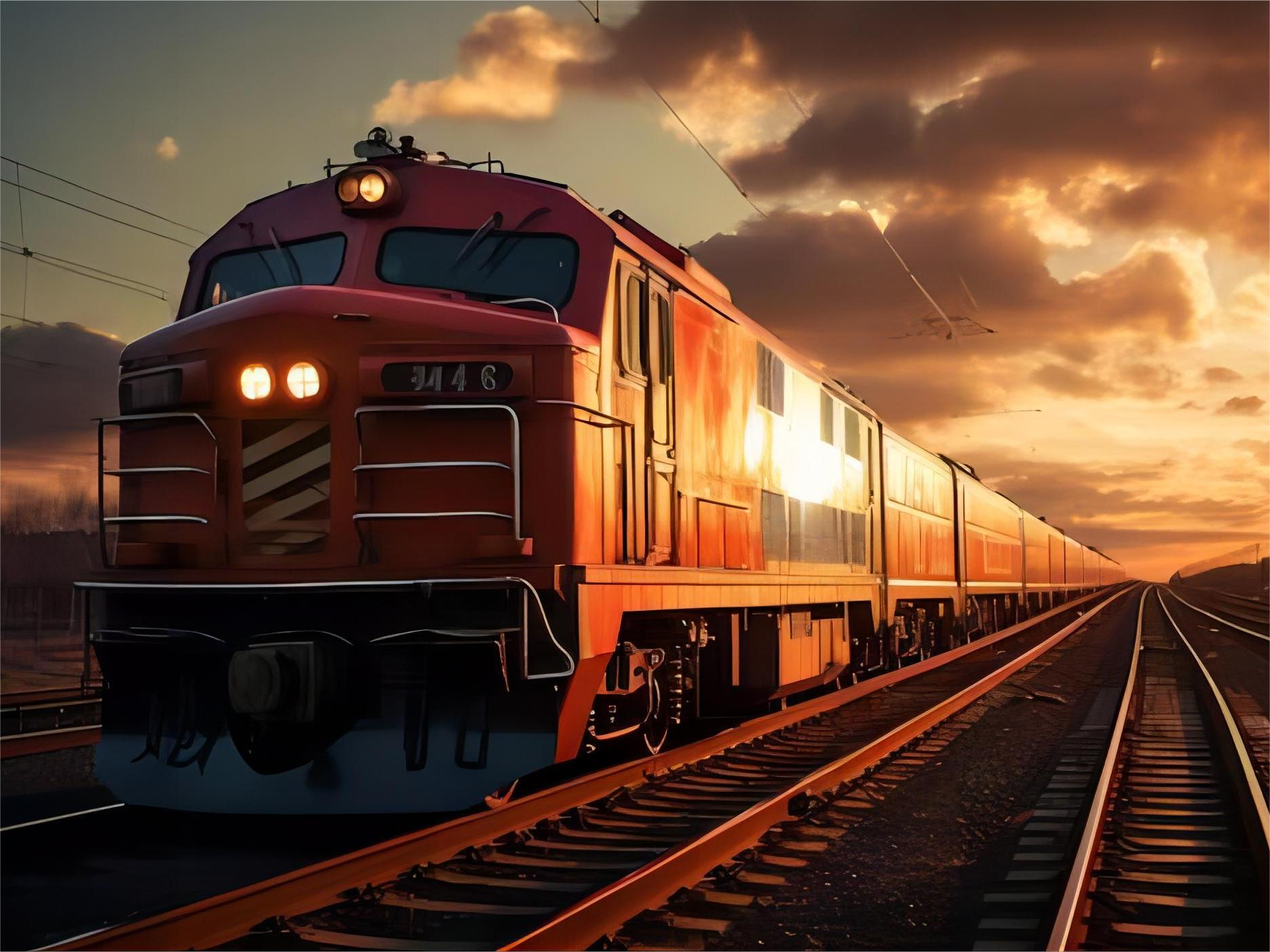
❖Choosing rail freight offers a middle ground between the speed of air and the cost-effectiveness of sea transport. Furthermore, the Iron Silk Road has expanded its capacity, providing a reliable alternative for time-sensitive goods that do not justify air freight costs. Rail services currently connect major Chinese hubs like Xi’an and Chengdu directly to European terminals in Germany and Poland.
Rail transport typically reduces transit times by 50 percent compared to traditional ocean routes. Specifically, a train can complete the journey in 15 to 22 days, whereas a container ship might take 35 to 45 days. This efficiency allows businesses to improve their cash flow by reducing the time capital remains tied up in transit.
Nevertheless, rail freight has specific volume limitations and requires strict adherence to weight distributions. Carriers often prioritize full container loads (FCL) to maximize efficiency, though less than container load (LCL) options are increasingly available for smaller enterprises. Indeed, rail has become the preferred choice for automotive parts and high-end consumer electronics.
| Method | Cost Range | Transit Time | Best For |
|---|---|---|---|
| Sea Freight | Low ($3k-$4.5k) | 35-45 Days | Bulk Goods |
| Rail Freight | Mid ($5k-$7k) | 18-22 Days | Electronics |
| Air Freight | High ($15k+) | 3-7 Days | Urgent Cargo |
| Express | Premium | 2-4 Days | Small Parcels |
Sea Freight: The Backbone of Large Volume Trade
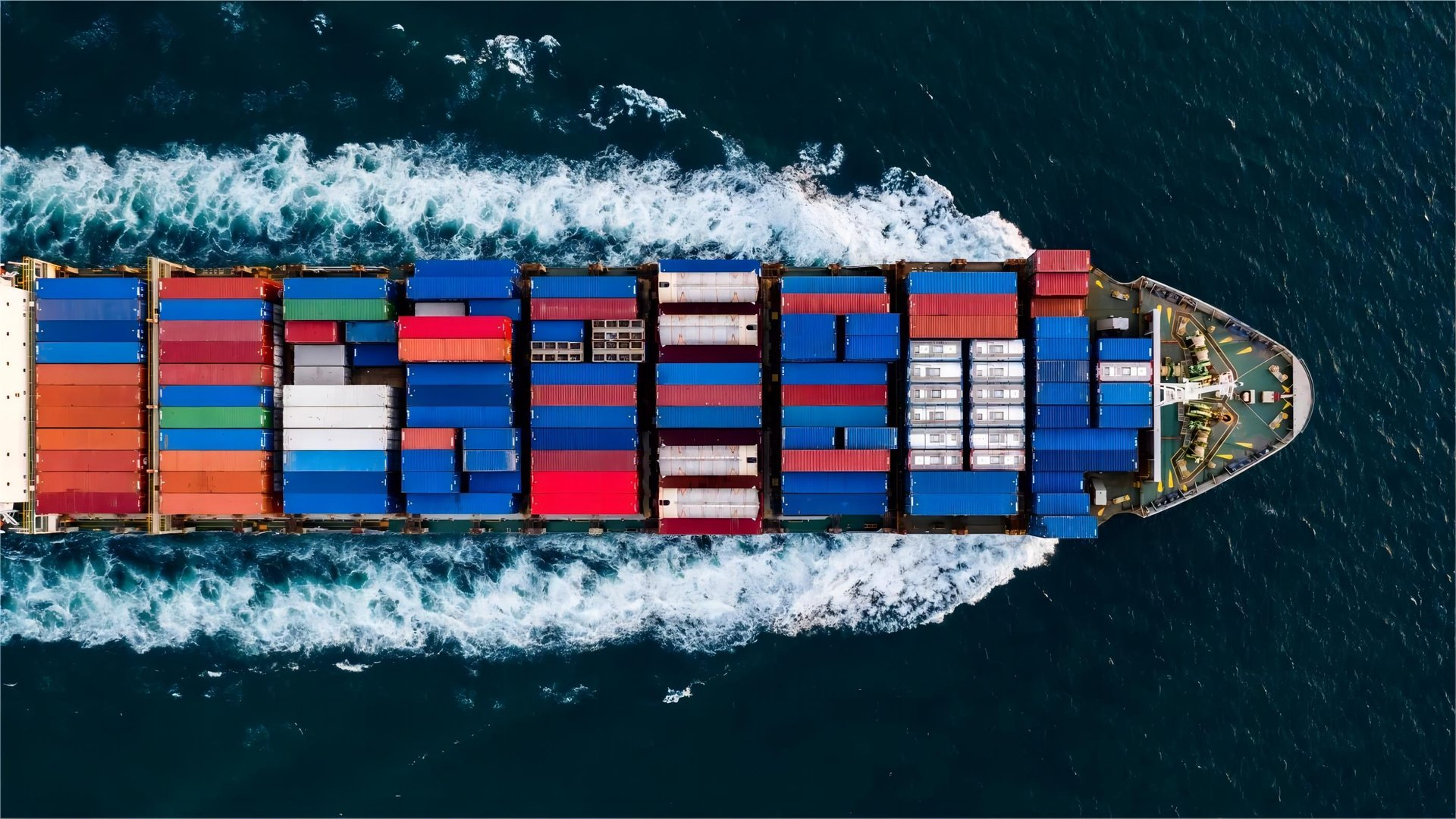
❖Ocean transport remains the primary method for moving massive volumes of goods across the globe. Specifically, sea freight provides the lowest cost per unit for non-urgent shipments. Moreover, modern mega-vessels have improved fuel efficiency, which helps stabilize pricing despite fluctuating energy costs in 2026.
Additionally, the major ports of Shanghai, Ningbo, and Shenzhen continue to serve as the primary exit points for European-bound cargo. Meanwhile, European ports like Rotterdam and Hamburg have implemented automated unloading systems to speed up the discharge process. These advancements significantly reduce the total door-to-door transit time for international importers.
Large-scale retailers often prefer sea freight for its ability to handle oversized or hazardous materials that other modes cannot accommodate. Consequently, maintaining a steady flow of ocean containers is vital for industries like furniture, machinery, and apparel. Most experts recommend booking sea freight at least four weeks in advance to ensure vessel availability.
Navigating the Customs Brokerage Landscape
❖Managing the complexities of international trade requires a deep understanding of the customs brokerage process in both China and the European Union. Moreover, the implementation of new digital customs platforms in 2026 has streamlined document submission but increased the need for data accuracy. Indeed, even a minor error in a commercial invoice can lead to significant delays at the border.
Professional brokers ensure that all goods comply with European safety standards and environmental regulations. For instance, products containing batteries or chemical components must have the correct Material Safety Data Sheets (MSDS) to pass inspection. As a result, partnering with an experienced agent reduces the risk of costly fines and cargo seizures.
Import duties and Value Added Tax (VAT) calculations vary significantly depending on the specific European destination. Therefore, businesses must accurately classify their products using the correct Harmonized System (HS) codes. This classification determines the applicable tax rate and identifies any potential trade restrictions or quotas that might apply.
| Document | Purpose | Required By | Format |
|---|---|---|---|
| Commercial Invoice | Value Declaration | Customs | Digital/Paper |
| Packing List | Cargo Detail | Warehouse | Digital |
| Bill of Lading | Title of Goods | Carrier | Original/Telex |
| Cert. of Origin | Duty Calculation | Customs | Official Form |
Real-World Case Studies: 2026 Logistics Success
❖Examining actual shipping scenarios provides valuable insights into the practical application of cross border logistics china europe. Specifically, these examples highlight how different businesses balance cost and speed to meet their specific market demands. The following cases reflect market conditions as of early 2026.
Logistics strategies often change based on the nature of the cargo and the urgency of the delivery schedule. Finally, these documented outcomes serve as a benchmark for companies looking to optimize their own international shipping operations.
+———————————————————+ | Case Study 1: High-Speed Rail for Electronics | | Route: Shenzhen, China to Hamburg, Germany | | Cargo: Laptop components, 15 CBM, 4500 kg | | Container: LCL (Less than Container Load) | | | | Shipping Details: | | – Carrier: China Railway Express | | – Transit: 20 Days | | – Total Cost: $4,200 | | | | Key Insight: Rail saved 22 days vs sea at 30% of air cost.| +———————————————————+
+———————————————————+ | Case Study 2: Bulk Sea Freight for Retail | | Route: Ningbo, China to Rotterdam, Netherlands | | Cargo: Home Furniture, 68 CBM, 12000 kg | | Container: 40HQ (High Cube) | | | | Shipping Details: | | – Carrier: COSCO Shipping | | – Transit: 38 Days | | – Total Cost: $3,850 | | | | Key Insight: FCL sea freight provided the lowest unit cost.| +———————————————————+
Note: Freight rates are subject to change based on fuel costs, carrier capacity, and seasonal demand. Contact us for a current quote tailored to your specific shipment.
Strategies for Shipping to Europe Efficiently
❖Reducing costs while maintaining speed requires a multi-faceted approach to shipping to Europe. In addition, consolidating smaller shipments into a single larger container can significantly lower the freight rate per cubic meter. Nevertheless, this strategy requires precise coordination with suppliers to ensure all goods are ready for simultaneous dispatch.
Selecting the right Incoterms is another critical factor in managing logistics expenses. For example, using Free On Board (FOB) terms allows the buyer to control the freight costs and choose their preferred carrier. In contrast, Cost, Insurance, and Freight (CIF) terms place more control in the hands of the seller, which may result in higher overall costs for the importer.
Digital tools now allow shippers to compare multiple routes and modes instantly. As a result, businesses can switch between rail and sea freight based on real-time port congestion data. This flexibility is essential for maintaining a resilient supply chain in the dynamic trade environment of 2026.
Which Option Should You Choose? A Decision Framework
❖Selecting the optimal shipping method depends on your specific priorities regarding budget, speed, and cargo type. Ultimately, door to door services provide the highest level of convenience by managing every step from the factory floor to the final warehouse. This comprehensive solution is ideal for businesses that lack an in-house logistics department.
Volume thresholds often dictate the most economical choice. For instance, shipments exceeding 15 cubic meters usually justify the cost of a full 20GP container. Conversely, smaller shipments are better suited for LCL services or international express options if the deadline is exceptionally tight.
Therefore, we recommend a hybrid approach for many modern enterprises. Specifically, you might use sea freight for your core inventory and supplement with rail or air freight for high-demand items or emergency restocks. This balanced strategy ensures that you never run out of stock while keeping your average landed cost as low as possible.
Mastering the Future of China-Europe Trade
Successfully managing cross border logistics china europe requires a proactive approach to route selection and customs compliance. As we have seen, the landscape in 2026 offers more diversity than ever, with rail freight providing a powerful alternative to traditional sea and air modes.
By understanding the cost-benefit trade-offs and leveraging modern digital tools, businesses can build resilient supply chains that withstand market fluctuations. Moreover, the integration of professional brokerage services ensures that goods move smoothly across international borders without unnecessary delays.
Ultimately, the key to success in cross border logistics china europe lies in choosing a reliable partner who understands the nuances of both the origin and destination markets. Start planning your next shipment today to secure the best rates and transit times for your cargo.
Ready to streamline your logistics?
Optimize your cross border logistics china europe strategy today by requesting a personalized quote. Our team of experts is ready to streamline your supply chain and reduce your transit times. Visit our inquiry page to get started with a professional consultation tailored to your 2026 business goals. Send Inquiry at https://alibabaforwarder.com/
Request Quote