

Global Shipping From China Service: 2026 Guide to Logistics
Securing a reliable global shipping from china service is essential for businesses aiming to maintain a competitive edge in the 2026 international market. Many importers struggle with fluctuating freight rates and complex regulatory requirements that can delay essential cargo. However, by partnering with an experienced logistics provider, you can streamline your operations and ensure your products reach their destination efficiently.
What are the Primary Options for a Global Shipping From China Service?
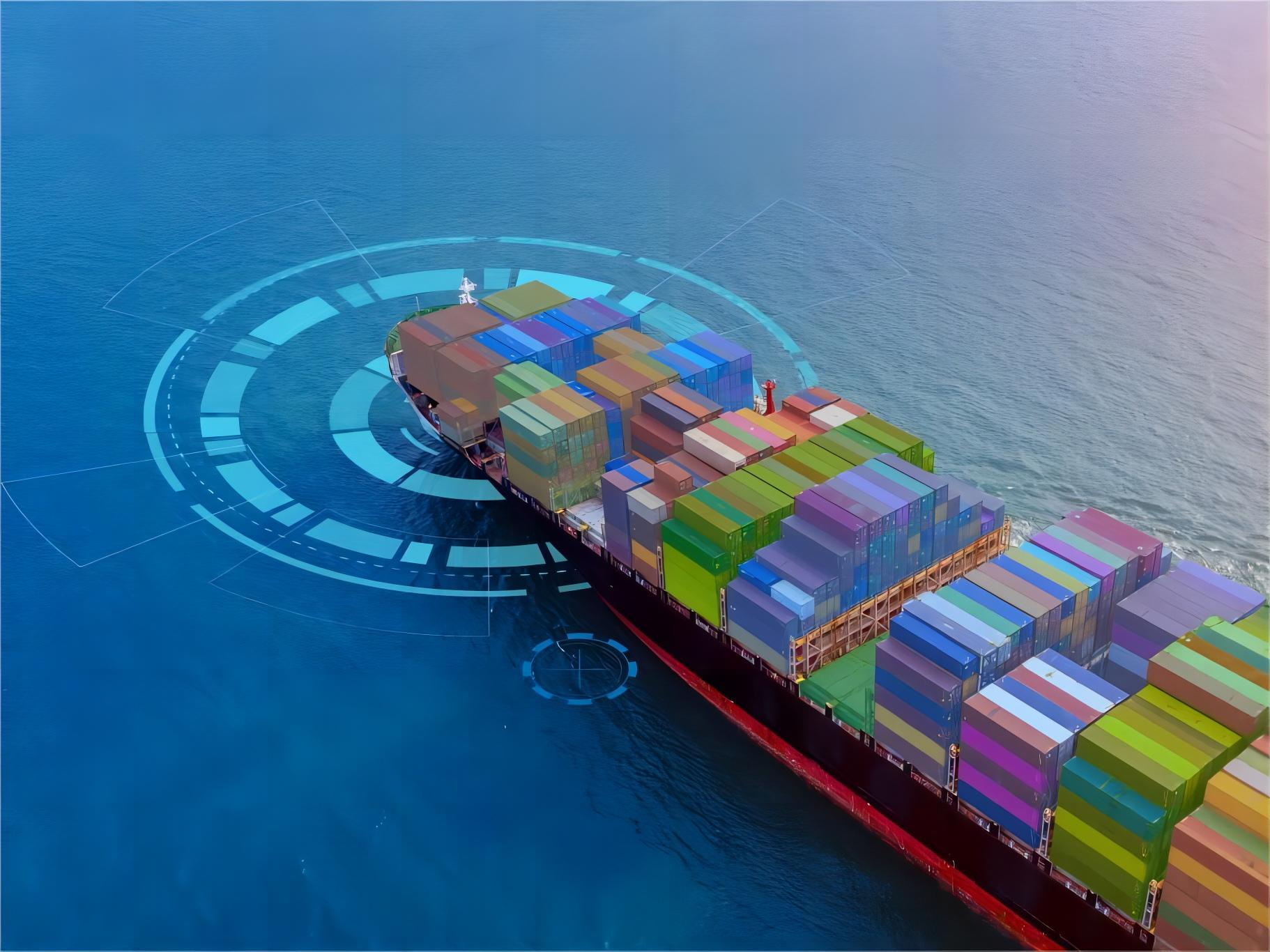
Choosing the right transportation mode is the first critical step in managing your international supply chain. For most businesses, sea freight remains the most cost-effective method for transporting high-volume goods. Consequently, companies often plan their inventory cycles around the longer transit times associated with ocean transport to maximize their profit margins.
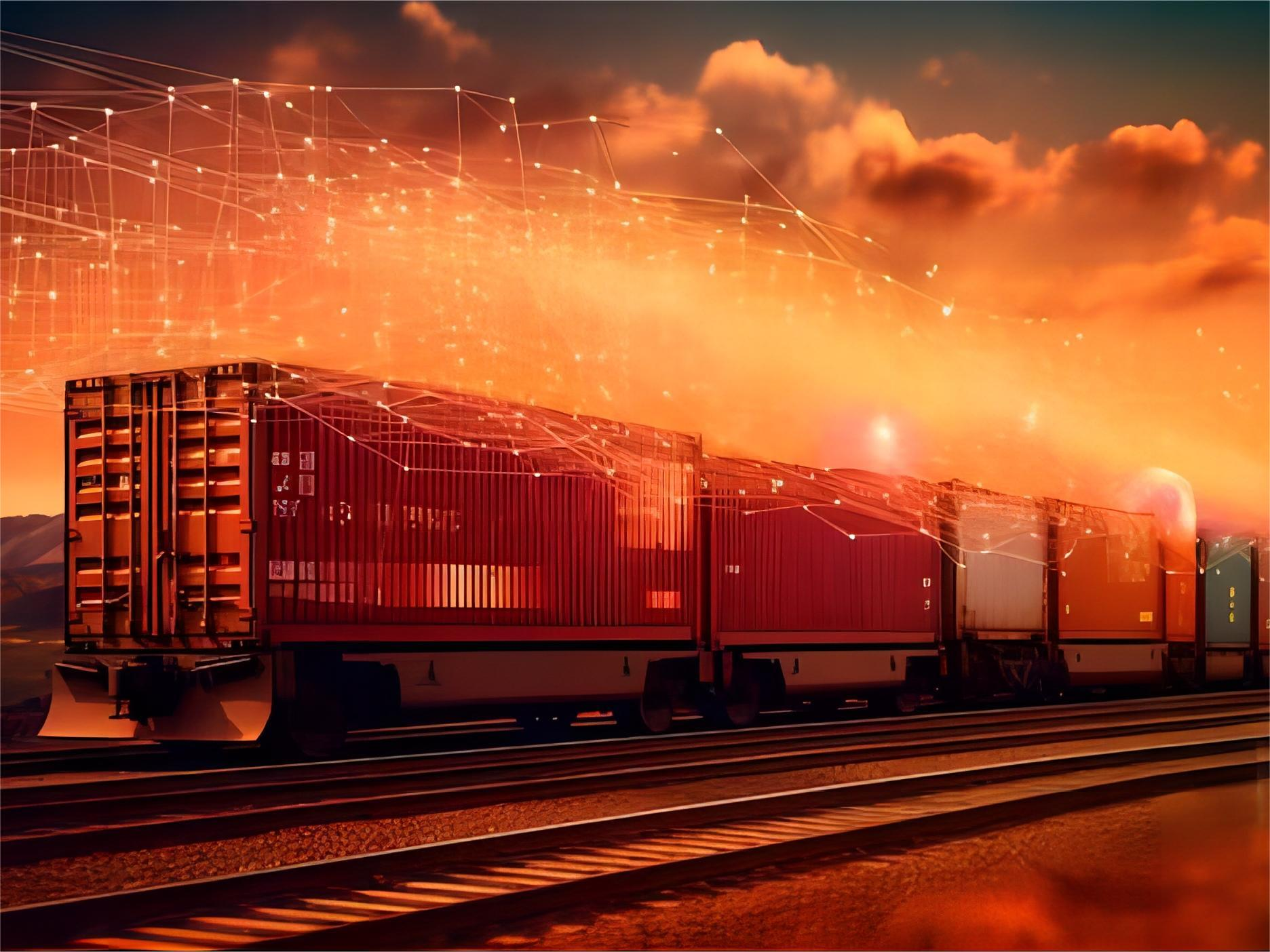
Moreover, air freight offers a significantly faster alternative for time-sensitive shipments or high-value electronics. Although the costs are higher, the reduction in lead time can be vital for product launches or urgent restocking needs. Meanwhile, rail freight has emerged as a balanced middle ground for shipments heading to Europe, offering faster speeds than sea and lower costs than air.
Specifically, the choice depends on your budget, cargo volume, and the urgency of the delivery schedule. To help you decide, we have compiled a comparison of the primary shipping methods available in 2026.
| Method | Transit Time | Cost Level | Best For |
|---|---|---|---|
| Sea Freight | 20-40 Days | Low | Bulk items, large volume |
| Air Freight | 3-7 Days | High | Electronics, urgent goods |
| Rail Freight | 15-22 Days | Moderate | Mid-sized cargo to Europe |
| Express | 2-5 Days | Very High | Small parcels, samples |
How Does Sea Freight Compare to Other Shipping Options?
When evaluating a global shipping from china service, ocean transport is often compared against air and rail for efficiency. While sea freight costs approximately 2,000 to 4,000 USD for a 40HQ container in 2026, air freight for the same volume would be prohibitively expensive. Therefore, sea freight is the standard for most consumer goods and industrial equipment.
In contrast, for shipments under 15 CBM, Less than Container Load (LCL) options at 60 to 90 USD per CBM may be more economical than booking a full container. This flexibility allows smaller businesses to access global markets without the need for massive inventory investments. Furthermore, direct shipping routes now save up to 7 days compared to older transshipment models via Singapore.
Nevertheless, businesses must account for port congestion and seasonal peaks that can impact ocean transit times. For instance, the August to October peak season typically sees a 20 percent increase in freight rates due to holiday demand. Accordingly, booking at least 3 weeks in advance is recommended to secure space and stable pricing.
| Shipping Method | Cost Range | Transit Time | Limitations |
|---|---|---|---|
| FCL (Full Container) | 1,500 – 5,500 USD | 14-35 Days | Requires high volume |
| LCL (Shared) | 50 – 100 USD/CBM | 20-40 Days | Higher risk of damage |
| Sea-Air Hybrid | Variable | 10-18 Days | Complex coordination |
Navigating Customs Brokerage and Compliance in 2026
Managing the legal requirements of international trade is perhaps the most daunting aspect of global logistics. Utilizing a professional customs brokerage service ensures that all documentation is accurate and compliant with local laws. Consequently, you avoid costly fines and lengthy delays at the border that could jeopardize your customer relationships.
Moreover, the 2026 regulatory landscape requires detailed harmonized system (HS) codes and proof of origin for most imports. Failure to provide these documents can result in cargo being held indefinitely or even seized by authorities. In addition, duties and taxes must be calculated precisely to avoid unexpected financial burdens upon arrival.
Therefore, working with a partner who understands the nuances of the import/export process is crucial. They can provide a customs documents checklist, including the commercial invoice, packing list, and bill of lading. Indeed, proactive compliance is the best strategy for maintaining a smooth and predictable supply chain.
Why Choose a Door to Door Logistics Strategy?
A door to door service simplifies the entire shipping process by managing every step from the factory to the warehouse. Instead of coordinating multiple carriers and agents, you have a single point of contact for the entire journey. As a result, this integrated approach reduces the risk of communication errors and logistical bottlenecks.
Additionally, this service often includes local trucking, warehousing, and final-mile delivery in the destination country. For many e-commerce sellers, this is the most efficient way to manage inventory without needing a physical presence in China. Consequently, you can focus on marketing and sales while the logistics experts handle the heavy lifting.
Furthermore, modern tracking technology allows you to monitor your shipment in real-time throughout its journey. This transparency provides peace of mind and allows for better planning of retail operations. Without a doubt, a comprehensive door to door solution is the most convenient option for growing businesses.
Shipping to Major Regions: North America, Europe, and Australia
The requirements for shipping from China vary significantly depending on the destination region. For shipments to North America, transit times to the West Coast are typically faster than those to the East Coast. Specifically, shipping to Los Angeles might take 16 days, whereas New York could require over 30 days via the Panama Canal.
Meanwhile, logistics routes to Europe have stabilized in early 2026 following previous disruptions. Most cargo arrives at major hubs like Rotterdam or Hamburg before being distributed across the continent via rail or truck. Interestingly, rail freight remains a popular alternative for land-locked European countries seeking faster delivery than ocean transport.
Finally, shipping to Australia offers some of the shortest transit times from China due to geographical proximity. Most shipments reach major ports like Sydney or Melbourne within 12 to 18 days. However, Australian biosecurity regulations are exceptionally strict, requiring meticulous cleaning and documentation for all imported goods.
Real Case Studies: Successful Global Shipping Scenarios
Reviewing real-world examples can provide valuable insights into the costs and timelines you can expect for your own shipments. These cases reflect actual market conditions as of early 2026. Please note that freight rates are subject to change based on fuel costs, carrier capacity, and seasonal demand. Contact us for a current quote tailored to your specific shipment.
Case Study 1: Electronics to the United States. Route: Shenzhen to Los Angeles. Cargo: 500kg of high-end tablets. Method: Air Freight. Total Landed Cost: 4,200 USD. Transit Time: 5 days. Key Insight: Choosing air freight allowed the client to meet a strict product launch deadline despite manufacturing delays.
Case Study 2: Furniture to Germany. Route: Ningbo to Hamburg. Cargo: 40HQ Container of home office furniture. Method: Sea Freight (FCL). Total Landed Cost: 5,100 USD. Transit Time: 34 days. Key Insight: Booking 4 weeks in advance secured a lower rate during the Q3 peak season.
Case Study 3: Auto Parts to Australia. Route: Shanghai to Sydney. Cargo: 8 CBM of engine components. Method: Sea Freight (LCL). Total Landed Cost: 1,850 USD. Transit Time: 15 days. Key Insight: LCL was the most economical choice for this volume, saving the client 60 percent compared to air freight.
Which Global Shipping Option Should You Choose?
Determining the best shipping method requires a careful analysis of your specific business needs and priorities. If your primary goal is cost reduction and you have flexible timelines, sea freight is almost always the best recommendation. However, if speed is your absolute priority to prevent stockouts, air freight or express services are necessary.
For those seeking a balance, hybrid solutions like rail-sea or sea-air combinations can offer moderate costs with improved transit times. You should also consider the nature of your cargo; fragile or perishable items often require the speed and specialized handling of air transport. Consequently, evaluating volume thresholds is essential for deciding between LCL and FCL shipping.
Ultimately, the right choice depends on your long-term supply chain strategy and current market conditions. We recommend consulting with a logistics expert to analyze your shipping history and identify potential cost-saving opportunities. In addition, always ensure you have comprehensive cargo insurance to protect your investment against unforeseen transit risks.
Mastering Your Global Shipping Strategy
In conclusion, navigating the world of international logistics requires a clear understanding of the various methods and regulations involved. Whether you choose sea, air, or rail, the success of your global shipping from china service depends on planning and partnership. By staying informed about market trends and utilizing professional brokerage services, you can ensure a reliable flow of goods to your customers.
Furthermore, the flexibility to adapt to changing freight rates and transit times will define the most successful businesses in 2026. We encourage you to leverage the expertise of a dedicated freight forwarder to navigate these complexities. Start building a more resilient supply chain today by choosing the right logistics path for your unique needs.
Need a tailored shipping solution?
Ready to optimize your supply chain with a professional global shipping from china service? Our team is standing by to provide you with a competitive quote and expert guidance for your 2026 logistics needs. Contact us today to learn how we can simplify your international trade operations. Send Inquiry: Visit https://alibabaforwarder.com/