


Customs Clearance Freight China Europe: 2026 Logistics Guide
Successfully managing customs clearance freight china europe requires a deep understanding of evolving trade regulations and logistics efficiency. At DSV-Freight, we provide the expertise needed to navigate complex import requirements while ensuring your cargo reaches its destination without unnecessary delays. As we move into 2026, businesses must adapt to new digital customs frameworks and shifting global supply chain dynamics to maintain a competitive edge.
What is the Current State of China to Europe Logistics in 2026?
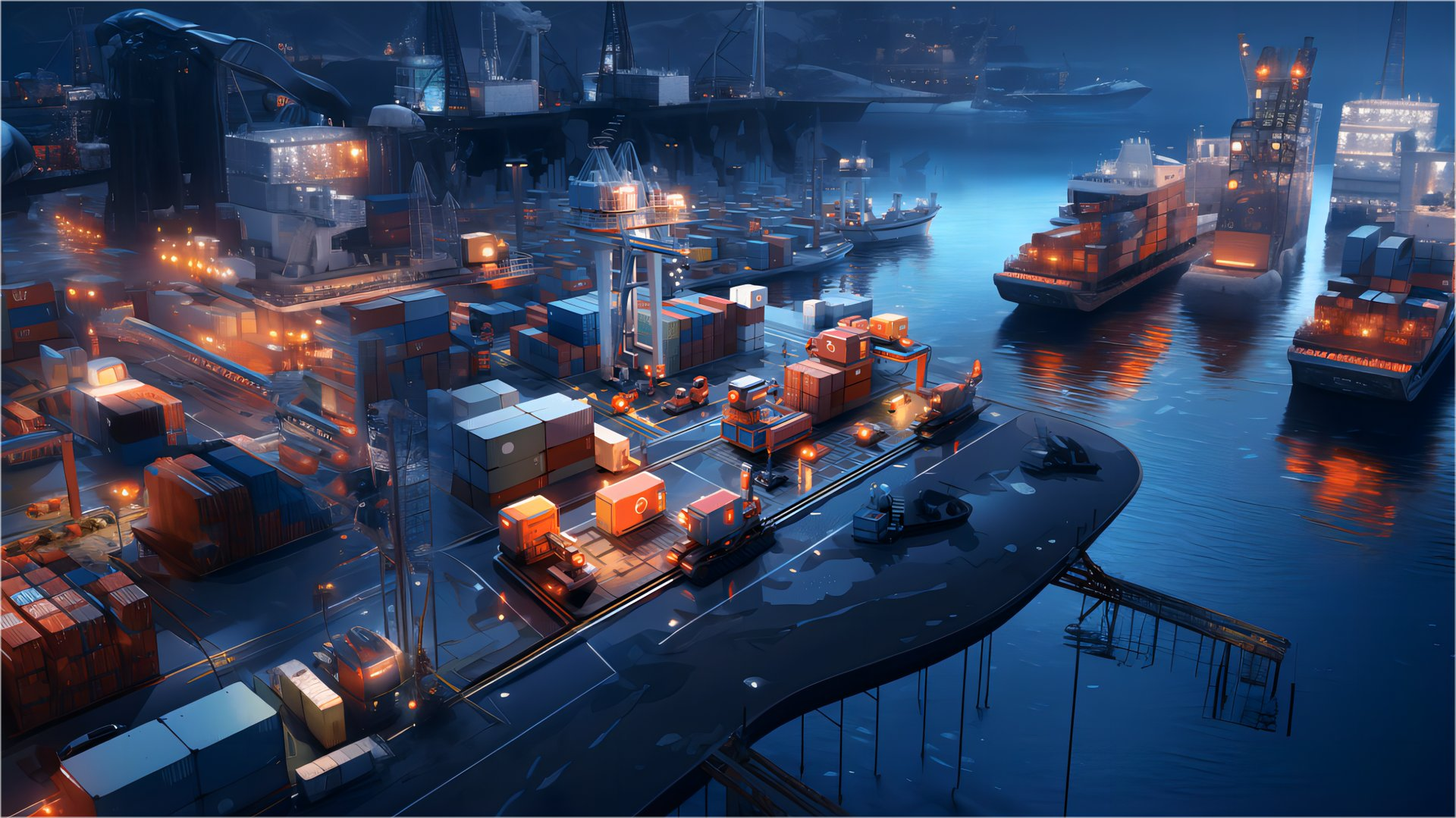
Global trade routes have stabilized significantly following the disruptions observed in previous years. Consequently, shippers now benefit from more predictable schedules and refined customs protocols across the European Union. Digitalization has become the cornerstone of modern logistics, with the EU Customs Data Hub streamlining how information is processed.
Moreover, the integration of AI-driven risk assessment tools has accelerated the speed of clearance for compliant businesses. However, staying updated on the latest Tariff preferences and environmental regulations remains essential for cost management. Shippers who prioritize transparency in their documentation typically experience 30 percent fewer inspections at the border.
Furthermore, environmental mandates like the Carbon Border Adjustment Mechanism are now fully integrated into the import process. Therefore, calculating the carbon footprint of your shipping from China to Europe is no longer optional but a regulatory requirement. Businesses must now account for these costs in their initial landed cost calculations.
Key Documents Required for Customs Clearance Freight China Europe
Accurate documentation serves as the foundation for any successful international shipment. Specifically, the Commercial Invoice and Packing List must match the physical cargo exactly to avoid penalties. In addition, an Economic Operators Registration and Identification number is mandatory for all entities trading with the EU.
Additionally, the Bill of Lading or Waybill acts as the contract of carriage and title to the goods. Without a doubt, errors in the Harmonized System codes are the leading cause of customs delays and unexpected duty charges. For instance, a single digit error in a code can result in a 10 percent increase in applied tariffs.
Meanwhile, certificates of origin may be required to prove the manufacture location and qualify for specific trade agreements. Indeed, maintaining a digital repository of these documents ensures that your customs broker can act quickly when the cargo arrives. Preparation is the most effective strategy for mitigating risks during the clearance phase.
| Document Type | Purpose | Required By | Digital Format |
|---|---|---|---|
| Commercial Invoice | Valuation and Duty | Customs Authority | Yes (EDI) |
| Packing List | Cargo Verification | Port Authorities | Yes |
| EORI Number | Entity Identification | EU Member States | Yes |
| HS Code | Product Classification | Global Standard | Yes |
How Does Sea Freight Compare to Other Shipping Options?
Choosing the right transport mode depends heavily on your budget and required delivery speed. While sea freight remains the most economical choice for large volumes, it involves the longest transit times. In contrast, air freight offers unmatched speed but comes at a significantly higher price point.
Furthermore, rail freight has emerged as a reliable middle ground for many importers. It offers faster transit than sea and lower costs than air, making it ideal for high-value electronics or seasonal fashion. Nevertheless, each method has specific customs procedures that must be followed strictly.
As a result, many businesses now utilize a multi-modal approach to balance costs and speed. For example, combining sea transport to a major hub with final delivery via express road freight can optimize the supply chain. This flexibility allows companies to respond to market demand changes in real-time.
| Method | Cost Range (USD) | Transit Time | Best For |
|---|---|---|---|
| Sea Freight (40HQ) | $3,200 – $4,500 | 30-40 Days | Bulk Goods |
| Rail Freight (FCL) | $4,500 – $6,000 | 18-24 Days | Electronics |
| Air Freight (per kg) | $4.50 – $7.00 | 5-8 Days | Urgent Cargo |
| Express Service | $8.00 – $12.00 | 3-5 Days | Small Samples |
Which Option Should You Choose? Decision Framework
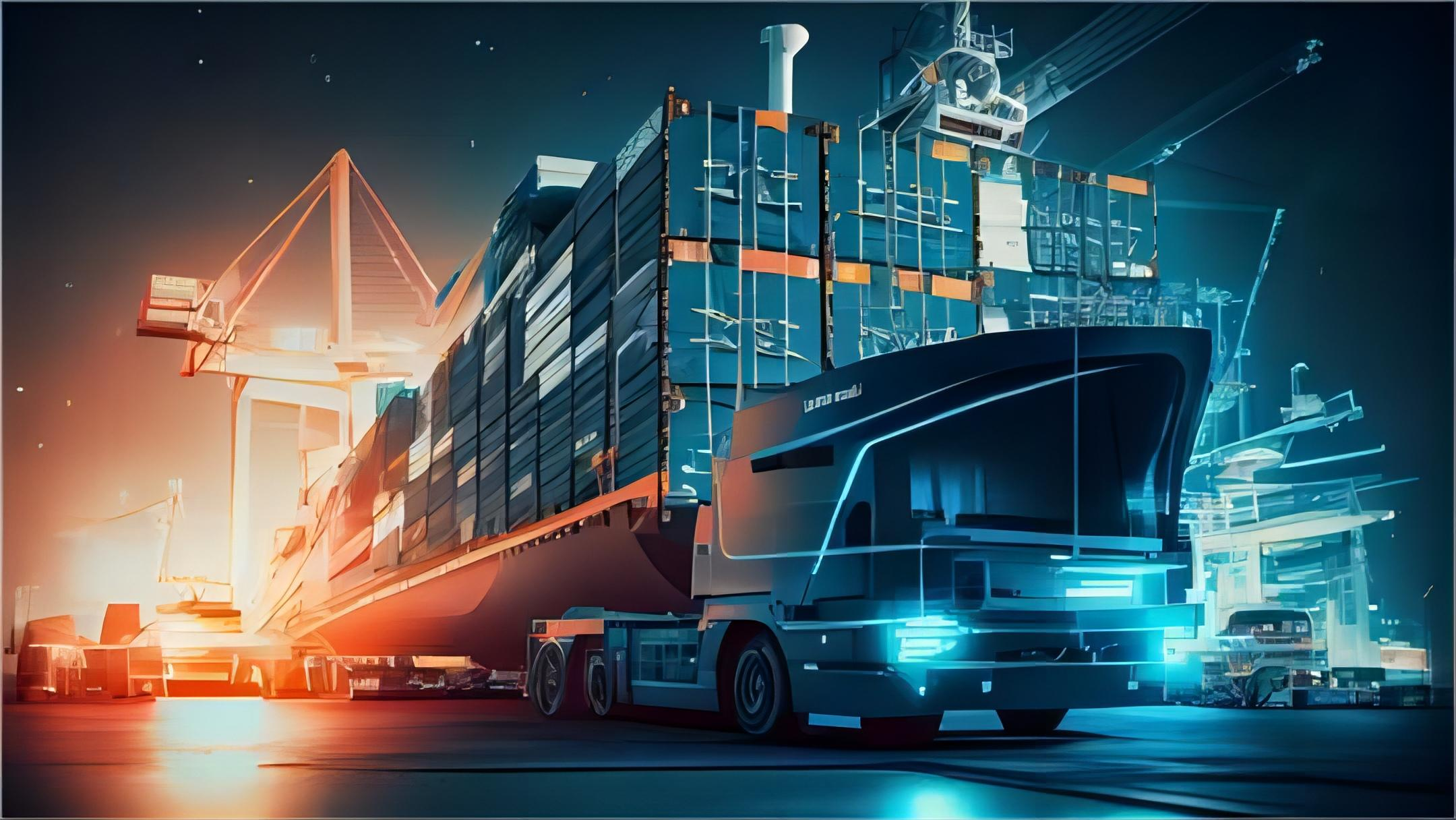
Decision making in logistics requires a clear set of priorities based on your specific business needs. If your primary goal is cost reduction, sea freight is almost always the superior choice for shipments over 15 cubic meters. On the other hand, if you are launching a new product and need it in stores within two weeks, air freight is necessary.
Additionally, consider the nature of your cargo when selecting a method. Perishable items or highly sensitive medical equipment require the speed and climate control of air freight. Conversely, durable consumer goods like furniture or machinery are better suited for sea or rail transport.
Consequently, you should evaluate the total landed cost rather than just the shipping rate. This includes duties, taxes, insurance, and the cost of capital tied up in inventory during transit. To summarize, a balanced logistics strategy often incorporates multiple shipping modes to mitigate risks.
Alternative Strategies for China-Europe Trade
Innovative shippers often look beyond traditional direct routes to find efficiency. One popular alternative is the sea-air hybrid solution, which typically transships via hubs like Dubai or Singapore. This method can save up to 40 percent compared to pure air freight while being twice as fast as sea shipping.
Moreover, utilizing rail freight through the Middle Corridor is gaining traction as an alternative to the traditional Northern route. This path avoids certain geopolitical complexities and offers competitive transit times to Southern Europe. Indeed, diversification of routes is a key strategy for supply chain resilience in 2026.
Furthermore, small and medium enterprises often benefit from Less than Container Load (LCL) services. Instead of paying for a full container, you share space with other shippers, paying only for the volume you use. For instance, LCL rates currently range from $60 to $90 per cubic meter depending on the destination port.
Real-World Case Studies: 2026 Shipping Scenarios
Case Study 1: Large Scale Industrial Machinery. Route: Shanghai, China to Rotterdam, Netherlands. Cargo: 3 x 40HQ Containers. Method: Sea Freight via COSCO. Ocean Freight: $11,400. Origin/Destination Charges: $1,800. Customs and Duties: $4,200. Total Landed Cost: $17,400. Sea Transit: 33 days. Total Door-to-Door: 42 days. Key Insight: Early booking and accurate HS coding prevented port storage fees.
Case Study 2: High-Value Consumer Electronics. Route: Chengdu, China to Warsaw, Poland. Cargo: 15 CBM LCL. Method: Rail Freight. Total Cost: $3,200. Transit Time: 21 days. Key Insight: Rail provided the necessary speed for a product launch at half the cost of air freight.
Case Study 3: Urgent Apparel Samples. Route: Shenzhen, China to Paris, France. Cargo: 500kg. Method: Express Service. Total Cost: $4,250. Transit Time: 4 days. Key Insight: Priority clearance ensured the samples arrived in time for a major fashion show despite peak season congestion.

The Role of a Customs Broker in Freight Logistics
Professional customs brokers act as the intermediary between your business and the government authorities. They possess the technical knowledge to navigate complex tariff schedules and ensure compliance with all local laws. Consequently, hiring a broker can prevent costly mistakes and legal complications.
In addition, brokers often provide valuable advice on duty deferment programs and VAT accounting. For example, using a postponed VAT accounting system in certain European countries can significantly improve your cash flow. Without a doubt, their expertise is an investment in the smooth operation of your international trade.
Meanwhile, modern brokers utilize integrated software that connects directly with customs systems. This allows for real-time tracking of your clearance status and immediate notification of any issues. Therefore, selecting a forwarder with strong customs brokerage capabilities is vital for Europe-bound freight.
Cost-Saving Strategies for 2026 Shipments
Reducing your logistics spend requires a proactive approach to planning and execution. Firstly, consolidating multiple small shipments into a single FCL can save thousands in handling fees. Secondly, optimizing your packaging to maximize container utilization reduces the cost per unit significantly.
Moreover, negotiating long-term contracts with freight forwarders can provide price stability in a volatile market. Shippers who provide consistent volume are often rewarded with lower rates and priority space allocation. Additionally, auditing your previous customs entries can often reveal opportunities for duty drawbacks or corrections.
Finally, always request a comprehensive quote that includes all potential surcharges. Hidden fees like fuel adjustment factors or peak season surcharges can quickly erode your profit margins. To summarize, transparency and data-driven decision making are the best tools for cost control.
Final Thoughts on Navigating China-Europe Freight
Mastering customs clearance freight china europe is a continuous process of learning and adaptation. As we have seen, the combination of correct documentation, the right shipping method, and professional guidance is essential for success. Transitioning to more digital and sustainable practices will further enhance your supply chain efficiency in 2026.
Ultimately, the goal is to create a resilient logistics network that can withstand global shifts while maintaining profitability. By implementing the strategies discussed in this guide, you can ensure your cargo moves across borders with minimal friction. Always remember that proactive planning is the most effective way to manage the complexities of international shipping.
Note: Freight rates are subject to change based on fuel costs, carrier capacity, and seasonal demand. Contact us for a current quote tailored to your specific shipment.
Ready to streamline your logistics?
Streamline your international trade today by partnering with experts in customs clearance freight china europe. Contact DSV-Freight for a customized quote and experience seamless logistics tailored to your business needs. Send Inquiry
Request Quote