

Door to Door Cargo Service China Global: 2026 Logistics Guide
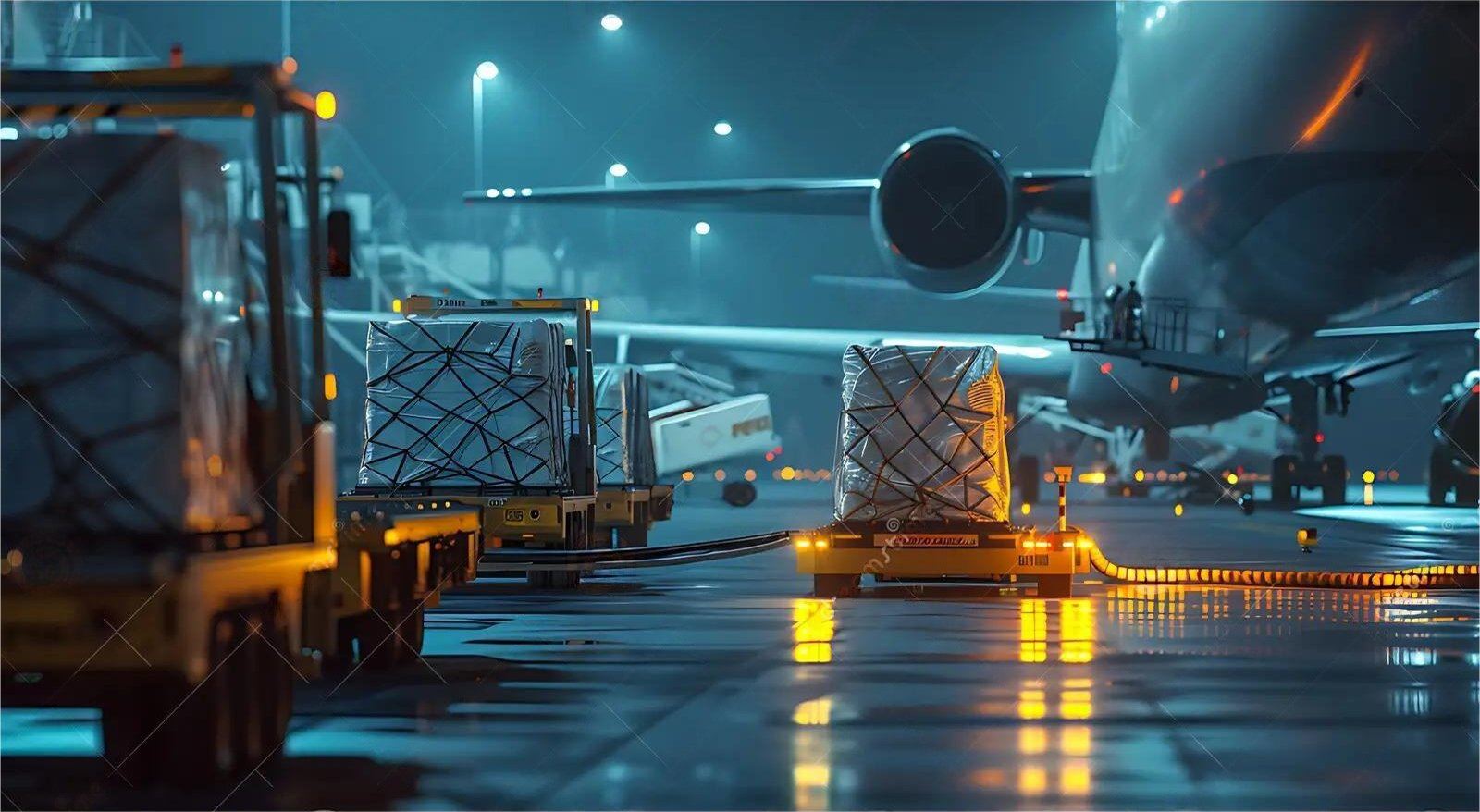
“Navigating the complexities of international trade requires a robust strategy, especially when utilizing a door to door cargo service china global to streamline operations. Many businesses struggle with fragmented logistics that cause delays and unexpected costs at various transit points. Consequently, adopting an end-to-end solution ensures that your products move efficiently from the manufacturing hub in China directly to your warehouse or customer door.”
What is Door to Door Cargo Service China Global?
❖A comprehensive door to door logistics model manages every stage of the shipping journey under a single point of contact. This service encompasses pickup from the supplier, export documentation, international transit, customs clearance, and final mile delivery. Furthermore, it eliminates the need for importers to coordinate with multiple local truckers and international carriers separately.
Shippers benefit from increased transparency as the entire movement is tracked through a unified system. Meanwhile, the service provider assumes responsibility for handling complex local regulations in both the origin and destination countries. Therefore, businesses can focus on sales and growth rather than managing the granular details of freight movement.
Modern logistics providers now integrate advanced digital tracking to provide real-time updates on cargo status. Indeed, this level of visibility is essential for maintaining a lean inventory and meeting tight production deadlines. Additionally, the integration of all services into one package often results in more predictable pricing structures for the end user.
Why Choose a Door to Door Cargo Service China Global in 2026?
❖Market conditions in early 2026 have stabilized following the logistical shifts observed during the previous year. Specifically, freight rates from China to major global hubs have reached a new equilibrium, allowing for more accurate budgeting. Choosing an all-inclusive service during this period helps mitigate the risks of fluctuating fuel surcharges and port congestion fees.
Global trade remains highly competitive, making delivery speed and reliability critical differentiators for e-commerce and manufacturing firms. Moreover, the complexity of international customs laws has increased, requiring specialized knowledge to avoid costly compliance errors. Consequently, professional cargo services provide the necessary expertise to navigate these evolving regulatory landscapes.
Environmental regulations have also become a significant factor in 2026 shipping strategies. Many providers now offer carbon-offsetting options and more fuel-efficient routing as part of their standard door-to-door packages. As a result, businesses can meet their sustainability goals while maintaining an efficient supply chain.
How Does Door to Door Compare to Other Shipping Options?
❖Evaluating the trade-offs between different shipping methods is vital for cost-effective logistics management. While port-to-port services might appear cheaper initially, they often hide additional costs related to local trucking and warehouse handling. On the other hand, door-to-door solutions provide a fixed landed cost that simplifies financial planning.
Different cargo types require specific handling and transit speeds to remain viable in the market. For instance, high-value electronics demand the security of air transit, whereas bulk furniture is better suited for ocean containers. Understanding these nuances allows managers to select the most appropriate method for their specific inventory requirements.
Below is a comparison of the primary shipping methods available for global routes from China as of early 2026.
| Sea Freight (FCL) | $1,800 – $5,500 | 18 – 40 Days | Bulk Goods |
| Air Freight | $5.50 – $12.00/kg | 3 – 7 Days | High Value |
| Rail Freight | $1,200 – $2,200 | 15 – 22 Days | Mid-sized Cargo |
| Express Service | $8.00 – $15.00/kg | 2 – 5 Days | Samples |
Strategic Advantages of Air and Sea Freight
❖Choosing between sea freight and other modes depends heavily on your volume and budget constraints. Ocean transport remains the most economical choice for large shipments, offering significant savings for businesses moving full container loads. Nevertheless, the longer transit times require careful planning to ensure stock levels remain consistent.
Alternatively, air freight provides the rapid turnaround times necessary for seasonal peaks or urgent replenishment. While the cost per kilogram is higher, the reduction in inventory holding costs can often justify the investment. Furthermore, air transport offers enhanced security for sensitive or perishable items.
Hybrid solutions, such as sea-air combinations, have also gained popularity in 2026. These routes utilize ocean transit for the first leg and air for the final leg to balance cost and speed. Thus, companies can achieve faster delivery than pure sea freight without the full expense of air transport.
Navigating Customs Brokerage and Compliance
❖Effective customs brokerage is a cornerstone of any successful global cargo service. Errors in documentation can lead to significant delays, fines, or even the seizure of goods by port authorities. Therefore, having a dedicated professional handle the tariff classifications and duty payments is essential for smooth operations.
Customs regulations are frequently updated to reflect new trade agreements and security protocols. Indeed, staying compliant requires constant monitoring of both Chinese export laws and the import rules of the destination country. Consequently, an integrated door-to-door service includes this expertise as part of the standard offering.
Documentation requirements vary significantly depending on the nature of the goods and the destination. Shippers must ensure that all commercial invoices, packing lists, and certificates of origin are perfectly aligned. Additionally, specialized cargo like chemicals or electronics may require additional permits from government agencies.
| Commercial Invoice | Value Declaration | All Shipments | 1 Day |
| Packing List | Content Verification | All Shipments | 1 Day |
| Bill of Lading | Title of Goods | Sea Freight | 2-3 Days |
| Certificate of Origin | Tariff Reduction | Specific Countries | 3-5 Days |
Rail Freight and Land-Based Logistics Trends
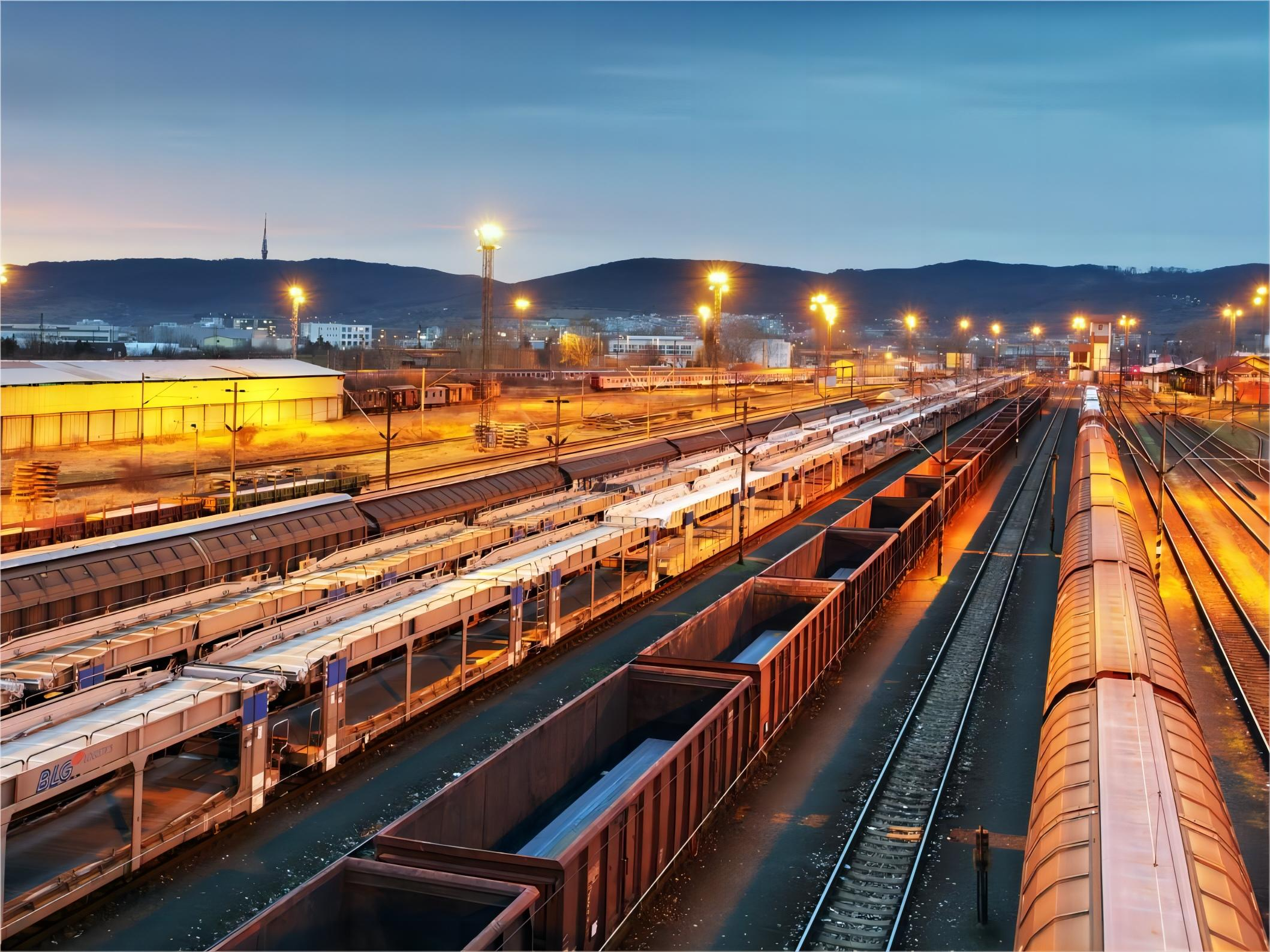
❖Utilizing rail freight offers a strategic middle ground for shipments traveling from China to Europe or Central Asia. This mode is significantly faster than sea freight while remaining much more affordable than air transport. However, rail options are generally not available for routes to North America or Australia due to geographical constraints.
Infrastructure improvements across the Eurasian land bridge have increased the reliability and frequency of rail departures in 2026. Moreover, rail transport produces fewer emissions per ton-kilometer compared to air or road transport. As a result, it is becoming a preferred choice for eco-conscious businesses operating in the European market.
Container tracking for rail shipments has also seen technological advancements, providing better visibility during the long transit across multiple borders. Meanwhile, specialized refrigerated containers now allow for the transport of temperature-sensitive goods via rail. Consequently, the versatility of land-based cargo solutions continues to expand.
Optimizing Amazon FBA and E-commerce Shipping
❖Managing Amazon FBA logistics requires strict adherence to specific labeling and packaging standards. Failure to comply with these rules can result in shipments being rejected at the fulfillment center, leading to lost sales and extra fees. Therefore, a specialized door-to-door service that understands Amazon requirements is invaluable for online retailers.
Sellers often utilize a mix of shipping methods to manage their inventory levels throughout the year. For instance, they might use sea freight for initial stock and air express for quick restocks during high-demand periods. Additionally, third-party logistics (3PL) providers can offer prep services in China to ensure every unit is ready for the FBA shelves.
Market data suggests that e-commerce sellers who use integrated logistics see a 15% reduction in overall supply chain costs. Furthermore, the ability to track a shipment from the factory directly to the Amazon warehouse provides peace of mind. Thus, choosing the right partner is a critical step in scaling a global e-commerce business.
Realistic Case Studies from 2025-2026
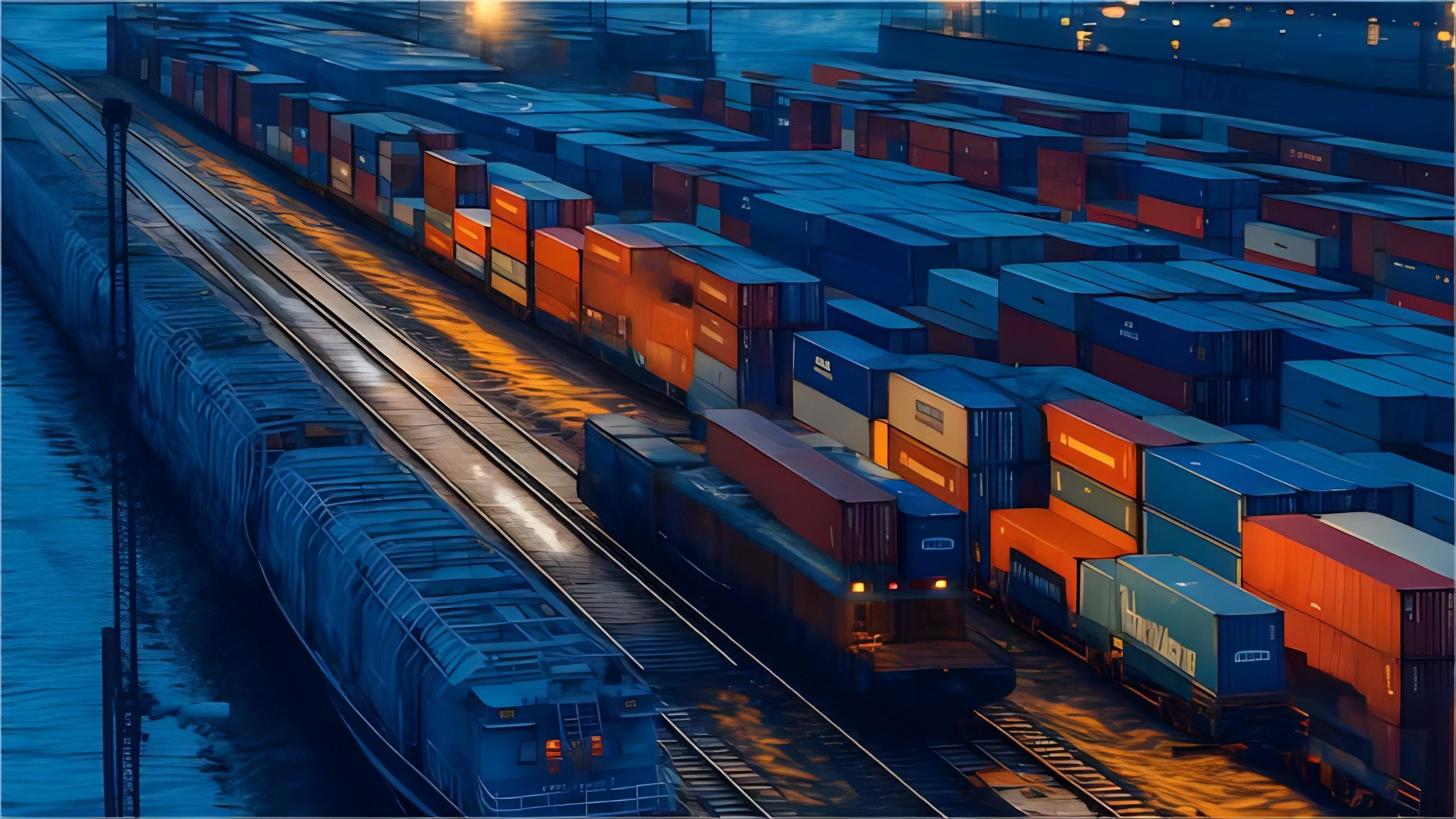
❖Reviewing real-world examples provides a clearer picture of what to expect when booking a door to door cargo service china global. These scenarios reflect typical market conditions and highlight the importance of choosing the right shipping mode for specific business needs.
Case Study 1: Electronics Distribution to USA West Coast Route: Shenzhen, China to Los Angeles, USA Cargo: Consumer Electronics, 12 CBM, 2,800 kg Container: LCL (Less than Container Load) Shipping Details: – Carrier: Major Trans-Pacific Carrier – Port of Loading: Shenzhen – Port of Discharge: Los Angeles – Route Type: Direct Cost Breakdown: – Ocean Freight: $1,450 – Origin Charges: $350 – Destination Charges: $650 – Customs & Duties: $1,200 – Total Landed Cost: $3,650 Timeline: – Booking to Loading: 3 days – Sea Transit: 16 days – Customs Clearance: 2 days – Total Door-to-Door: 21 days Key Insight: Efficient LCL consolidation saved the client 40% compared to air freight during the Q1 2026 period.
Case Study 2: Textile Import to Germany Route: Ningbo, China to Hamburg, Germany Cargo: Apparel, 68 CBM, 14,000 kg Container: 40HQ (High Cube) Shipping Details: – Carrier: COSCO – Port of Loading: Ningbo – Port of Discharge: Hamburg – Route Type: Direct via Suez Cost Breakdown: – Ocean Freight: $3,800 – Origin Charges: $450 – Destination Charges: $800 – Customs & Duties: $2,500 – Total Landed Cost: $7,550 Timeline: – Booking to Loading: 5 days – Sea Transit: 32 days – Customs Clearance: 3 days – Total Door-to-Door: 40 days Key Insight: Using a 40HQ container optimized the volume-to-cost ratio for this high-volume textile shipment.
Case Study 3: Industrial Parts to Australia Route: Shanghai, China to Sydney, Australia Cargo: Machinery Parts, 4 CBM, 1,200 kg Container: LCL Shipping Details: – Carrier: OOCL – Port of Loading: Shanghai – Port of Discharge: Sydney – Route Type: Direct Cost Breakdown: – Ocean Freight: $600 – Origin Charges: $250 – Destination Charges: $450 – Customs & Duties: $800 – Total Landed Cost: $2,100 Timeline: – Booking to Loading: 4 days – Sea Transit: 14 days – Customs Clearance: 2 days – Total Door-to-Door: 20 days Key Insight: Short transit times to Australia make sea freight LCL a viable alternative to more expensive air options for non-urgent industrial goods.
Which Shipping Option Should You Choose?
❖Determining the best logistics path requires a careful analysis of your budget, timeline, and cargo specifications. If your primary goal is cost reduction and you have a lead time of over 35 days, sea freight is the logical choice. However, if you are launching a new product and need to hit a specific market window, air freight is the superior option.
Volume thresholds also play a significant role in the decision-making process. For shipments under 15 CBM, LCL is generally more economical than paying for a full 20GP container. Conversely, once your volume exceeds 20 CBM, upgrading to a full container (FCL) provides better security and a lower cost per cubic meter.
Consider the nature of your goods as well, as some items may be restricted on certain modes of transport. For instance, large lithium batteries are often subject to strict regulations on aircraft, making sea or rail freight the only viable options. Ultimately, consulting with a logistics expert can help you identify the most efficient route and method for your specific needs.
Mastering Your Global Supply Chain
Successfully managing a door to door cargo service china global requires a combination of strategic planning and expert execution. By understanding the various shipping modes, costs, and compliance requirements, businesses can build a resilient supply chain that supports long-term growth. Moreover, the stability of the 2026 market offers a prime opportunity to optimize logistics for better efficiency.
Reliable partners handle the complexities of international trade, allowing you to focus on your core business activities. Whether you are shipping small e-commerce parcels or large industrial machinery, the right door-to-door solution ensures your goods arrive safely and on time. Start optimizing your cargo strategy today to stay ahead in the competitive global marketplace.
Ready to streamline your logistics?
Ready to streamline your supply chain with a reliable door to door cargo service china global? Contact our expert team today for a personalized quote and professional logistics advice. Visit DSV-Freight to start your inquiry.