


Freight Forwarder China Africa: 2026 Shipping Guide and Costs
Managing international trade between these two major regions requires a deep understanding of complex logistics networks. Selecting a reliable freight forwarder china africa is the most critical step for businesses aiming to secure their supply chains in 2026. This comprehensive guide provides actionable insights into shipping methods, current market pricing, and efficient customs strategies to ensure your goods arrive safely and on schedule.
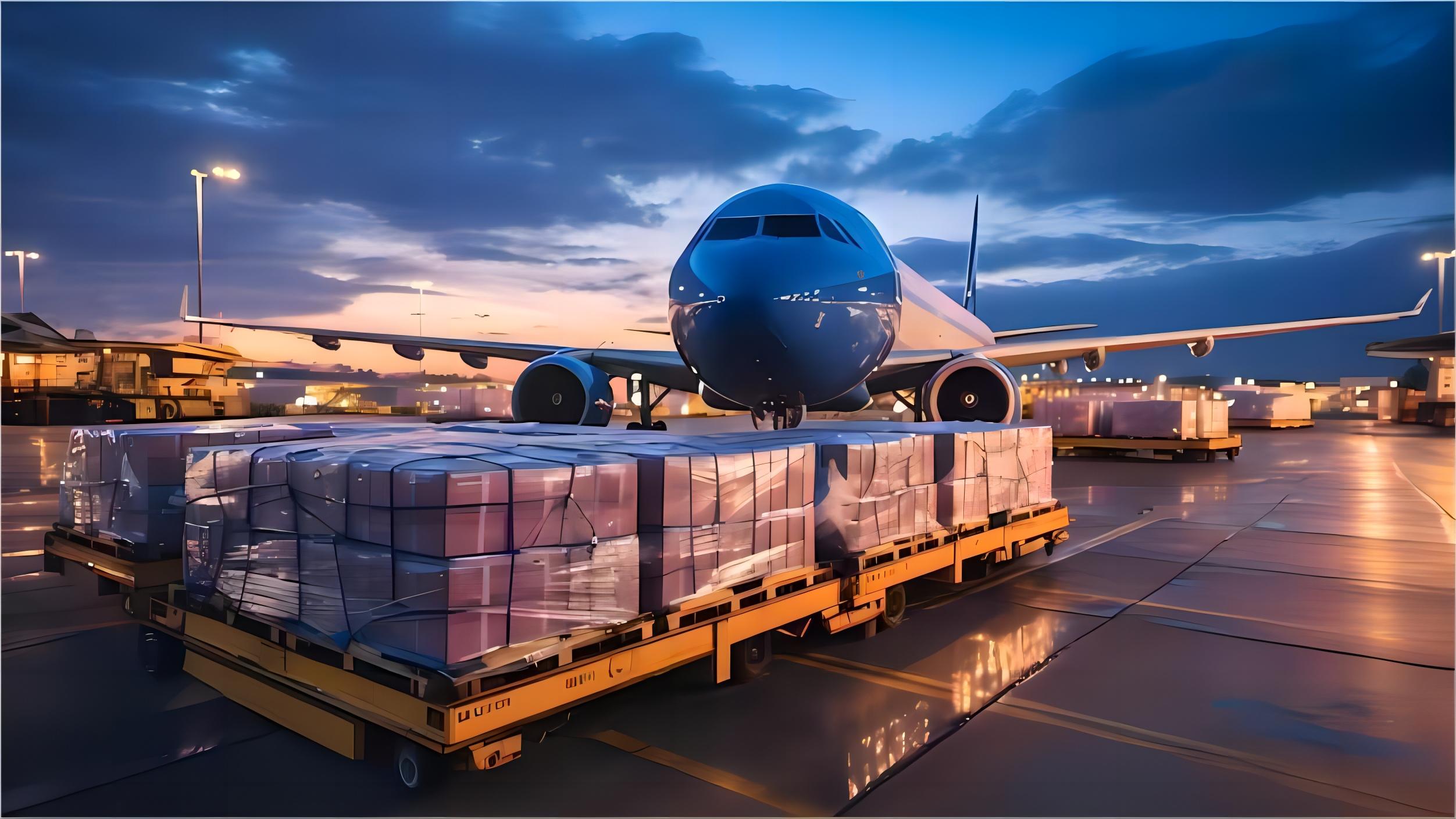
Why Do You Need a Specialized Freight Forwarder China Africa?
Navigating the logistics landscape between China and the African continent presents unique challenges that standard carriers might overlook. Specifically, infrastructure variations and diverse regulatory requirements across different African nations demand localized expertise. Therefore, a specialized partner ensures that your documentation complies with both Chinese export laws and specific destination country mandates.
Moreover, a professional agent provides visibility throughout the entire transit process. They manage the coordination between multiple carriers and local handling agents to prevent unnecessary delays at major hubs like Durban or Mombasa. Consequently, businesses can focus on growth while their logistics partner handles the intricacies of international movement.
Additionally, market conditions in 2026 have introduced new fuel surcharges and capacity shifts. A dedicated expert monitors these trends to secure the most competitive rates for your business. Indeed, having a partner who understands the nuances of the China-Africa trade lane is a significant competitive advantage.
How Does Sea Freight Compare to Other Shipping Options?
Choosing sea freight remains the most cost-effective method for transporting large volumes of goods over long distances. For instance, heavy machinery and bulk consumer goods are best suited for containerized shipping due to the lower cost per unit. However, the primary trade-off is the significantly longer transit time compared to air transport.
Furthermore, sea transport offers flexibility through Full Container Load (FCL) and Less than Container Load (LCL) options. If you have enough cargo to fill a 20GP or 40HQ container, FCL provides better security and faster handling. On the other hand, LCL allows smaller businesses to share container space, making international trade accessible to everyone.
In contrast to other methods, ocean shipping is less affected by the weight restrictions that limit air cargo. Nevertheless, port congestion in certain regions can occasionally extend delivery windows. To summarize, sea freight is the backbone of the China-Africa trade route for non-urgent, high-volume shipments.
| Shipping Method | Cost Range | Transit Time | Best For |
|---|---|---|---|
| Sea Freight (FCL) | Low | 30 to 45 Days | Bulk Goods |
| Sea Freight (LCL) | Medium | 35 to 50 Days | Small Batches |
| Air Freight | High | 5 to 10 Days | Urgent Cargo |
| Express Service | Very High | 3 to 5 Days | Samples |
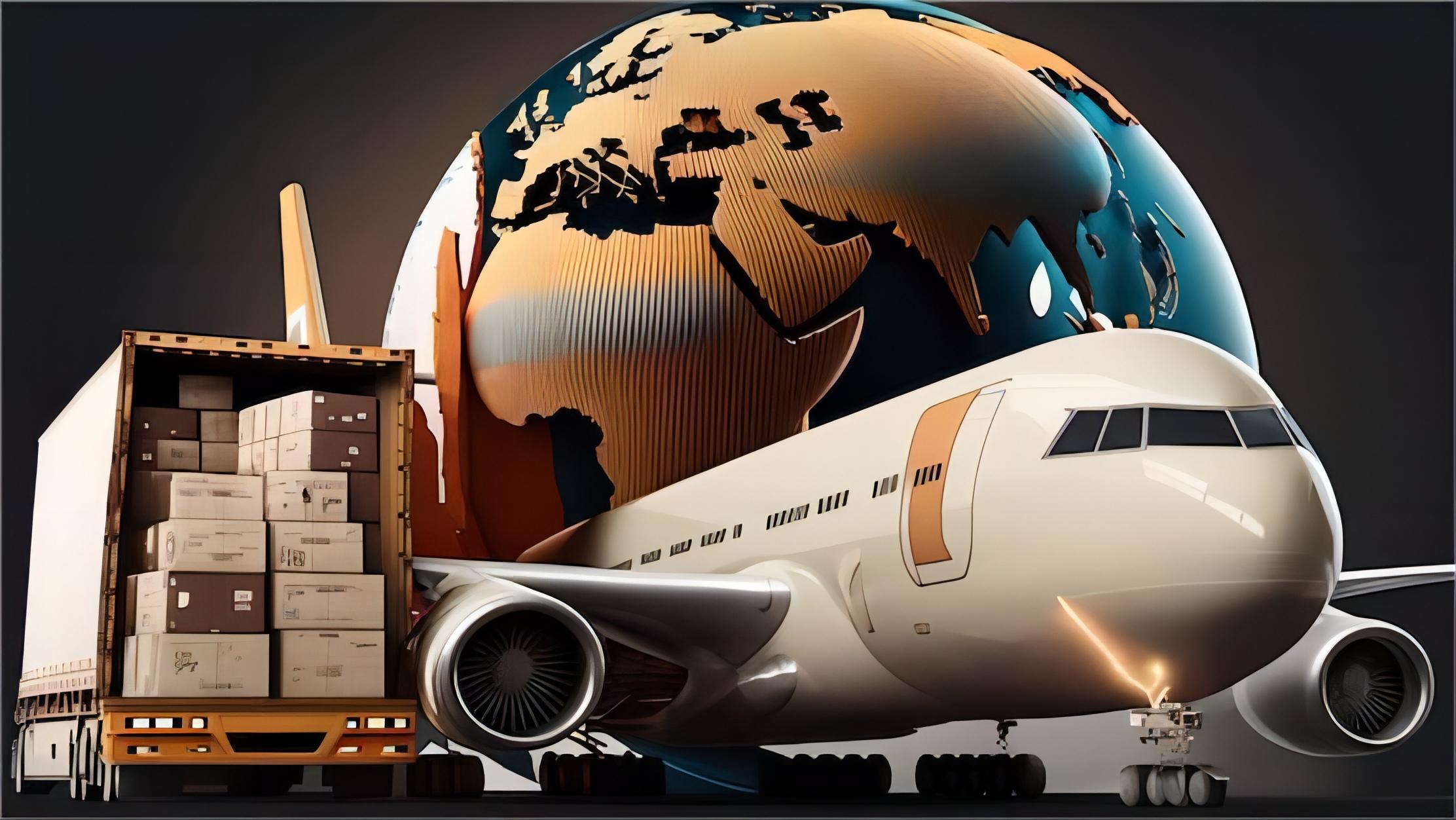
Which Air Freight Solutions Are Best for Urgent Cargo?
When time is the most critical factor, air freight provides the speed necessary to meet tight deadlines. For example, high-value electronics or seasonal fashion items often require the rapid turnaround that only flight transport can offer. Consequently, many businesses utilize air solutions to maintain low inventory levels and respond quickly to market demand.
Additionally, air transport offers enhanced security for sensitive cargo. Because the transit time is shorter and handling is more controlled, the risk of damage or theft is significantly reduced. Meanwhile, modern tracking technologies allow for real-time monitoring of your shipment from the moment it leaves the warehouse in China until it reaches its destination in Africa.
However, the cost of air shipping is calculated based on either actual weight or volumetric weight, whichever is higher. Therefore, it is essential to optimize your packaging to avoid paying for empty space. Despite the higher price point, the reliability and speed of air freight often justify the investment for high-margin products.
What Are the 2026 Shipping Costs from China to Africa?
Understanding the current pricing structure is vital for accurate budgeting and financial planning. As of early 2026, freight rates have stabilized following the global supply chain adjustments of previous years. Nevertheless, seasonal peaks during the third quarter can still lead to price increases of 15 to 20 percent.
Typically, ocean freight rates for a 40HQ container from Shanghai to major African ports range between 3,500 and 5,500 dollars. In addition, local charges at both the origin and destination must be factored into the total landed cost. For instance, terminal handling fees and documentation costs can add several hundred dollars to the final invoice.
Moreover, air freight rates currently fluctuate between 4.50 and 8.00 dollars per kilogram depending on the destination and service level. For this reason, we recommend requesting a tailored quote to get the most accurate pricing for your specific cargo. Note: Freight rates are subject to change based on fuel costs, carrier capacity, and seasonal demand. Contact us for a current quote tailored to your specific shipment.
| Route | 20GP Container | 40HQ Container | Est. Transit |
|---|---|---|---|
| China to Nigeria | $2,800 – $3,600 | $4,200 – $5,800 | 38 – 45 Days |
| China to Kenya | $1,800 – $2,500 | $3,000 – $4,200 | 25 – 32 Days |
| China to S. Africa | $2,200 – $3,100 | $3,800 – $5,200 | 28 – 35 Days |
| China to Egypt | $1,500 – $2,200 | $2,800 – $3,800 | 20 – 28 Days |
How to Handle Customs Clearance and Documentation?
Navigating the legal requirements of multiple jurisdictions is often the most complex part of the shipping process. Utilizing professional customs brokerage services ensures that all paperwork is filed correctly and on time. Indeed, missing or incorrect documents are the leading cause of port delays and unexpected storage fees.
Furthermore, each African country has its own set of import regulations and required certificates. For example, some nations require a Pre-Shipment Inspection (PSI) or a Conformity Certificate (COC) before the goods leave China. Without a doubt, failing to secure these documents can result in heavy fines or even the seizure of your cargo.
Additionally, your freight forwarder should assist with tariff classification to ensure you are paying the correct amount of duties. By accurately classifying your goods, you might even qualify for lower tax rates under specific trade agreements. Therefore, investing in expert customs support is a proactive way to protect your bottom line.
What Are the Door-to-Door Logistics Trends in 2026?
The demand for seamless door to door delivery has grown significantly as businesses seek to simplify their operations. This service covers everything from the initial pickup at the factory in China to the final delivery at the customer’s warehouse in Africa. Consequently, it eliminates the need for the importer to manage multiple local transport providers.
In addition, the integration of digital platforms has made door-to-door services more transparent than ever before. You can now track your shipment through every stage, including domestic trucking, international transit, and final mile delivery. This level of visibility is particularly beneficial for e-commerce businesses that require precise delivery schedules.
Moreover, many forwarders now offer value-added services such as labeling, palletizing, and temporary storage. These solutions provide a comprehensive logistics package that reduces the complexity of international trade. Indeed, choosing a door-to-door service is often the most efficient way to manage a modern supply chain.
How Does Express Service Compare to Standard Shipping?
For very small shipments or critical documents, an express service is often the most practical choice. Unlike standard air freight, express carriers provide an all-in-one solution that includes rapid customs clearance and local delivery. Typically, these shipments arrive within three to five business days, making them ideal for high-priority items.
However, the convenience of express shipping comes at a premium price. It is usually much more expensive than standard air cargo for shipments weighing over 45 kilograms. Therefore, it is best reserved for samples, urgent replacement parts, or high-value documents that cannot wait for standard schedules.
Nevertheless, the ease of use associated with express shipping cannot be overstated. With simple online booking and door-to-door tracking, it is the most user-friendly option for small-scale importers. To summarize, while it is not the most economical for large volumes, it is an essential tool for urgent business needs.

Real Case Studies: Successful Shipments to Africa
Examining real-world examples helps illustrate the practical application of these logistics strategies. Below are three case studies based on actual shipments handled during the 2025 and 2026 period. These scenarios highlight the costs, timelines, and challenges associated with different routes and cargo types.
Case Study 1: Electronics to Lagos, Nigeria
Route: Shanghai, China to Lagos, Nigeria. Cargo: Consumer electronics, 68 CBM, 18,500 kg. Container: 40HQ FCL. Carrier: Major ocean carrier. Port of Loading: Shanghai. Port of Discharge: Tin Can Island, Lagos. Route Type: Direct.
Cost Breakdown: Ocean Freight: $4,850. Origin Charges: $450. Destination Charges: $850. Customs and Duties: $2,200. Total Landed Cost: $8,350. Timeline: Booking to Loading: 5 days. Sea Transit: 42 days. Customs Clearance: 6 days. Total Door-to-Door: 53 days.
Key Insight: Early booking and accurate COC documentation prevented delays at the Lagos port during the peak season of late 2025.
Case Study 2: Industrial Parts to Johannesburg, South Africa
Route: Shenzhen, China to Johannesburg, South Africa. Cargo: Machinery spare parts, 2.2 CBM, 480 kg. Method: Air Freight. Port of Loading: Shenzhen Baoan. Port of Discharge: OR Tambo International. Route Type: Transshipment via Dubai.
Cost Breakdown: Air Freight: $2,640. Origin Charges: $180. Destination Charges: $320. Customs and Duties: $550. Total Landed Cost: $3,690. Timeline: Booking to Loading: 2 days. Air Transit: 5 days. Customs Clearance: 2 days. Total Door-to-Door: 9 days.
Key Insight: Using air freight allowed the factory to resume operations within 10 days, saving thousands in potential downtime.
Case Study 3: Textile Goods to Mombasa, Kenya
Route: Ningbo, China to Mombasa, Kenya. Cargo: Finished textiles, 12 CBM. Method: LCL Sea Freight. Port of Loading: Ningbo-Zhoushan. Port of Discharge: Mombasa. Route Type: Direct.
Cost Breakdown: Ocean Freight (LCL): $960. Origin Charges: $220. Destination Charges: $410. Customs and Duties: $800. Total Landed Cost: $2,390. Timeline: Booking to Loading: 4 days. Sea Transit: 26 days. Customs Clearance: 5 days. Total Door-to-Door: 35 days.
Key Insight: LCL was the most economical choice for this medium-sized shipment, providing a 60 percent saving over air freight.
Which Shipping Option Should You Choose?
Selecting the right method depends on your specific priorities and the nature of your cargo. If your primary goal is cost reduction and you have a flexible timeline, sea freight is the clear winner. Specifically, for shipments over 15 CBM, FCL offers the best value and protection for your goods.
On the other hand, if you are shipping high-value items or facing urgent deadlines, air freight is the necessary choice. While the cost is higher, the speed and security it provides are unmatched. For shipments under 100 kg that require immediate delivery, express services are usually the most efficient route.
Additionally, consider a hybrid approach for complex supply chains. You might ship your core inventory via sea freight while using air freight for urgent restocks. This strategy allows you to balance cost and speed effectively. Always consult with your freight forwarder to determine the most logical path for your specific business model.
Conclusion
Finding the right freight forwarder china africa is the foundation of a successful import-export business in 2026. By understanding the differences between sea, air, and express services, you can make informed decisions that protect your profit margins. Furthermore, proper documentation and customs planning are essential to avoid costly delays and ensure smooth delivery.
As market conditions continue to evolve, staying informed about current rates and logistics trends will give you a significant advantage. Whether you are shipping full containers or small samples, the right partner will help you navigate the complexities of the China-Africa trade lane. Start optimizing your supply chain today for a more efficient and profitable future.

Get Your Shipping Quote Today
Streamline your international logistics today by partnering with an expert freight forwarder china africa. Our team is ready to provide you with a customized shipping solution that meets your budget and timeline. Visit our inquiry page to request your free 2026 quote now. Send Inquiry: Visit alibabaforwarder.com
Frequently Asked Questions
How long does shipping take from China to Africa?
Sea freight usually takes 30 to 50 days depending on the specific port. Air freight is much faster, typically arriving within 5 to 10 days. Express services can deliver within 3 to 5 business days for urgent shipments.
What is the cheapest way to ship from China to Africa?
Sea freight is the most economical option for large volumes. Specifically, FCL is cheapest for full containers, while LCL is better for smaller shipments. Always compare current 2026 rates to find the best deal.
Do I need a customs broker for China-Africa shipping?
Yes, hiring a professional customs broker is highly recommended. They ensure all documentation is correct and help you navigate the specific import regulations of the destination country to avoid delays.
What documents are required for shipping to Africa?
Common documents include the commercial invoice, packing list, bill of lading, and certificate of origin. Some countries also require specific certificates like COC or PSI before the cargo departs China.
Can I track my shipment from China to Africa?
Most modern freight forwarders provide digital tracking tools. You can monitor your cargo’s progress through sea, air, or door-to-door services in real-time using your tracking number or bill of lading.
What are the common challenges in China-Africa logistics?
Key challenges include port congestion, varying customs regulations, and infrastructure limitations in some regions. A specialized forwarder helps mitigate these risks through local expertise and proactive planning.
Is insurance necessary for international shipping?
Yes, we strongly recommend purchasing cargo insurance. It protects your investment against damage, loss, or theft during the long transit between China and Africa, providing peace of mind for your business.