

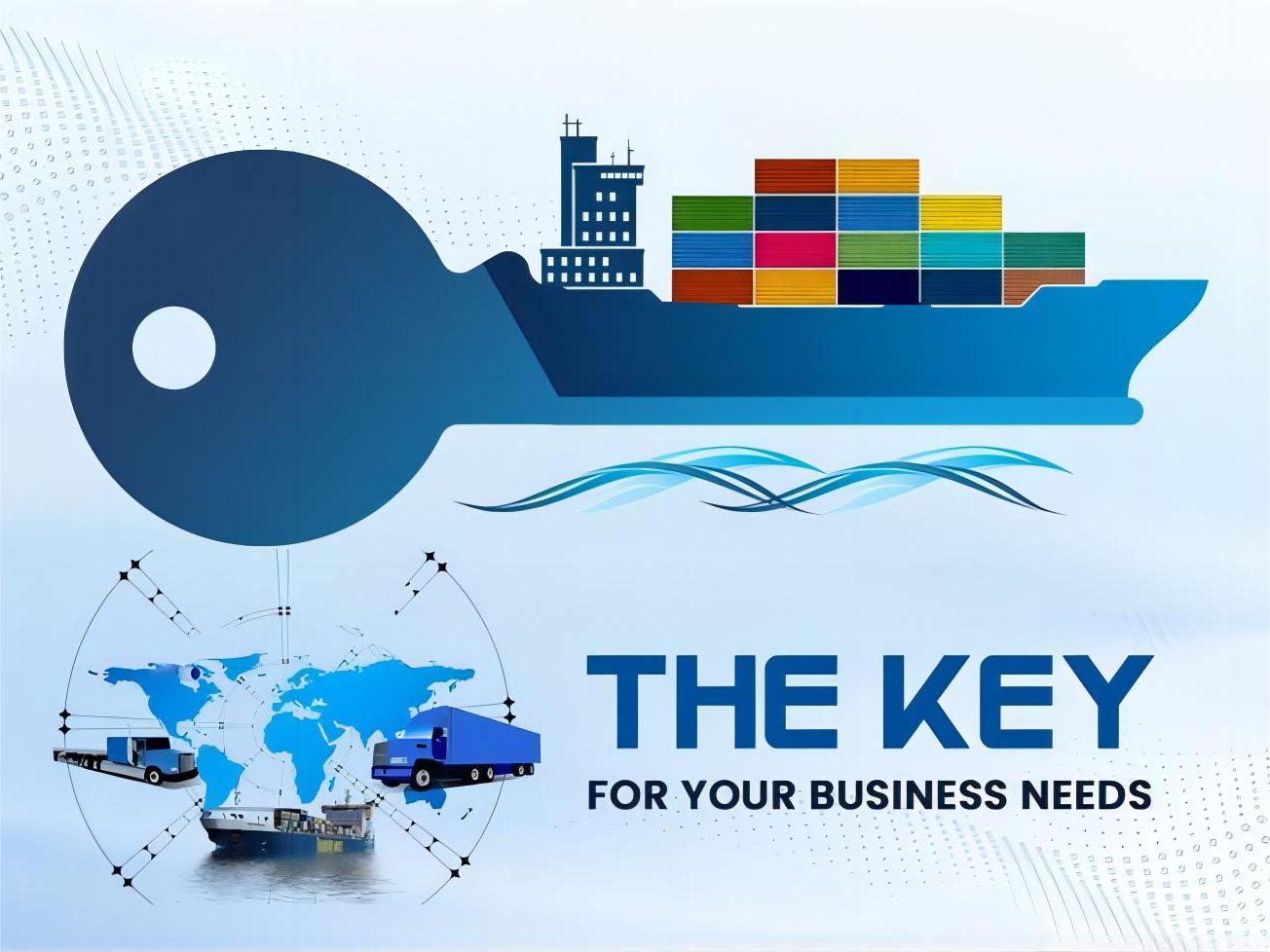
Freight Forwarder China to Brazil: Your 2026 Comprehensive Shipping Guide
Navigating the complex international trade routes from Asia to South America requires a reliable DSV-Freight partner to ensure efficiency. Consequently, finding the right freight forwarder China to Brazil is essential for maintaining your profit margins and ensuring timely delivery of goods. This guide provides comprehensive insights into the 2026 logistics landscape to help you streamline your import operations successfully.
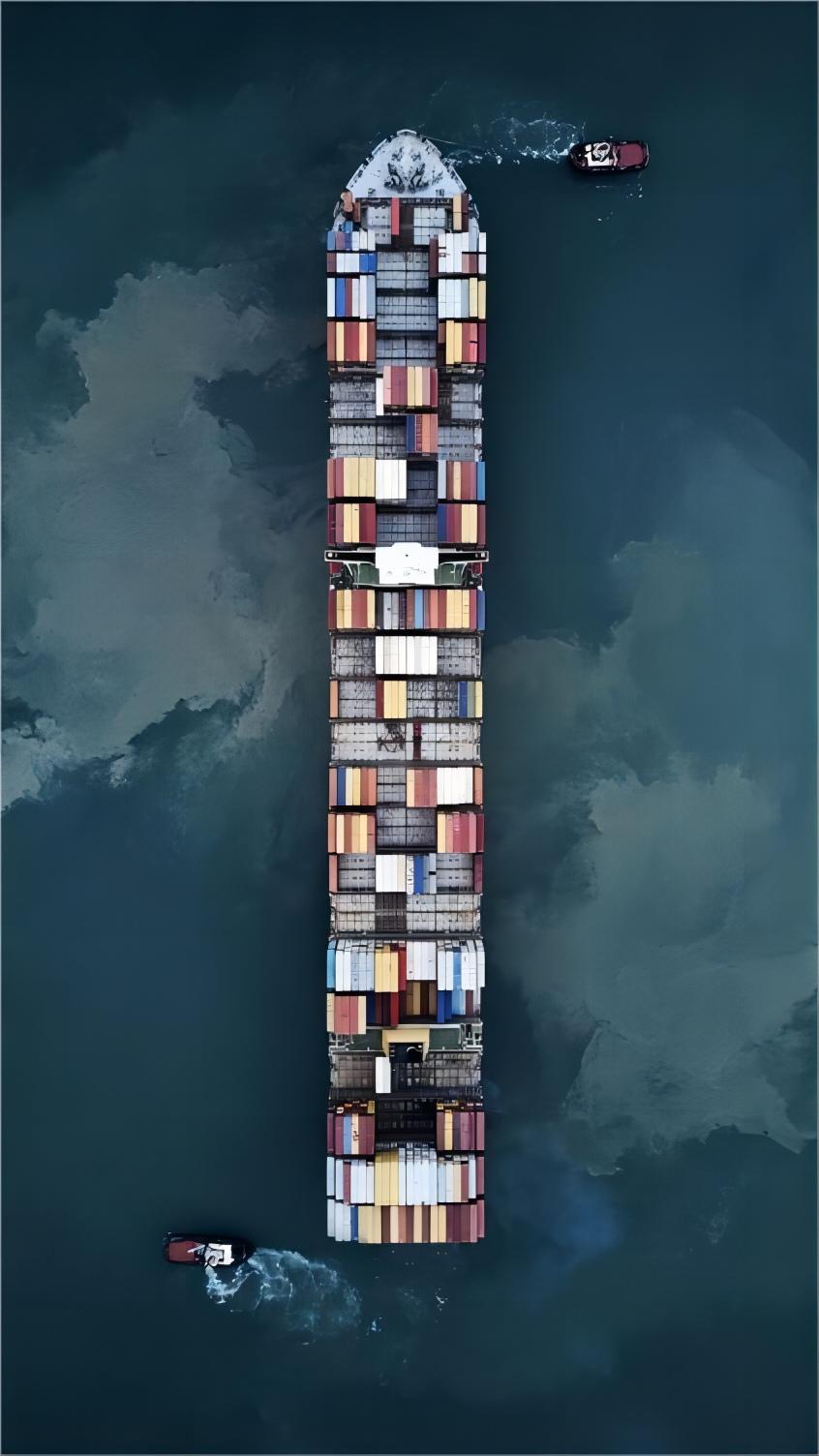
Why You Need a Professional Freight Forwarder China to Brazil
Managing international logistics involves coordinating between multiple carriers, port authorities, and warehouse managers across two continents. Therefore, a professional partner simplifies this process by handling all technical requirements and logistics documentation on your behalf.
Furthermore, the 2026 market presents unique challenges such as shifting fuel surcharges and varying port congestion levels in major hubs like Santos and Paranagua. Because of these factors, expert oversight is necessary to avoid unexpected delays and additional storage fees at the port.
Additionally, a dedicated forwarder provides visibility into the supply chain, allowing you to track your cargo from the factory floor to the final destination. Indeed, having a single point of contact reduces the risk of communication errors that often lead to costly shipping mistakes.
How Does Sea Freight Compare to Other Shipping Options?
Choosing sea freight remains the most popular choice for bulk commodities due to its unmatched cost-effectiveness for large volumes. However, businesses must weigh this economic benefit against the longer transit times compared to faster air transport alternatives.
Moreover, sea freight options are divided into Full Container Load (FCL) and Less than Container Load (LCL) to accommodate different shipment sizes. Specifically, FCL is ideal for large inventories while LCL allows smaller businesses to share container space and reduce their overall shipping costs.
In contrast, air freight offers a rapid alternative for high-value goods that require immediate shelf presence or urgent replacement parts. As of early 2026, many importers are utilizing a mix of both methods to balance their inventory needs and shipping budgets effectively.
| Shipping Method | Cost Range (2026) | Transit Time | Best For | Limitations |
|---|---|---|---|---|
| Sea FCL (40HQ) | $3,800 – $5,500 | 35-45 Days | Bulk Inventory | Slow Transit |
| Sea LCL | $160 – $280/CBM | 40-50 Days | Small Shipments | Handling Risk |
| Air Freight | $6.50 – $11.80/kg | 6-9 Days | High-Value Goods | Expensive |
| Express | $12.50 – $19.00/kg | 3-5 Days | Urgent Samples | Very High Cost |
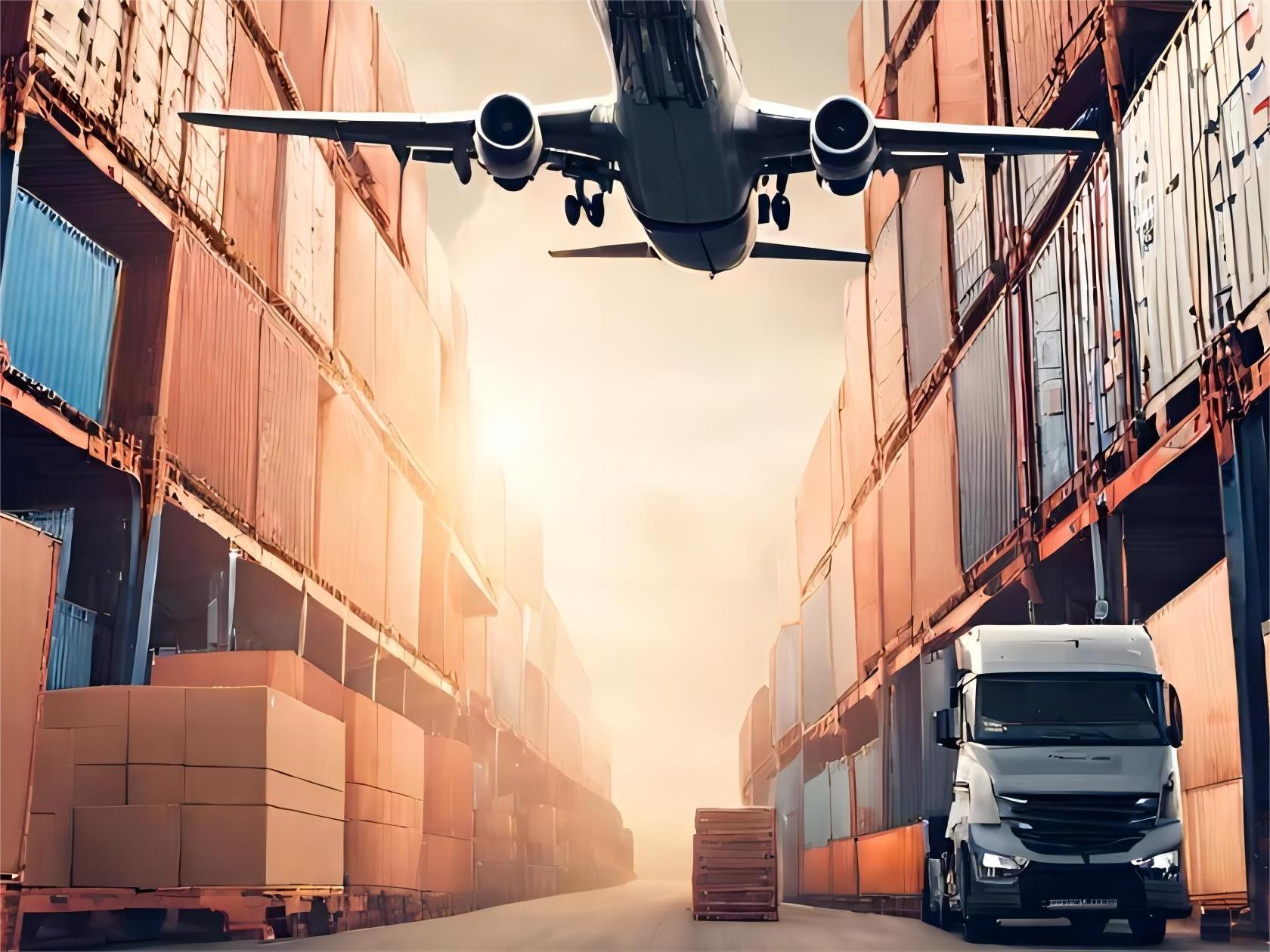
Alternative Strategies and Hybrid Logistics Solutions
Implementing alternative strategies can often lead to significant cost savings during peak seasons or periods of high port congestion. For example, transshipment through intermediate hubs in the Caribbean or North America can sometimes offer lower rates than direct routes to Brazil.
Additionally, sea-air hybrid solutions are gaining traction in 2026 as a middle-ground strategy that offers faster delivery than sea but lower costs than pure air freight. Specifically, goods are shipped by sea to a hub like Panama and then flown to Sao Paulo to bypass long maritime legs.
Meanwhile, cost-saving strategies such as consolidating multiple small orders into a single FCL shipment can reduce the ‘per unit’ shipping cost significantly. Nevertheless, this requires careful coordination with your suppliers in China to ensure all goods are ready for simultaneous dispatch.
Navigating Customs Clearance and Import Documentation in Brazil
Understanding the ‘Custo Brasil’ involves navigating complex tax structures including ICMS, PIS, and COFINS, which can significantly impact your landed cost. Consequently, hiring a specialist in customs brokerage is often the difference between a smooth cargo release and a lengthy, expensive delay.
Indeed, Brazilian customs authorities are known for their strict documentation requirements and frequent physical inspections of imported cargo. To summarize, ensuring your commercial invoice, packing list, and bill of lading are perfectly accurate is a non-negotiable step for any successful importer.
Reliable forwarders will also assist with obtaining the necessary Import Licenses (LI) before the goods depart from China. Because some products require approval from specific agencies like ANVISA or MAPA, having expert guidance is vital for regulatory compliance.
| Document Name | Required By | Purpose | Importance |
|---|---|---|---|
| Commercial Invoice | Customs | Tax Valuation | Critical |
| Packing List | Port Authority | Cargo Verification | High |
| Bill of Lading | Carrier | Title of Goods | Critical |
| Import Declaration | Receita Federal | Legal Entry | Mandatory |
Which Option Should You Choose? Decision Framework
Budget priority should lead you toward FCL sea shipping for any volume exceeding 15 cubic meters, as this maximizes your shipping spend. In contrast, if your volume is small, LCL remains the most economical choice despite the slightly higher risk of cargo handling.
Speed priority necessitates air freight, especially during the Q4 peak season of 2026 when Brazilian sea ports face traditional end-of-year congestion. Ultimately, your choice depends on the specific balance of your inventory turnover rate and your available capital.
Cargo type considerations also play a role; for instance, heavy machinery is almost exclusively shipped via sea due to weight restrictions on aircraft. Meanwhile, delicate electronics or pharmaceuticals benefit from the shorter transit times and climate-controlled environments found in air transport.
Selecting the Best Freight Forwarder China to Brazil
Evaluating a logistics provider requires looking beyond just the initial price quote to ensure they have a robust local network. Specifically, you should verify their experience with the specific port of discharge your business uses most frequently, such as Santos, Itajai, or Rio Grande.
Moreover, choosing a provider that offers door to door delivery simplifies your internal operations by removing the need to manage local Brazilian trucking. This comprehensive service ensures that your responsibility for the cargo is minimized until it reaches your warehouse floor.
Detailed communication is another hallmark of a top-tier forwarder, providing you with proactive updates regarding transit times and potential customs issues. Historically, businesses that maintain close relationships with their logistics partners see fewer disruptions in their overall supply chain.

Verified Case Studies for 2026 Logistics Success
+———————————————————+ | Case Study 1: Electronics from Shenzhen to Santos | | Route: Shenzhen, China -> Santos, Brazil | | Cargo: Consumer Electronics, 28 CBM, 4500 kg | | Container: 40HQ | | | | Shipping Details: | | – Carrier: Major Ocean Carrier | | – Port of Loading: Shenzhen | | – Port of Discharge: Santos | | – Route Type: Direct | | | | Cost Breakdown: | | – Ocean Freight: $4,200 | | – Origin Charges: $450 | | – Destination Charges: $850 | | – Total Landed Cost: $5,500 | | | | Timeline: | | – Sea Transit: 38 days | | – Customs Clearance: 5 days | | – Total Door-to-Door: 48 days | | | | Key Insight: Direct routing saved 7 days compared to | | transshipment options during the Q1 2026 period. | +———————————————————+
+———————————————————+ | Case Study 2: Auto Parts from Ningbo to Paranagua | | Route: Ningbo, China -> Paranagua, Brazil | | Cargo: Industrial Auto Parts, 5 CBM, 1200 kg | | Container: LCL Shipment | | | | Shipping Details: | | – Carrier: LCL Consolidator | | – Port of Loading: Ningbo | | – Port of Discharge: Paranagua | | – Route Type: Transshipment via Singapore | | | | Cost Breakdown: | | – Ocean Freight: $950 | | – Origin Charges: $200 | | – Destination Charges: $400 | | – Total Landed Cost: $1,550 | | | | Timeline: | | – Sea Transit: 46 days | | – Customs Clearance: 7 days | | – Total Door-to-Door: 58 days | | | | Key Insight: Consolidation provided a 60% cost saving | | over air freight for these non-urgent heavy parts. | +———————————————————+
Note: Freight rates are subject to change based on fuel costs, carrier capacity, and seasonal demand. Contact us for a current quote tailored to your specific shipment.
Market Trends and Express Services in 2026
Utilizing an express service is ideal for small parcels or critical replacement parts that are needed within a single week. As a result, many manufacturing firms are keeping this option as a vital backup in their 2026 supply chain contingency planning.
Historically, freight rates from China to South America have shown volatility, but early 2026 data suggests a period of relative stability for major maritime routes. Despite this, booking your shipment at least three to four weeks in advance remains the best practice for securing vessel space.
Technological integration is also a major trend, with more forwarders offering digital platforms for document submission and automated tracking. Consequently, importers who embrace these digital tools often experience fewer manual errors and faster processing times at Brazilian ports.
Final Thoughts on Choosing a Freight Forwarder China to Brazil
To summarize, selecting the right freight forwarder China to Brazil involves a careful balance of speed, cost, and local regulatory expertise. By following the strategies outlined in this 2026 guide, you can successfully navigate the complexities of South American logistics and avoid common pitfalls.
Always prioritize partners who demonstrate deep knowledge of the Brazilian market and offer transparent pricing structures without hidden fees. Efficient logistics is the backbone of successful international trade, and the right partner will help your business thrive in the competitive global marketplace.
Get Your Shipping Quote Today
Streamline your international trade today by partnering with an expert freight forwarder China to Brazil. Our team provides tailored logistics solutions, competitive 2026 rates, and professional customs support to ensure your cargo arrives safely and on time. Contact us now to request a personalized quote and optimize your supply chain efficiency.
Frequently Asked Questions
How long does sea freight take from China to Brazil in 2026?
Typically, sea freight transit times range from 35 to 45 days for direct routes to major ports like Santos. Transshipment routes may take 50 days or more depending on the hub.
What are the main ports of entry for cargo in Brazil?
The primary ports include Santos, which is the largest, followed by Paranagua, Itajai, Rio Grande, and Vitoria. Your choice depends on the final destination of your goods.
Is air freight much more expensive than sea freight for this route?
Yes, air freight usually costs 5 to 8 times more than sea freight per kilogram. It is best reserved for high-value, low-volume, or extremely urgent shipments.
What documents are mandatory for Brazilian customs clearance?
You must provide a Commercial Invoice, Packing List, Bill of Lading, and often an Import License. Accuracy is critical to avoid heavy fines from the Receita Federal.
Can a freight forwarder help with taxes in Brazil?
While they are not tax advisors, professional forwarders with customs brokerage services can calculate estimated duties and help you navigate the complex tax system.
What is the benefit of FCL over LCL shipping?
FCL provides exclusive use of a container, which reduces handling risks and is more cost-effective for shipments larger than 15 cubic meters.
How far in advance should I book my 2026 shipment?
It is highly recommended to book at least 3 to 4 weeks before your desired departure date to ensure equipment availability and secure better freight rates.
Are there weight limits for air freight to Brazil?
Most commercial aircraft have limits on dimensions and weight per piece. Large or extremely heavy items are better suited for specialized cargo planes or sea freight.